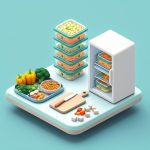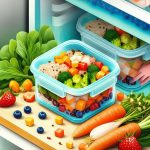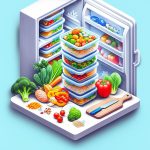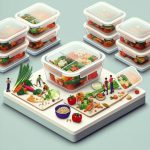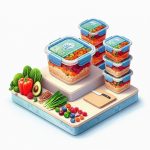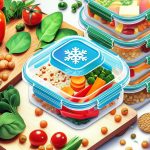
It’s 5 p.m. The daily question hangs in the air, heavy with expectation: “What’s for dinner?” For many, this moment triggers a familiar wave of low-grade panic, a frantic mental scan of the fridge, and the temptation to just order takeout. But what if you could sidestep that stress entirely? Imagine a freezer full of delicious, home-cooked dinners, all thanks to the magic of once a month cooking recipes.
This isn’t about eating frozen TV dinners. It’s about dedicating one day to prep and cook, then enjoying the rewards for the next 30. It’s a strategic approach to your kitchen that buys back your weeknights and puts you firmly in control of your meals, your budget, and your time.
At a Glance: Your Quick Guide to OAMC
Think this sounds too good to be true? It’s not, but it does take a plan. Here’s what you’ll get from this guide:
- The “Why”: A clear look at how OAMC saves you time, money, and sanity.
- The 5-Step Blueprint: A step-by-step process from planning and shopping to cooking and freezing.
- The Right Tools: The essential (and non-essential) gear that makes your cook day a breeze.
- Freezer-Friendly Foods: A simple breakdown of what freezes beautifully and what you should avoid.
- Pro Tips & Common Pitfalls: Learn the shortcuts and avoid the mistakes that rookies often make.
What Is Once A Month Cooking (And Why Is It a Game-Changer)?
Once A Month Cooking, often shortened to OAMC, is a meal-prepping philosophy on a grand scale. The premise is deceptively simple: Cook Once, Eat All Month. You dedicate one or two days to plan, shop for, and prepare a month’s worth of meals, which are then frozen in ready-to-reheat portions.
It’s the ultimate batch-cooking system, designed to radically simplify your life.
The benefits go far beyond just having food on hand:
- You Reclaim Your Time: Imagine freeing up an hour or more every single weeknight. That’s 20-30 hours a month you get back for family, hobbies, or simply relaxing.
- You Slash Your Grocery Bill: Bulk buying is your new best friend. Purchasing meat, produce, and pantry staples in larger quantities almost always costs less per unit. Plus, with a plan, you eliminate impulse buys.
- You Reduce Food Waste: No more finding fuzzy strawberries or wilted spinach in the back of your crisper drawer. Every ingredient you buy has a purpose and a destination: a delicious meal in your freezer.
- You Eat Healthier: When a wholesome, home-cooked meal is just as easy as ordering pizza, you’re more likely to make the healthier choice. You control the ingredients, the salt, and the portion sizes.
- You Erase Daily Decision Fatigue: The mental energy spent planning dinner each day is real. OAMC removes that burden, freeing up brain space for more important things.
The OAMC Blueprint: Your 5-Step Plan for Success
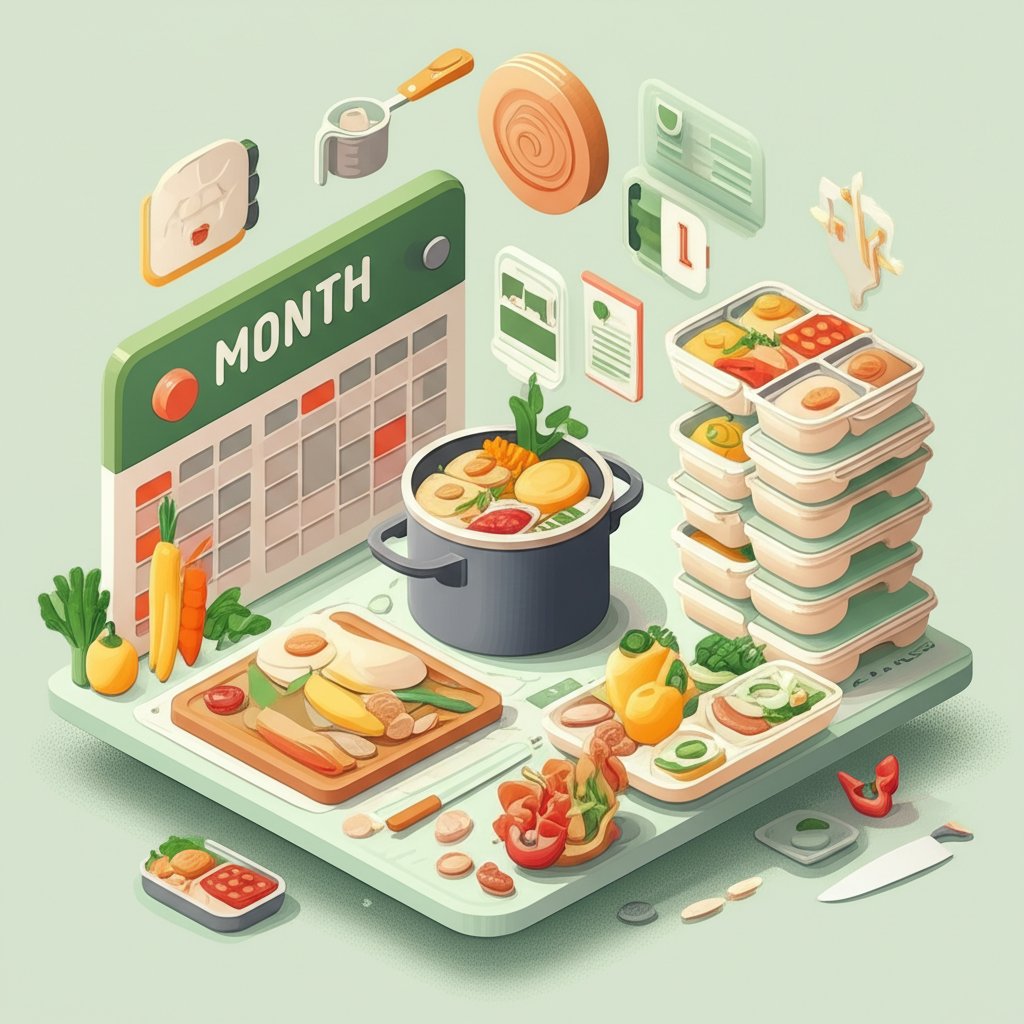
Getting started can feel intimidating, but it’s just a matter of breaking it down into manageable steps. This is the exact framework seasoned OAMC pros use to make their big cook day efficient and even enjoyable.
Step 1: The Master Plan
This is the most critical phase. A good plan makes the rest of the process flow smoothly.
- Choose Your Recipes: Start with 5-7 recipes you know your family loves. You can double or triple each one to get your month’s worth of meals. Focus on freezer-friendly classics like chilis, soups, pasta bakes, and marinated meats. The foundation of any successful OAMC day is a solid plan; it’s never too early to Start your freezer meal plan.
- Calendar It: Pull out a calendar and assign a meal to each night. Be realistic. Pencil in nights for leftovers, eating out, or events. This helps you visualize your month and ensures you’re making the right amount of food.
- Consolidate Ingredients: Create a master list of every single ingredient you’ll need from all your chosen recipes.
Step 2: The Strategic Shop
With your master list in hand, you’re ready to shop.
- Group Your List: Don’t just walk into the store with a random list. Organize it by department: produce, meat, dairy, canned goods, spices, etc. This prevents you from running back and forth across the store.
- Shop Your Pantry First: Before you leave, check your pantry, fridge, and freezer. Cross off anything you already have. There’s no point in buying a third jar of oregano.
- Think Bulk: This is where you save big. Look for family packs of chicken, ground beef, and large bags of onions, carrots, and potatoes.
Step 3: The Prep Day (Optional, but Recommended)
Many OAMC veterans split the work into two days. Day one is for all the mise en place (getting everything in its place).
Spend a couple of hours the day before your big cook day chopping all your vegetables, measuring out spices into small bowls for each recipe, and browning any ground meat. This simple step makes the actual cook day feel less like a marathon and more like an assembly line. This is the secret to Easy freezer meal planning and avoiding chaos.
Step 4: The Big Cook Day
It’s go time. Put on some music, pour yourself a coffee, and get into the zone.
- Batch Your Tasks: Don’t cook one recipe from start to finish. Cook in batches. Brown all the ground beef at once. Sauté all the onions together. Boil all the pasta. This is far more efficient.
- Use Your Appliances: Get your slow cooker and/or Instant Pot working for you. While a chili simmers in the Crock-Pot, you can be assembling a lasagna on the counter.
- Clean As You Go: Keep a sink full of soapy water. Wash bowls and utensils as you finish with them to prevent a mountain of dishes from forming at the end.
Step 5: The Final Freeze
Proper cooling and storage is key to preserving flavor and preventing freezer burn.
- Cool Completely: Never put hot or warm food directly into the freezer. It will raise the temperature of the surrounding items and can create ice crystals. Let everything cool to room temperature on the counter, then chill it further in the fridge if possible.
- Package Smart: Use high-quality freezer bags, airtight containers, or a vacuum sealer. Squeeze as much air out of bags as possible—air is the enemy of frozen food. For liquids like soup, leave about an inch of headspace for expansion.
- Label Everything: This is non-negotiable. Use a permanent marker to label every single item with:
- Name of the dish
- Date it was made
- Serving size or number of portions
- Simple reheating instructions (“Thaw and bake at 350°F for 30 min”)
Your OAMC Toolkit: The Essential Gear
You don’t need a professional kitchen, but a few key items will make your life infinitely easier.
- The Basics:
- Sharp Knives & Large Cutting Boards: A dull knife is a dangerous, inefficient tool. Have at least one good chef’s knife. Multiple cutting boards (one for raw meat, one for veggies) are a must.
- Lots of Mixing Bowls: You’ll need more than you think for holding chopped veggies, mixing ingredients, and cooling foods.
- Cooking Powerhouses:
- A Large Stockpot: For making big batches of soup, chili, or pasta sauce.
- A Dutch Oven or Heavy-Bottomed Pot: Perfect for searing meats and simmering stews.
- A Slow Cooker and/or Instant Pot: These are your extra sets of hands, doing the slow work while you focus on other tasks.
- Storage Champions:
- High-Quality Freezer Bags: Look for thick, durable bags (not thin sandwich bags).
- Airtight Freezer-Safe Containers: Glass or BPA-free plastic containers are great for casseroles and stews. Aluminum foil pans with lids are also fantastic for oven-ready meals.
- Permanent Markers & Labels: For that all-important labeling step.
What to Cook (And What to Skip): Freezer-Friendly Food 101
Not all foods are created equal when it comes to freezing. Sticking to proven winners will ensure your meals are just as delicious a month from now as they are on cook day. This approach is the heart of creating fantastic Freezer meals for a month that your family will actually ask for.
| Best Bets for the Freezer ✅ | Foods to Approach with Caution or Avoid ❌ |
|---|---|
| Soups, stews, and chilis (without dairy) | Cream- or milk-based sauces (can separate) |
| Meatloaf and meatballs | Fried or crispy foods (will get soggy) |
| Casseroles (lasagna, baked ziti, enchiladas) | Raw, high-water-content veggies (cucumber, lettuce) |
| Pulled pork or shredded chicken | Fully cooked pasta (can get mushy; undercook it) |
| Marinated raw meats (chicken, pork chops, steak) | Mayonnaise-based dishes (will separate) |
| Pizza dough and cookie dough | Cooked egg whites (become rubbery) |
| Cooked rice and grains | Raw potatoes (can turn grainy and dark) |
| A great tip for dishes like chicken pot pie or creamy soups is to prepare and freeze the entire base, but add the dairy (cream, milk, cheese) during the reheating process. |
Pro Tips from Seasoned Batch-Cookers
Learn from those who have been doing this for years. These small adjustments can make a big difference.
- Start Small: Don’t try to cook 30 distinct meals on your first go. Start with a two-week plan. Many people find that dedicating a few hours to creating Make ahead freezer meals is less daunting than a full month.
- “Double Dinner” Method: An even easier way to start is to simply double whatever you’re making for dinner tonight. Eat one portion, and freeze the other. In a few weeks, you’ll have a nice stash built up with minimal extra effort.
- Keep an Inventory: Tape a list to your freezer door and cross off meals as you use them. This prevents “freezer archeology”—digging through a frozen tundra to find that one container of chili you know is in there somewhere.
- Freeze Flat: Freeze liquids like soups and sauces flat in freezer bags on a baking sheet. Once frozen, you can “file” them upright like books, saving an incredible amount of space.
- Don’t Plan Dinner on Cook Day: The last thing you’ll want to do after cooking for 6 hours is cook again. Plan to order a pizza or eat simple leftovers.
Common Questions, Answered
Let’s clear up a few common concerns and questions that pop up for OAMC beginners.
How long does food really last in the freezer?
According to the USDA, frozen food is safe indefinitely from a foodborne illness perspective. However, quality deteriorates over time. For best taste and texture, aim to use most cooked meals within 3-4 months.
How do I prevent freezer burn?
Freezer burn happens when air gets to the surface of your food, causing it to dehydrate and oxidize. The key to prevention is removing as much air as possible from your packaging and using high-quality, airtight containers or bags. A vacuum sealer is the ultimate weapon against freezer burn.
Is it safe to reheat food in a slow cooker?
No. A slow cooker heats food too slowly, potentially allowing it to linger in the “danger zone” (40°F – 140°F) where bacteria can multiply. The safest way to reheat is to thaw food overnight in the refrigerator, then heat it on the stovetop, in the oven, or in the microwave until it reaches an internal temperature of 165°F.
Will the food taste as good as fresh?
Honestly? It will be very, very close. A stew or chili that has been frozen often tastes even better, as the flavors have had more time to meld. While it might not be identical to a meal made five minutes ago, the tiny trade-off in texture for some dishes is more than worth the immense convenience. There are countless once a month cooking plans available online, but the best one is the one packed with recipes you’ll actually be excited to eat.
Your First OAMC Day Awaits
The thought of a freezer stocked with a month of meals can feel like a distant dream, but it’s completely within your reach. It’s an investment in your future self—the tired, hungry, post-work version of you who just wants a good meal without the fuss.
You don’t have to be perfect on your first try. Start with a plan for five of your favorite dinners, double them, and see how it feels to have ten meals ready to go.
So, clear a Saturday on your calendar. Put on a great playlist, enlist a partner or friend if you can, and give your future self the greatest gift of all: a month of delicious, stress-free dinners. You’ve got this.

- Master Vegan Freezer Meal Prep to Simplify Your Busy Schedule - June 18, 2026
- Vegan Freezer Cooking Simplifies Healthy Meals on Busy Nights - June 17, 2026
- Vegetarian Freezer Recipes for Effortless Meal Prep and Delicious Dinners - June 16, 2026