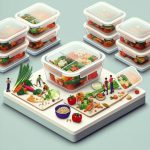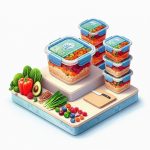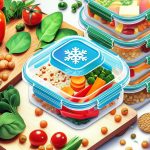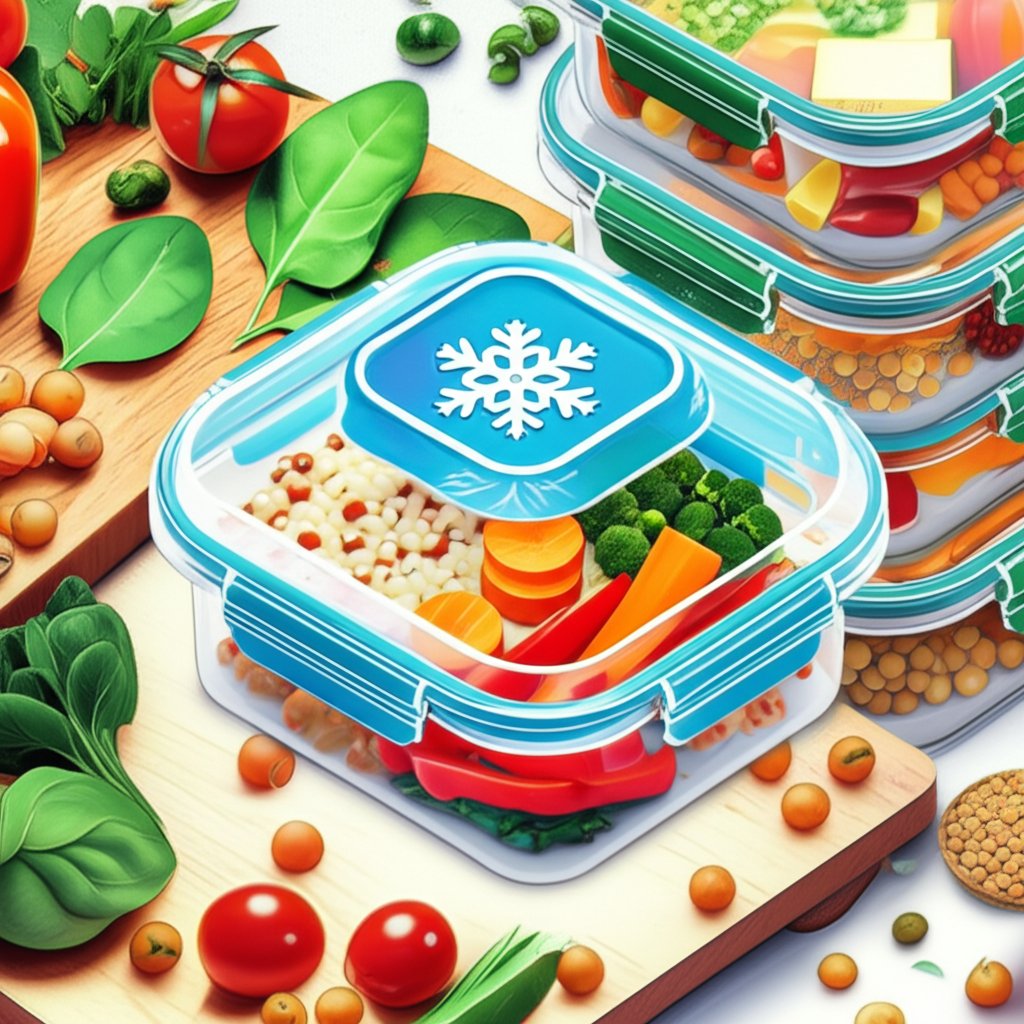
The 5 p.m. question hits like a tiny, daily existential crisis: “What’s for dinner?” You’re tired, you’re hungry, and the idea of chopping, sautéing, and simmering feels less like a joy and more like a job. This is the moment when takeout menus start to sing their siren song. But what if you had a secret weapon? A freezer stocked with delicious, homemade vegetarian freezer meals ready to save the day.
This isn’t about sad, sodium-packed TV dinners. This is about taking control of your weeknights with vibrant vegetable lasagnas, hearty black bean chilis, and flavorful curries that you made yourself. It’s about giving your future self the gift of a nourishing, home-cooked meal, with all of the hard work already done.
At a Glance: Your Quick Guide to Freezer Meal Success
Pressed for time? Here’s what you need to know to get started.
- Why It’s Worth It: Freezer cooking saves time, reduces food waste, helps you control ingredients (like salt and sugar), and is significantly cheaper than ordering in or buying pre-made meals.
- The Best Foods to Freeze: Soups, stews, chilis, curries, casseroles (lasagna, enchiladas), baked pasta, veggie burgers, falafel, and breakfast burritos are all freezer all-stars.
- The “Do Not Freeze” List: Avoid freezing dishes heavy with high-moisture vegetables (like cucumber or lettuce), delicate greens, fried foods, and cream-based sauces that can separate.
- The Golden Rule of Freezing: Cool food completely before freezing. This is the single most important step to prevent ice crystals and freezer burn.
- Storage Smarts: Use airtight, freezer-safe containers. Label everything with the dish name and the date you made it. Most meals are best eaten within 2-3 months.
More Than Just Convenience: The Real Wins of a Stocked Freezer
Let’s be clear: the convenience is a huge perk. But the benefits of embracing vegetarian freezer meals go much deeper than just dodging the dinner rush.
Save Your Time (and Sanity)
The core principle of freezer cooking is “cook once, eat many times.” By dedicating a couple of hours on a weekend to batch-prepping, you buy back hours of your time during the busy week. Instead of a 45-minute scramble, dinner is 10 minutes of reheating away. This simple shift can dramatically lower your daily stress levels.
Eat Healthier, Effortlessly
Store-bought frozen dinners are often loaded with sodium, preservatives, and ingredients you can’t pronounce. When you make your own, you are the head chef. You control the quality of the vegetables, the amount of salt, and the type of fat. It’s a direct path to a healthier diet without having to think about it every single night.
Keep More Money in Your Wallet
Think about the cost of a last-minute food delivery or a cartful of pre-made “convenience” foods. It adds up quickly. Many of the most freezer-friendly vegetarian ingredients—beans, lentils, rice, and seasonal vegetables—are also some of the most affordable. A big pot of black bean chili can cost less than $10 to make and yield 6-8 hearty portions.
Waste Less, Enjoy More
See those carrots starting to look a little sad? Is that bunch of cilantro on its last legs? Freezer cooking is the ultimate solution to food waste. Instead of letting produce wilt in the crisper drawer, you can cook it into a beautiful soup or casserole, preserving its nutrients and flavor for a future meal.
Your Freezer’s Greatest Hits: The Best Vegetarian Meals to Stockpile
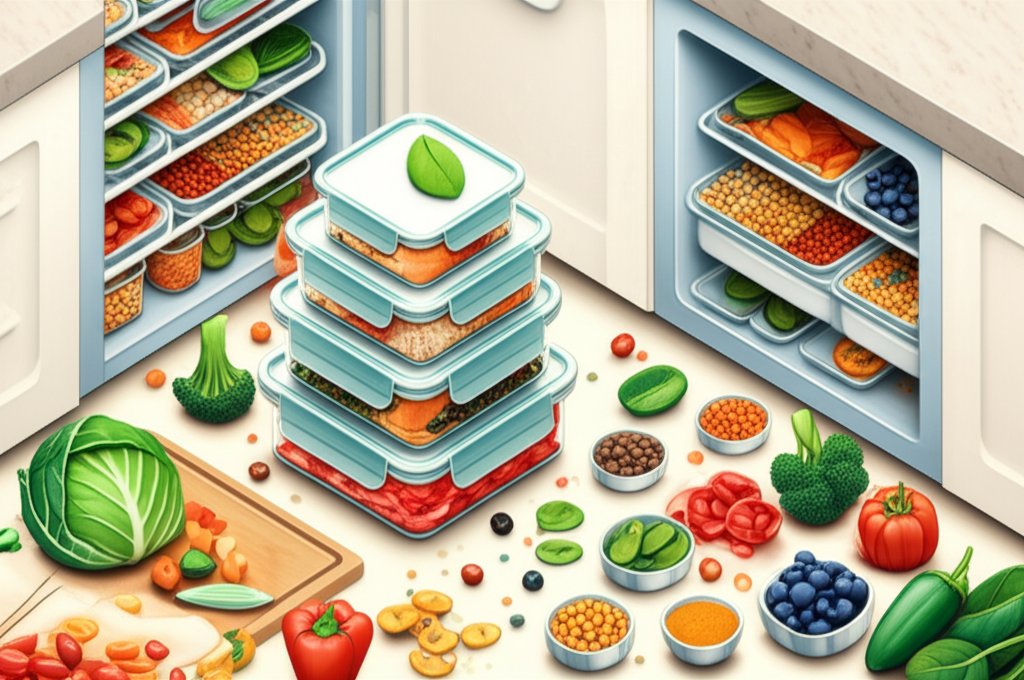
Not all meals are created equal when it comes to standing up to the cold. The best candidates have a bit of moisture and are structurally sound. Here are the categories that consistently deliver fantastic results.
Hearty Soups, Stews, and Chilis
This is the undisputed king of freezer cooking. Soups and stews often taste even better after being frozen, as the flavors have more time to meld and deepen.
- Examples: Lentil soup, black bean chili, three-bean stew, minestrone (hold the pasta and add it when reheating), and split pea soup.
- Pro Tip: For soups containing dairy or coconut milk, it’s best to add it during the reheating process to prevent separation or curdling. Many exclusively plant-based soups are even easier, which is why Easy vegan freezer meals are often a great starting point.
Crowd-Pleasing Casseroles and Bakes
Layered, baked dishes are practically designed for the freezer. They can be assembled and frozen before baking, or baked first and then frozen.
- Examples: Vegetable lasagna, black bean enchiladas, vegetarian shepherd’s pie with a mashed sweet potato topping, and baked ziti or stuffed shells.
- Pro Tip: If freezing an unbaked casserole, you can bake it directly from frozen. Just add about 20-30 minutes to the original baking time and keep it covered with foil for the first half to prevent the top from burning.
Plant-Powered Proteins
Don’t forget the main event. Having a stash of ready-to-go plant-based proteins makes building a quick meal a breeze.
- Examples: Homemade black bean burgers, baked falafel patties, or lentil “meatballs.”
- Pro Tip: For burgers and patties, freeze them flat on a baking sheet first. Once they’re solid, you can transfer them to a freezer bag. This “flash freezing” method prevents them from sticking together in a giant clump.
Curries, Grains, and Pastas
Many global dishes are perfect for freezing. Curries are similar to stews in that their flavors only improve with time.
- Examples: Chickpea and spinach curry, red lentil dahl, or large batches of cooked quinoa, farro, or brown rice to use as a base for future meals.
- Pro Tip: If making a pasta dish, slightly undercook the pasta before freezing. It will finish cooking during the reheating process, preventing it from turning to mush. You can find many versatile pasta-based Vegan freezer meal recipes that follow this principle.
The Un-Freezables: Foods to Keep Out of the Cold
To avoid disappointment and a soggy dinner, it’s wise to know which foods don’t fare well in the freezer. The main culprits are foods with high water content or delicate textures.
- High-Moisture Vegetables: Cucumbers, radishes, lettuce, and fresh tomatoes will turn into a mushy, watery mess upon thawing. It’s best to add these fresh when you serve the meal.
- Cream-Based Sauces: Sauces made with heavy cream, milk, or yogurt have a tendency to separate and become grainy when reheated.
- Certain Dairy Products: Soft cheeses like ricotta or cottage cheese can become watery. Hard cheeses like cheddar or mozzarella generally freeze much better.
- Fried Foods: The crispy, crunchy coating on fried foods will become soggy and sad once thawed.
- Raw Potatoes: When frozen raw, potatoes can develop a sweet taste and an unpleasantly grainy texture. However, cooked potatoes (as in a shepherd’s pie or stew) freeze perfectly well.
The Art of the Freeze: Your Step-by-Step Guide to Perfect Preservation
How you freeze your food is just as important as what you freeze. Following these steps will protect your meals from the dreaded freezer burn and ensure they taste just as good as the day you made them.
Step 1: Cool It Down, Completely
This is non-negotiable. Placing hot food directly into the freezer will raise the ambient temperature, potentially partially thawing other items. More importantly, it creates steam, which then turns into large ice crystals on your food. These crystals are the enemy—they damage the food’s texture and cause freezer burn. Let your meals cool to room temperature on the counter, or speed up the process by placing the pot in an ice bath in the sink.
Step 2: Choose Your Container Wisely
Air is the main cause of freezer burn. Your goal is to use a container that allows for the least amount of air exposure.
- Glass Containers: Reusable, microwave- and oven-safe, and non-porous. Look for brands specifically designed for freezer use (like Pyrex).
- Mason Jars: Excellent for soups and stews. Be sure to leave at least an inch of “headspace” at the top to allow for expansion as the liquid freezes.
- Silicone Bags: Reusable, flexible, and space-saving. Great for everything from muffins to marinara sauce.
- Freezer-Safe Plastic Bags: A good budget option. Squeeze out as much air as possible before sealing. They are perfect for freezing items flat to save space.
Step 3: Portion Like a Pro
Think about how you’ll be eating the meal. Freezing a giant eight-serving lasagna is great for a dinner party, but not so useful for a solo lunch. Portion out meals into single or double servings so you can thaw only what you need. A solid Vegan freezer meal prep guide always emphasizes this step for maximum convenience.
Step 4: Banish Freezer Burn
For casseroles or baked goods in a dish, an extra layer of protection goes a long way. After the dish has cooled, press a layer of plastic wrap directly onto the surface of the food to eliminate air pockets. Then, cover the dish tightly with a lid or a layer of heavy-duty aluminum foil.
Step 5: Label Everything. No, Really.
You might think you’ll remember what that red sauce is, but three months from now, it will be a mystery. Every single item that goes into your freezer needs a label with two key pieces of information:
- What it is (“Spicy Black Bean Chili”)
- The date it was frozen (“10/26/23”)
This prevents you from eating ancient meals and helps you rotate your stock, using the oldest items first.
Thawing and Reheating: Bringing Your Meals Back to Life
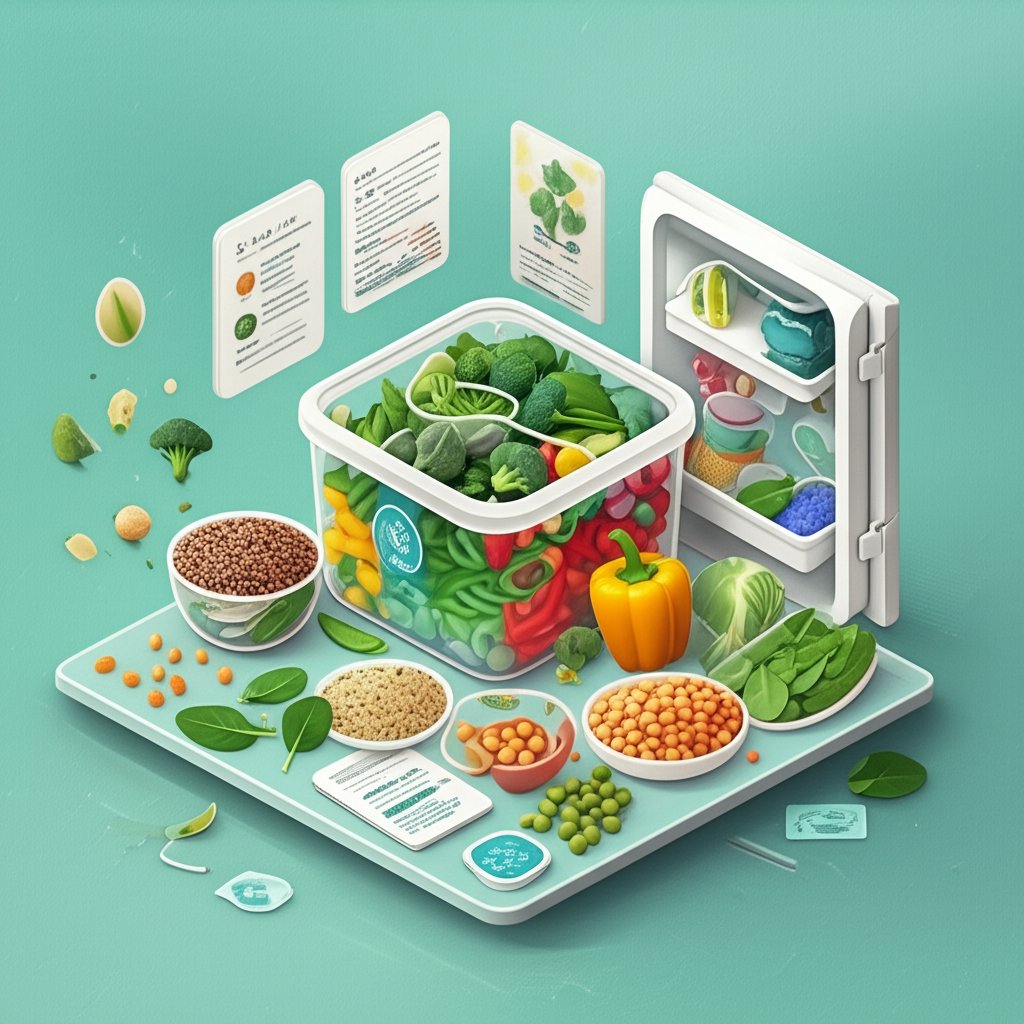
You’ve done the hard work; now it’s time for the delicious payoff. Your reheating method can make or break the final dish.
The Slow Thaw (Best for Texture)
The gold standard for most meals is to thaw them overnight in the refrigerator. This gradual process is gentler on the food’s structure, which is especially important for things like veggie burgers or casseroles.
The Direct Reheat (For When You’re in a Hurry)
Most soups, stews, chilis, and curries can be reheated directly from frozen. Simply pop the frozen block into a saucepan over low heat. As it begins to melt, you can stir it and increase the heat to bring it to a simmer. For oven-baked dishes like lasagna, you can also cook them from frozen, but you’ll need to increase the cooking time significantly.
Reheating Methods at a Glance
| Meal Type | Best Method | Runner-Up |
|---|---|---|
| Soups, Stews, Chilis | Stovetop | Microwave |
| Casseroles, Lasagna | Oven | Microwave (single portion) |
| Veggie Burgers, Falafel | Oven or Air Fryer | Pan-fry |
| Burritos | Oven (wrapped in foil) | Microwave |
| Cooked Grains | Microwave (with a splash of water) | Stovetop |
Your Freezer Meal FAQs, Answered
Let’s tackle some of the most common questions that come up on the journey to becoming a freezer-cooking pro.
How long do vegetarian freezer meals really last?
For best quality, aim to eat most meals within 2 to 3 months. While they are technically safe to eat for much longer, the flavor and texture can start to degrade over time. The label with the date is your best friend here.
Can I freeze meals with tofu or tempeh?
Yes, but be aware of the texture change. Freezing tofu gives it a chewier, spongier texture because the water inside it freezes and creates small pockets. Many people love this texture, as it’s great at soaking up marinades and sauces. Tempeh freezes very well with minimal texture change.
What about meals with cheese? Does it get weird?
Hard cheeses like cheddar and mozzarella freeze exceptionally well. As mentioned, softer cheeses like ricotta can become watery. If a lasagna recipe calls for ricotta, it will be fine once baked, but freezing a tub of ricotta on its own isn’t recommended. If you’re avoiding dairy, you might prefer to explore some specifically designed Easy vegan freezer meals instead.
My soup separated after reheating. What did I do wrong?
You probably didn’t do anything wrong! This is common with soups containing coconut milk, regular milk, or cream. The fat can separate from the liquid when frozen. The fix is usually simple: reheat the soup gently over low heat and whisk it vigorously. Often, it will come back together into a smooth, creamy consistency. This is a common challenge that a good Vegan freezer meal prep plan accounts for.
Your First Freezer Meal Prep Day: A Simple Action Plan
Feeling inspired but a little overwhelmed? Don’t try to fill your entire freezer in one day. Start small and build momentum.
- Choose Two Recipes. Pick one easy recipe you know and love (like a simple lentil soup) and maybe one that’s slightly more involved (like black bean enchiladas). This keeps it manageable.
- Make Your List and Shop. A day or two before your prep day, make a detailed grocery list. Check your pantry for staples like spices, canned beans, and onions before you go.
- Block Out the Time. Set aside a 2-3 hour window on a Saturday or Sunday. Put on some music or a podcast and treat it as a productive, relaxing activity rather than a chore.
- Cook, Cool, and Pack. Follow the recipes and our freezing best practices. Get everything cooked, then let it cool completely while you clean up. Once cool, portion it into your labeled containers and get it in the freezer.
- Enjoy Your Freedom. The next time a busy Tuesday rolls around, you’ll open your freezer and feel a wave of relief. That feeling is the real reward.
Investing a little time upfront is the heart of creating delicious Make-ahead vegetarian meals. Once you get into the rhythm, you’ll wonder how you ever managed your weeknights without your trusty stash of home-cooked food, ready and waiting.

- Master Vegan Freezer Meal Prep to Simplify Your Busy Schedule - June 18, 2026
- Vegan Freezer Cooking Simplifies Healthy Meals on Busy Nights - June 17, 2026
- Vegetarian Freezer Recipes for Effortless Meal Prep and Delicious Dinners - June 16, 2026