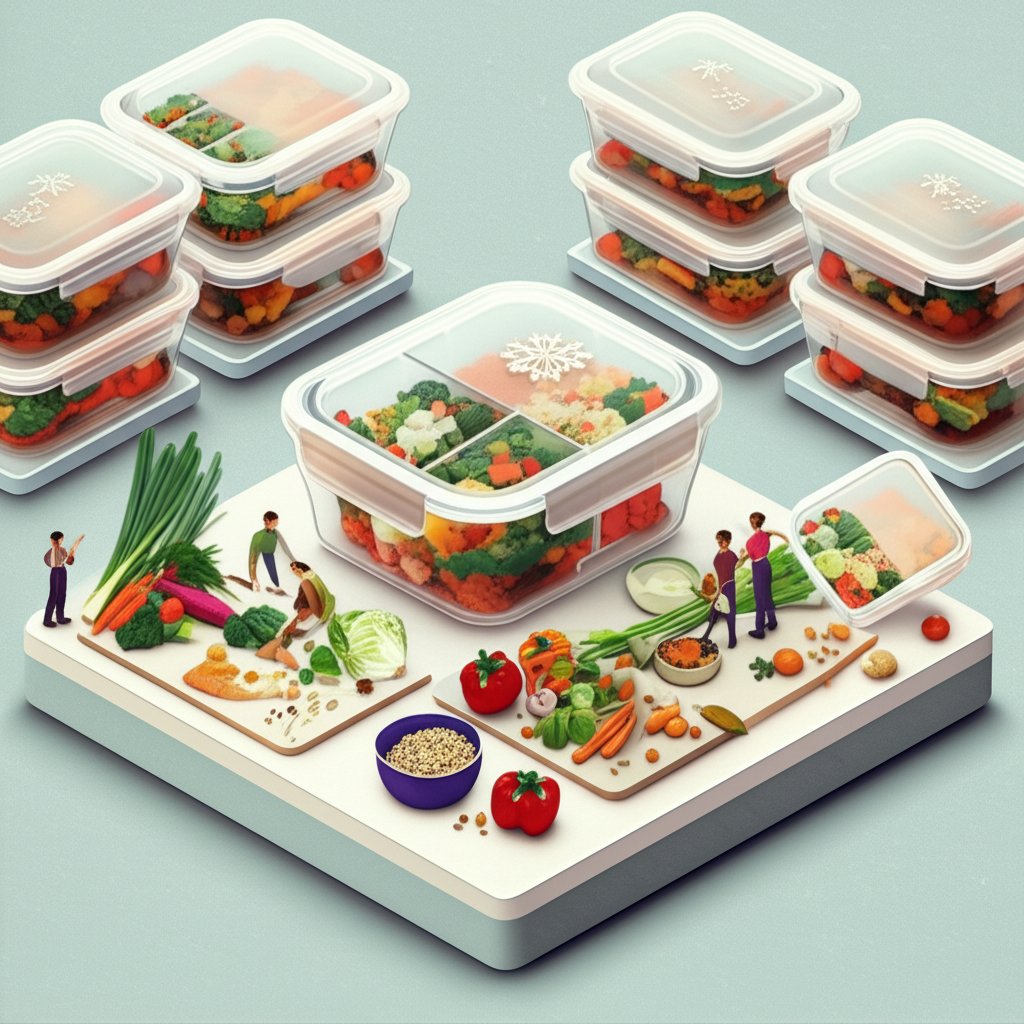
That 5 PM feeling of dread is all too familiar. You’re tired, you’re hungry, and the thought of chopping, sautéing, and cleaning up just to get a healthy vegan dinner on the table feels impossible. Too often, the solution is expensive takeout or a bowl of cereal. But what if you could have a hearty, home-cooked meal ready in minutes? With the right strategy, your freezer can become your personal chef, stocked with delicious vegan freezer meals recipes that rescue your weeknights.
This isn’t about sacrificing flavor for convenience. It’s about being smarter with your time, so you can enjoy incredible plant-based meals like Lentil Shepherd’s Pie or Black Bean Enchiladas, even on your busiest days.
At a Glance: Your Quick Guide to Mastering Vegan Freezer Meals
- The “Freeze-Well” Formula: Learn which vegan ingredients (like lentils, beans, and sturdy veggies) are freezer champions and which to avoid (like cucumbers and creamy, starchy sauces).
- Master the Method: Discover the simple but crucial steps for prepping, cooling, and packaging your meals to prevent ice crystals and freezer burn.
- 5 Foolproof Recipes: Get starter recipes for dishes that taste even better after being frozen, from veggie burgers to rich curries.
- Avoid Common Pitfalls: Understand why some meals turn mushy or bland and how to prevent it with simple techniques.
- Build a Simple Prep Plan: Learn how to stock your freezer without spending an entire weekend in the kitchen.
Beyond the Basics: What Makes a Vegan Meal Freezer-Friendly?
The myth that plant-based foods don’t freeze well is born from a few bad experiences. A frozen-and-thawed salad is a soggy tragedy, it’s true. But hearty vegan ingredients are incredibly well-suited for freezing. The trick is knowing what works.
Vegan freezer cooking shines with dishes built on a foundation of legumes (lentils, chickpeas, black beans), grains, and sturdy vegetables like root veggies, corn, and peas. These ingredients hold their texture remarkably well. The real challenge comes from high water content and delicate textures.
Many of the core principles for successful meal prep overlap with broader food prep strategies. While you can get a great overview in Your vegetarian freezer guide, vegan cooking requires a few specific tweaks to maintain its signature texture and flavor. For instance, knowing how to create a creamy sauce that won’t separate or how to prep tofu so it freezes perfectly is key.
The Vegan Freezer Prep Playbook: From Kitchen to Freezer
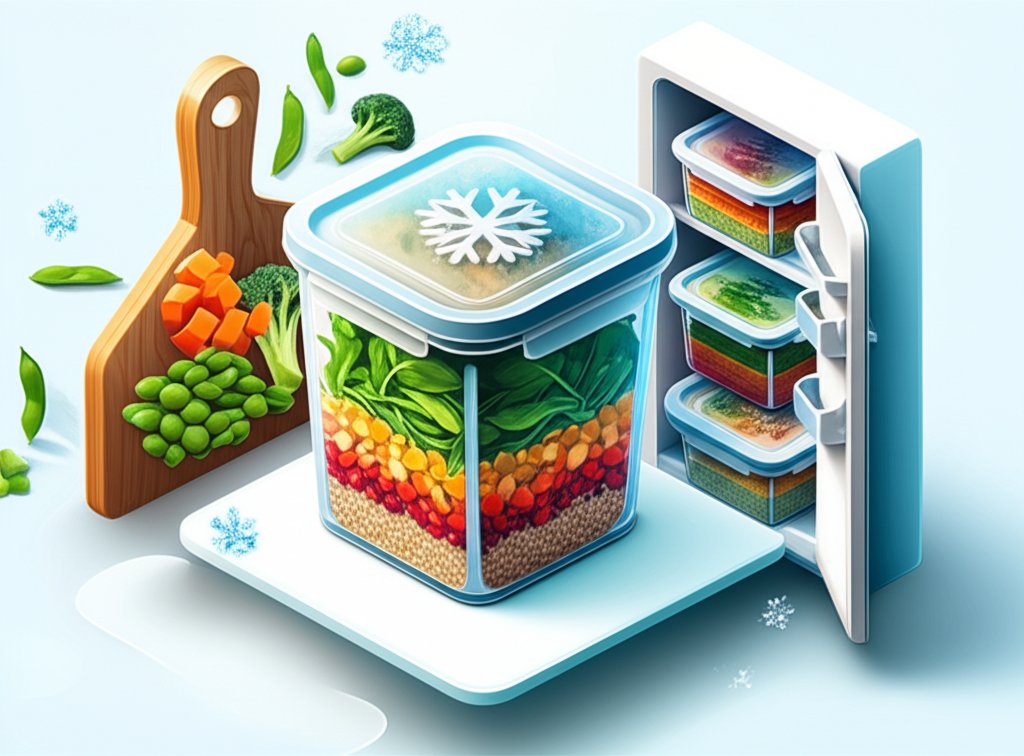
Success isn’t about having the fanciest equipment; it’s about following a reliable process. These three steps are your foundation for building a freezer full of delicious, ready-to-heat meals.
Step 1: Choose Your Champion Recipes
Start by focusing on recipes that are naturally freezer-friendly. Don’t try to force a delicate summer roll into a freezer bag. Instead, lean into comforting, robust dishes.
Best Bets for Freezing:
- Soups, Stews, Chilis, and Curries: These are the undisputed champions. Their flavors often deepen and improve after being frozen and reheated. Think Red Lentil Curry or a hearty Black Bean Chili.
- Casseroles and Bakes: Dishes like lentil lasagna, shepherd’s pie, and baked ziti are perfect. You can assemble them completely and bake them straight from the freezer.
- Burgers, “Meatballs,” and Falafel: Form these and freeze them raw on a baking sheet before transferring them to a bag. They can be cooked directly from frozen, making for an incredibly fast meal.
- Burritos and Enchiladas: A well-wrapped burrito is a perfect handheld meal. The key is a relatively “dry” filling to prevent the tortilla from getting soggy.
What to Approach with Caution: - Creamy Sauces: Sauces thickened with cornstarch or flour can separate and become grainy upon reheating. Instead, opt for sauces built on blended cashews, white beans, or full-fat coconut milk, which stay creamy.
- Fully Cooked Pasta and Rice: These can become soft and mushy. The pro move is to slightly undercook them so they finish cooking to a perfect al dente texture during reheating.
- High-Water-Content Vegetables: Raw tomatoes, cucumbers, and lettuce will turn into a watery mess. It’s best to add these fresh after reheating your meal.
Step 2: The “Undercook a Little, Cool Down a Lot” Method
Two small adjustments during prep make a huge difference in the final product.
First, undercook anything that can get mushy. If your pasta package says to cook for 10 minutes, pull it out at 8. If you’re adding chunks of potato or carrots to a stew, leave them with a little bite. They will soften further during the freezing and reheating process.
Second, and most critically, cool your food completely before it goes into the freezer. Placing hot food in the freezer creates steam, which then turns into ice crystals. These crystals are the enemy—they damage the food’s cellular structure, leading to a mushy texture. To speed up cooling, spread stews, sauces, or chili in a thin layer on a baking sheet and pop it in the fridge for 20-30 minutes.
Step 3: Package Like a Pro to Banish Freezer Burn
Freezer burn happens when air comes into contact with your food, causing dehydration and oxidation. The right packaging is your best defense.
- Airtight Containers: Glass containers with locking lids are excellent for casseroles, soups, and stews. They are reusable, oven-safe, and non-porous.
- Silicone Bags or Molds: Reusable silicone bags are great for minimizing air contact. For soups and sauces, consider portioned silicone molds (like Souper Cubes). You can freeze perfect 1- or 2-cup blocks, then pop them out and store them in a larger bag, saving space.
- The Double-Wrap: For burritos, veggie burgers, or enchiladas, wrap each item tightly in plastic wrap or parchment paper, then wrap it again in aluminum foil. This two-layer system is a nearly foolproof barrier against air.
- Label Everything: Your future self won’t remember what that frozen brown block is. Use a piece of masking tape and a marker to label each item with:
- Name of the dish
- Date it was frozen
- Simple reheating instructions (e.g., “Bake at 375°F for 45 mins from frozen”)
5 Foolproof Vegan Freezer Meals Recipes to Get You Started
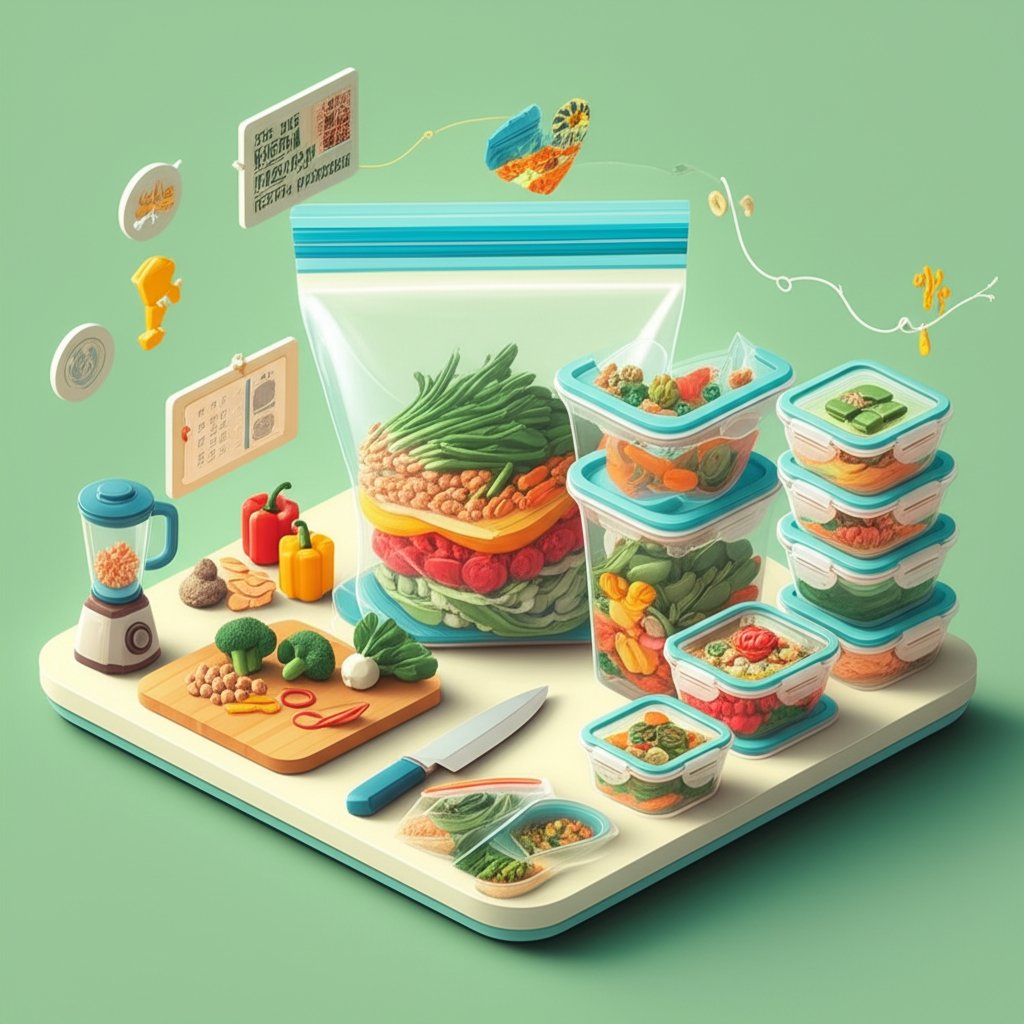
Here are five reliable formulas you can adapt. The focus isn’t just on the ingredients, but on the specific techniques that make them freeze perfectly.
1. Hearty Lentil Shepherd’s Pie
This is the ultimate comfort food. A rich, savory lentil and vegetable base is topped with creamy mashed potatoes.
- The Base: Sauté onions, carrots, and celery. Add brown or green lentils, vegetable broth, tomato paste, and herbs like thyme and rosemary. Simmer until the lentils are tender but not falling apart.
- The Topping: Make your favorite mashed potatoes or mashed sweet potatoes. Use unsweetened plant milk and vegan butter for richness.
- Freezer Tip: For the best texture, freeze the lentil base and the mashed potato topping in separate containers. When ready to eat, thaw them, assemble in an oven-safe dish, and bake until hot and bubbly. For convenience, you can also freeze it fully assembled; just be aware the potatoes may be slightly waterier upon reheating.
2. Black Bean & Sweet Potato Enchiladas
These enchiladas are packed with flavor and protein, and they hold up beautifully to freezing.
- The Filling: Combine roasted sweet potato chunks, black beans, corn, and a blend of chili powder and cumin. This “drier” filling is key to avoiding soggy tortillas.
- The Sauce: Use your favorite store-bought or homemade red enchilada sauce.
- Freezer Tip: Assemble the enchiladas by rolling the filling in tortillas and placing them seam-side down in a baking dish. Do not add the sauce. Tightly cover and freeze the dish of rolled enchiladas. Freeze the sauce separately. To reheat, pour the thawed (or frozen) sauce over the frozen enchiladas and bake.
3. “Cook from Frozen” Veggie Burgers
Homemade veggie burgers are cheaper and healthier than store-bought, and they are one of the best vegan freezer meals recipes.
- The Base: Combine a can of mashed black beans with a cup of cooked quinoa or brown rice, sautéed onion and garlic, breadcrumbs, and seasonings like smoked paprika and garlic powder.
- Freezer Tip: Form the mixture into patties. Place them in a single layer on a parchment-lined baking sheet and freeze until solid, about 1-2 hours. Once frozen, transfer the patties to a freezer bag. This “flash freezing” prevents them from sticking together, so you can grab just one or two at a time. Cook them directly from frozen on the stovetop or grill.
4. Creamy (but Creamless) Tomato Soup
A creamy tomato soup that doesn’t rely on dairy or starch is a freezer superstar.
- The Secret: The creaminess comes from blending in 1/2 cup of raw, soaked cashews or a can of cannellini beans at the end of cooking. These healthy fats and proteins create a stable emulsion that won’t break or separate when reheated.
- Freezer Tip: Let the soup cool completely, then pour it into freezer-safe jars (leaving at least an inch of headspace at the top for expansion) or individual silicone molds. It reheats perfectly on the stovetop.
5. West African Peanut Stew
This stew is a flavor bomb, and those flavors only get better after being frozen.
- The Profile: Build the stew with a base of onion, ginger, and garlic. Add vegetable broth, a can of crushed tomatoes, creamy peanut butter, and hearty vegetables like sweet potatoes and carrots.
- Freezer Tip: This stew freezes beautifully. The one small trick is to hold back any delicate greens. If the recipe calls for kale or spinach, leave it out before freezing. Stir in fresh greens during the last few minutes of reheating on the stove.
Quick Answers to Common Vegan Freezer Meal Questions
Q: Do I need special equipment to make vegan freezer meals?
No, you can absolutely get started with what you have. Good-quality airtight containers are the most important thing. If you find yourself freezing a lot of soups or stews, tools like portioned silicone freezer trays (e.g., Souper Cubes) can be a fantastic investment for easy portioning and space-saving storage, but they aren’t essential.
Q: Is it true that tofu and tempeh get weird when frozen?
This is a fantastic myth to bust. Freezing tofu actually improves its texture for many recipes! Freezing and thawing tofu presses out excess water, giving it a chewier, firmer, and more porous texture that is amazing at soaking up marinades. Just press the tofu, cube it, and freeze it. Tempeh also freezes and thaws with no negative effects on its texture or taste.
Q: How long do vegan freezer meals last?
For the best quality and flavor, aim to eat most meals within 2-3 months. Hearty soups, stews, and chilis can last up to 6 months if packaged properly to prevent freezer burn. Always label with the date so you can follow the “first in, first out” rule.
Q: Can I freeze meals with plant-based milks or cheeses?
Yes, but with a few caveats. As mentioned, sauces creamy from blended nuts or beans freeze much better than those thickened with starch. Most shredded vegan cheeses freeze and melt just fine. Some thinner plant milks (like almond or soy) may separate a bit in a soup, but a vigorous stir while reheating will usually bring them back together.
Your First Vegan Freezer Prep Session: A Simple Action Plan
Feeling overwhelmed? Don’t be. You don’t need to spend an entire Sunday prepping 20 meals. Start small and build momentum.
- Pick ONE Recipe to Double. This week, when you’re making dinner, choose a recipe that freezes well (like the peanut stew or a big pot of chili). Simply double the ingredients. Serve one half for dinner that night and freeze the other half.
- Audit Your Containers. Before you cook, check your cupboards. Do you have a freezer-safe container with a tight-fitting lid ready for that second batch?
- Cool and Label. After dinner, let the extra portion cool completely on the counter. Once cool, transfer it to your container, pop on a label with the name and date, and place it in the freezer.
- Cash In Your Prize. The next time a busy weeknight hits, simply pull your meal from the freezer, reheat it, and enjoy the peace of mind you created.
That’s it. You’ve just gifted your future self a delicious, stress-free meal. Start with this one-meal-at-a-time approach, and soon you’ll have a rotating stock of your favorite vegan freezer meals recipes ready to go. The calm that comes with a well-stocked freezer is just one cooking session away.

- Master Vegan Freezer Meal Prep to Simplify Your Busy Schedule - June 18, 2026
- Vegan Freezer Cooking Simplifies Healthy Meals on Busy Nights - June 17, 2026
- Vegetarian Freezer Recipes for Effortless Meal Prep and Delicious Dinners - June 16, 2026