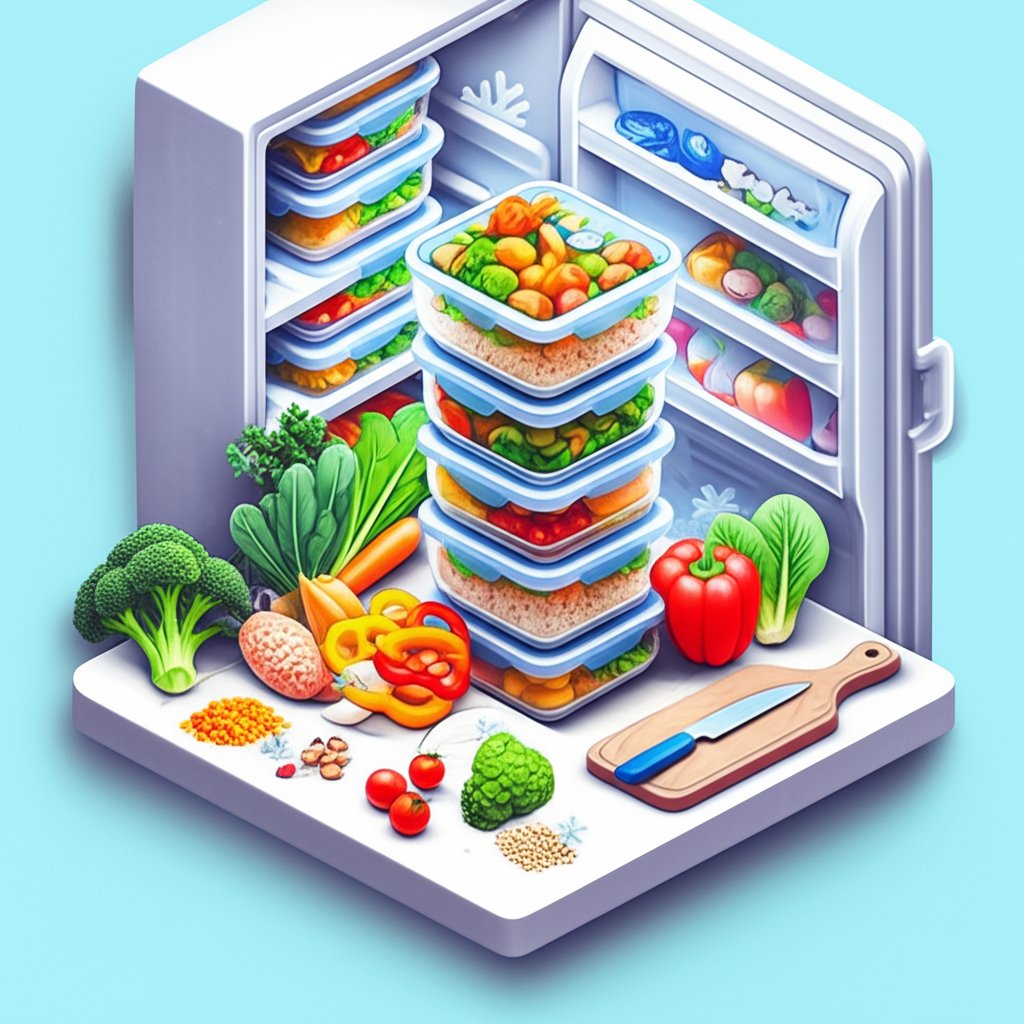
There’s a special kind of weeknight panic that sets in around 5 PM. You’re tired, you’re hungry, and the idea of chopping vegetables feels like a monumental task. This is where smart, delicious vegetarian freezer recipes transform your kitchen from a source of stress into a library of ready-made solutions. Forget the high-sodium, bland options from the grocery store aisle; building your own stash of freezer meals is your secret weapon for eating well on your own terms.
This isn’t just about freezing leftovers. It’s about a strategic approach to cooking that saves you time, money, and mental energy, ensuring a flavorful, plant-based dinner is always just minutes away.
At a Glance: Your Freezer Meal Playbook
- Identify the Winners: Learn which vegetarian ingredients freeze beautifully and which to avoid for best results.
- Master the Technique: Uncover the simple methods to prevent freezer burn and lock in flavor and texture.
- Think in Components: Discover why freezing sauces, grains, and fillings separately is often better than freezing whole casseroles.
- Get Actionable Recipes: Find specific, kitchen-tested ideas for breakfasts, mains, and soups you can make this weekend.
- Solve Common Problems: Get clear, expert answers to your most pressing freezer questions about tofu, pasta, and reheating.
The Freezer-Friendly Mindset: Beyond Just Leftovers
The most effective freezer meal prep isn’t about cooking seven complete, distinct meals every Sunday. That’s a recipe for burnout. A more sustainable approach is to think in components—the building blocks you can mix and match later. This gives you flexibility and makes you feel less like you’re eating the same thing all week.
For example, instead of making and freezing a whole black bean enchilada casserole (which can get a bit soggy), try freezing the three core components separately:
- A container of seasoned black bean and corn filling.
- A jar of your homemade enchilada sauce.
- A bag of shredded cheese (hard cheeses like cheddar freeze well).
Now, on a busy Tuesday, you just have to assemble tortillas with your pre-made parts and bake. This component-based strategy is a cornerstone of creating Easy vegetarian freezer meals that don’t compromise on quality.
What Freezes Flawlessly (and What to Avoid)
Success with vegetarian freezer recipes starts with knowing your ingredients. Some foods become even better after a deep chill, while others turn into a science experiment you’d rather not eat. According to the USDA, frozen food is safe to eat indefinitely, but for the best taste and texture, aim to use your meals within 2 to 3 months.
Here’s a quick guide to what works and what doesn’t.
| Category | Freeze with Confidence (The “Yes” List) | Freeze with Caution (The “It Depends” List) | Avoid Freezing (The “No” List) |
|---|---|---|---|
| Proteins | Cooked beans, lentils, chickpeas, veggie burger patties, seitan, crumbled tofu. | Cubed/pressed tofu & tempeh (texture changes), hard cheeses like cheddar (can get crumbly). | Hard-boiled eggs, silken tofu, soft cheeses like ricotta or cottage cheese. |
| Vegetables | Corn, peas, broccoli florets, hearty greens (kale, chard-blanch first), bell peppers, onions, cooked squash puree. | Potatoes (can become grainy; best in stews), mushrooms (can get rubbery; sauté first). | High-water-content veggies like lettuce, cucumber, celery, raw tomatoes. |
| Grains/Pasta | Cooked quinoa, brown rice, farro, barley, baked pasta dishes. | Pasta (must be cooked very al dente to avoid mushiness upon reheating). | Freshly cooked, soft pasta. |
| Prepared Meals | Soups, stews, chilis, curries, tomato-based sauces, enchiladas, burritos, lasagna, baked goods (muffins, pancakes, waffles). | Dishes with a small amount of dairy cream (may need re-whisking). | Mayonnaise- or cream-cheese-based dishes, fried foods, gravies thickened with cornstarch. |
The Art of Freezing: Techniques to Preserve Flavor and Texture
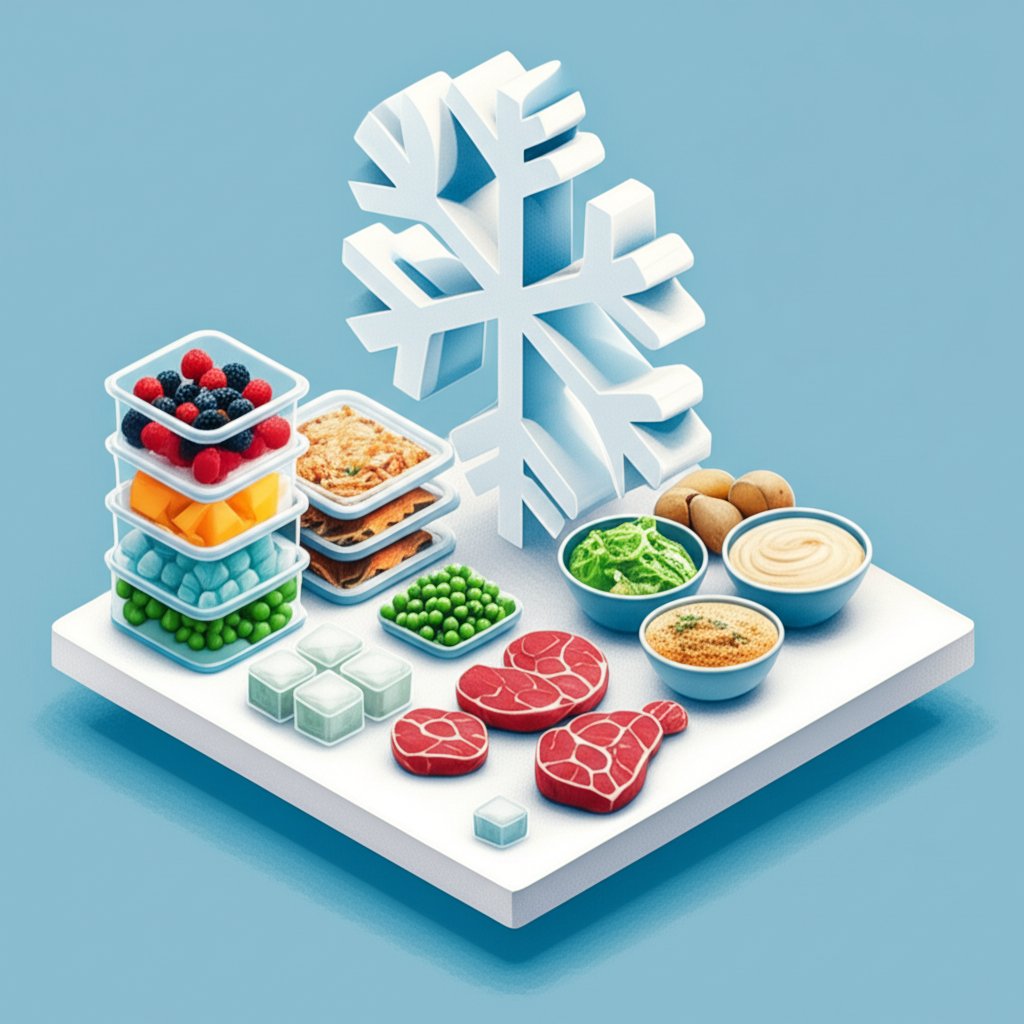
How you freeze your food is just as important as what you freeze. Your goal is to minimize the food’s exposure to its two biggest enemies: air and ice crystals. Air causes freezer burn (which is just dehydration), and large ice crystals ruin texture.
Your Toolkit for Preventing Freezer Burn
Follow these steps for food that tastes as good in two months as it did on day one.
- Cool Completely: Never put hot food directly into the freezer. The steam will create condensation and large ice crystals. Let dishes cool to room temperature on the counter, then chill them in the fridge before moving them to the freezer.
- Choose the Right Container: Use containers designed for the freezer.
- Glass Jars/Containers: Excellent for liquids like soup and sauce. Always leave at least an inch of headspace at the top to allow for expansion as the liquid freezes, preventing the glass from cracking.
- Silicone Bags or Pouches: Reusable and fantastic for soups, stews, and sauces. You can lay them flat to freeze, creating space-saving “bricks.”
- Freezer-Safe Plastic Bags: A budget-friendly option. The key is to remove as much air as possible before sealing.
- Banish the Air: For bags, lay them on the counter and gently press the air out from the bottom toward the seal before closing it completely. For an extra measure, you can seal the bag almost all the way, insert a straw, suck out the remaining air, and quickly finish the seal.
- Double-Wrap for a Reason: For solid items like burritos, veggie burgers, or a loaf of vegan shepherd’s pie, a double barrier is your best defense. Wrap each item tightly in plastic wrap or parchment paper, then wrap it again in aluminum foil. This provides a tight seal against air.
- Label Everything: This is non-negotiable. Use a permanent marker to label every container or bag with the name of the dish and the date it was frozen. Your future self will thank you.
The “Flash Freeze” Trick for Individual Portions
Tired of freezing a dozen veggie burgers only to have them meld into one giant, inseparable patty? The flash-freeze method is the solution.
Simply place individual items (pancakes, muffin-tin frittatas, falafel balls, uncooked veggie burger patties) on a parchment-lined baking sheet in a single layer. Freeze for 1-2 hours, or until solid to the touch. Once they’re frozen, you can toss them all into a single freezer bag. They won’t stick together, allowing you to grab exactly the portion you need.
A Recipe Blueprint: From Breakfast to Dinner
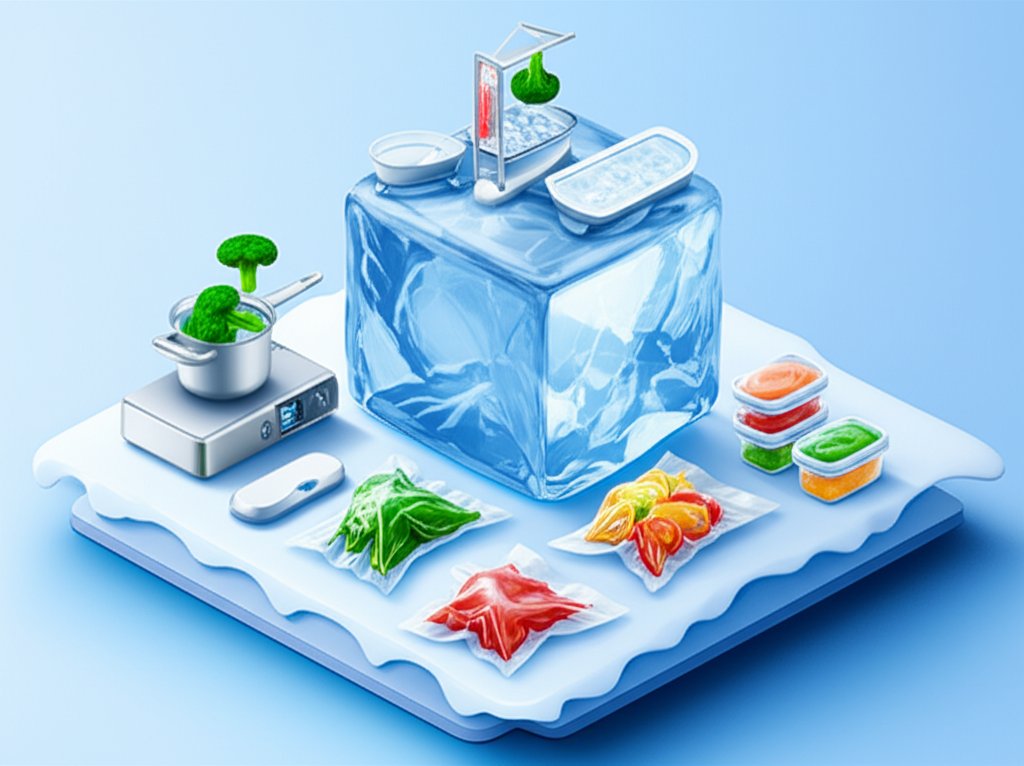
Ready to start cooking? Here are some foundational vegetarian freezer recipes and frameworks to get you started.
Breakfasts You Can Grab and Go
Mornings are chaotic. A frozen, pre-made breakfast is a game-changer.
- The Perfect Freezer Breakfast Burrito: The key is a relatively “dry” filling to prevent sogginess. Sauté scrambled tofu or eggs with black beans, diced cooked potatoes, corn, and spices. Let the mixture cool completely before adding shredded cheddar. Roll tightly in tortillas, then wrap individually in foil. To reheat, unwrap and microwave, or pop the foil-wrapped burrito into the oven or toaster oven.
- Baked Oatmeal Cups: Prepare your favorite baked oatmeal recipe, but bake it in a greased muffin tin instead of a casserole dish. Let the cups cool completely, then flash-freeze them on a baking sheet before transferring to a freezer bag. A couple of these microwaved for 60-90 seconds makes a hearty, instant breakfast.
Soups, Stews, and Curries That Get Better with Time
Liquid-based dishes are the undisputed champions of the freezer. The sauce or broth protects the other ingredients from drying out.
- Hearty Red Lentil Curry: Lentils freeze and reheat perfectly without getting mushy. Make a big batch of curry with a base of onions, garlic, ginger, and spices. Add lentils, vegetable broth, and a can of diced tomatoes. Simmer until tender. Pro Tip: Freeze the curry before adding any coconut milk or fresh cilantro. Stir those in while reheating on the stovetop for the best flavor and texture.
- Smoky Black Bean Soup: A simple puréed black bean soup is a freezer staple. It’s packed with protein and flavor. Freeze it in individual portions. When you reheat it, you can liven it up with fresh toppings like avocado, pico de gallo, a dollop of yogurt, or crushed tortilla chips.
Main Dishes to Rescue Your Weeknights
These recipes provide the foundation for a satisfying dinner without the prep work.
- The Ultimate Veggie Burger Patties: Create a firm patty using a base of beans, cooked quinoa or brown rice, breadcrumbs, and a binder like a flax egg. Mix in sautéed mushrooms and onions for deep flavor. Form the patties, flash-freeze them on a baking sheet, then stack them with squares of parchment paper in between inside a freezer bag. You can cook them directly from frozen on the stove or grill.
- Make-Ahead Vegan Lasagna: A full-meal freeze that works beautifully. The secrets are using a thick, less-watery marinara sauce and a firm tofu-based “ricotta” filling (blended firm tofu with nutritional yeast, lemon juice, and herbs). Assemble the lasagna in a freezer-safe dish, cover tightly with plastic wrap and foil, and freeze. Thaw in the fridge overnight before baking.
Your Freezer Questions, Answered
Navigating the nuances of vegetarian freezer recipes can bring up a few questions. Here are clear answers to the most common ones.
Can I really freeze tofu?
Yes, but expect a texture change—and that can be a good thing! When tofu freezes, the water inside it turns to ice crystals, creating small pockets. When it thaws, the water drains away, leaving the tofu spongier, chewier, and much better at absorbing marinades. It’s fantastic for dishes where you want a firm, meaty texture. Avoid freezing silken tofu.
How do I stop my frozen pasta from turning to mush?
The golden rule is to undercook your pasta. Boil it for about 2 minutes less than the package directions, so it’s still very firm (al dente). It will absorb liquid from the sauce and finish cooking during the reheating process. For best results, freeze your sauce separately and simply cook a fresh batch of pasta on the night you plan to eat.
What’s the best way to reheat frozen meals?
The best method depends on the food.
- For Soups, Stews & Curries: Thaw overnight in the fridge if possible, then gently reheat in a saucepan on the stove, stirring occasionally.
- For Casseroles (like Lasagna): Thawing overnight in the fridge is ideal. Bake, covered with foil, until hot and bubbly.
- For Burritos & Burgers: These can be reheated straight from the freezer. Use the oven for a crispier result or the microwave for speed.
- Microwave Tip: When reheating in the microwave, use a lower power setting (like 70%) and stir halfway through to ensure even heating and prevent hot spots and rubbery edges.
My cream-based soup separated after freezing. Can I fix it?
Often, yes. This happens because the fat emulsion breaks during the freezing process. To fix it, reheat the soup very slowly in a saucepan over low heat, whisking constantly. If it’s still separated, a few seconds with an immersion blender can often bring it back together. To avoid the issue altogether, freeze the soup base before adding dairy or coconut cream, and stir it in during the final reheat.
Your Quick-Start Freezer Prep Plan
Feeling inspired but not sure where to start? Here’s a simple, high-impact plan you can tackle in a few hours over the weekend.
Saturday: The “Big Cook”
Focus on making versatile components in large batches.
- Pick a Grain: Cook 3-4 cups of dry quinoa or brown rice. Let it cool completely, then portion it into 1- or 2-cup servings in freezer bags, pressing them flat for easy storage.
- Pick a Legume: Cook a large pot of black beans or chickpeas from dry (they have a better texture than canned and are cheaper). Portion and freeze.
- Pick a Sauce: Make a double batch of a robust marinara sauce or a versatile tikka masala base. Cool and freeze in 2-cup portions.
Sunday: The “Assembly”
Use your components to create ready-to-go meals.
- Make Burger Patties: In a bowl, mash 2 cups of your black beans. Mix with 1 cup of cooked quinoa, sautéed onions, spices, and a bit of breadcrumb. Form 6-8 patties. Flash-freeze on a baking sheet, then bag them.
- Make Burrito Fillings: Combine the remaining beans and rice with corn, salsa, and spices. Portion this filling into freezer bags. Now you’re just a tortilla away from a quick burrito bowl or burrito night.
- Portion Your Sauce: Ladle your cooled sauce into freezer-safe containers or bags.
With this minimal effort, your freezer is now stocked with the foundations for veggie burgers, grain bowls, pasta nights, and burritos.
A freezer full of thoughtfully prepared vegetarian recipes isn’t about perfection; it’s about kindness to your future self. It’s the ultimate tool for navigating busy schedules without sacrificing the joy of a delicious, home-cooked meal. Take an afternoon, fill your freezer, and reclaim your weeknights.

- Master Vegan Freezer Meal Prep to Simplify Your Busy Schedule - June 18, 2026
- Vegan Freezer Cooking Simplifies Healthy Meals on Busy Nights - June 17, 2026
- Vegetarian Freezer Recipes for Effortless Meal Prep and Delicious Dinners - June 16, 2026