For the bigger picture and full context, make sure you read our main guide on Once A Month Cooking Recipes Save Time And Stress.
That 5 PM feeling of dread is all too familiar. You’re tired, the kids are hungry, and the thought of figuring out dinner again feels like a monumental task. But imagine a different scenario: you walk to your freezer, pull out a ready-to-heat batch of Honey Chipotle Chicken or a hearty Beef Stroganoff, and have a delicious, home-cooked meal on the table with minimal effort. This isn’t a fantasy; it’s the reality of smart meal planning freezer meals, a strategy that transforms cooking from a daily chore into a one-time, high-impact event.
This isn’t about just stocking up on frozen pizzas. It’s a deliberate system for prepping real, wholesome food on your schedule, so you can reclaim your weeknights.
At a Glance: Your Freezer Meal Game Plan
In this guide, you’ll discover how to master the art of freezer meal planning. Here’s what you can expect to walk away with:
- A Simple 4-Step Framework: A clear, repeatable process for planning, prepping, and storing your freezer meals.
- The “Best & Worst” List: Learn which ingredients freeze beautifully and which to avoid to prevent texture and flavor disasters.
- Pro-Level Batching Techniques: How to strategically overlap ingredients and tasks to save maximum time and money.
- Foolproof Freezing and Thawing: Best practices to ensure your meals taste just as good as the day they were made.
- Quick Answers to Common Questions: Solutions for blandness, freezer burn, and getting started without feeling overwhelmed.
Why Freezer Meal Planning Is a Weeknight Game-Changer
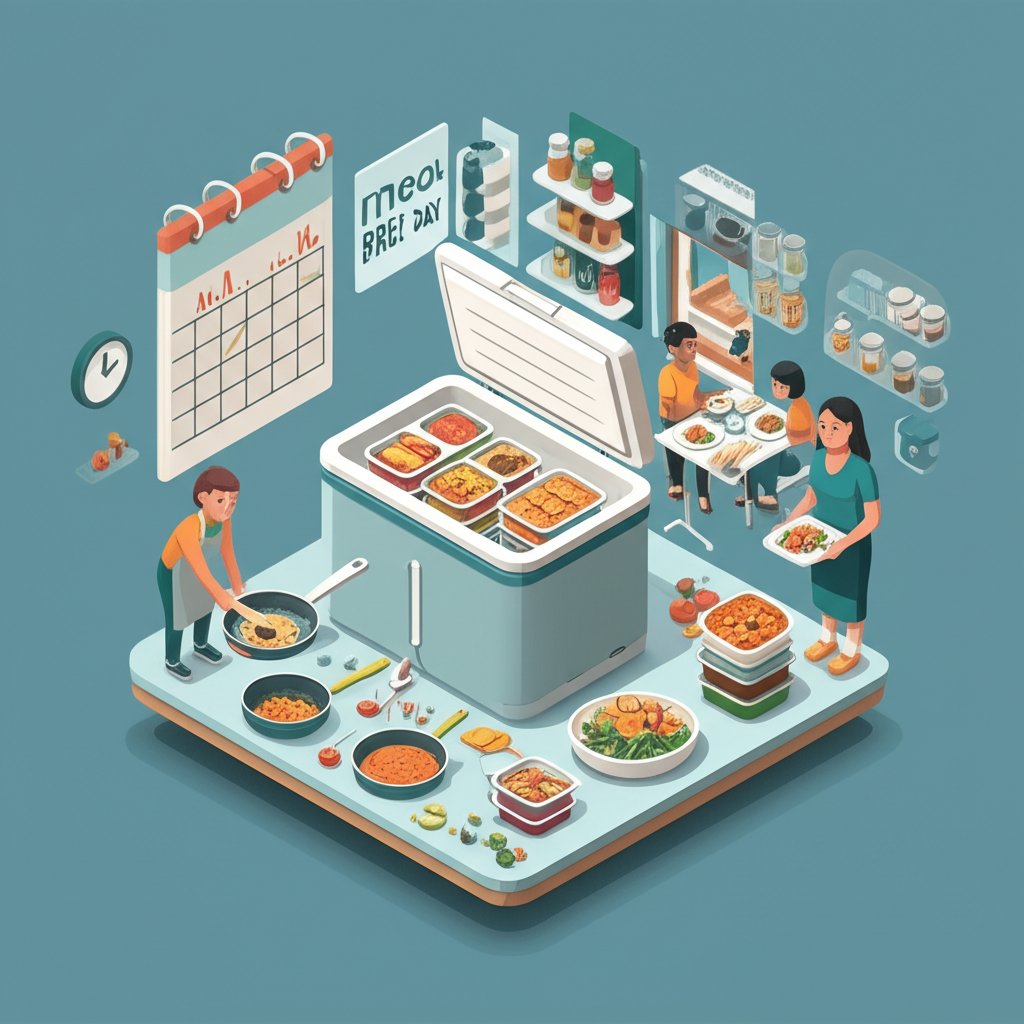
Before we dive into the “how,” let’s lock in the “why.” Effective meal planning for freezer meals isn’t just about cooking ahead; it’s a strategic approach to managing your time, budget, and stress levels.
Think of it as an investment. You dedicate a few focused hours one day—your “prep day”—to do the bulk of the chopping, mixing, and cooking. The payoff? Weeks of stress-free dinners. All the major mess is contained to a single session. On a busy Tuesday, your “cooking” might just involve preheating the oven or turning on the slow cooker.
This approach also drastically cuts down on food waste. By planning meals around shared ingredients (like a large batch of sautéed onions or a family pack of chicken), you use everything you buy. It’s a powerful antidote to impulse takeout orders and last-minute grocery runs for a single, forgotten ingredient.
Building Your First Freezer Meal Plan: A 4-Step Framework
Ready to get started? Don’t try to cook 30 meals on your first attempt. The key is to start small and build a system that works for you. Follow this simple framework to plan your first successful freezer meal session.
Step 1: Choose Your Recipes Wisely
The foundation of any good plan is selecting recipes that are designed to freeze well. A creamy, delicate sauce that’s perfect tonight might become a separated, grainy mess after a month in the freezer.
The “All-Stars”: What Freezes Beautifully
Focus your efforts on dishes with robust textures and flavors that meld over time. These categories are your go-to winners:
- Soups, Stews, and Chilis: These are arguably the champions of freezer cooking. Think Turkey, Black Bean, and Pumpkin Chili or a classic Life-Changing Beef Stew. Their flavor often deepens after being frozen and reheated.
- Casseroles and Bakes: Layered dishes like Lasagna, Salsa Verde Chicken Enchiladas, or Sour Cream Noodle Bake are perfect. You can assemble them completely, freeze them unbaked, and then cook them fresh from the freezer (with adjusted cooking time).
- Marinated Meats: “Dump meals” are the easiest entry point. Combine raw chicken or beef with a marinade or sauce (like Honey Mustard Chicken or Instant Pot Korean Beef Tacos filling) in a freezer bag. When you’re ready, just thaw and cook.
- Meatballs and Meatloaves: Ground meat mixtures, like Smoked Mozzarella Stuffed Meatballs or a classic meatloaf, hold their structure and moisture perfectly.
If you want to see how these individual recipes fit into a larger, more comprehensive system, you can Explore monthly cooking recipes to get a feel for a full-scale plan.
The “Benchwarmers”: What to Avoid Freezing
To prevent disappointment, steer clear of ingredients that lose their integrity when frozen and thawed:
- High-Water-Content Vegetables: Lettuce, cucumbers, and fresh tomatoes become limp and mushy. It’s better to add these as a fresh side salad when you serve the meal.
- Cream-Based Sauces: Dishes heavy with sour cream, mayonnaise, or some cream cheeses can separate and become watery. You can often add these ingredients during the reheating process instead.
- Fried Foods: The crispy coating you worked so hard for will turn soggy.
- Cooked Pasta (Sometimes): While pasta in a sauce-heavy dish like lasagna works great, freezing plain cooked pasta can result in a mushy texture. It’s often better to cook it fresh while your freezer meal reheats.
Step 2: The “Ingredient Overlap” Method
This is where you move from a home cook to a savvy meal prepper. Instead of viewing each recipe in isolation, look for opportunities to overlap ingredients and tasks. This is the secret to an efficient prep day.
A Mini-Case Snippet:
Let’s say your plan includes three meals: Spicy Turkey & Lentil Sloppy Joes, Classic Hearty Chili, and Smoked Mozzarella Stuffed Meatballs.
- Ingredient Overlap: All three use ground meat (turkey or beef) and a base of chopped onions and garlic.
- Prep Day Strategy: You don’t chop one onion for the chili, then another for the sloppy joes. Instead, you chop all the onions for all three recipes at once. You brown all the ground meat in one large batch, then divide it among the different recipes.
This “batching” of tasks—chopping all vegetables, browning all meats, mixing all sauces—is vastly more efficient than making each recipe from start to finish sequentially.
Step 3: Crafting Your “Prep & Cook Day” Blueprint
A successful cooking day depends on the planning you do beforehand. Create a clear roadmap so you can move through your tasks without hesitation.
- Finalize Your Menu & Master Grocery List: Lock in 3-4 recipes for your first session. Go through each recipe and compile a single, consolidated grocery list, organized by store section (produce, meat, pantry, etc.).
- Schedule a “Prep Power Hour”: The night before your main cooking day, do all the low-effort, high-impact prep. This includes all your vegetable chopping, measuring out spices for each recipe into small bowls, and gathering your equipment. This simple step can cut your main cooking day time by 25-40%.
- Map Your Cook Day Flow: On cooking day, use your appliances in parallel. Get the Instant Pot Italian Pot Roast going while the Lasagna is baking in the oven and the chili simmers on the stovetop. This multi-tasking is the key to getting a lot done in a short amount of time.
Step 4: The Final Mile: Cooling, Packing, and Labeling
How you store your food is just as important as how you cook it. Proper technique prevents freezer burn, ensures food safety, and makes reheating a breeze.
- Cool It Down: Never put hot food directly into the freezer. This can raise the temperature of the surrounding frozen items and create an unsafe environment. Let meals cool on the counter for at least 30-60 minutes. To speed this up, you can portion the food into shallower containers.
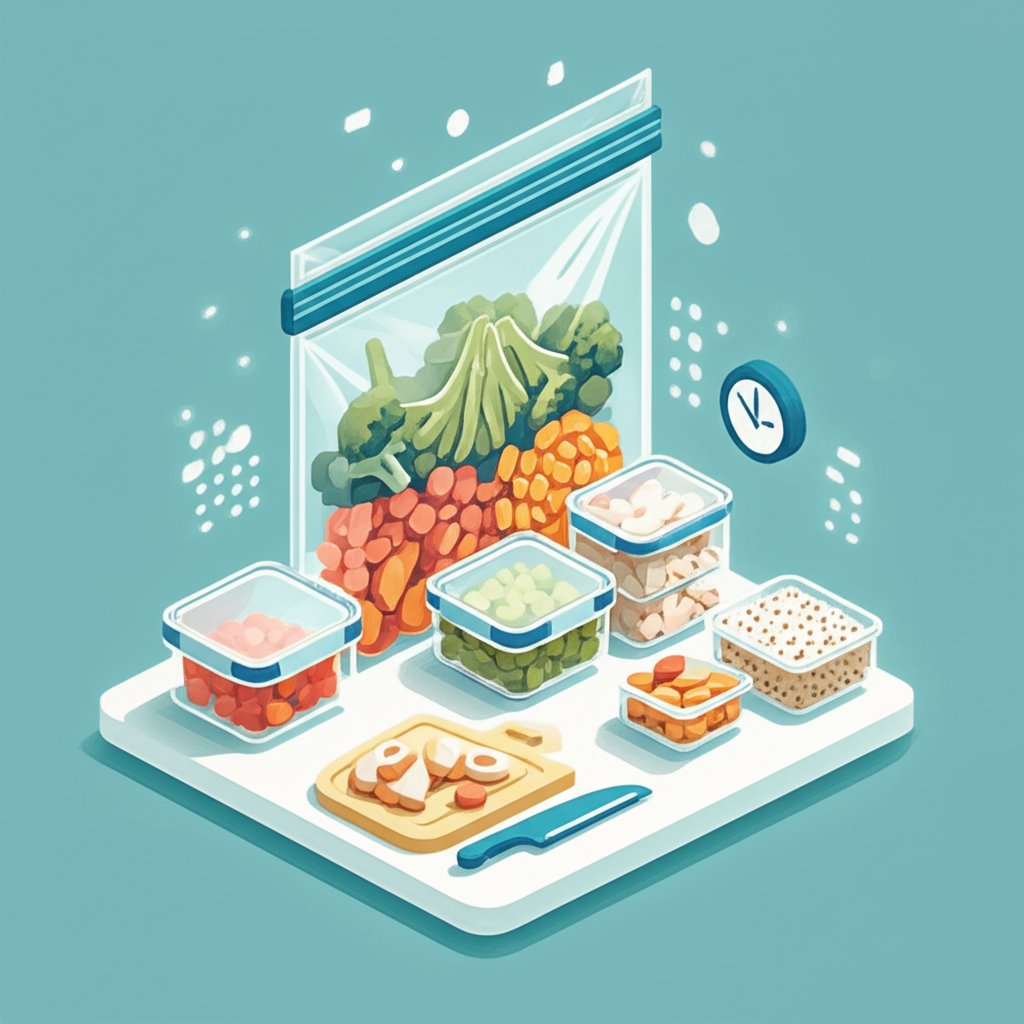
- Pack It Right: Remove as much air as possible to prevent freezer burn. Use airtight containers, heavy-duty freezer bags, or a vacuum sealer. For liquids like soup, leave about an inch of headspace to allow for expansion.
- Label Everything (No, Really!): This is the most critical, non-negotiable step. Every single container needs a clear label with a permanent marker. An unlabeled frozen block is a mystery that often leads to waste.
| What a Good Label Includes | Why It Matters |
| ———————————— | ————————————————— |
| Dish Name | So you know if you’re grabbing chili or beef ragu. |
| Date Made | To ensure you use the oldest meals first. |
| Number of Servings | Prevents you from thawing a 6-serving meal for one. |
| Reheating/Cooking Instructions | The ultimate gift to your future self. (e.g., “Thaw overnight. Bake at 375°F for 45 min covered, 15 min uncovered.”) |
Quick Answers to Common Freezer Meal Questions
Even with a solid plan, questions and misconceptions can pop up. Here are rapid-fire answers to the most common ones.
Q: Do I have to cook for a whole day? That sounds exhausting.
A: Absolutely not. The “once-a-month” cooking model is an advanced strategy. A fantastic way to start meal planning freezer meals is with the “double dinner” method. The next time you make chili, lasagna, or soup, simply double the recipe. Eat one portion for dinner that night and freeze the second. You’ve just prepped one future meal with almost no extra effort.
Q: My freezer meals always taste a little bland. What am I doing wrong?
A: This is a common issue! Flavors can sometimes mellow in the freezer. Here are a few fixes:
- Season Generously: Be a little heavier-handed with dried herbs and spices during the initial cooking.
- Hold Back Fresh Ingredients: Save delicate fresh herbs like cilantro or parsley, as well as dairy like a swirl of sour cream or a sprinkle of cheese, to add after reheating. This provides a burst of fresh flavor that brightens the whole dish.
- Add Acidity: A final squeeze of lemon or lime juice after reheating can wake up the flavors of stews and chilis.
Q: How long do freezer meals actually last?
A: For best quality, most cooked dishes last 3 to 6 months in a standard freezer. While they may be safe to eat beyond that, you risk a decline in texture and flavor due to freezer burn. A well-labeled system helps you rotate your stock effectively.
Q: Is it safe to thaw food on the counter?
A: No. Thawing on the counter allows parts of the food to enter the “temperature danger zone” (40°F to 140°F), where bacteria can multiply rapidly. The safest method is to thaw food overnight in the refrigerator. For a quicker option, use the defrost setting on your microwave or a cold water bath (ensuring the container is leak-proof).
Your First Step to Stress-Free Dinners
The goal of meal planning freezer meals is not perfection; it’s progress. It’s about giving your future self the gift of time and peace of mind. You don’t need a giant chest freezer or a full day blocked off on your calendar to begin.
Start this week. Pick just one recipe you already love to make—a family-favorite chili, a simple pot roast, or a batch of meatballs. Double it. Serve half for dinner and freeze the other half, complete with a perfect label. Next week, when you’re tired and uninspired, pull it out. That one simple act will show you the power of this system, and you’ll be on your way to making dinner a breeze, one frozen meal at a time.

- Master Vegan Freezer Meal Prep to Simplify Your Busy Schedule - June 18, 2026
- Vegan Freezer Cooking Simplifies Healthy Meals on Busy Nights - June 17, 2026
- Vegetarian Freezer Recipes for Effortless Meal Prep and Delicious Dinners - June 16, 2026