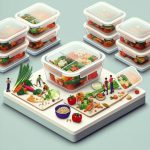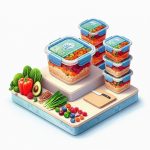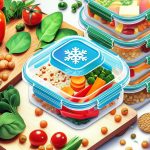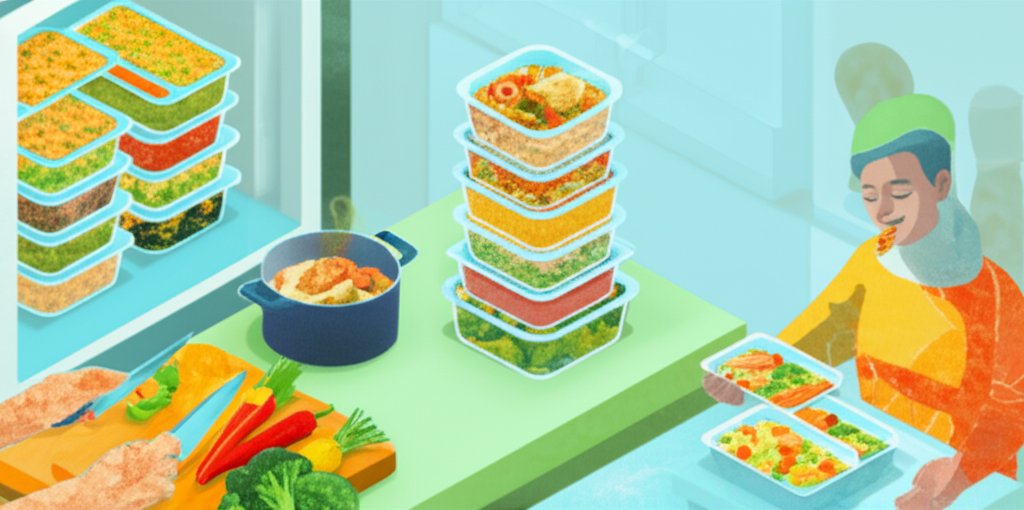
That frantic feeling at 5 p.m. is all too common. You’re tired, the family is hungry, and the thought of starting a meal from scratch feels monumental. Now, imagine a different scenario: you calmly walk to your freezer, pull out a perfectly portioned, delicious meal, and simply reheat it. This isn’t about stocking up on processed frozen dinners; it’s the result of smart freezer food plans, the strategic blueprint that turns a single day of cooking into a month of stress-free evenings.
A great plan is the difference between a freezer full of mystery leftovers and a curated library of meals ready to save your weeknights. It’s about being intentional, not just resourceful.
At a Glance: Your Freezer Planning Payoff
- Design a Balanced Menu: Learn how to create a varied meal plan that prevents flavor fatigue.
- Pick Your Strategy: Understand the two main freezer plan frameworks—”Component” vs. “Complete Meal”—and choose the right one for your lifestyle.
- Master the Workflow: Get a step-by-step guide from shopping list to a fully stocked freezer.
- Avoid Common Pitfalls: Discover which foods don’t freeze well and how to package everything for maximum freshness.
- Start Small, Win Big: Get actionable tips for tiny freezers, tight budgets, and building momentum without the overwhelm.
Why a Plan Beats Just “Freezing Stuff”
We’ve all done it—tossed leftover chili into a container and shoved it in the back of the freezer, only to find it months later, covered in ice crystals. That’s freezing by chance. A freezer food plan is freezing by design.
It’s a deliberate system for deciding what you’ll eat, shopping for it efficiently, and preparing it in a single, focused session. This structured approach is the engine behind the entire “cook once, eat for a month” philosophy. While the big-picture strategy is a game-changer, its success hinges on a solid plan. If you’re new to this concept, you can Learn once a month cooking fundamentals first, then dive back here to build your master plan.
A dedicated plan prevents you from ending up with ten bags of bolognese and nothing else. It ensures a mix of cuisines, proteins, and meal types, so your family doesn’t get bored. Most importantly, it transforms your freezer from a chaotic graveyard of leftovers into an organized, first-response system for weeknight dinners.
Choosing Your Freezer Plan: The “Component” vs. “Complete Meal” Method

Not all freezer food plans are created equal. Your lifestyle, cooking habits, and even the size of your freezer will determine which framework works best for you. The two primary approaches are the “Component Method” and the “Complete Meal Method.”
The Component Method: Your Building Blocks for Fast Dinners
Think of this as your personal meal-prep subscription service, curated by you. Instead of freezing entire meals, you freeze the building blocks. This means bags of cooked, shredded chicken; portions of taco-seasoned ground beef; containers of pre-cooked rice or quinoa; and pouches of sautéed peppers and onions.
- Pros: Highly flexible. It gives you room for creativity on dinner night without all the prep work. Cooking day is also faster since you’re just batch-prepping ingredients, not assembling complex recipes.
- Cons: It’s not a true “heat and eat” solution. You still have about 10-15 minutes of assembly and cooking to do on a weeknight.
- Best for: People who enjoy the final act of cooking but hate the chopping and prep; families with picky eaters who might want to assemble their own bowls or tacos.
Case Snippet: Sarah, a mom with two active kids, spends two hours every other Sunday prepping components. She’ll cook and shred a whole chicken, brown 4 lbs of ground beef, and chop a week’s worth of onions and bell peppers. On a busy Tuesday, she grabs the ground beef, a can of beans, and some tortillas for 10-minute tacos. On Thursday, that shredded chicken becomes the base for a quick chicken noodle soup.
The Complete Meal Method: The Ultimate “Heat and Eat” Solution
This is the classic approach most people envision. You assemble entire meals—casseroles, stews, soups, meatloaves—and freeze them in their final form. On dinner night, your only job is to thaw and reheat.
- Pros: The ultimate in convenience. It requires zero mental energy or effort on a busy weeknight. This method truly delivers on the promise of a home-cooked meal with the ease of takeout.
- Cons: It requires a significant time investment on your big cooking day. The meals are less flexible; if you’re not in the mood for lasagna, you’re out of luck.
- Best for: Extremely busy professionals, families with packed evening schedules, or anyone who wants to completely eliminate weeknight cooking.
Case Snippet: David, who works long hours, dedicates the first Saturday of each month to his freezer plan. He assembles two large lasagnas, a big pot of beef stew divided into four family-sized portions, and a dozen individual chicken pot pies. His weeknight “cooking” consists of preheating the oven and making a simple side salad.
A Hybrid Approach: The Best of Both Worlds
For most people, the ideal freezer food plan is a hybrid. It gives you both ultimate convenience and weeknight flexibility. A good starting point is to prepare 4-5 “Complete Meals” for your busiest nights and a solid stock of “Components” for the days when you have a little more time and creative energy.
From Blank Page to Full Freezer: Your 5-Step Action Plan
Ready to build your first plan? This step-by-step process breaks it down into manageable chunks, turning a potentially overwhelming project into a simple, repeatable system.
Step 1: The Menu Audit & Brainstorm
Sit down and list 8-10 of your family’s favorite meals that are known to freeze well. Think about variety in both flavor profile and main protein. Good candidates include:
- Casseroles: Lasagna, shepherd’s pie, chicken ziti
- Soups & Stews: Chili, beef stew, minestrone, chicken noodle
- Handhelds: Burritos, enchiladas
- Sauces & Meats: Bolognese sauce, meatballs, meatloaf
- “Dump” Meals: Raw marinated chicken or pork with veggies (e.g., cilantro lime chicken, teriyaki pork)
Step 2: The Master Recipe Collection
Gather the recipes for your chosen meals. Read through each one and look for overlapping ingredients. Do three recipes call for a diced onion? Does another call for a mirepoix (onion, carrot, celery)? This is where efficiency begins. You’ll be chopping ten onions at once, not one onion three different times.
Step 3: The Strategic Shopping List
Consolidate all the ingredients from your recipes into one master list. Organize it by store section (produce, meat, dairy, canned goods, frozen) to make your shopping trip fast and efficient. This is the time to think in bulk. You’re not buying one pound of ground beef; you’re buying the five pounds needed for your chili and lasagna. Pro tip: Buy cheese in large blocks. You can shred it all at once in a food processor and freeze it in recipe-sized portions, saving significant money.
Step 4: The Prep-Day Plan (The Day Before Cooking)
This is the secret weapon of seasoned freezer cooks. Don’t try to shop, prep, and cook all in one day. The day before your big cook, do all the prep work: - Chop all your vegetables.
- Grate all your cheese.
- Mix any spice blends.
- Combine marinades.
- Label all of your freezer bags and containers before you fill them.
This turns cooking day from a frantic mess into a smooth, organized assembly line.
Step 5: The “Assembly Day” Workflow
It’s time to cook. To maximize your time, work in parallel using multiple appliances. - Slow Cooker: Start your beef stew or pulled pork first, as it takes the longest.
- Oven: Get your casseroles (lasagna, ziti) assembled and baking.
- Stovetop: Use multiple burners simultaneously to brown ground beef, simmer chili, and cook down pasta sauces.
Always let food cool completely before packaging and freezing it. Placing hot food in the freezer can raise the ambient temperature, partially thawing other items and creating a food safety risk.
Smart Techniques for Food That Tastes Fresh, Not Frozen
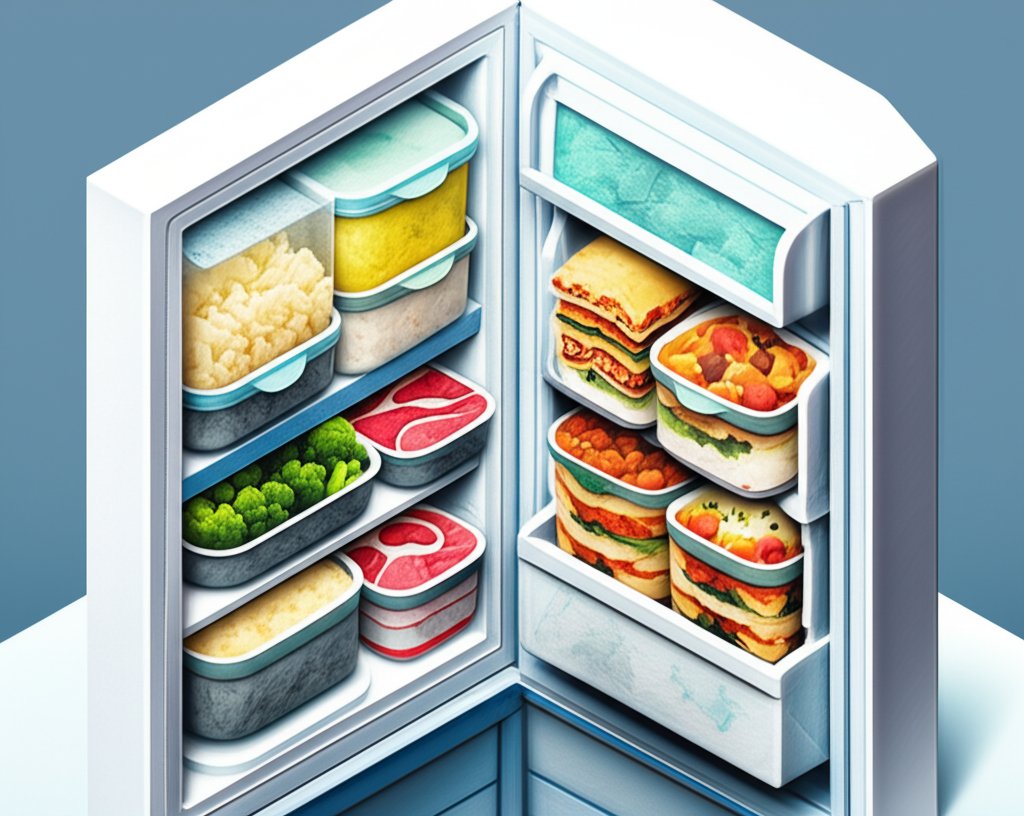
The success of your freezer food plans depends on how well you prepare and store the meals. A few key techniques can prevent freezer burn and preserve the texture and flavor of your food.
Mastering the Art of Storage
Choosing the right container is crucial for saving space and protecting your food.
| Container Type | Best For | Pro-Tip |
|---|---|---|
| Ziptop Freezer Bags | Soups, stews, chilis, ground meat, marinades | Remove as much air as possible, then lay flat on a cookie sheet to freeze. Once solid, you can “file” them vertically like books to save a ton of space. |
| Aluminum Pans | Casseroles, lasagna, shepherd’s pie, enchiladas | For easy cleanup and reuse, line the pan with parchment paper or heavy-duty foil before assembling. You can lift the frozen block out and wrap it, freeing up your pan. |
| Glass Containers | Individual portions, lunches, soups | Durable and reusable, but they are bulky and you must leave at least an inch of headspace to allow for food expansion, or the glass can crack. |
| Vacuum Sealer Bags | Meats, “dump chicken” kits, fish | This is the gold standard for preventing freezer burn. The upfront cost of a sealer is higher, but it can extend the quality of your frozen food by months. |
The “Don’t Freeze” List (And Smart Workarounds)
Not every food emerges from the freezer happy. Here’s what to avoid and how to adapt your recipes.
- Creamy Sauces: Dairy-heavy sauces (like Alfredo or cream-based soups) can separate and become grainy. Workaround: Prepare the base of the recipe and freeze it. Add the milk, cream, or sour cream during reheating.
- Potatoes in Soups: Potatoes can become mealy and disintegrate in frozen soups. Workaround: Slightly undercook them before freezing, or add freshly cooked or canned potatoes when you reheat.
- Crispy Toppings: Breadcrumb or fried onion toppings will get soggy. Workaround: Freeze the meal without the topping. Add it fresh during the last 10-15 minutes of baking.
- Cooked Pasta: Pasta can turn mushy when frozen in a sauce. Workaround: Cook the pasta to a very firm al dente stage before freezing. Alternatively, freeze the sauce by itself and cook fresh pasta on dinner night.
Labeling Is Non-Negotiable
Every single item that goes into your freezer needs a clear label. There is nothing worse than pulling out a mystery brick and having no idea what it is or how to cook it. Your label should include:
- Name of the Meal
- Date Frozen
- Simple Reheating Instructions (e.g., “Thaw overnight. Bake 350°F for 45 min.”)
Your Freezer Planning Questions, Answered
Q: How do I start if I have a tiny freezer?
A: Don’t try to cook for a whole month. Start with a “cook once, eat twice” plan. Every time you make a freezer-friendly meal for dinner, just double it and freeze the second portion. Focus on space-saving bags frozen flat—they are your best friend. The “Component” method is also more space-efficient than bulky casseroles.
Q: Won’t my family get bored of the same meals?
A: This is where the initial planning is crucial. Aim for at least 8 distinct recipes in your monthly rotation to ensure variety. The “Component” method is also a great way to combat boredom. That frozen shredded chicken can be used for tacos, soup, BBQ sandwiches, or a pasta dish. You can also organize a meal swap with a friend to instantly double your variety without extra work.
Q: Is it really cheaper? Buying in bulk seems expensive.
A: The upfront grocery bill for a big cooking day will be higher than your weekly shop, but the cost-per-meal is significantly lower. You save money by buying in bulk, shopping sales strategically, eliminating expensive last-minute takeout orders, and drastically reducing food waste since every ingredient you buy has a purpose.
Q: How long does freezer food actually last?
A: While frozen food is safe to eat almost indefinitely, its quality degrades over time. For the best taste and texture, aim to use most fully-cooked meals within 3-4 months. Raw meat and “dump” meals can often last a bit longer, up to 6 months, especially if vacuum-sealed. Your label with the “Date Frozen” is your guide.
Your First Freezer Food Plan Starts Now
The goal isn’t to perfectly execute a 30-day meal plan on your first try. The goal is to start. By turning the daunting task of dinner into a simple choice of what to reheat, you reclaim your evenings for family, hobbies, or just relaxing.
Here’s your quick-start challenge for this weekend:
- Choose three freezer-friendly recipes your family loves.
- Double them. Make one to eat this week and one to freeze.
- Label and freeze your three extra meals.
That’s it. You’ll end the weekend with three future dinners already taken care of. This small win builds the momentum you need to make freezer food plans a seamless part of your life, giving you back time, money, and peace of mind, one delicious meal at a time.

- Master Vegan Freezer Meal Prep to Simplify Your Busy Schedule - June 18, 2026
- Vegan Freezer Cooking Simplifies Healthy Meals on Busy Nights - June 17, 2026
- Vegetarian Freezer Recipes for Effortless Meal Prep and Delicious Dinners - June 16, 2026