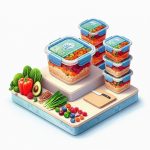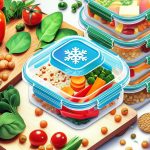
That familiar 5 PM panic is a feeling most of us know too well. The workday is over, the kids are hungry, and the question looms: “What’s for dinner?” Effective once a month cooking plans are the definitive answer to that daily dread, transforming a chaotic hour into a calm, simple choice. It’s not just about cooking a lot of food; it’s about having a strategic blueprint that makes your life easier for the next 30 days.
This isn’t about rigid, uninspired meal rotations. It’s about designing a custom system that returns hours to your week and puts an end to decision fatigue.
At a Glance: Your Takeaways
- Choose Your Planning Style: Discover three core models—The Full Month, The Hybrid, and The Themed Week—to find the right fit for your family’s rhythm.
- Build a Bulletproof Blueprint: Get a step-by-step guide to creating a plan, from auditing your calendar to scheduling your cooking day.
- Dodge Common Pitfalls: Learn how to avoid recipe burnout, over-ambitious first attempts, and the dreaded “freezer Tetris” problem.
- Get Actionable Tools: Find a sample mini-plan and a quick-start checklist you can use immediately.
- Quick Answers: Get clear, concise answers to the most common questions about monthly meal planning.
The Plan is the Foundation, Not Just a List
Many people think the hardest part of once-a-month cooking is the marathon cooking day. In reality, the success or failure of the entire endeavor hinges on the quality of your plan. A well-crafted plan is your roadmap; without it, you’re just cooking a random assortment of dishes that may or may not fit your family’s needs, schedule, or freezer space.
Think of it like building a house. You wouldn’t just start buying lumber and hammering nails. You’d start with a detailed blueprint. Your once a month cooking plan is that blueprint, ensuring every ingredient you buy and every minute you spend in the kitchen serves a clear purpose.
Find Your Rhythm: Three Proven Planning Models
Not all families operate the same way, so a one-size-fits-all plan is doomed to fail. The key is to pick a model that aligns with your lifestyle, cooking stamina, and how you actually like to eat.
1. The “Full Month” All-In Model
This is the classic approach where you aim to plan and prep nearly every dinner for the entire month (around 20-25 meals). It’s ambitious but delivers the biggest payoff in terms of daily time savings.
- Best for: Families with predictable schedules, people who genuinely dislike daily cooking, and those looking for maximum budget control.
- Case Snippet: A family with two working parents and kids in after-school sports uses this model. They need grab-and-reheat meals five nights a week. Their plan includes 8 casseroles, 8 slow-cooker dump bags, and 4 hearty soups, giving them variety and zero weeknight stress.
2. The “Hybrid” Flex Model
The most popular and sustainable model for most people. Here, you plan and cook 10-14 freezer meals to cover about half the month’s dinners. You then intersperse these with fresh meals, leftovers, or planned takeout nights.
- Best for: Beginners, families who enjoy occasional spontaneous cooking, and those with smaller freezers.
- How it works: You might cook two weekends a month, making 5-7 meals each time. This fills your freezer with options for your busiest nights, but leaves you the flexibility to grill fresh chicken or make a big salad when you have the time and energy.
3. The “Themed” Anchor Model
This approach simplifies the decision-making process by assigning a theme to each day of the week. This narrows your choices and makes planning feel less overwhelming.
- Best for: People who suffer from decision fatigue and families with kids who thrive on routine.
- Example Weekly Theme:
- Monday: Italian (Pasta bakes, meatballs, lasagna)
- Tuesday: Mexican (Taco meat, chicken fajita kits, enchiladas)
- Wednesday: Soup/Stew (Chili, chicken noodle, lentil stew)
- Thursday: Global (Curry, stir-fry kits, satay)
- Friday: Pizza/Grill Night (Fresh)
You would then create freezer meal components for each theme—four bags of taco meat, four different pasta bakes—to stock your freezer.
From Chaos to Calm: Architecting Your Monthly Meal Blueprint
Once you’ve chosen a model, it’s time to build your plan. Follow these steps to create a system that works.
Step 1: The Calendar Audit & Family Favorites
Before you pick a single recipe, grab a calendar and your family.
First, mark any days you won’t need a meal: holidays, dinner parties, planned nights out. This tells you your “magic number” of meals to prep.
Second, brainstorm a list of 15-20 meals your family genuinely loves. Don’t worry if they’re freezer-friendly yet; just get the ideas down. This ensures you’re making food people will actually be excited to eat.
Step 2: Vet and Select Your Recipes
Now, cross-reference your family’s favorites list with recipes that freeze well. Look for soups, stews, chilis, casseroles, marinated meats, and “dump” meals for the slow cooker or Instant Pot.
This is where having a trusted resource is invaluable. When building your recipe arsenal, starting with a solid foundation of tested ideas is key. You can find a great collection of Stress-free monthly cooking recipes that are designed specifically for this purpose.
For each recipe you choose, check for:
- Freezer-friendliness: Do the ingredients hold up? (Avoid creamy sauces with a cornstarch base or veggies with high water content like cucumber or lettuce).
- Component Overlap: Can you double the ground beef you’re browning for lasagna to also make taco meat? This is a huge time-saver.
- Active vs. Passive Time: A good plan balances recipes that need active stirring with ones that can bake or simmer on their own.
Step 3: Engineer Your Master Shopping List
Don’t just list ingredients. Organize them for efficiency. Group your list by grocery store section:
- Produce
- Meat & Poultry
- Dairy & Refrigerated
- Pantry & Canned Goods
- Spices
- Freezer
Go through each recipe, one by one, adding its ingredients to the correct category on your master list. This turns a frantic store visit into a methodical sweep. Remember to “shop your pantry” first, crossing off anything you already have.
Step 4: Create Your Cooking Day Game Plan
The final piece of your plan is a timeline for the cooking day itself. This prevents you from trying to do everything at once. A smart game plan might look like this:
- Day Before (Prep Day): Do all chopping, dicing, and measuring. Make spice blends. Label all your freezer bags and containers. This step alone can cut your cooking day time by 30-40%.
- Cooking Day Morning: Start with recipes that have the longest passive cook time (e.g., get a chili simmering on the stove). Brown all your ground meats at once.
- Cooking Day Afternoon: Assemble your casseroles and “dump” bags while other things are simmering or baking.
- Cooling & Storing: This is critical. Let everything cool completely on the counter before packaging and freezing to prevent ice crystals and freezer burn.
Sidestepping Common Planning Pitfalls
Even the best intentions can be derailed. Here’s how to avoid the most common mistakes that trip people up.
- The Pitfall of Recipe Monotony: Making four huge batches of the same chili will lead to burnout.
- The Fix: Plan for variety in both flavor profile (Italian, Mexican, Asian) and texture (soup, casserole, grilled meat). Even if you double a base recipe like shredded chicken, plan to use it in different ways—for tacos one week, and for BBQ sandwiches the next.
- The Overly Ambitious First Plan: Trying to cook 30 complex, multi-step meals on your first go is a recipe for exhaustion.
- The Fix: Start small. Your first once a month cooking plan should be a “once a week” or “once every two weeks” plan. Aim for just 5-7 meals. Success builds momentum.
- Forgetting the Freezer Tetris Problem: You cook for eight hours only to realize nothing fits in your freezer.
- The Fix: Before you shop, audit and organize your freezer. Favor soft-sided freezer bags that you can lay flat to freeze; they are far more space-efficient than bulky containers.
Quick Answers to Common Questions
Here are some rapid-fire answers to the questions that come up most often.
Q: How many meals should I plan for my first time?
A: Start with five. Seriously. Choose five simple, reliable recipes like a soup, a pasta sauce, taco meat, a marinated chicken, and one casserole. This will take just a few hours and give you a huge confidence boost without overwhelming you.
Q: Do I have to plan for a full 30 days of dinners?
A: Absolutely not. The “Hybrid” model is often the most practical. Planning for 12-15 freezer meals gives you options for 3-4 nights a week, leaving plenty of room for leftovers, fresh meals, and social plans.
Q: What if my family gets tired of freezer meals?
A: This is usually a sign of a planning problem, not a freezer meal problem. Ensure your plan has variety. Also, remember that a freezer meal is often just the main component. Serving it with a fresh, crisp salad, quick-steamed veggies, or crusty bread can make it feel brand new.
Q: How do I adapt a regular recipe for a monthly cooking plan?
A: Look for recipes that can be frozen at a key stage. For a soup, freeze it before adding dairy (like cream or cheese). For stir-fries, freeze the chopped veggies and marinated protein together in a bag, ready to be dumped into a hot wok. For casseroles, assemble them completely but don’t bake them.
Your First Step to Reclaiming Your Weeknights
You don’t need a giant chest freezer or a culinary degree to succeed with once a month cooking plans. You just need a thoughtful approach and the willingness to start small. The goal isn’t perfection; it’s progress.
This week, don’t try to plan a whole month. Just pick one weekend morning, choose three of your family’s favorite freezable meals, and execute that mini-plan. By Sunday night, you’ll have three guaranteed stress-free dinners waiting for you, and you’ll have taken the most important step toward transforming your busiest weeknights for good.

- Master Vegan Freezer Meal Prep to Simplify Your Busy Schedule - June 18, 2026
- Vegan Freezer Cooking Simplifies Healthy Meals on Busy Nights - June 17, 2026
- Vegetarian Freezer Recipes for Effortless Meal Prep and Delicious Dinners - June 16, 2026