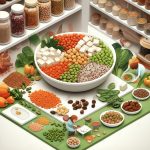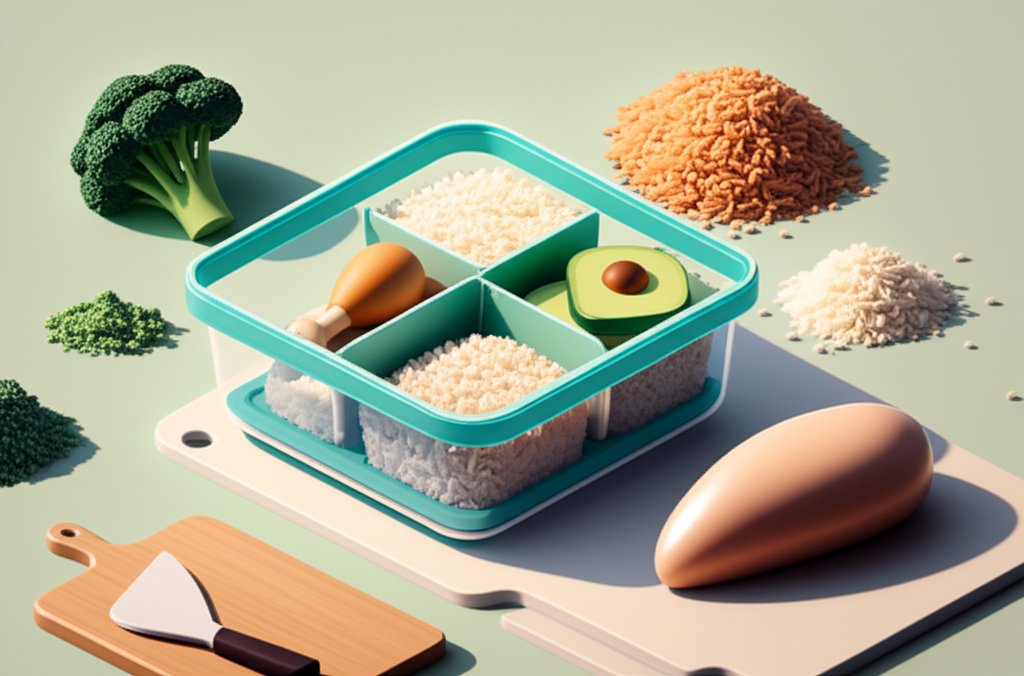
It’s Sunday afternoon. You have the best intentions for the week ahead: clean eating, consistent workouts, and finally hitting your health goals. But then life happens. Hectic mornings bleed into stressful workdays, and by 5 p.m., the thought of cooking a balanced meal feels less like self-care and more like a chore. Before you know it, you’re ordering takeout for the third time this week, feeling defeated. If this sounds familiar, you’ve come to the right place. The solution isn’t more willpower; it’s a better system, and it starts with macro meal prep recipes.
This isn’t about eating bland chicken and broccoli out of sad plastic containers. This is about reclaiming your time and taking control of your nutrition with meals that are as delicious as they are effective. We’re talking flavorful, satisfying dishes engineered to keep you full, energized, and on track with your goals, one pre-portioned meal at a time.
At a Glance: Your Guide to Macro Meal Prep
Don’t have time to read it all right now? Here’s the short version of what you’ll find in this guide:
- What “Macro-Friendly” Really Means: A simple breakdown of proteins, carbs, and fats and why balancing them is the key to feeling and looking your best.
- The Meal Prep Formula: A foolproof template for building your own balanced meals without complicated calculations.
- Dozens of Delicious Recipes: A curated list of high-protein, nutrient-dense recipes—from chicken and seafood to plant-based options—complete with calorie and protein counts to make planning easy.
- Pro Tips for Success: Practical advice on storage, batch cooking, and keeping your prepped meals fresh and exciting all week long.
- Common Questions Answered: Quick, clear answers to the most frequent questions about macro meal prep, from storage times to freezing instructions.
The “Why” Behind the Buzz: What Does Macro-Friendly Mean?
Before we dive into the recipes, let’s quickly demystify the term “macros.” Macros are short for macronutrients, the three main nutrient groups your body needs to function: protein, carbohydrates, and fats.
Think of them as your body’s primary fuel and building materials:
- Protein: The builder. It repairs tissue, builds muscle, and is crucial for keeping you full and satisfied. Sources include chicken, fish, beef, eggs, tofu, and legumes.
- Carbohydrates: The primary energy source. They fuel your brain and power your workouts. We focus on complex carbs like quinoa, sweet potatoes, and brown rice for sustained energy without the crash.
- Fats: The hormone regulator and nutrient absorber. Healthy fats are vital for brain health and keeping you satiated. Think avocado, olive oil, nuts, and seeds.
A “macro-friendly” meal is simply one that contains a strategic balance of these three components. The goal is to fuel your body effectively, prevent energy slumps, and support your specific goals, whether that’s building muscle, losing fat, or simply maintaining a healthy lifestyle. This balanced approach is the foundation of effective Macro recipes for weight loss.
The Meal Prep Advantage: Your Secret Weapon for Consistency
Knowing what to eat is one thing; actually doing it is another. That’s where meal prep comes in. By preparing your meals in advance, you create a buffer against bad decisions. When a healthy, delicious meal is waiting for you in the fridge, you’re far less likely to reach for fast food or processed snacks.
This proactive approach makes hitting your macro targets nearly effortless. You do the thinking and the work once or twice a week, then reap the benefits all week long. It’s the ultimate strategy for anyone looking to make their health goals a reality.
Your Foolproof Formula for Balanced, Delicious Meals
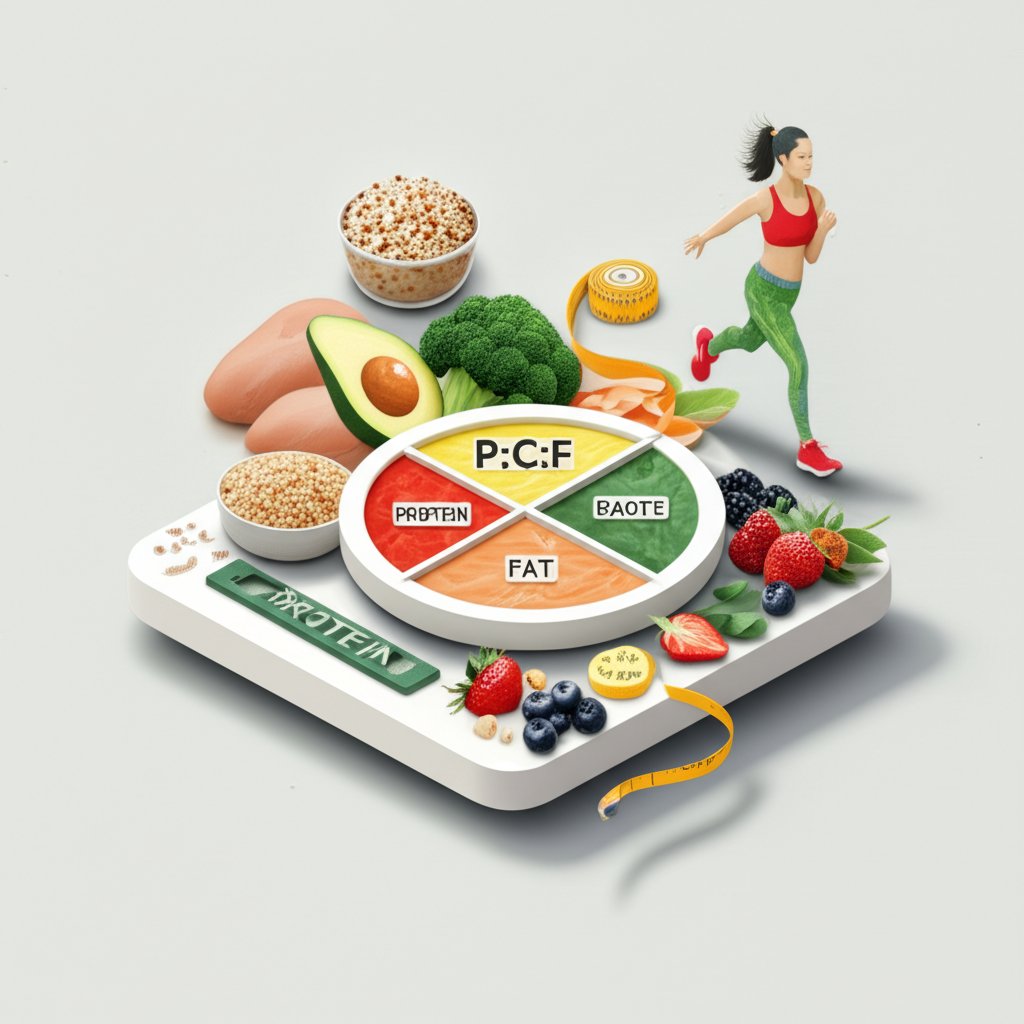
You don’t need a nutrition degree to build a great macro-friendly meal. Just follow this simple, customizable formula. Aim to fill your container with these four key components, and you’ll have a perfectly balanced dish every time.
1. Pick a High-Quality Protein (Fill ~1/4 of your container)
This is the star of the show. It’s the most satiating macronutrient, meaning it will keep you feeling full for hours.
- Lean Meats: Chicken breast, turkey breast, lean ground turkey (93/7), pork loin.
- Seafood: Salmon, cod, shrimp, tilapia, tuna.
- Plant-Based: Tofu, tempeh, lentils, chickpeas, black beans.
- Other: Eggs, low-fat cottage cheese, Greek yogurt.
2. Add Complex Carbohydrates (Fill ~1/4 of your container)
This is your primary energy source. Choose slow-digesting carbs that provide lasting fuel.
- Grains: Quinoa, brown rice, farro, oats.
- Starchy Veggies: Sweet potatoes, butternut squash, corn, peas.
- Legumes: Lentils, chickpeas, and beans (these also count as a protein source!).
3. Load Up on Non-Starchy Veggies (Fill ~1/2 of your container)
Veggies are packed with fiber, vitamins, and minerals. They add volume to your meal for very few calories, helping you feel full and satisfied.
- Greens: Spinach, kale, arugula.
- Cruciferous: Broccoli, cauliflower, Brussels sprouts.
- Others: Bell peppers, onions, zucchini, asparagus, green beans, mushrooms.
4. Finish with Healthy Fats (Add 1-2 tablespoons)
Fats are essential for hormone production and nutrient absorption, and they add a ton of flavor and satiety.
- Oils: Olive oil, avocado oil.
- Whole Foods: Sliced avocado, nuts (almonds, walnuts), seeds (chia, flax, pumpkin).
- Sauces & Dressings: Vinaigrettes made with olive oil, pesto, tahini dressing.
This framework is the secret behind all the best Macro friendly meal prep recipes and empowers you to create your own combinations.
Your Weekly Menu, Solved: 40+ Macro Meal Prep Recipes
Ready to get cooking? Here is a curated list of fantastic macro meal prep recipes, organized by protein source. Each one is packed with flavor and comes with its protein and calorie count to make planning a breeze.
Chicken & Turkey Powerhouses
These poultry recipes are high in protein, versatile, and consistently delicious. They are perfect for a satisfying and Easy macro lunch prep.
- Garlic Butter Chicken Meatballs: Serve with cauliflower rice or quinoa. (Macros vary, but typically high protein).
- Lemon Chicken With Veggies: A classic sheet-pan meal. (40g protein)
- Salsa Verde Chicken: Perfect for bowls, salads, or wraps. (32g protein, 211 calories)
- Honey Soy Chicken: A sweet and savory stir-fry favorite. (41g protein, 338 calories)
- Ground Turkey Egg Roll in a Bowl: All the flavor of an egg roll, no wrapper needed. (30g protein, 243 calories)
- Slow Cooker Chicken Cacciatore: A hearty, veggie-packed Italian classic. (33g protein, 315 calories)
- Slow Cooker BBQ Chicken: Shred and serve over a baked sweet potato. (37g protein, 275 calories)
- Chicken Bhuna: A rich, flavorful curry. (26g protein, 258 calories)
- Chicken Cabbage Stir Fry: A quick, low-carb skillet meal. (29g protein, 258 calories)
- Smothered Creamy Chicken Skillet: Comfort food that fits your macros. (29g protein, 216 calories)
- Panko-Crusted Chicken: A healthier take on fried chicken. (25g protein, 203 calories)
- Turkey Roulade: An elegant but easy-to-prep option. (33g protein, 206 calories)
- Stuffed Chicken Breast: Try stuffing with spinach and feta or broccoli and cheese. (32g protein, 222 calories)
- Crock-Pot Chicken and Cauliflower Rice Soup: A comforting, high-protein soup. (41g protein, 338 calories)
- Shepherd’s Pie with Ground Turkey: A lighter version of the beloved dish. (28g protein, 292 calories)
- California Chicken Salad: Made with Greek yogurt instead of mayo. (38g protein, 350 calories)
- Teriyaki Chicken Meal Prep: A simple and satisfying bowl. (42g protein, 303 calories)
- Keto Kung Pao Chicken: Spicy, savory, and low-carb. (37g protein, 300 calories)
- Buffalo Chicken Stuffed Zucchini Boats: A creative and delicious way to eat your veggies. (40g protein, 298 calories)
- Chicken Detox Soup: A nutrient-dense soup perfect for a reset. (38g protein, 272 calories)
- Baked Turkey Meatballs: A versatile protein for any dish. (36g protein, 228 calories)
- Crockpot Marry Me Chicken: Creamy, savory, and incredibly easy. (30g protein, 186 calories)
Flavorful Fish & Seafood Options
Seafood is a fantastic source of lean protein and healthy omega-3 fatty acids. These recipes prove that fish can be a meal prep superstar.
- Salmon in a Tomato, Thyme, and Ginger Sauce: An elegant and flavorful dish. (44g protein, 322 calories)
- Shrimp Poke Bowl: Fresh, vibrant, and easy to assemble. (23g protein, 346 calories)
- Mediterranean Salmon Salad: A bright, refreshing salad that holds up well. (44g protein, 344 calories)
- Easy Miso Salmon: A simple marinade with a huge flavor payoff. (30g protein, 238 calories)
- Baked Alaska Pollock: A lean, mild white fish that’s budget-friendly. (25g protein, 320 calories)
- Hibachi Shrimp: Serve with fried cauliflower rice and yum yum sauce. (32g protein, 249 calories)
- Broiled Cod: Simple, clean, and incredibly fast to cook. (27g protein, 164 calories)
- Lemon Pepper Tilapia Sheet Pan Dinner: An entire meal on one pan. (37g protein, 316 calories)
- Pan Seared Shrimp: A quick-cooking protein for bowls or salads. (25g protein, 214 calories)
- Italian Salmon with Tomato Basil Salsa: Fresh, zesty, and perfect for summer. (37g protein, 288 calories)
- Healthy Tuna Salad without Mayo: Uses Greek yogurt for a creamy, high-protein base. (28g protein, 269 calories)
Hearty Meat & Pork Dishes
These recipes are perfect for when you’re craving something a little more substantial.
- Hawaiian Grilled Pork Chops: A sweet and tangy flavor combination. (27g protein, 237 calories)
- Turkey Bolognese Greek-Style: A flavorful twist on a classic meat sauce. (30g protein, 367 calories)
- Grilled Bison Ribeye Steaks: A lean, high-protein red meat option. (41g protein, 273 calories)
- Italian Sausage, Onions, and Peppers Skillet: A one-pan wonder. (30g protein, 337 calories)
- Slow Cooker Pork Loin: Tender, juicy, and perfect for shredding. (39g protein, 277 calories)
- Thin Pork Chops in Air Fryer: Crispy, juicy, and ready in minutes. (29g protein, 244 calories)
Plant-Based & Vegetarian Bowls
You don’t need meat to hit your protein goals. These vegetarian and vegan recipes are packed with nutrients and flavor, making them excellent Macro friendly weight loss recipes.
- Spicy Chickpea & Quinoa Bowls: A plant-based, gluten-free powerhouse.
- Healthy Egg Salad Bowls: With 40% of your daily fiber needs.
- Air Fryer Teriyaki Tofu: Crispy tofu that’s better than takeout. (24g protein, 352 calories)
- Healthy Scrambled Eggs with Veggies: A perfect breakfast-for-lunch option. (32g protein, 342 calories)
- Ricotta Tart with Rainbow Carrots: Visually stunning and delicious. (21g protein, 303 calories)
- Spinach Protein Wraps: Use these as a base for any filling. (15g protein, 81 calories per wrap)
Master the Art of Meal Prep: Tips from a Pro
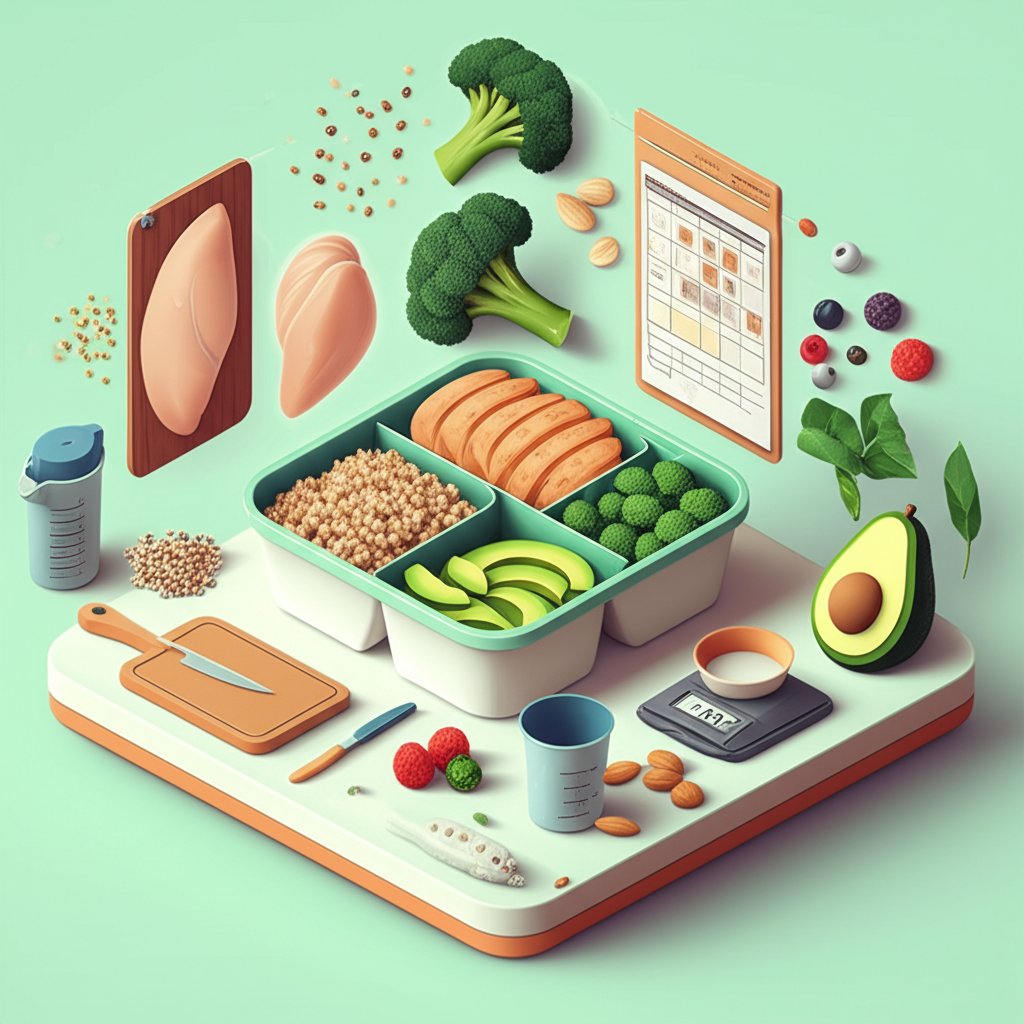
Having the right recipes is only half the battle. Executing your meal prep efficiently will make the process sustainable. Here are a few tips to set you up for success.
Batch Cook Your Components
You don’t always have to make full recipes. One of the most effective and Smart macro meal prep ideas is to batch cook individual ingredients. On Sunday, grill a large batch of chicken, roast a pan of sweet potatoes, cook a big pot of quinoa, and chop a variety of raw veggies. Then, you can mix and match them throughout the week to create different bowls and salads, preventing flavor fatigue.
Smart Storage for Maximum Freshness
How you store your food matters. Use airtight containers to keep meals fresh.
- In the Refrigerator: Most cooked meals will last for 3 to 5 days.
- In the Freezer: Soups, stews, chilis, casseroles, and cooked proteins like shredded chicken freeze beautifully for up to 3 months. Rice and quinoa also freeze well.
To avoid soggy meals, store wet and dry ingredients separately. For salads, keep the dressing on the side until you’re ready to eat. For bowls with sauces, add the sauce just before reheating.
Invest in Quality Gear
You don’t need a lot of fancy equipment, but a few key items can make a huge difference:
- Glass Containers: They don’t stain or hold odors, are microwave and oven-safe, and are better for the environment.
- A Good Chef’s Knife: Makes all that chopping much faster and safer.
- Large Baking Sheets: Essential for roasting vegetables and cooking sheet-pan dinners.
- An Instant Pot or Slow Cooker: Perfect for “set it and forget it” batch cooking of proteins and soups.
Your Macro Questions, Answered
Navigating the world of macros can bring up a few questions. Here are clear, concise answers to some of the most common ones.
How long does macro meal prep last in the fridge?
For most cooked dishes, you can safely store them in an airtight container in the refrigerator for 3 to 5 days. The USDA provides specific guidelines, but this is a reliable general rule. Seafood and some salads may be best eaten within 3 days.
Can I freeze these meals?
Absolutely! Many of these recipes are freezer-friendly. Chilis, soups, meatballs, and shredded chicken are excellent candidates. To freeze, let the food cool completely, portion it into freezer-safe containers, and label with the date. Thaw overnight in the refrigerator before reheating. Avoid freezing meals with dairy-based sauces (they can separate) or raw vegetables like lettuce and cucumber (they get soggy).
What are high macro meals?
This term can be a bit confusing. Typically, when people ask “What are high macro meals“, they are looking for meals that are high in a specific macronutrient, usually protein. A high-protein meal might have 30-40g or more per serving. However, the goal of macro-friendly eating isn’t just “high” macros, but the right balance of all three for your individual needs.
Do I need to track my macros perfectly every day?
Perfection is the enemy of progress. While tracking can be a powerful tool, especially when you’re starting out, don’t stress about hitting your numbers to the exact gram. Focus on consistency. Aim to get close to your protein goal and fill in the rest with quality carbs and fats. A little flexibility makes the process much more sustainable in the long run.
Your Next Step: From Plan to Plate
You now have the knowledge, the formula, and more than enough recipes to transform your week. The endless cycle of “what’s for dinner?” can be a thing of the past. By investing just a couple of hours one day a week, you’re buying back time, reducing stress, and making a powerful investment in your health.
Don’t let this be just another article you read. Take action. Pick two or three recipes from the list that sound delicious to you. Write down the ingredients, schedule a time to cook this weekend, and experience the freedom that comes with a fridge full of healthy, ready-to-eat meals. This is the first step toward building a system that serves your goals, and you’ll find that many of these Macro Meals for Weight Loss are not only effective but also genuinely enjoyable.

- Master Vegan Freezer Meal Prep to Simplify Your Busy Schedule - June 18, 2026
- Vegan Freezer Cooking Simplifies Healthy Meals on Busy Nights - June 17, 2026
- Vegetarian Freezer Recipes for Effortless Meal Prep and Delicious Dinners - June 16, 2026