Hitting your goals often feels like a full-time job, and a bland diet of boiled chicken and broccoli is a quick path to burnout. The secret isn’t restriction; it’s building smarter, satisfying high macro meals that work for you, not against you. When you master the art of crafting meals that are intentionally high in protein with the right balance of carbs and fats, you stop white-knuckling your nutrition plan and start seeing real results.
At a Glance: Your Takeaways
- Decode “High Macro”: Understand what a truly balanced, high-protein meal looks like beyond just the numbers.
- Master Two Prep Styles: Choose between “All-in-One” containers and the hyper-flexible “Component Prep” method.
- Get a Simple Meal Blueprint: Learn the 4-step framework for building a perfect macro-friendly meal every time.
- Use 5 Plug-and-Play Templates: Steal these ideas for breakfast, lunch, and dinner to eliminate guesswork.
- Avoid Common Pitfalls: Sidestep the mistakes that lead to soggy salads, bland food, and wasted effort.
Decoding “High Macro”: It’s More Than Just High Protein
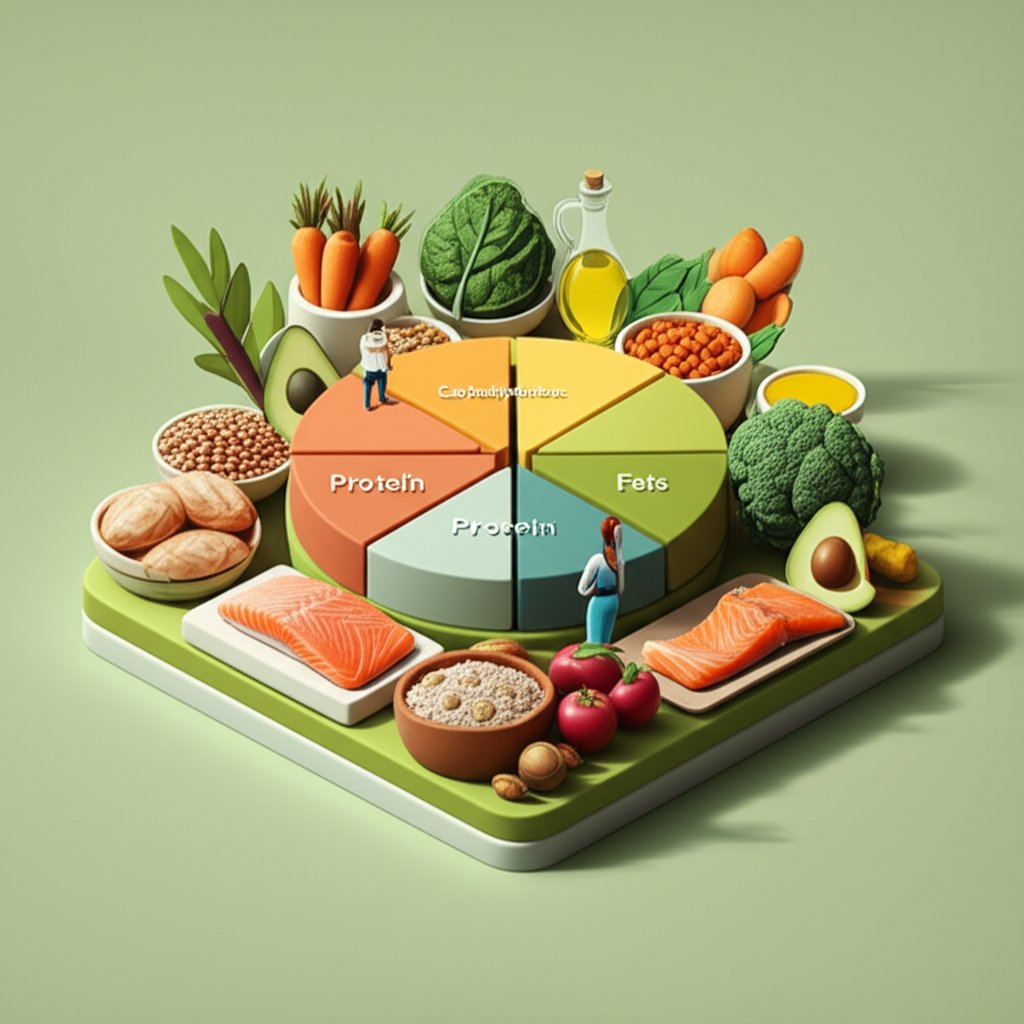
Let’s clear this up: “high macro” is industry shorthand, usually meaning a meal optimized for a specific goal. For most people, that translates to a meal that is high in protein, moderate in complex carbohydrates, and includes a source of healthy fats.
Why this structure?
- Protein (4 calories/gram): This is the star player. It’s crucial for building and repairing muscle, and it’s highly satiating, meaning it keeps you feeling full longer. A typical target for a high macro meal is 30–50 grams of protein.
- Carbohydrates (4 calories/gram): These are your body’s primary energy source, fueling your workouts and brain function. We focus on complex carbs (like quinoa or sweet potatoes) and fibrous carbs (vegetables) for sustained energy without the crash.
- Fats (9 calories/gram): Essential for hormone production and overall health, healthy fats also contribute to satiety. The key is portion control, as they are the most calorie-dense macronutrient.
Think of it like building a house. Protein is the sturdy frame—non-negotiable for structure. Carbs are the electricity that powers the tools and keeps the lights on. Fats are the insulation and plumbing, critical systems that make the house functional. You need all three, but the integrity of the frame dictates the strength of the final build.
While tracking every gram isn’t for everyone, understanding these basic building blocks is crucial. Our full guide to Macro meal prep recipes covers how to calculate your specific targets and provides a broader range of ideas to get you started.
The “All-in-One” vs. “Component Prep” Approach
When it comes to macro meal prep, there are two main philosophies. Neither is better—it’s about finding what fits your lifestyle and personality.
The All-in-One Meal: Grab-and-Go Perfection
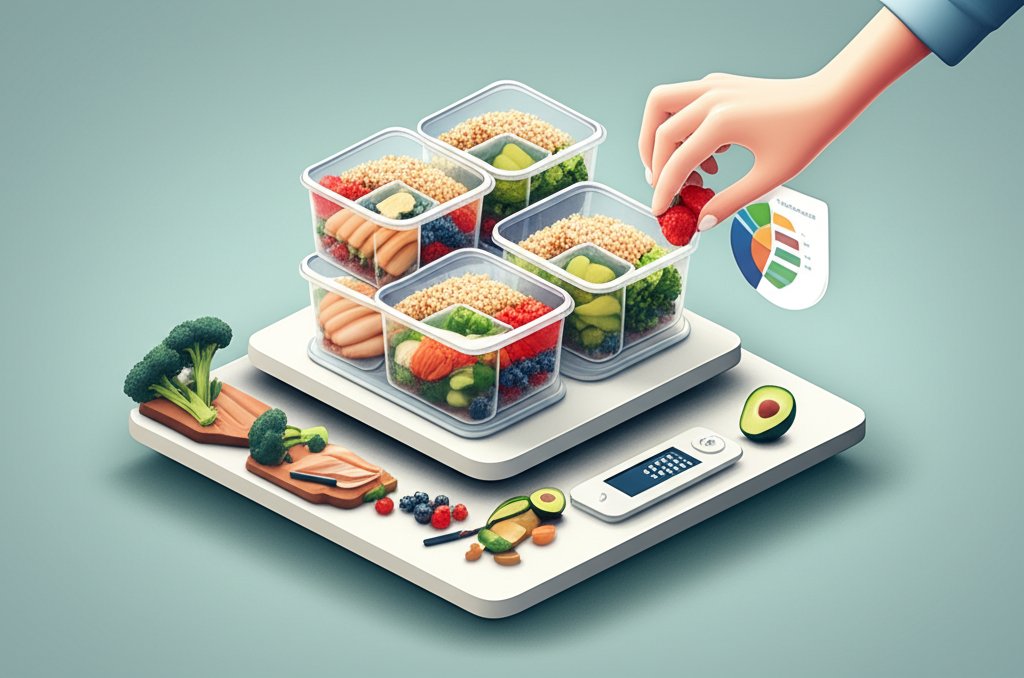
This is the classic meal prep you see all over social media: rows of identical containers, each holding a complete, portioned meal. You cook a big batch of a single recipe, like chicken fajita bowls, and divide it evenly.
- Pros: It’s the ultimate time-saver during a busy week. There’s zero thinking involved—just grab a container, heat, and eat. This method is fantastic for beginners who need structure and consistency.
- Cons: Flavor fatigue is real. Eating the exact same lunch for four days straight can get old fast, increasing the temptation to order takeout by Thursday. It’s also less flexible if your hunger levels or workout schedule changes.
- Best For: People with highly structured schedules, beginners who want to build a routine, or anyone who values convenience above all else.
Case Snippet: Mark, a busy consultant, used the “All-in-One” method to stick to his fat-loss goals. Every Sunday, he prepped five identical lunches of ground turkey, black beans, and roasted peppers. The sheer convenience of having a macro-friendly meal ready prevented him from grabbing unhealthy office lunches, helping him stay consistent.
The Component Prep Method: The Ultimate Flexibility
This is the specialist’s secret weapon. Instead of making complete meals, you prep ingredients in bulk and store them separately. Think of it as creating your own personal healthy buffet in the fridge.
Your fridge might have:
- A large container of shredded salsa chicken
- A container of roasted broccoli and bell peppers
- A pot of cooked quinoa
- A jar of homemade vinaigrette
- Pros: It crushes boredom. You can assemble different combinations daily. One day, you make a burrito bowl. The next, you toss the chicken and veggies into a salad. You can easily adjust portions based on your needs—adding more carbs on a workout day or more veggies on a rest day.
- Cons: It requires about two minutes of assembly time for each meal. It’s not a true “grab-and-go” solution.
- Best For: Anyone who gets bored easily, people with fluctuating daily calorie needs (like athletes), or those who enjoy a little creativity with their food.
Your Blueprint for Building a High Macro Meal
Whether you choose the All-in-One or Component method, the formula for building the meal remains the same. Follow these four steps to create endless combinations.
| Step | Component | Role | Practical Examples & Portions |
|---|---|---|---|
| 1 | Anchor with Lean Protein | Satiety, muscle repair | 4-6 oz grilled chicken breast, 5-7 oz salmon/tofu, 1 cup Greek yogurt, 1 scoop protein powder, 1 cup cooked lentils |
| 2 | Add Fibrous Carbs | Volume, nutrients, fiber | 1-2 cups broccoli, spinach, bell peppers, zucchini, asparagus, cauliflower rice |
| 3 | Include Complex Carbs | Sustained energy, fuel | 1/2 - 1 cup cooked quinoa, brown rice, oats, 4-6 oz sweet potato, 1 slice whole-grain bread |
| 4 | Finish with Healthy Fats | Hormones, satiety | 1/4 avocado, 1 tbsp olive oil/vinaigrette, 1 oz nuts (almonds, walnuts), 1 tbsp seeds (chia, flax) |
| Pro Tip: The easiest way to nail Step 2 is with a weekly sheet pan roast. Toss a huge batch of chopped broccoli, bell peppers, and red onion with a tablespoon of olive oil and your favorite seasonings. Roast at 400°F (200°C) for 20-25 minutes. You’ll have a versatile veggie base for the whole week. |
5 Plug-and-Play Templates for Any Goal

Here’s how that blueprint looks in the real world. Use these templates as a starting point and swap ingredients based on what you have and what you like.
1. The Power Breakfast Bowl
This template is designed to crush morning hunger and start your day with a significant protein hit.
- Protein: 1 cup 2% Greek yogurt mixed with 1 scoop vanilla protein powder.
- Carbs: 1/2 cup mixed berries (fibrous) and 1/4 cup low-sugar granola (complex).
- Fats: 1 tablespoon of chia seeds or chopped almonds.
2. The “Not-Sad” Desk Salad
The key to a good prepped salad is keeping the wet and dry ingredients separate until you’re ready to eat.
- Protein: 5 oz pre-cooked grilled chicken strips or 1 cup chickpeas.
- Veggies: 3 cups mixed greens, sliced cucumbers, and cherry tomatoes.
- Carbs: 1/2 cup cooked quinoa or roasted sweet potato cubes.
- Fats: 1/4 sliced avocado and 2 tbsp light vinaigrette (stored separately).
3. The Customizable Burrito Bowl
A classic for a reason. This bowl is flavorful, filling, and incredibly easy to prep in components.
- Protein: 5 oz shredded chicken (slow-cook a batch with salsa) or seasoned ground turkey.
- Veggies: Sautéed fajita peppers and onions, fresh salsa, shredded lettuce.
- Carbs: 1/2 cup brown rice and 1/2 cup black beans.
- Fats: 2 tbsp guacamole or a sprinkle of shredded cheese.
4. The 30-Minute Sheet Pan Dinner
The ultimate low-effort, high-reward meal for a busy night. Everything cooks on one pan.
- Protein: 2 pre-cooked chicken sausages, sliced, or a 5 oz salmon fillet.
- Veggies: 1-2 cups of broccoli florets and asparagus spears.
- Carbs: 1 cup cubed potatoes (russet or sweet).
- Fats: Toss everything in 1 tbsp of olive oil before roasting.
5. The High-Protein Overnight Oats
This isn’t your standard oatmeal. It’s a pudding-like, protein-packed breakfast that preps in minutes.
- Protein: Mix 1/2 cup rolled oats with 1 scoop protein powder, 1/2 cup Greek yogurt, and 1/2 cup almond milk.
- Carbs: The oats themselves and any fruit you add.
- Fats: 1 tbsp peanut butter powder or ground flaxseed.
Common Questions About High Macro Meal Prep
Getting started often comes with a few key questions. Here are the quick answers you need.
Q: Can I build muscle with plant-based high macro meals?
A: Absolutely. The principles are identical. Your protein anchors will be things like firm tofu (around 40g of protein per block), tempeh, edamame, lentils, and chickpeas. Combining sources is key. For example, a bowl with quinoa and black beans creates a complete protein profile. A high-quality plant-based protein powder is also an invaluable tool for hitting higher targets.
Q: How do I keep my prepped meals from getting soggy?
A: This is the number one enemy of meal prep. The solution is strategic layering and separation.
- For Salads: Use a mason jar or a container with compartments. Put dressing on the bottom, followed by hard veggies (carrots, peppers), grains (quinoa), protein, and finally, leafy greens on top. Shake just before eating.
- For Bowls: Store sauces, salsas, or guacamole in separate small containers.
- For Cooked Meals: Let all components cool completely before sealing the containers. Trapped steam creates condensation, which leads to sogginess.
Q: Isn’t eating the same thing every day bad for you?
A: Consistency is great for hitting goals, but variety is important for micronutrients. If you prefer the “All-in-One” method, simply prep two different lunch recipes for the week instead of one. If you’re using the “Component” method, you’re already set up for variety. You can also introduce variety with low-calorie flavor bombs: different hot sauces, mustards, spice blends, and fresh herbs.
Q: How long can I store these meals?
A: According to the USDA, cooked leftovers are safe in the refrigerator for 3 to 4 days. If you’re prepping for a full 5-day work week, consider freezing the meals for Thursday and Friday. Chilis, soups, cooked grains, and most cooked proteins freeze exceptionally well.
Your First Step: The 3-2-1 Prep Method
Feeling overwhelmed by all the options? Don’t try to prep seven different recipes on your first day. Start small and build momentum. This weekend, try the simple “3-2-1 Method” to set up a week of flexible, high macro meals.
Prep just these things:
- 3 Proteins: Bake a family pack of chicken breasts, hard-boil six eggs, and make sure you have a large tub of Greek yogurt.
- 2 Carbs: Cook a big pot of quinoa and roast a few chopped sweet potatoes.
- 1 Giant Batch of Veggies: Roast a huge sheet pan of your favorite vegetables, like broccoli, cauliflower, and red onion.
With this simple “buffet” in your fridge, you are never more than a few minutes away from assembling a Power Bowl, a “Not-Sad” Salad, or a quick plate of chicken and sweet potatoes. You’re in control, the food is delicious, and your goals are within reach. You’ve got this.

- Master Vegan Freezer Meal Prep to Simplify Your Busy Schedule - June 18, 2026
- Vegan Freezer Cooking Simplifies Healthy Meals on Busy Nights - June 17, 2026
- Vegetarian Freezer Recipes for Effortless Meal Prep and Delicious Dinners - June 16, 2026