Wrestling with spreadsheets and food scales can make meal prep feel like a second job. You want to see results, but the effort to create delicious, macro friendly recipes for weight loss often leads to burnout and a return to old habits. The secret isn’t about eating boring, repetitive meals; it’s about building a system with recipes that are both simple to prepare and perfectly aligned with your fat loss goals.
This isn’t about restriction. It’s about strategy. By mastering a few key recipes and principles, you can turn a Sunday afternoon into a week of effortless, goal-crushing meals that you actually look forward to eating.
At a Glance: Your Takeaways
- What “Macro Friendly” Really Means: Learn how to balance protein, carbs, and fats to support fat loss and preserve muscle.
- The Core Building Blocks: Discover the simple formula for constructing a perfect macro-balanced meal every time.
- A Week of Recipe Ideas: Get specific, easy-to-prep recipes for breakfast, lunch, and dinner.
- Customize for Your Goals: Learn how to easily tweak any recipe to increase protein or lower carbs to fit your unique macro targets.
- Smart Storage Solutions: Understand how to properly store your prepped meals to maintain freshness and safety.
What Does “Macro Friendly” Actually Mean for Shedding Pounds?
Before we jump into the recipes, let’s clear up the jargon. A “macro friendly” meal is simply one that helps you hit your daily targets for macronutrients—protein, carbohydrates, and fats—within a specific calorie budget. For weight loss, the goal is to create a calorie deficit while optimizing your macros to keep you full, energized, and prevent muscle loss.
Think of your daily macros like a financial budget. You have a total spending limit (calories), and you allocate those funds to different categories (protein, carbs, fat) to get the best return on your investment.
While there’s no single “magic” ratio, a common and effective starting point for weight loss, as cited by nutrition experts, is:
- 40% Protein: Crucial for satiety (feeling full) and preserving lean muscle mass while you’re in a calorie deficit.
- 40% Carbohydrates: Your body’s primary energy source, fueling workouts and brain function.
- 20% Fats: Essential for hormone production and absorbing certain vitamins.
Another popular split is 50% carbs, 35% protein, and 15% fat. The key is finding what works for your body and preferences. This is fundamentally different from a diet like keto, which drastically limits carbs to around 10% and relies heavily on fats (60%). The macro approach gives you far more flexibility with food choices.
The Anatomy of a Perfect Macro-Friendly Meal Prep Recipe
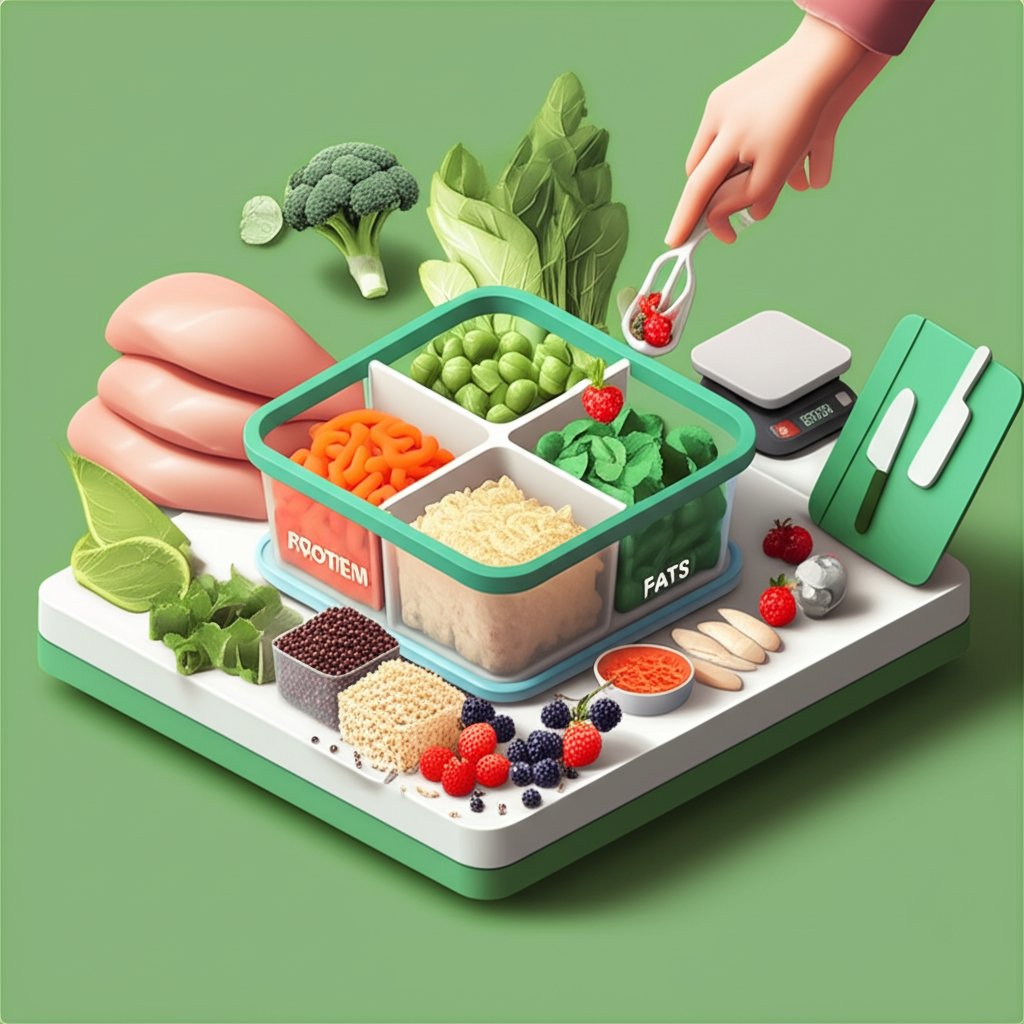
Every successful macro recipe is built on the same foundation. Once you understand these components, you can create endless variations or adapt any recipe you find. For a comprehensive look at combining these elements into a full-blown weekly plan, our Macro Meal Prep Recipes Guide offers an excellent framework.
Start with Protein as Your Anchor
Protein is the non-negotiable hero of weight loss. It digests slowly, which keeps you feeling full for hours and helps stabilize blood sugar, crushing the cravings that derail progress. Aim to build every meal around a solid protein source.
- Lean Meats: Chicken breast, 93/7 ground turkey, lean ground beef, pork loin.
- Fish: Cod, tilapia, tuna, salmon.
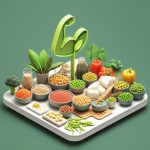
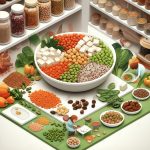
- Plant-Based: Lentils, chickpeas, black beans, tofu, tempeh, edamame.
- Dairy & Eggs: Greek yogurt, cottage cheese, egg whites, whole eggs.
Choose Your Carbs Wisely
Carbohydrates are not the enemy; the type of carb matters. For sustained energy and gut health, prioritize complex carbohydrates that are high in fiber. They prevent the energy spikes and crashes you get from simple sugars.
- Whole Grains: Quinoa, brown rice, oats, whole-wheat pasta.
- Starchy Vegetables: Sweet potatoes, butternut squash, corn, peas.
- Fibrous Vegetables: Broccoli, spinach, bell peppers, asparagus, cauliflower (you can eat these in massive quantities with minimal calorie impact).
Add Healthy Fats for Flavor and Function
Fats add rich flavor and are critical for your body’s systems. A little goes a long way, as they are the most calorie-dense macronutrient.
- Oils: Olive oil, avocado oil.
- Nuts & Seeds: Almonds, walnuts, chia seeds, flax seeds.
- Fruits & Other: Avocado, olives.
Your Meal-by-Meal Playbook: Simple Recipes to Get You Started
Here are some go-to macro friendly recipes for weight loss that are perfect for meal prep. The macros are estimates and can be adjusted based on your specific ingredients and portion sizes.
Breakfasts That Fuel Your Morning
Ditch the sugary cereals. A protein-packed breakfast sets the tone for the entire day.
- High-Protein Egg White Bites (Makes 12 bites)
- The Build: Whisk 2 cups of liquid egg whites with a cup of chopped spinach, diced bell peppers, and 1/2 cup of low-fat feta cheese. Season with salt and pepper. Pour into a greased muffin tin and bake at 375°F (190°C) for 15-20 minutes.
- Approx. Macros (per 2 bites): 97 calories, 2g fat, 2g carbs, 15g protein.
- Greek Yogurt Power Bowl
- The Build: In a container, layer 1 cup of plain non-fat Greek yogurt, 1/2 cup of mixed berries (frozen works great), and 1 tablespoon of chia seeds. Before eating, top with 1/4 cup of high-protein granola or a few almonds.
- Approx. Macros: 350 calories, 10g fat, 30g carbs, 35g protein.
Lunches to Crush Midday Cravings
A prepped, balanced lunch is your best defense against the 2 p.m. slump and tempting takeout.
- Hearty Vegan Lentil Chili (Makes 4-5 servings)
- The Build: In a large pot, sauté 1 diced onion and 2 cloves of garlic. Add 1 cup of brown or green lentils, a 28oz can of crushed tomatoes, a 15oz can of black beans (rinsed), a 15oz can of kidney beans (rinsed), and 4 cups of vegetable broth. Season with chili powder, cumin, and oregano. Simmer for 40-50 minutes until lentils are tender.
- Approx. Macros (per serving): 347 calories, 2g fat, 48g carbs, 23g protein.
- Air Fryer Turkey Burgers (Makes 4 burgers)
- The Build: Mix 1 lb of 93/7 ground turkey with 1 teaspoon each of garlic powder, onion powder, and smoked paprika. Form into 4 patties. Air fry at 370°F (188°C) for 15-18 minutes, flipping halfway. Serve over a bed of greens or with a side of roasted broccoli.
- Approx. Macros (per patty): 158 calories, 3g fat, 4g carbs, 28g protein.
Dinners That Satisfy Without Derailing Your Goals
End your day strong with a dinner that feels indulgent but keeps you on track.
- Slow Cooker Lean Bolognese (Makes 6 servings)
- The Build: Brown 1.5 lbs of 93/7 lean ground beef or turkey in a pan and drain any excess fat. Add it to a slow cooker with 1 chopped onion, 2 carrots (finely diced), and a 28oz can of crushed tomatoes. Season with Italian herbs, salt, and pepper. Cook on low for 6-8 hours.
- Approx. Macros (per serving, sauce only): 283 calories, 14g fat, 7g carbs, 26g protein. Serve over zucchini noodles for low-carb or whole-wheat pasta to hit carb goals.
- Zesty Baked Cod (Makes 4 servings)
- The Build: Place four 6-ounce cod fillets on a baking sheet. In a small bowl, mix the zest and juice of 1 lemon, 1 tablespoon of olive oil, and 2 cloves of minced garlic. Brush over the fish. Sprinkle with whole-wheat panko breadcrumbs and paprika. Bake at 400°F (200°C) for 12-15 minutes until flaky.
- Approx. Macros (per fillet): 174 calories, 1g fat, 15g carbs, 24g protein.
How to Adjust Any Recipe to Fit Your Personal Macros
This is where you take control. A recipe is just a template; you are the architect. Use this simple table to modify meals based on your needs for the day.
| If You Need… | Simple Actions to Take | Concrete Example |
|---|---|---|
| More Protein | Add an extra 2-3 oz of your lean protein source. Mix in a scoop of unflavored protein powder to sauces or yogurt. Add a side of cottage cheese or edamame. | The Turkey Burgers are 28g of protein. To hit a 40g target, add a side of 1/2 cup non-fat Greek yogurt mixed with dill for a dipping sauce. |
| More Carbs | Increase the portion of your grain or starchy vegetable. Add a side of fruit. Mix in more beans or corn. | The Baked Cod is low-carb. Serve it with a 1-cup portion of quinoa or a medium-sized roasted sweet potato to add 40-50g of quality carbs. |
| More Fats | Top your meal with 1/4 of an avocado. Sprinkle on a tablespoon of sunflower or pumpkin seeds. Drizzle with a teaspoon of olive oil before serving. | Your Vegan Lentil Chili is very low-fat. Top it with a dollop of cashew cream or sliced avocado to add healthy fats and improve satiety. |
| Fewer Calories/Carbs | Replace half of your grain portion (e.g., rice) with finely chopped cauliflower rice. Swap pasta for zucchini or spaghetti squash noodles. Bulk up the meal with non-starchy veggies like spinach or peppers. | The Slow Cooker Bolognese served over pasta can be high in carbs. Serve it over a bed of steamed green beans or sautéed zucchini to slash the carbs. |
The Meal Prep Logistics: Storing Your Food for Success
Proper storage is crucial for food safety and taste. Don’t let your hard work go to waste.
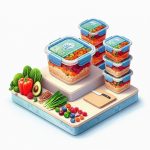
- Refrigerate Smartly: Most cooked meals last 3-5 days in the fridge in airtight containers. Keep foods with different textures (e.g., salad greens and dressing) separate until you’re ready to eat.
- Embrace the Freezer: Soups, stews, chilis, and casseroles are your freezer’s best friends. They can be stored for up to 3 months. Portion them into individual servings for a quick grab-and-thaw meal.
- Cool Down First: Always let hot food cool to room temperature before sealing and refrigerating. Sealing hot food traps steam, creating a moist environment where bacteria can thrive.
- Label Everything: Use a piece of masking tape and a marker to label each container with the meal’s name and the date it was prepped. It saves you from mystery-meal-roulette later in the week.
Quick Answers to Common Macro Meal Prep Questions
Q: Do I have to track macros forever to lose weight?
A: Not at all. Think of tracking as a temporary learning tool. It teaches you about food composition and appropriate portion sizes. After a few months, many people find they can intuitively eat in a way that supports their goals without logging every single bite.
Q: Can I find macro friendly recipes for weight loss if I’m vegan or vegetarian?
A: Absolutely. The principles are identical. Your protein anchors will simply be plant-based. Focus on building meals around lentils, chickpeas, tofu, tempeh, seitan, and high-quality plant-based protein powders.
Q: What’s the best macro ratio for weight loss?
A: The “best” ratio is the one you can stick to consistently that puts you in a calorie deficit. The 40% protein, 40% carb, 20% fat split is a balanced starting point, but don’t be afraid to adjust based on your energy levels and hunger. The most important factor is your total calorie intake.
Q: Isn’t meal prepping macro-friendly food expensive?
A: It can actually be much cheaper. Planning your meals prevents expensive impulse buys and takeout orders. You can buy protein and grains in bulk, use seasonal or frozen vegetables, and reduce food waste by using everything you buy. A week of prepped lunches often costs less than two or three bought lunches.
Your journey to weight loss doesn’t have to be a grind of bland chicken and broccoli. By focusing on simple, flavorful, and macro friendly recipes, you create a sustainable system for success. You trade a few hours of planning and cooking for a week of mental freedom and confidence, knowing that every meal is perfectly aligned with your goals.
Start small. Pick one recipe from this list—just one—and prep it for your lunches this week. See how it feels to have a delicious, goal-oriented meal ready and waiting for you. That small win is the first step toward building unstoppable momentum.

- Master Vegan Freezer Meal Prep to Simplify Your Busy Schedule - June 18, 2026
- Vegan Freezer Cooking Simplifies Healthy Meals on Busy Nights - June 17, 2026
- Vegetarian Freezer Recipes for Effortless Meal Prep and Delicious Dinners - June 16, 2026