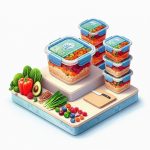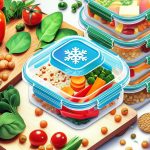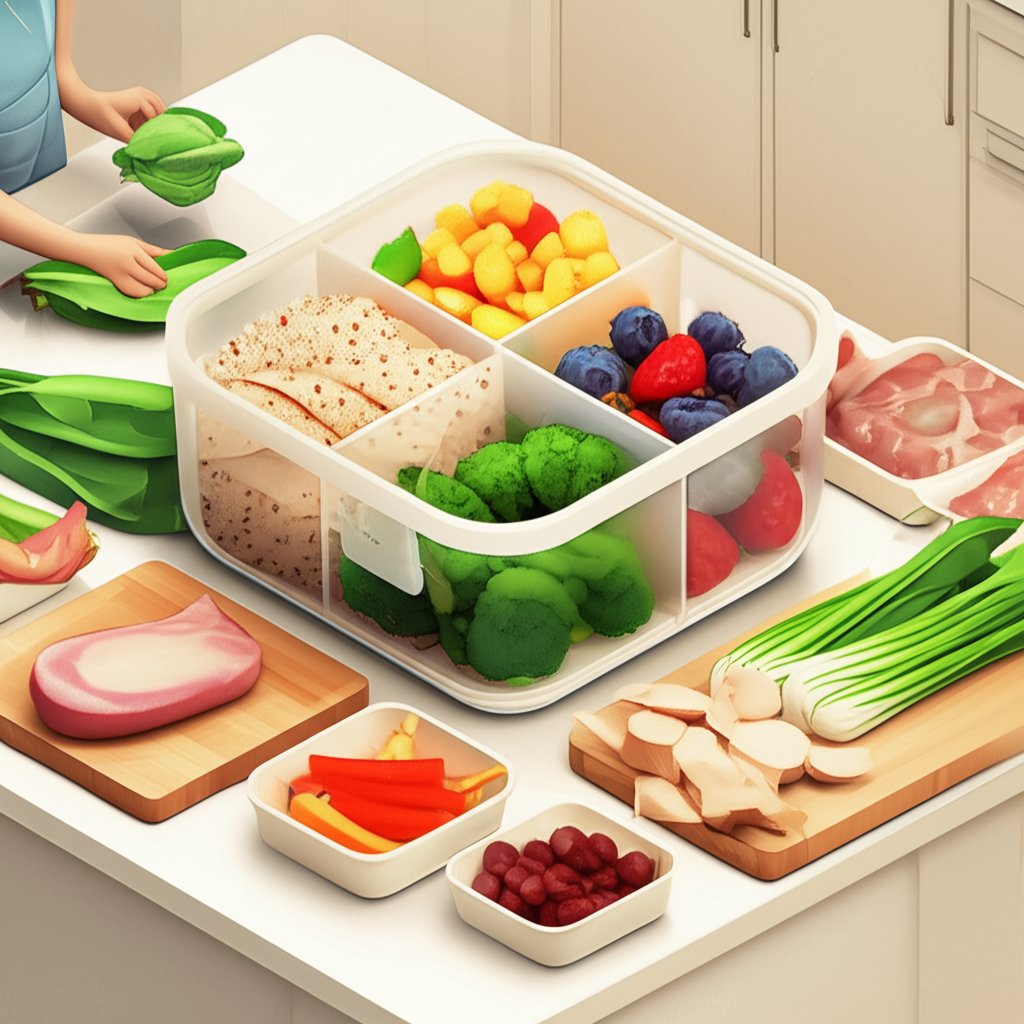
Trying to lose weight can feel like a constant battle between bland, boring food and the meals you actually want to eat. Crafting effective macro recipes for weight loss is the key to breaking that cycle. It’s not about restriction; it’s about strategic eating that keeps you full, fueled, and consistently burning fat without sacrificing flavor.
This guide moves beyond generic advice and gives you the practical frameworks and recipes to turn meal prep into your most powerful weight loss tool. We’ll focus on simple methods that fit a busy life, ensuring your healthy intentions make it from the cutting board to the dinner plate.
At a Glance: Your Key Takeaways
- Why Macros Matter: A calorie deficit is essential for weight loss, but balancing your macros (protein, carbs, fat) is what makes the process sustainable, helping you stay full and preserve muscle.
- The 4-Part Meal Formula: Learn the simple “Protein + Veggie + Carb + Fat” template for building perfectly balanced meals every time.
- Efficient Cooking Methods: Master the “Big Three” of time-saving meal prep: sheet pan dinners, slow cooker meals, and 30-minute skillets.
- Smart Low-Carb Swaps: Discover simple ingredient substitutions (like cauliflower rice or zucchini noodles) that slash calories and carbs without killing your cravings.
- Actionable Recipes: Get specific, high-protein recipe ideas you can cook this week for breakfast, lunch, and dinner.
More Than Just Calories: How Macros Fuel Fat Loss
While it’s true that you must be in a calorie deficit to lose weight, the source of those calories profoundly impacts how you feel and the results you get. Think of calories as your total budget, and macros as how you strategically spend that budget.
- Protein is your MVP. It’s the most satiating macronutrient, meaning it keeps you feeling fuller for longer. It also requires more energy for your body to digest (the thermic effect of food) and is crucial for preserving lean muscle mass while you lose fat. This is why high-protein meals are a cornerstone of effective weight loss.
- Carbohydrates are your primary energy source. Choosing complex carbs like sweet potatoes, quinoa, and oats provides sustained energy for workouts and daily life, preventing the energy crashes that lead to sugar cravings.
- Fats are essential for hormone function and satiety. Healthy fats from sources like avocado, nuts, and olive oil help regulate key hormones and contribute to feeling satisfied after a meal, preventing mindless snacking.
There is no single “perfect” macro ratio. A balanced starting point for many is 40% protein, 40% carbs, and 20% fat. However, the key is to find what works for you by focusing on whole foods and ensuring you consistently hit your protein target.
Your Weekly Blueprint for Macro-Focused Meal Prep
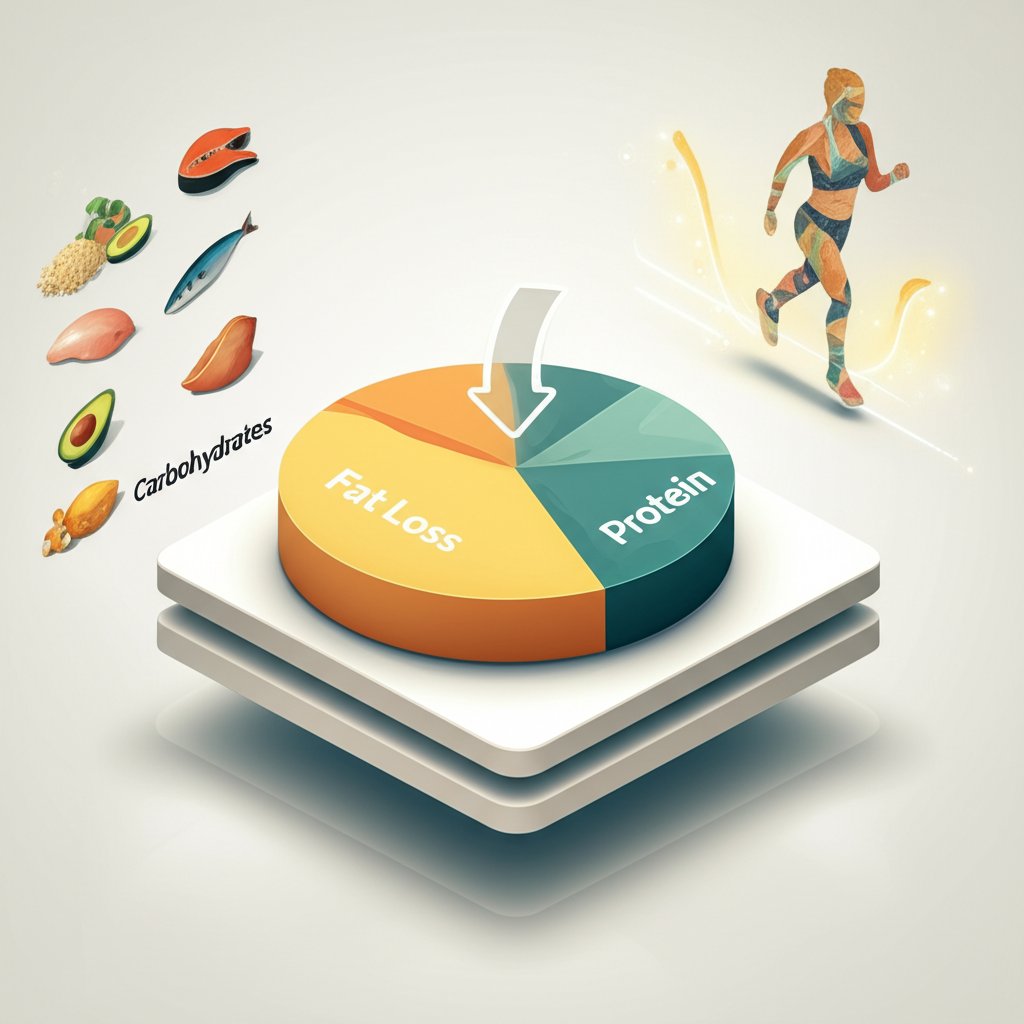
Overthinking is the enemy of consistency. Instead of trying to find dozens of complicated recipes, start with a simple, repeatable framework. Every single one of your macro recipes for weight loss can be built using this four-step template.
Step 1: Anchor Every Meal with Lean Protein
Start here. Your protein source is the foundation of a satiating meal. Aim for 25-40 grams of protein per meal to keep hunger at bay.
- Poultry: Chicken breast, chicken thighs, ground turkey (93/7)
- Lean Meat: Lean ground beef, pork loin
- Fish: Salmon, cod, shrimp, canned tuna
- Plant-Based: Lentils, chickpeas, tofu, tempeh, edamame
Step 2: Load Up on Fibrous Vegetables
Veggies add volume, fiber, and micronutrients to your meal for very few calories. They help fill your plate and your stomach, making a calorie-controlled portion feel substantial.
- Cruciferous: Broccoli, cauliflower, Brussels sprouts
- Leafy Greens: Spinach, kale, arugula
- Others: Bell peppers, onions, asparagus, zucchini
Step 3: Add a Measured Portion of Complex Carbs
Carbs are not the enemy—poorly timed, simple carbs are. A controlled portion of a slow-digesting carbohydrate provides the energy you need without spiking your blood sugar.
- Grains: Quinoa, brown rice, oats
- Tubers: Sweet potatoes, red potatoes
- Legumes: Black beans, chickpeas (these count as both a protein and a carb source)
Step 4: Finish with a Healthy Fat
Fats are calorie-dense, so a little goes a long way. A small serving adds flavor and boosts satiety, making your meal more satisfying.
- Oils: Olive oil, avocado oil
- Whole Foods: Sliced avocado, a sprinkle of nuts or seeds, a bit of cheese
This modular approach makes meal prep incredibly flexible. For a comprehensive library of dishes built on these principles, you can Get the full recipe guide.
Cook Smarter, Not Harder: Time-Saving Meal Prep Techniques
The best meal plan is the one you can actually stick with. These three cooking methods minimize prep time, reduce cleanup, and deliver delicious results, making them perfect for busy schedules.
The “Set It and Forget It” Slow Cooker
The slow cooker (or Crockpot) is your best friend for hands-off cooking. Most recipes require just 5-10 minutes of prep in the morning. You can come home to a perfectly cooked, high-protein meal.
- How it Works: Combine your protein, veggies, and liquids/spices in the morning and let it cook on low for 6-8 hours.
- Weight Loss Win: This method excels at making tougher, leaner cuts of meat incredibly tender. It’s also perfect for big-batch cooking of soups and chilis that you can eat all week or freeze for later.
- Example Idea: High-Protein Teriyaki Chicken. Place two chicken thighs per serving in the slow cooker with low-sodium soy sauce, ginger, garlic, and a touch of honey. Cook on low for 6 hours. Shred the chicken and serve over cauliflower rice with steamed broccoli. A two-thigh serving can pack over 58 grams of protein.
The One-Pan Wonder: Sheet Pan Dinners
For a meal that requires minimal cleanup, nothing beats a sheet pan. The principle is simple: protein and veggies are roasted together on a single pan, developing rich, caramelized flavors.
- How it Works: Toss chopped protein and hearty vegetables (like sweet potatoes, broccoli, and bell peppers) with a little olive oil and seasoning. Spread everything on a baking sheet and roast at 400°F (200°C) until cooked through.
- Weight Loss Win: Roasting brings out the natural sweetness in vegetables, making them more satisfying. It’s an easy way to ensure you’re getting a huge portion of nutrient-dense veggies with your meal.
- Example Idea: Sheet Pan Chicken Fajitas. Toss sliced chicken breast, bell peppers, and onions with fajita seasoning. Roast for 20-25 minutes. Serve in lettuce cups with a dollop of Greek yogurt instead of sour cream.
The 30-Minute Skillet and Stir-Fry
When you’re short on time, a skillet or a wok is the fastest way to a healthy meal. These recipes are typically ready in 15-30 minutes from start to finish.
- How it Works: Start by searing your protein, then remove it from the pan. Sauté your veggies, add the protein back in with a flavorful sauce, and serve.
- Weight Loss Win: This method gives you complete control over the ingredients, unlike takeout stir-fries that are often loaded with sugar and oil.
- Example Idea: Honey Garlic Shrimp & Broccoli. Sauté shrimp for 2-3 minutes until pink. Set aside. Stir-fry broccoli florets in the same pan with garlic. Add the shrimp back in with a sauce made from low-sodium soy sauce, a teaspoon of honey, and a little water.
Cut Carbs, Not Flavor: Strategic Swaps for Faster Results
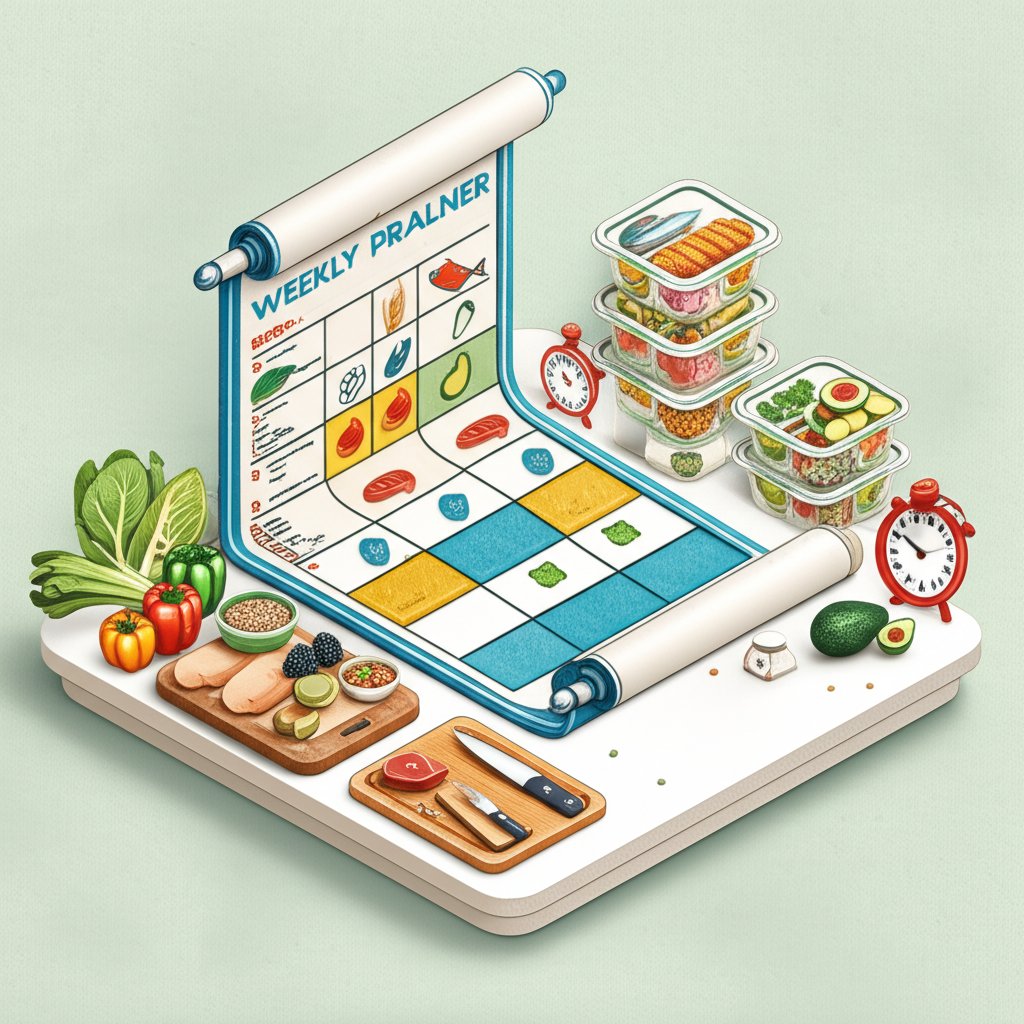
Reducing your carbohydrate intake can be a powerful lever for accelerating weight loss. But you don’t have to give up your favorite meal formats. These simple swaps provide a similar texture and eating experience with a fraction of the carbs and calories.
| Instead of This… | Try This… | The Macro Benefit |
|---|---|---|
| White or Brown Rice | Cauliflower Rice | Cuts carbs by over 90% and adds a serving of vegetables. |
| Pasta Noodles | Zucchini Noodles (“Zoodles”) | Drastically reduces calories and carbs, perfect for bolognese or pesto. |
| Flour Tortillas | Crisp Lettuce Wraps | Provides a satisfying crunch with virtually zero carbs. Ideal for tacos or fajitas. |
| Pizza Crust | Cauliflower Crust | Lets you enjoy pizza night while keeping your carb goals in check. |
| A Practical Scenario: A standard chicken burrito bowl with rice and beans can easily top 70 grams of carbs. By swapping the rice for cauliflower rice and using a lettuce wrap instead of a tortilla, you can get that number under 20 grams, leaving more room in your macro budget for protein or healthy fats like guacamole. |
Frequently Asked Questions
Q: Do I have to track macros perfectly to lose weight?
No, consistency beats perfection. The most important factor is maintaining a calorie deficit. Focus first on hitting your daily protein goal (to preserve muscle and stay full) and keeping your calories in check. Macro tracking is a powerful tool for precision, but you can see great results by simply using the meal-building template and focusing on whole foods.
Q: How long can I store meal-prepped food?
For most cooked meals, the standard is 3 to 5 days in an airtight container in the refrigerator. Dishes like chilis, soups, and casseroles are excellent for freezing and can last up to 3 months. Baked goods like protein muffins can also be frozen for several months, making for a quick grab-and-go breakfast.
Q: What if I hate cooking?
Start with the path of least resistance. A sheet pan meal involves about 10 minutes of chopping and 25 minutes of hands-off roasting. A slow cooker meal is even simpler. You can also lean on “assembly” recipes. A protein bowl can be made with pre-cooked chicken strips from the grocery store, a microwavable packet of quinoa, and a bag of mixed greens. It’s more assembly than cooking.
Q: Are macro recipes for weight loss expensive?
They don’t have to be. Building your meals around budget-friendly proteins like chicken thighs, ground turkey, eggs, and legumes (chickpeas, lentils) is highly cost-effective. Buying vegetables that are in season and purchasing grains like oats and rice in bulk will always be cheaper than eating out or buying pre-made “diet” meals.
Your Next Step: From Plan to Plate
Knowledge is great, but action is what creates results. Don’t try to become a master meal prepper overnight. The key to sustainable weight loss is building small, repeatable habits.
Here is your plan for this week:
- Pick One Method: Choose either the sheet pan, slow cooker, or skillet method.
- Choose One Recipe: Select one of the example ideas from this article that sounds good to you.
- Make a Small Grocery List: Write down only the ingredients you need for that single recipe.
- Cook It: Prepare 3-4 servings of that meal.
That’s it. You’ll have healthy, macro-balanced lunches or dinners ready for the next few days. Once you master one recipe and see how simple it can be, you can add a second one next week. This is how you build a system that works for you, one delicious meal at a time.

- Master Vegan Freezer Meal Prep to Simplify Your Busy Schedule - June 18, 2026
- Vegan Freezer Cooking Simplifies Healthy Meals on Busy Nights - June 17, 2026
- Vegetarian Freezer Recipes for Effortless Meal Prep and Delicious Dinners - June 16, 2026