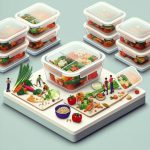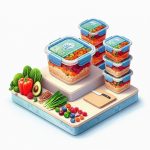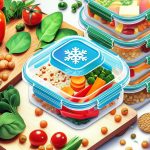
That 5 PM scramble—the daily dilemma of what to cook when you’re already tired and hungry—is a familiar stressor. But imagine a different scenario: opening your freezer to find a lineup of delicious, ready-to-heat plant-based meals. This is the power of strategic vegan freezer meal prep, a system that transforms your busiest weeknights from chaotic to calm by putting your future self first. It’s about cooking smarter, not harder, to ensure a nourishing vegan meal is always just minutes away.
At a Glance: Your Quick Guide to Success
- Understand the Two Core Methods: Learn the difference between “Cook & Freeze” complete meals (like stews) and “Prep & Freeze” meal kits (like fajita fillings) to match your cooking style.
- Master the Freezer-Friendly Pantry: Stock up on vegan staples like beans, lentils, tofu, and hearty vegetables that are built to withstand the freeze.
- Avoid Common Pitfalls: Discover which foods don’t freeze well (goodbye, soggy cucumbers) and how to pack meals properly to prevent dreaded freezer burn.
- Reheat Like a Pro: Learn the best techniques for reheating different types of meals—from oven to stovetop—to restore their just-cooked flavor and texture.
- Start Small, Win Big: Get a simple, actionable plan to complete your first vegan freezer meal prep session this week.
The Vegan Freezer-Friendly Mindset: More Than Just Leftovers
Effective vegan freezer meal prep isn’t about randomly freezing leftovers; it’s a deliberate practice designed to save time, reduce food waste, and make sticking to a plant-based diet incredibly convenient. It’s a game-changer, especially if you’ve ever felt that vegan cooking is too time-consuming for a hectic schedule.
Busting the Myth: It’s Not Complicated or Expensive
Let’s clear this up: a whole-food, plant-based diet is one of the most budget-friendly ways to eat. The foundational ingredients of vegan cooking—lentils, beans, rice, potatoes, and seasonal vegetables—are far more economical than meat and most specialty products. A big batch of lentil ragù or black bean chili costs pennies per serving and freezes beautifully, making it an economic and culinary win.
Building Your Plant-Based Pantry for Success
Having the right ingredients on hand is half the battle. A well-stocked pantry makes it easy to whip up a freezer-friendly recipe without a last-minute trip to the store.
Your Freezer Prep All-Stars:
| Category | Examples | Why They Work Well |
|---|---|---|
| Legumes | Canned or dried lentils, chickpeas, black beans | The backbone of hearty stews, chilis, and burgers. They hold their texture perfectly after freezing. |
| Grains | Quinoa, brown rice, bulgur | Cook them slightly al dente to prevent mushiness upon reheating. Great for bowls and casseroles. |
| Proteins | Tofu (extra-firm), tempeh, seitan | Freezing actually improves the texture of tofu, making it chewier and more absorbent. |
| Vegetables | Onions, carrots, bell peppers, broccoli, corn, peas, spinach, sweet potatoes | Sturdy veggies are champs. Chop them for “prep & freeze” kits or cook them into dishes. |
| Canned Goods | Diced tomatoes, coconut milk, pumpkin purée | Essential for creating rich, flavorful sauces in curries, soups, and pasta dishes. |
| Flavor Boosters | Nutritional yeast, soy sauce, miso paste, tahini, spices (cumin, smoked paprika) | These are your secret weapons for deep, savory flavor that only gets better over time. |
The Two Core Methods of Vegan Freezer Meal Prep
Not all freezer meals are created equal. Understanding the two primary approaches will help you choose the right strategy for the right recipe. Many home cooks find success by combining both methods throughout the month.
Method 1: The “Cook & Freeze” Complete Meal
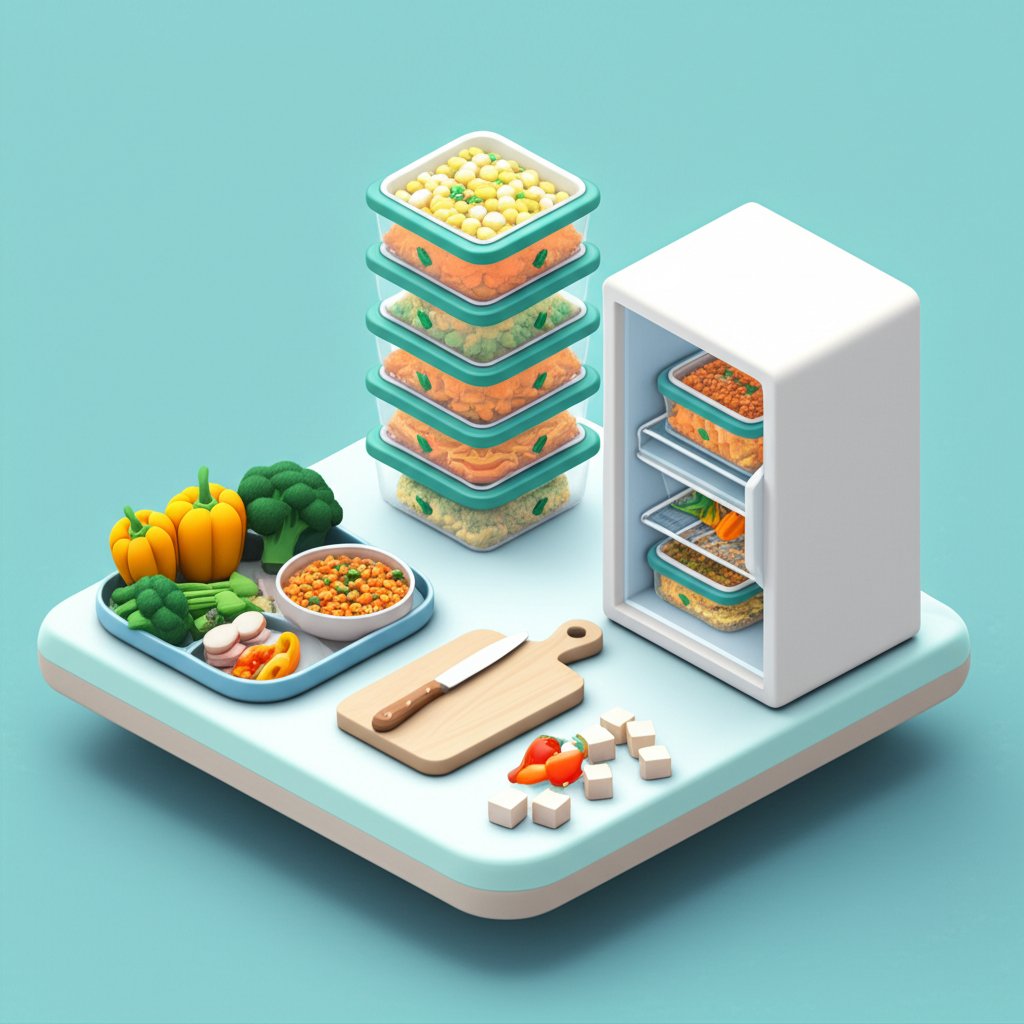
This is the most common approach. You cook a full recipe from start to finish, cool it, portion it, and freeze it. When you’re ready to eat, you simply thaw and reheat. It’s the ultimate grab-and-go solution for the busiest nights.
- Best For: Soups, stews, chilis, curries, casseroles, and baked pasta dishes.
- Case Snippet: You make a large batch of Satay Sweet Potato Lentil Curry on a Sunday. You eat one portion for dinner and freeze the remaining five in individual glass containers. On a frantic Tuesday, you pull one out, microwave it for a few minutes, and serve it over quick-cooking rice for a 10-minute gourmet meal.
- Example Recipes: Hearty Lentil Ragù, Vegan Mushroom Stroganoff, Creamy Vegan Potato Broccoli Casserole.
Method 2: The “Prep & Freeze” Meal Kit
Here, you do the chopping, mixing, and marinating ahead of time, but you freeze the components before the final cooking stage. This method preserves the fresh-cooked texture of certain dishes and often requires just a few minutes of active cooking on the day you eat.
- Best For: Stir-fries, fajitas, burgers, marinated tofu or tempeh, and falafel.
- Case Snippet: You slice bell peppers and onions, cube some tempeh, and toss it all in a fajita spice marinade. You freeze this mixture flat in a reusable silicone bag. On a weeknight, you dump the frozen contents directly into a hot skillet and sauté until cooked through. You serve it in warm tortillas with fresh avocado.
- Example Recipes: Vegan Sheet Pan Tempeh Fajita mix, Chipotle Quinoa Burger patties, Easy Vegetable Stir Fry components.
Choosing the right method is key. Now that you have a framework, you can explore a world of recipes. For a great starting point with lots of inspiration, Find easy vegetarian freezer meals that can be easily adapted for a vegan lifestyle using the pantry staples mentioned above.
A Practical Playbook for Freezer Success
The secret to delicious freezer meals lies in the details of preparation and storage. Following these steps will protect your food’s flavor, texture, and nutritional value.
Step 1: Choosing Your Vegan Champions (And What to Avoid)
Some foods are destined for the freezer, while others should be added fresh upon serving.
Excellent Freezer Candidates:
- Bean- and lentil-based dishes (chilis, stews, curries)
- Soups (except for cream-based ones that might separate; coconut milk bases are great)
- Casseroles and bakes (lasagna, shepherd’s pie, enchiladas)
- Veggie burgers and falafel (freeze uncooked patties or balls)
- Muffins, pancakes, and waffles
- Marinated tofu and tempeh
Handle with Care or Add Later: - Potatoes: Can become grainy in soups. If using, puree them into the soup base or use waxy varieties like Yukon Gold, which hold up better.
- Pasta & Rice: Cook to al dente (still firm). If fully cooked, they can become mushy upon reheating. For casseroles, undercooking them slightly is a pro move.
- Crispy Toppings: Add breadcrumbs, fried onions, or fresh herbs after reheating to maintain their crunch and freshness.
- High-Water-Content Veggies: Avoid freezing raw cucumbers, lettuce, radishes, and tomatoes. They will turn into a watery mess when thawed.
Step 2: The Cool-Down is Non-Negotiable
Never, ever put a hot pot of food directly into your freezer. This raises the temperature inside the freezer, partially thawing nearby items and creating a food safety risk. More importantly, it causes large ice crystals to form, which ruins the texture of your meal.
The Right Way: Let food cool on the counter for about an hour, then transfer it to the refrigerator to cool completely before moving it to the freezer.
Step 3: Packing Like a Pro to Banish Freezer Burn
Freezer burn happens when air comes into contact with your food, causing dehydration and oxidation. The key to preventing it is using the right containers and removing as much air as possible.
- Glass Containers (Pyrex, etc.): Excellent for individual portions and reheating in the microwave or oven (make sure it’s oven-safe!). Leave a half-inch of headspace for liquids to expand.
- Silicone Bags (Stasher, etc.): Reusable, flexible, and great for “prep & freeze” kits like stir-fry veggies or marinated tofu. Squeeze out all the air before sealing.
- Freezer-Safe Zip-Top Bags: A budget-friendly option. For liquids, lay them flat to freeze into “bricks” for easy, stackable storage. Use the water displacement method: submerge the almost-sealed bag in water to force the air out, then seal it completely.
- Foil Pans: Perfect for large-format casseroles or bakes like lasagna or enchiladas. For best results, wrap the food in plastic wrap, then cover the pan tightly with foil.
Step 4: Label Everything, Trust No One (Especially Future You)
You might think you’ll remember what that frozen brown lump is, but in two months, you won’t. Use a permanent marker or masking tape to label every single container with:
- Name of the Dish (e.g., “Black Bean Chili”)
- Date of Freezing (e.g., “10/26/23”)
- (Optional) Reheating instructions (e.g., “Thaw and heat on stove”)
From Frozen to Fantastic: The Reheating Guide
Proper reheating is the final, crucial step to ensure your meal is as delicious as the day you made it.
Thawing Safely and Efficiently
- The Best Method (Refrigerator): The safest way is to move your meal from the freezer to the fridge the night before you plan to eat it. It will thaw slowly and evenly.
- The Fast Method (Microwave): Use the “defrost” setting for a quick thaw, but be prepared to cook it immediately afterward. This method can sometimes start to cook the edges of the food.
- The Cold Water Bath: Place your food in a sealed, leak-proof bag and submerge it in a bowl of cold tap water. Change the water every 30 minutes until thawed.
Crucial Safety Note: Never thaw food by leaving it on the kitchen counter at room temperature. This allows harmful bacteria to multiply.
Reheating for Optimal Taste and Texture
- Soups, Stews, and Curries: Pour thawed contents into a pot and reheat gently on the stovetop, stirring occasionally. This gives you the best control and avoids microwave hot spots.
- Casseroles and Bakes: Reheat, covered with foil, in an oven set to around 350°F (175°C) until hot and bubbly. Remove the foil for the last 10 minutes to crisp up the top.
- Burgers, Patties, and Falafel: Pan-fry, bake, or air-fry from frozen or thawed according to the original recipe instructions.
- Stir-Fry Kits: Throw them directly from frozen into a very hot, oiled wok or skillet. The high heat will cook the vegetables quickly without letting them get soggy.
Quick Answers to Common Questions
Q: Can you freeze tofu and tempeh?
A: Absolutely! Freezing and thawing extra-firm tofu gives it a wonderfully chewy, spongy texture that’s fantastic at soaking up marinades. Tempeh also freezes exceptionally well, making it perfect for meal kits or pre-cooked dishes.
Q: Will my vegan pasta or rice dishes get mushy?
A: They can if you’re not careful. The trick is to slightly undercook the pasta or rice before freezing it in a sauce or casserole. Cooking it to al dente ensures that it will absorb some liquid during the reheating process and finish cooking to the perfect texture, not a mushy one.
Q: How long do vegan freezer meals actually last?
A: For the best quality, flavor, and texture, aim to consume your meals within 2–3 months. While they can remain safe to eat for up to 6 months if stored properly, their quality may start to decline after the 3-month mark.
Q: Is it okay to freeze dishes made with coconut milk?
A: Yes, coconut milk holds up remarkably well to freezing, especially when it’s an ingredient in a cooked dish like a curry or soup. It may look a bit separated when thawed, but a good stir during reheating will bring it right back together into a creamy, cohesive sauce.
Your First Vegan Freezer Prep Session
Feeling inspired but not sure where to start? Keep it simple.
- Pick One Recipe. Choose something you already love that freezes well, like the Vickie’s Vegan Black Bean Chili or a simple Cauliflower Lentil Curry.
- Double the Batch. While you’re cooking dinner this week, simply double all the ingredients. It takes barely any extra effort.
- Eat One, Freeze One. Enjoy a delicious dinner tonight. Let the second half of the batch cool completely, then portion it into freezer-safe containers.
- Label and Store. Label your containers with the dish name and date. Place them in the freezer and give yourself a high-five.
You’ve just gifted your future self a delicious, stress-free meal. That’s the entire philosophy of vegan freezer meal prep in action. It’s a simple act of planning that pays off tenfold on those hectic days when you need it most.

- Master Vegan Freezer Meal Prep to Simplify Your Busy Schedule - June 18, 2026
- Vegan Freezer Cooking Simplifies Healthy Meals on Busy Nights - June 17, 2026
- Vegetarian Freezer Recipes for Effortless Meal Prep and Delicious Dinners - June 16, 2026