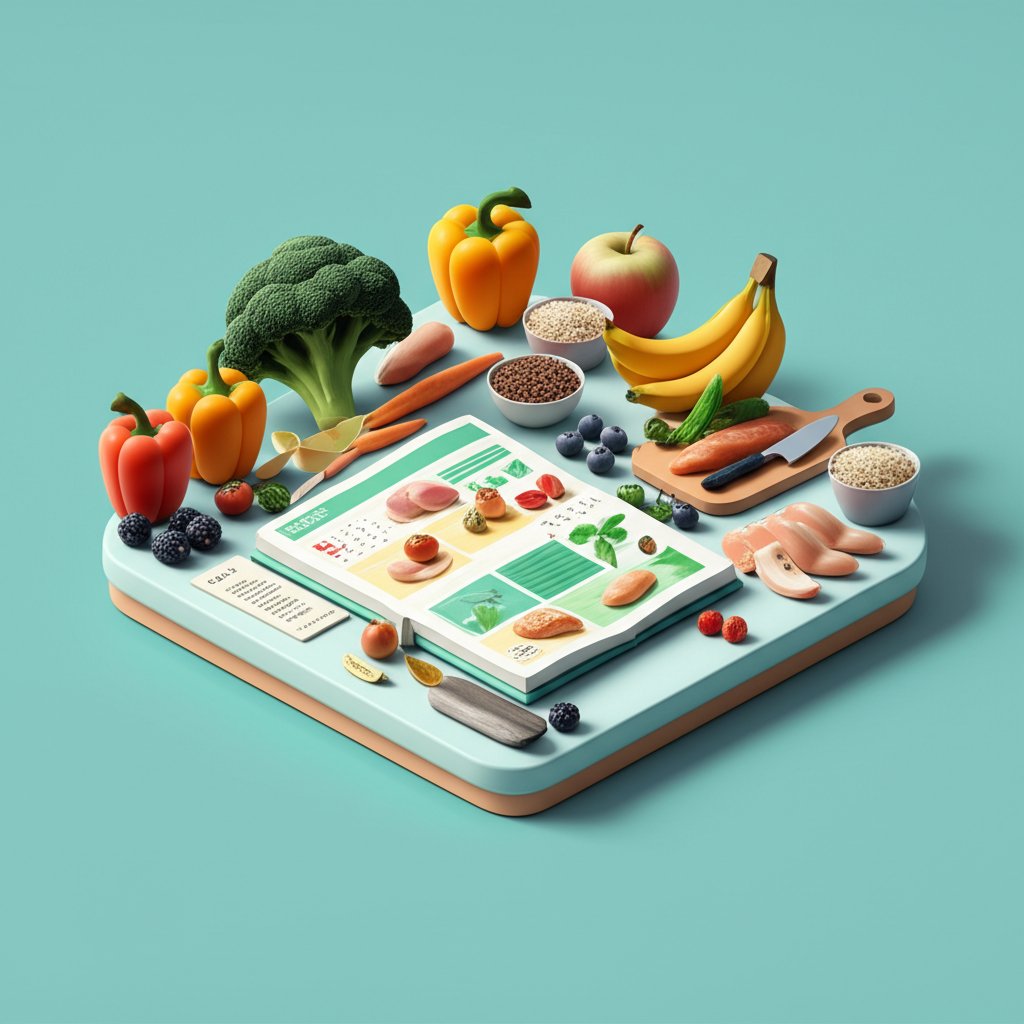
The clock ticks past 5 p.m., and the familiar panic sets in: What’s for dinner? For millions, this daily question triggers a frantic scramble through the fridge, often ending in an expensive takeout order or another bowl of cereal. But what if the answer was already waiting for you, neatly outlined in a simple meal planner book? This analog tool is making a powerful comeback, offering a tangible solution to digital fatigue and dinner-time chaos.
A meal planner isn’t just a notebook; it’s a command center for your kitchen. It’s a system designed to save you time, slash your grocery bill, and reduce the mental load of deciding what to eat three times a day. By transforming a chaotic daily task into a calm weekly ritual, you reclaim your evenings and put nourishing, enjoyable food back on the table.
At a Glance: Your Guide to Meal Planning Success
Here’s what you’ll find in this guide to help you master your meals:
- Why It Works: Understand the core benefits of using a physical planner to reduce stress, save money, and minimize food waste.
- Find Your Type: Discover the different kinds of meal planners available, from simple tear-off pads to comprehensive guided journals.
- Must-Have Features: Learn what to look for when choosing a planner, including smart layouts, grocery lists, and helpful extras.
- A System That Sticks: Get a practical, four-step process for making meal planning a sustainable habit you’ll actually enjoy.
- Expert-Backed Plans: See how specialized planners can support specific dietary needs, from renal-friendly to high-protein lifestyles.
Why a Simple Notebook Is Your Secret Weapon Against Kitchen Chaos
In a world of endless apps and notifications, the act of putting pen to paper has a unique power. It forces focus, encourages commitment, and provides a clear, distraction-free overview of your week. The core problem for most families isn’t a lack of recipes; it’s decision fatigue. A meal planner book tackles this head-on.
Instead of making dozens of food-related choices every day, you make them once a week. This simple shift frees up immense mental energy. You’ll stop overbuying produce that wilts in the crisper and making impulse purchases at the grocery store. Research and trends for 2024-2025 show a massive consumer shift toward practical tools that simplify life, reduce waste, and promote stress-free balance—a niche the meal planner book fills perfectly. Many users find there are significant Benefits of a meal planning journal beyond just organization, including a greater sense of control and mindfulness around their eating habits.
Not All Planners Are Created Equal: Finding Your Perfect Match
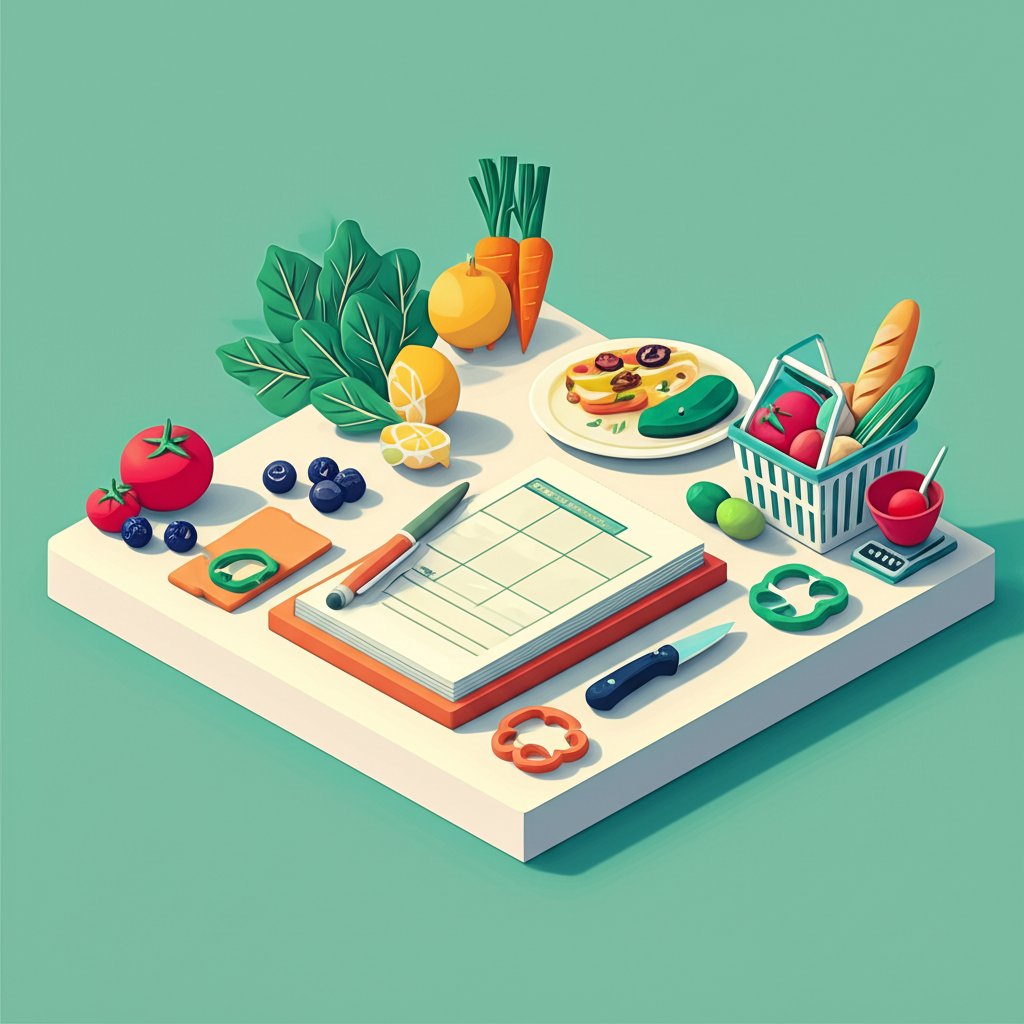
The term “meal planner book” covers a wide range of formats, each designed for a different type of user. Your ideal planner depends on your goals, your personality, and how much detail you want to track. Let’s break down the most common categories.
The All-in-One: Guided Planners and Journals
These are for the detail-oriented person who wants to see the big picture. More than just a menu, these planners often function as a complete wellness tracker.
For example, the Lady Jayne undated guided planner (7.25″ x 9.5″) has dedicated spaces for meals, snacks, recipes, and shopping lists, but also tracks exercise, water intake, and even caffeine consumption. Similarly, the “52-Week Meal Planner” by Jessica Levinson, MS, RDN, CDN, provides a robust system with weekly templates for breakfast, lunch, dinner, and snacks. It also includes thoughtful extras like blank recipe cards and price comparison sheets to help you track costs for staples at different stores. If you see meal planning as part of a larger wellness goal, you’ll want to Start your meal planning diary with one of these comprehensive options.
The Minimalist: Tear-Off Pads and Simple Layouts
If you crave simplicity and just want to get the job done, a minimalist planner is your best bet. These formats prioritize function over frills, giving you a clean framework to plan your week.
Think of the classic 9″ x 12″ weekly pad with 52 tear-off sheets—one for every week of the year. Each sheet is typically segmented into days of the week, with a dedicated space for a grocery list. Jotty Dotty planners are famous for their perforated, tear-off shopping lists, making your trip to the store incredibly efficient. Even iconic brands offer streamlined solutions; the Martha Stewart compact planner (3.75″ x 9″) features two simple internal pads—one for menus and one for groceries—perfect for tucking into a purse.
The Long-Haul: Multi-Year Planners
For those who love to establish a system and stick to it, a multi-year planner is a game-changer. These planners provide a consistent framework for 12, 24, or even more months, saving you the hassle of buying a new book every year.
Products like the “Weekly Meal Planner” from ANIDMA LLC offer a full two years of planning pages. Its 106-page sibling, the “Weekly Meal Planner: Your Two-Year Meal Plan Solution,” does the same. This format is ideal for busy parents or professionals who want to reduce recurring administrative tasks. Once you find a rhythm, you can even look back at previous weeks for inspiration, creating a personal archive of successful family meals.
The Recipe-Driven: Cookbook-Planner Hybrids
This category is perfect for anyone following a specific dietary lifestyle or simply looking for fresh inspiration. These books are written by nutritionists and chefs, combining hundreds of recipes with a structured, done-for-you meal plan.
They remove the guesswork, which is crucial for managing health conditions or achieving specific fitness goals.
- For Kidney Health: Bailey Lambert’s “Super Easy Renal Diet Cookbook for Beginners 2024” offers a 30-day meal plan alongside 1700 recipes designed to balance sodium, potassium, and phosphorus.
- For a Mediterranean Diet: Ella Barr’s cookbook provides a 30-day plan and 2000 quick recipes, making this heart-healthy lifestyle accessible for beginners.
- For Energy and Digestion: Deborah Donoho and Dr. Harry G. Shaw’s book focuses on high-protein, high-fiber meals, offering both recipes and prep strategies to maintain energy levels.
These hybrids serve as both an instructional guide and a planning tool, making them an excellent value.
The Anatomy of a High-Impact Meal Planner
With so many options, how do you choose? Focus on the features that will make your life easiest. A planner that looks beautiful but doesn’t fit your workflow will just end up collecting dust.
Here are the key components to consider before you Shop meal planners now.
| Feature | What to Look For | Why It Matters |
|---|---|---|
| Layout & Orientation | Weekly, Monthly, or Daily views. Most people find a weekly spread is the sweet spot for planning. | A weekly layout gives you a bird’s-eye view without being overwhelming. Monthly is good for big-picture planning (like budgeting), while daily is best for detailed tracking. |
| Grocery List | Integrated, perforated, or tear-off sections. Look for lists categorized by store aisle (produce, dairy, pantry). | A well-designed list is the bridge between your plan and your cart. Perforated lists are the most convenient for taking to the store without carrying the whole book. |
| Flexibility | Dated vs. Undated pages. Most planners today are undated. | Undated planners let you start anytime and skip weeks without wasting pages-perfect for when you go on vacation or decide to be spontaneous. |
| Size & Portability | Compact (like Martha Stewart’s 3.75″ x 9″) vs. Full-Size (like a 9″ x 12″ pad). | A smaller planner is easy to carry, while a larger one offers more writing space. Consider if it will live on your kitchen counter or travel with you. |
| Bonus Content | Pantry/freezer inventory sheets, price comparison logs, recipe cards, and snack trackers. | These extras elevate a planner from a simple scheduler to a powerful kitchen management tool. They help you “shop your pantry” first and make smarter purchasing decisions. |
| Ultimately, the best planner is the one you’ll use consistently. Be realistic about how much detail you’re willing to manage. If you’re new to this, starting with a simple tear-off pad might be wiser than committing to a complex guided journal. |
From Blank Page to Full Plate: A Practical Four-Step System
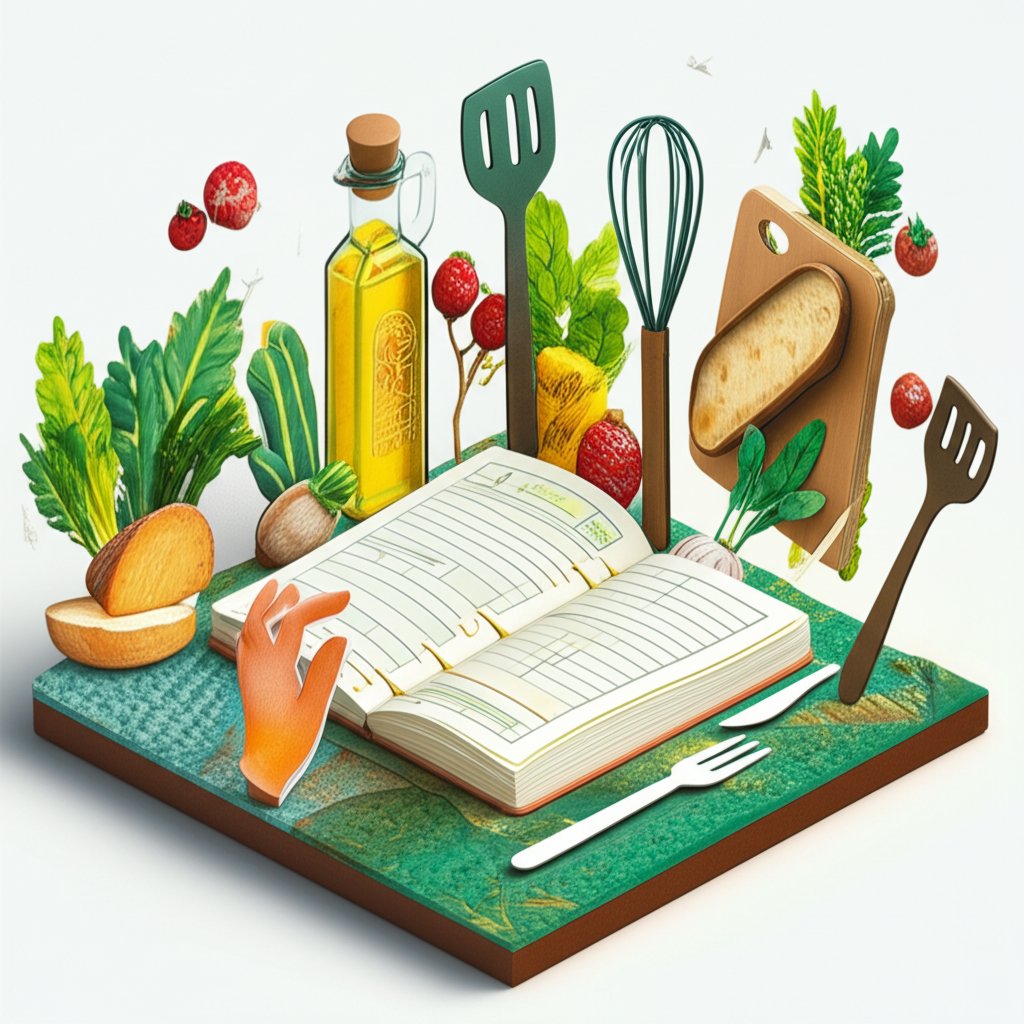
Owning a planner is one thing; using it effectively is another. Follow this simple system to build a routine that sticks.
Step 1: Schedule a Weekly “Power Hour”
Set aside 30-60 minutes each week—Sunday evening is a popular choice—to plan. Treat this as a non-negotiable appointment with yourself. During this time, “shop” your own kitchen first. Check your pantry, fridge, and freezer to see what you need to use up.
Step 2: Theme Your Days
To conquer the “blank page” intimidation, assign a theme to each night. This simple trick dramatically narrows your choices. Your themes could be anything: Meatless Monday, Taco Tuesday, Pasta Wednesday, Leftover Thursday, Pizza Friday. This structure provides inspiration without being overly restrictive.
Step 3: Map Your Meals and Build Your List
With your themes as a guide, slot in specific recipes for the week. As you fill in each day, add the ingredients you’ll need to your grocery list. Be sure to check your pantry inventory so you don’t buy a third jar of paprika. An organized list is a cornerstone of an effective Your meal prep journal guide.
Step 4: Prep for Success
Your plan is only as good as your prep. After your shopping trip, dedicate an hour to “future you.” Wash and chop vegetables, marinate proteins, cook a batch of grains, or mix up a jar of salad dressing. This front-loaded effort makes weeknight cooking incredibly fast—often just a matter of assembling and heating.
Common Meal Planning Hurdles (and How to Clear Them)
Even with the perfect system, you might run into a few snags. Here’s how to handle the most common challenges.
What if I don’t feel like eating what I planned?
This is the number one reason people abandon their meal plans. The solution is to build in flexibility. Don’t schedule every single night down to the minute.
- Plan a “Flex Night”: Designate one night a week for leftovers, a pantry meal (like pasta aglio e olio), or takeout.
- Create a “Back-Up” List: Keep a list of 2-3 ultra-fast emergency meals you can make with pantry staples. Think scrambled eggs, grilled cheese and tomato soup, or a frozen pizza.
How can a meal planner help with a specific diet?
A meal planner book is an invaluable tool for dietary management. It provides the structure needed to ensure you’re hitting nutritional targets and avoiding problematic ingredients. Instead of navigating your diet on a meal-by-meal basis, you can plan a whole week of compliant, balanced dishes. The cookbook-planner hybrids mentioned earlier are a fantastic starting point, as they are created by experts like Bailey Lambert to take the stress and research out of specialized eating.
Are digital apps better than a physical book?
There’s no “better,” only what’s better for you. Apps are great for recipe discovery and collaborative lists. However, many people find that a physical planner helps them focus without the distraction of push notifications. The tactile nature of writing things down can also improve memory and commitment. If you find yourself endlessly scrolling for recipes on an app but never actually cooking them, a physical book might provide the focus you need.
What’s the deal with AI-generated meal planner books?
This is an emerging trend for 2025. The concept involves using artificial intelligence to create a hyper-personalized meal planner book tailored to your specific goals, food preferences, allergies, and even your nutritional background. While still in its early stages, this technology promises to combine the customizability of an app with the tangible benefits of a physical book.
Ready to Reclaim Your Weeknights?
A meal planner book is more than a tool for organization; it’s a commitment to a calmer, more intentional life. It’s about trading daily stress for a weekly moment of clarity. By deciding your meals in advance, you’re not just planning dinner—you’re creating more time for your family, your hobbies, and yourself.
You don’t need a perfect system from day one. Start small. Plan just three dinners for the upcoming week. Get a feel for the process and notice the immediate relief that comes from knowing the answer to “What’s for dinner?” is already taken care of. Choose a planner that excites you, grab a pen, and Start your meal planning journey today. If you’re serious about your health goals, you can even Start your food journal today within the same book. The peace of mind is well worth the effort.

- Master Vegan Freezer Meal Prep to Simplify Your Busy Schedule - June 18, 2026
- Vegan Freezer Cooking Simplifies Healthy Meals on Busy Nights - June 17, 2026
- Vegetarian Freezer Recipes for Effortless Meal Prep and Delicious Dinners - June 16, 2026