Feeling hungry and deprived is often the biggest reason diets fail. If you’ve tried cutting calories only to end up battling constant cravings, a simple 1500 calorie meal plan high protein approach might be the strategic shift you need. It’s not about eating less; it’s about eating smarter to keep you full, preserve muscle, and make weight loss feel more sustainable.
This plan focuses on using the power of protein to transform a standard 1500-calorie diet from a challenge of willpower into a manageable and satisfying way of eating.
At a Glance: Your High-Protein Plan
- The Goal: Feel fuller longer on 1500 calories to support consistent weight loss.
- The Protein Target: Aim for approximately 100-110 grams of protein daily, well above the standard minimums.
- Why It Works: Protein boosts satiety, helps maintain metabolism-fuelling muscle, and requires more energy to digest.
- Key Strategy: Include a significant protein source in every meal and snack.
- What You’ll Get: A sample day’s menu, a shopping list of protein powerhouses, and smart meal prep tips you can start today.
Why High Protein Makes a 1500-Calorie Plan Feel Easier
Cutting calories is a basic principle of weight loss, but the type of calories you eat determines how you feel during the process. Protein is the undisputed champion of satiety—the feeling of fullness and satisfaction after a meal.
Think of it this way: 100 calories from a sugary snack is like kindling—it burns fast and leaves you wanting more. 100 calories from a protein source like Greek yogurt is like a slow-burning log, providing steady energy and keeping hunger signals quiet for hours.
This isn’t just a feeling; it’s science. Here’s why it works:
- Reduces Hunger Hormones: Protein intake decreases levels of ghrelin, the “hunger hormone,” while boosting appetite-reducing hormones like peptide YY. This hormonal shift makes it physically easier to stick to your calorie goals.
- Preserves Muscle Mass: When you lose weight, you risk losing both fat and muscle. A high-protein diet helps protect your valuable, metabolically active muscle tissue. More muscle means a higher resting metabolism, which is crucial for long-term weight management.
- Boosts Metabolism (Slightly): Your body uses energy to digest food, a process known as the Thermic Effect of Food (TEF). Protein has a much higher TEF (20-30%) compared to carbs (5-10%) and fat (0-3%). This means your body burns more calories just breaking down protein-rich foods.
What a High-Protein Day Actually Looks Like
It’s one thing to talk about grams and macros, but it’s another to see it on a plate. This sample day is designed to hit approximately 1,494 calories with a powerful 110g of protein, 70g of fat, and 118g of carbs.
This structure provides a template. For a complete 7-day guide with different daily menus, our broader Simple 1500 calorie plan offers a comprehensive framework.
Sample 1500-Calorie, High-Protein Day
| Meal | Food Items | Approx. Calories | Approx. Protein |
|---|---|---|---|
| Breakfast | Scrambled Eggs & Avocado Toast • 2 large eggs, scrambled • 1 slice whole-wheat toast • 1/4 avocado, sliced |
350 | 20g |
| Lunch | Chicken & Quinoa Power Bowl • 4 oz grilled chicken breast • 1 cup cooked quinoa • 1 cup mixed greens, cucumber, and bell peppers • 2 tbsp vinaigrette |
450 | 40g |
| Snack | Greek Yogurt with Berries • 1 cup (7 oz) plain, non-fat Greek yogurt • 1/2 cup mixed berries |
180 | 22g |
| Dinner | Baked Salmon with Roasted Broccoli • 5 oz salmon fillet • 2 cups broccoli florets, roasted with 1 tsp olive oil • 1/2 cup sweet potato, baked |
515 | 28g |
| Total | ~1,495 | ~110g | |
| This example shows how distributing protein throughout the day—from eggs at breakfast to salmon at dinner—keeps you consistently fueled and satisfied. |
Your High-Protein Playbook: Smart Swaps and Meal Prep
A plan is only “simple” if it fits your life. Flexibility is key. Here’s how to build your own high-protein week without complex calculations.
Stock Your Kitchen with Protein Powerhouses
Having these foods on hand makes hitting your protein goals almost automatic.
- Lean Meats & Poultry: Chicken breast, turkey breast, lean ground turkey (93/7), lean cuts of beef (like sirloin).
- Fish & Seafood: Salmon, tuna (canned in water), cod, shrimp, tilapia.
- Eggs & Dairy: Eggs, plain Greek yogurt, cottage cheese, kefir, low-fat milk.
- Plant-Based Proteins: Lentils, chickpeas, black beans, edamame, tofu, tempeh.
- Nuts & Seeds (in moderation): Almonds, walnuts, chia seeds, hemp seeds, pumpkin seeds. These are calorie-dense, so watch portion sizes.
The Art of the Smart Swap
Don’t like salmon? No problem. The goal is to substitute foods with a similar nutritional profile.
- Good Swap: Swapping 5 oz of salmon for 5 oz of chicken breast. Both are primary protein sources with comparable calories.
- Poor Swap: Swapping 5 oz of salmon for a large handful of almonds. While almonds have protein, they are much higher in fat and calories for the same volume, throwing off your daily targets.
Rule of Thumb: Replace a protein with a protein, a carb with a carb, and a fat with a fat. This keeps your macros balanced without needing a calculator for every change.
Simple Meal Prep for a Successful Week
Consistency comes from preparation. You don’t need to spend your entire Sunday in the kitchen. Focus on “power prep” that gives you the biggest return.
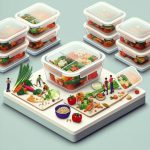
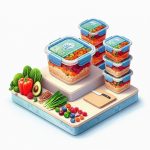
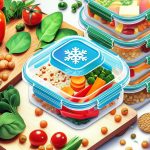
- The “Cook Once, Eat Four Times” Lunch: The Chicken Quinoa Bowl is a perfect example. On Sunday, grill 16 oz of chicken breast and cook 4 cups of quinoa. Each day, just assemble a portion with fresh greens and veggies. This strategy, highlighted in weekly plans, solves lunch for most of the workweek.
- The Grab-and-Go Breakfast: Hard-boil 4-6 eggs at the start of the week. They’re ready for a quick breakfast or a fast, protein-rich snack. Pair two with a piece of fruit, and you’re out the door.
- Portion Your Snacks: Instead of grabbing from a large bag of nuts or a big tub of cottage cheese, portion them out into small containers. This prevents mindless overeating and makes smart snacking effortless.
Hitting Your Numbers: A Realistic Look at Daily Macros
It’s easy to get obsessed with hitting exact numbers every single day. In reality, your intake will fluctuate. Based on data from successful 7-day meal plans, your daily protein might range from 77g one day to over 102g the next.
Don’t panic. The goal is a strong weekly average, not daily perfection. The 2020-2025 Dietary Guidelines for Americans recommend a minimum of around 50 grams of protein per day for basic health. This plan ensures you’re getting at least 77g on your lowest day, with most days far exceeding that to specifically support weight loss and satiety. The average target of 110g is a powerful goal for optimizing results.
Similarly, don’t be tempted to drop calories much lower than 1500. The same guidelines caution that going to 1200 calories or below makes it incredibly difficult to meet your body’s essential nutrient needs and is often unsustainable.
Quick Answers to Common Questions
How much protein is enough on a 1500-calorie diet?
For weight loss, a great target is between 90-120 grams per day. This range is high enough to provide significant benefits for satiety and muscle preservation. An average of 110g, or about 30% of your total calories, is an excellent goal.
Can I build muscle on a 1500-calorie high-protein diet?
You can absolutely preserve, and even build, muscle on this plan, especially if you are new to strength training. The calorie deficit drives fat loss, while the high protein intake provides the necessary building blocks to repair and maintain muscle tissue stimulated by exercise. For significant muscle gains (bulk), more calories would eventually be needed.
Is a 1500-calorie high-protein diet safe for everyone?
For most healthy adults, it is a safe and effective approach for weight loss. However, it’s always best to consult with a doctor or registered dietitian before making significant dietary changes, especially if you have underlying health conditions like kidney disease.
What if I’m vegetarian or vegan?
This approach is entirely possible with plant-based eating. You’ll rely heavily on sources like lentils, beans, tofu, tempeh, seitan, edamame, and high-quality plant-based protein powders. The key is to be diligent about including a primary protein source with every meal to reach your daily target.
Your First Step to a Simpler, More Satisfying Diet
Switching to a simple 1500 calorie meal plan high protein isn’t about restriction; it’s a strategic move to work with your body’s hunger signals, not against them. By prioritizing protein, you create a foundation for weight loss that feels less like a diet and more like a nourishing, sustainable lifestyle.
Ready to start? Here’s your quick-start checklist for the week:
- Plan Your Proteins: Choose three high-protein breakfast options and three dinner recipes for the week.
- Prep Your Lunch: Cook a large batch of a grain (quinoa, brown rice) and a lean protein (chicken, chickpeas) to assemble for at least four days of lunches.
- Boil Your Eggs: Prepare half a dozen hard-boiled eggs for quick, effective snacks.
- Stock Smart Snacks: Buy plain Greek yogurt, cottage cheese, or pre-portioned nuts so a smart choice is always the easy choice.
Take it one meal and one day at a time. You’ll be surprised at how much more satisfied and in control you feel.

- Master Vegan Freezer Meal Prep to Simplify Your Busy Schedule - June 18, 2026
- Vegan Freezer Cooking Simplifies Healthy Meals on Busy Nights - June 17, 2026
- Vegetarian Freezer Recipes for Effortless Meal Prep and Delicious Dinners - June 16, 2026