Searching for a simple 1500 calorie meal plan often feels like the first real step toward taking control of your health. It’s a number that feels manageable, not overly restrictive, and promises a clear path forward. But a list of foods isn’t enough. You need a plan that’s built on sound nutrition, keeps you feeling full, and is flexible enough to fit into your actual life.
This is that guide. We’ve distilled dietitian-backed advice into a straightforward framework for weight loss that prioritizes nourishment over deprivation. It’s about more than just hitting a number; it’s about building satisfying meals that fuel your body and help you reach your goals without the guesswork.
At a Glance: What You’ll Find Inside
- Is 1500 Calories Right for You? A quick gut-check to see if this plan aligns with your goals and activity level.
- The Golden Rules of Success: Four core principles that make a 1500-calorie diet effective and sustainable.
- A Complete 5-Day Meal Plan: A detailed, dietitian-approved template showing you exactly what to eat for breakfast, lunch, dinner, and snacks.
- Build-Your-Own-Meal Formulas: Simple templates to help you create your own balanced meals so you never get bored.
- Answers to Common Questions: Quick, clear answers to the most frequent questions about a 1500-calorie lifestyle.
Is a 1500 Calorie Diet Right for You?
For many adults, 1500 calories per day creates a gentle but effective calorie deficit, which is the cornerstone of weight loss. A calorie deficit simply means you’re consuming fewer calories than your body burns, prompting it to use stored fat for energy.
This level is often a good starting point for:
- Women who are moderately active (e.g., exercise 3-4 times a week).
- Men who are less active or have a smaller frame.
However, 1500 calories may be too low for highly active individuals, very tall people, or those with certain medical conditions. The goal is steady, sustainable fat loss, not rapid weight loss that sacrifices muscle or energy. As always, consulting with a doctor or registered dietitian is the best way to tailor a plan to your unique body and medical history.
The Core Principles of a Successful 1500 Calorie Plan
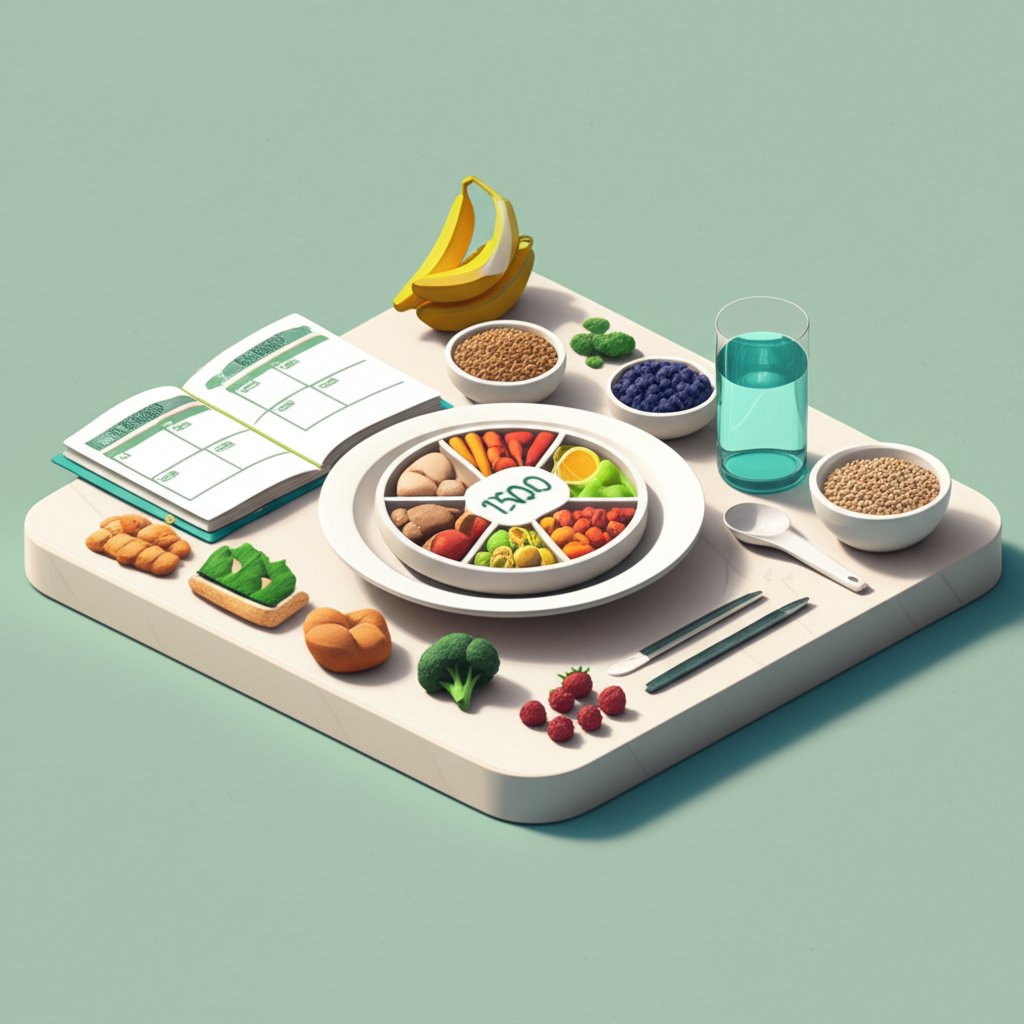
Simply eating less isn’t the answer. The quality of your calories determines how full, energized, and satisfied you feel. Following these four principles will transform your plan from a restrictive diet into a nourishing lifestyle.
1. Build Balanced, Satisfying Plates
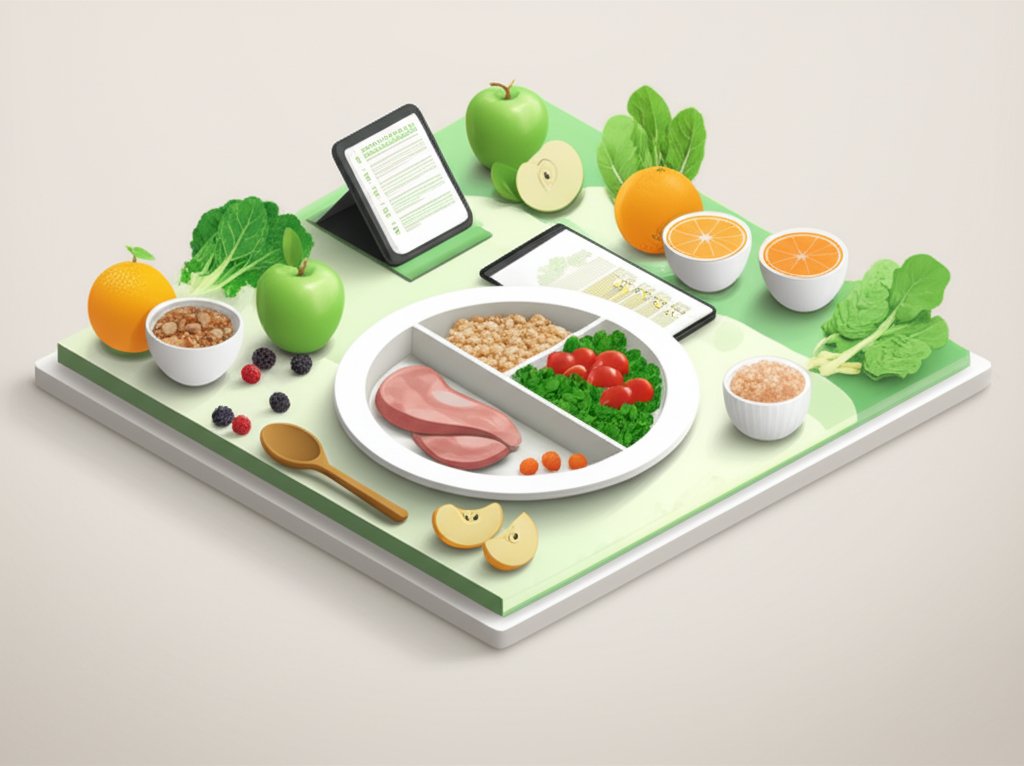
Every meal should be a team effort of macronutrients. This strategy keeps you full for hours and stabilizes your blood sugar, preventing the energy crashes that lead to cravings.
- Lean Protein: The foundation of muscle repair and satiety. Think chicken breast, fish, eggs, lean beef, turkey, and legumes.
- High-Fiber Carbohydrates: Fiber slows digestion, keeping you full and supporting a healthy gut. Choose whole-wheat bread, quinoa, brown rice, sweet potatoes, and oats.
- Healthy Fats: Essential for hormone function and absorbing vitamins. Great sources include avocado, olive oil, nuts, and seeds.
- Non-Starchy Vegetables: Pack your plate with these. They are low in calories but high in vitamins, minerals, and volume. Kale, spinach, broccoli, bell peppers, cauliflower, and mushrooms are all fantastic choices.
2. Hydration is Non-Negotiable
Thirst is often mistaken for hunger. Staying well-hydrated with water helps regulate your metabolism, improves energy levels, and can significantly reduce unnecessary snacking. Aim for at least eight glasses of water a day.
3. Pair Your Carbs Wisely
Carbohydrates are your body’s primary energy source, but eating them alone can sometimes lead to a quick spike and fall in blood sugar. To avoid this, always pair carb-dense foods with a source of protein, fat, or fiber. For example, instead of just an apple, have an apple with a handful of almonds. This simple trick promotes lasting energy and fullness.
4. Be Mindful of “Liquid Calories”
It’s easy to forget that drinks can add significant calories to your day. A single cocktail or sugary latte can contain 100-200 calories or more, undoing your careful planning. Limit alcohol and sugary beverages, and opt for water, herbal tea, or black coffee instead.
A 5-Day Simple 1500 Calorie Meal Plan (Dietitian-Approved)
Here is a sample week designed by nutrition experts to be balanced, delicious, and easy to follow. Use it as a blueprint and feel free to swap in foods you love using the principles above.
Day 1
- Daily Totals: Approx. 1,500 calories, 70g protein, 139g carbs, 52g fat.
- Breakfast: Scrambled eggs with spinach and a side of 1 slice whole-wheat toast.
- Morning Snack: 1 medium apple.
- Lunch: Veggie & Hummus Sandwich on whole-wheat bread and 1 medium orange.
- Afternoon Snack: 10 walnut halves and 1 tablespoon of dark chocolate chips.
- Dinner: Grilled Shrimp & Pesto Quinoa Bowl.
Day 2
- Daily Totals: Approx. 1,485 calories, 39g protein, 179g carbs, 74g fat.
- Breakfast: Oatmeal made with water or unsweetened milk, topped with 3/4 cup strawberries and 2 tablespoons of chopped walnuts.
- Morning Snack: 2 clementines.
- Lunch: Large green salad with chickpeas, cucumber, cherry tomatoes, and a light vinaigrette.
- Afternoon Snack: 8 walnut halves and 5 dried apricots.
- Dinner: Chipotle-Lime Cauliflower Tacos with a side of tortilla chips and 1/4 cup guacamole.
Day 3
- Daily Totals: Approx. 1,516 calories, 63g protein, 161g carbs, 77g fat.
- Breakfast: Everything Bagel Avocado Toast and 1 clementine.
- Morning Snack: 2 medium carrots with 1/4 cup hummus.
- Lunch: Fig & Goat Cheese Salad.
- Afternoon Snack: 1 medium apple, sliced with a sprinkle of cinnamon.
- Dinner: Spaghetti Squash & Chicken with Avocado Pesto. For people who want to maximize their protein intake at dinner, there are plenty of Simple 1500-calorie high-protein meals that can be swapped in.
- Evening Snack: 1 tablespoon dark chocolate chips and 5 strawberries.
Day 4
- Daily Totals: Approx. 1,489 calories, 62g protein, 190g carbs, 58g fat.
- Breakfast: Oatmeal made with water or unsweetened milk, topped with 3/4 cup strawberries and 2 tablespoons of chopped walnuts.
- Morning Snack: 10 walnut halves and 1 tablespoon of dark chocolate chips.
- Lunch: Apple & Cheddar Pita Pockets.
- Afternoon Snack: 3 medium carrots with 1/4 cup hummus.
- Dinner: Orange-Glazed Salmon with Asparagus and 1 cup of cooked brown rice.
Day 5
- Daily Totals: Approx. 1,508 calories, 89g protein, 155g carbs, 67g fat.
- Breakfast: Salsa Scrambled Eggs with a small banana on the side.
- Morning Snack: 2 clementines and 6 walnut halves.
- Lunch: Tuna & Olive Spinach Salad.
- Afternoon Snack: 1 medium pear.
- Dinner: Hasselback Caprese Chicken with 2 small slices of toasted baguette.
Building Your Own 1500 Calorie Meals: Simple Swaps & Ideas
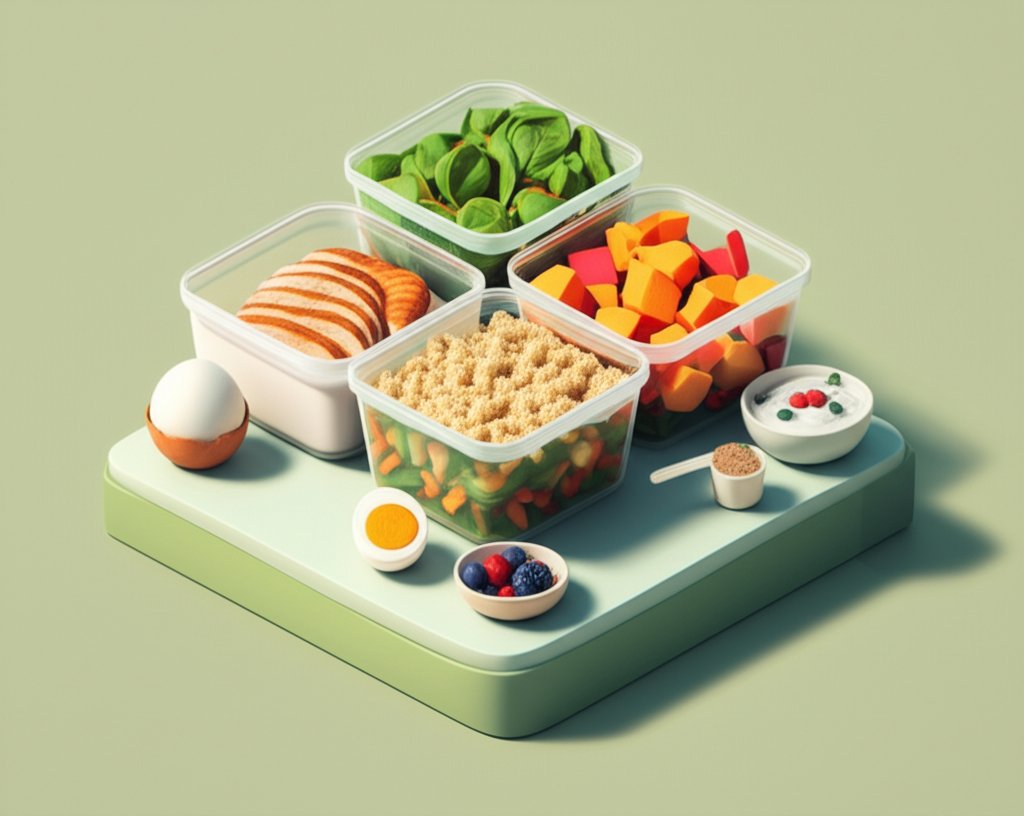
The key to long-term success is learning how to build your own meals. Use these dietitian-approved formulas as a guide to mix and match your favorite healthy foods.
Breakfast Inspiration (Around 350 Calories)
- The Classic: 2 scrambled or fried eggs, 1 slice of whole-wheat toast, and ½ an avocado.
- Why it works: Protein from eggs, fiber from toast, and healthy fats from avocado create a powerhouse of satiety that keeps you full until lunch.
- The Yogurt Bowl: 1 cup plain low-fat Greek yogurt, 1 cup of raspberries, 2 tablespoons of slivered almonds, and a sprinkle of chia seeds.
- Why it works: This is packed with protein, fiber, and healthy fats. The berries add natural sweetness and antioxidants.
Satisfying Lunch Ideas (Around 450 Calories)
- The Power Salad: 2 cups of spinach or mixed greens, 4 oz grilled chicken breast, ½ cup chickpeas, chopped veggies (carrots, bell peppers, cucumber), and 1 oz of goat cheese with a light vinaigrette.
- Why it works: A perfect balance of lean protein, fiber-rich legumes, and nutrient-dense vegetables.
- The Smart Wrap: 1 whole-wheat tortilla filled with 2 oz fresh mozzarella, sliced tomato, 1 cup of bell peppers, and 1 tablespoon of pesto.
- Why it works: A quick and portable option that combines protein, healthy fats, and veggies for a satisfying midday meal.
Wholesome Dinner Formulas (Around 550 Calories)
- The Fish Dinner: 5 oz baked cod or salmon seasoned with herbs, 1 tbsp of olive oil, ¾ cup cooked quinoa, and 2 cups of roasted broccoli.
- Why it works: Omega-3 fatty acids from the fish, complete protein and fiber from the quinoa, and tons of nutrients from the broccoli.
- The Comfort Bowl: 1 cup cooked sweet potato (baked and mashed), topped with 4 oz of lean ground turkey sautéed with onions and spices, and a side of roasted Brussels sprouts.
- Why it works: This hearty meal provides complex carbs for energy, lean protein for fullness, and fiber-rich vegetables.
Common Questions About the 1500 Calorie Diet
Here are quick, direct answers to the questions we hear most often.
Can I still drink coffee or tea?
Absolutely. Black coffee and unsweetened tea have negligible calories. The key is to be mindful of what you add. Cream, sugar, and flavored syrups can quickly add up. Try switching to a splash of unsweetened almond milk or a dash of cinnamon.
What about eating out at restaurants?
You can definitely eat out. Look for menu items that are grilled, baked, or steamed instead of fried. Fill your plate with vegetables and a lean protein source. Ask for sauces and dressings on the side so you can control how much you use.
Do I need to exercise on this plan?
While you can lose weight through diet alone, exercise is highly recommended for overall health, muscle maintenance, and mental well-being. A combination of strength training and cardiovascular exercise will accelerate your results and improve your body composition.
I’m still hungry. What should I do?
First, make sure you’re drinking enough water. Next, increase your intake of non-starchy vegetables like leafy greens, broccoli, and peppers—you can eat them in large quantities for very few calories. Finally, ensure every meal has a solid source of protein and some healthy fat, as these are the most satiating nutrients.
Beyond the Plan: Making It a Sustainable Habit
A meal plan is a tool, not a life sentence. The real goal is to build habits that last.
- Meal Prep is Your Best Friend: You don’t have to prep every single meal. Start small. Cook a batch of quinoa, grill some chicken breasts, and chop up raw veggies on Sunday. Having these components ready makes assembling healthy meals during a busy week incredibly simple.
- Listen to Your Body: This plan is a template. If you’re not hungry for a snack, don’t eat one. If a particular dinner doesn’t appeal to you, swap it for another balanced option. Flexibility prevents burnout.
- Don’t Aim for Perfection: Life happens. There will be birthday parties, stressful days, and nights you just don’t want to cook. One off-plan meal or day doesn’t derail your progress. The key is consistency, not perfection. Just get back on track with your next meal.
To help you stay organized, consider using a Printable 1500 Calorie Meal Plan and posting it on your fridge as a daily reminder of your goals and options. With the right tools and mindset, you can turn this simple plan into a lasting, healthy lifestyle.

- Master Vegan Freezer Meal Prep to Simplify Your Busy Schedule - June 18, 2026
- Vegan Freezer Cooking Simplifies Healthy Meals on Busy Nights - June 17, 2026
- Vegetarian Freezer Recipes for Effortless Meal Prep and Delicious Dinners - June 16, 2026