Trying to hit a high-calorie target for bulking or intense training can feel like a second job. You’re constantly eating, yet the scale barely moves. The solution isn’t always eating more, but eating smarter by mastering 1000 calories food construction. This isn’t about force-feeding yourself mountains of chicken and rice; it’s a strategic approach to building energy-dense, nutrient-rich meals that fuel growth without leaving you feeling perpetually overstuffed and sluggish.
At a Glance: Your High-Calorie Meal Playbook
- Master Calorie Density: Learn the core principle of getting more calories from less food volume to avoid bloating and discomfort.
- The Macro Blueprint: Understand the ideal balance of protein, carbs, and fats for a 1000-calorie meal that supports muscle growth and sustained energy.
- Simple “Calorie Boosters”: Discover easy, healthy ingredients you can add to any dish to instantly increase its caloric value.
- Deconstruct Real Meals: See how common foods come together to create powerful, 1000-calorie combinations you can replicate.
- Critical Distinction: Learn the vital difference between a strategic 1000-calorie meal and a dangerous 1000-calorie-a-day diet.
Who Actually Needs a 1000-Calorie Meal?
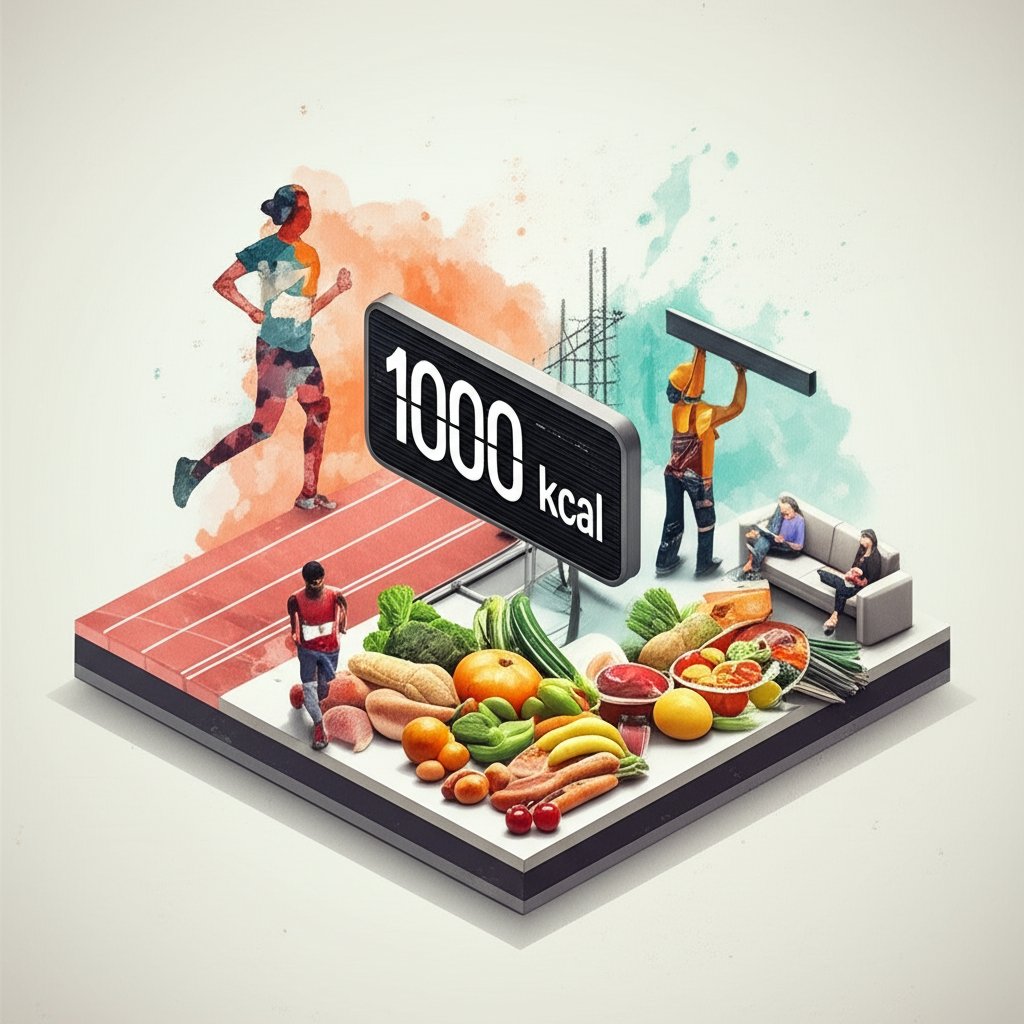
Before we dive into the “how,” let’s clarify the “who.” A 1000-calorie meal isn’t for everyone. It’s a specific tool for a specific goal, primarily for individuals with significantly elevated energy demands.
This typically includes:
- Athletes and Bodybuilders: Especially during a bulking phase or intense training cycle, where daily needs can easily exceed 3,000-3,500 calories.
- “Hardgainers”: Individuals with a naturally fast metabolism who struggle to gain weight and muscle mass.
- Busy Professionals: People with limited eating windows (like those practicing intermittent fasting) who need to consume a large number of calories in a single sitting.
For these groups, packing more caloric punch into each meal is a game-changer. It makes hitting ambitious daily targets achievable. However, if not planned correctly, a meal this large can lead to digestive distress, lethargy (the dreaded “food coma”), and discomfort. The key is building it with the right components.
The Blueprint for a Perfectly Balanced 1000-Calorie Meal
A successful high-calorie meal is more than just a random assortment of foods. It follows a blueprint designed to maximize muscle repair, replenish energy stores, and support overall health.
Your Macronutrient Framework
For a meal focused on performance and growth, a balanced macronutrient split is crucial. While individual needs vary, a solid starting point for a 1000-calorie meal is:
- Carbohydrates: 40–55% (100–138 grams)
- Protein: 20–35% (50–88 grams)
- Fats: 20–35% (22–39 grams)
Why this works: - Protein provides the amino acids necessary for repairing and building muscle tissue. Hitting at least 50 grams in a meal kick-starts muscle protein synthesis effectively.
- Carbohydrates are your body’s primary fuel source. They replenish the glycogen you burn during workouts and provide the energy needed for recovery and daily function.
- Fats are essential for hormone production (including testosterone), nutrient absorption, and providing a dense source of calories.
The Secret Weapon: Calorie-Dense, Nutrient-Rich Foods
The single most important concept for building 1000 calories food without overwhelming your stomach is calorie density. This means choosing foods that pack more calories per gram. You can hit your target with a manageable plate of food instead of a trough-sized salad.
Think of it like this: a huge bowl of spinach might have 20 calories, while a single tablespoon of olive oil has over 100. To build a 1000-calorie meal, you need to lean into the latter. For a complete collection of recipes built on this principle, our main guide to 1000-calorie meals for bulking is the perfect resource.
Here are your go-to, high-density building blocks:
| Macronutrient | Top Food Choices | Why It Works |
|---|---|---|
| Healthy Fats | Avocado, olive oil, nuts (pecans, walnuts), seeds (chia, flax), nut butters. | The most calorie-dense macro. A little goes a long way to boost calories without adding much volume. |
| Quality Proteins | Fatty fish (salmon), whole eggs, fattier cuts of steak (sirloin, ribeye), pork chops, full-fat dairy (Greek yogurt, cheese). | Choosing cuts with more fat content naturally increases the calorie count compared to leaner options like chicken breast. |
| Complex Carbs | Rolled oats, whole-grain pasta, rice, potatoes, whole-wheat bread, bananas. | These provide sustained energy and form a solid, calorie-contributing base for any meal. |
The Practical Playbook: Assembling Your Meal from Scratch
Knowing the components is one thing; putting them together is another. Follow this simple, five-step process to construct a perfect 1000-calorie meal every time.
From Pantry to Plate: Your 5-Step Meal Construction
- Start with a Protein Anchor (250-400 kcal): Choose your primary protein source. This is the foundation for muscle repair. Aim for a 6-8 oz portion.
- Example: 6 oz of salmon (340 kcal) or 5 whole eggs (360 kcal).
- Add a Complex Carb Base (300-400 kcal): This is your energy source. Don’t be shy with the portion size here.
- Example: 2 cups of cooked penne pasta (340 kcal) or 2 large potatoes, mashed (290 kcal).
- Layer on Healthy Fats (200-350 kcal): This is the easiest way to ramp up the calories. This step is non-negotiable for hitting 1000.
- Example: 1 whole medium avocado (322 kcal) or 2 tablespoons of olive oil (238 kcal).
- Include Micronutrients (20-50 kcal): Add vegetables for vitamins, minerals, and fiber. Choose less voluminous options like cherry tomatoes, chopped bell peppers, or broccoli florets. Avoid filling up on a giant leafy green salad first.
- Example: ½ cup of cherry tomatoes (23 kcal) or 1 cup of broccoli (31 kcal).
- Finish with a “Calorie Booster” (50-150 kcal): This is the final touch. Sprinkle on cheese, seeds, or a high-calorie dressing.
- Example: 1 oz of mozzarella cheese (85 kcal) or 1 tablespoon of sesame seeds (52 kcal).
Real-World Examples: Deconstructing 1000-Calorie Meals
Let’s apply this framework to the meal examples from our research.
Example 1: The “Bulker’s Avocado Toast” (1026 kcal)
- Protein Anchor: 4 large eggs, scrambled (288 kcal)
- Carb Base: 3 slices of whole-grain bread (245 kcal)
- Healthy Fat Layer: 1 whole avocado (322 kcal) and 1 tbsp of olive oil used to cook the eggs (119 kcal)
- Micronutrients: (Could add spinach or sliced tomatoes)
- Calorie Booster: 1 tbsp of sesame seeds sprinkled on top (52 kcal)
Example 2: The “Power Pork Chops & Mash” (1021 kcal) - Protein Anchor: 4 oz pork chop (175 kcal)
- Carb Base: 2 large potatoes, mashed (290 kcal)
- Healthy Fat Layer: 2 tbsp butter (204 kcal) and ¼ cup heavy cream (202 kcal) mixed into the potatoes, plus 1 tbsp olive oil to cook the pork (119 kcal)
- Micronutrients: 1 cup of broccoli (31 kcal)
- Calorie Booster: The butter and cream act as powerful boosters here.
These examples show how a balanced, delicious meal can easily cross the 1000-calorie threshold by strategically combining energy-dense ingredients.
Smart Strategies to Boost Calories Without Bloating
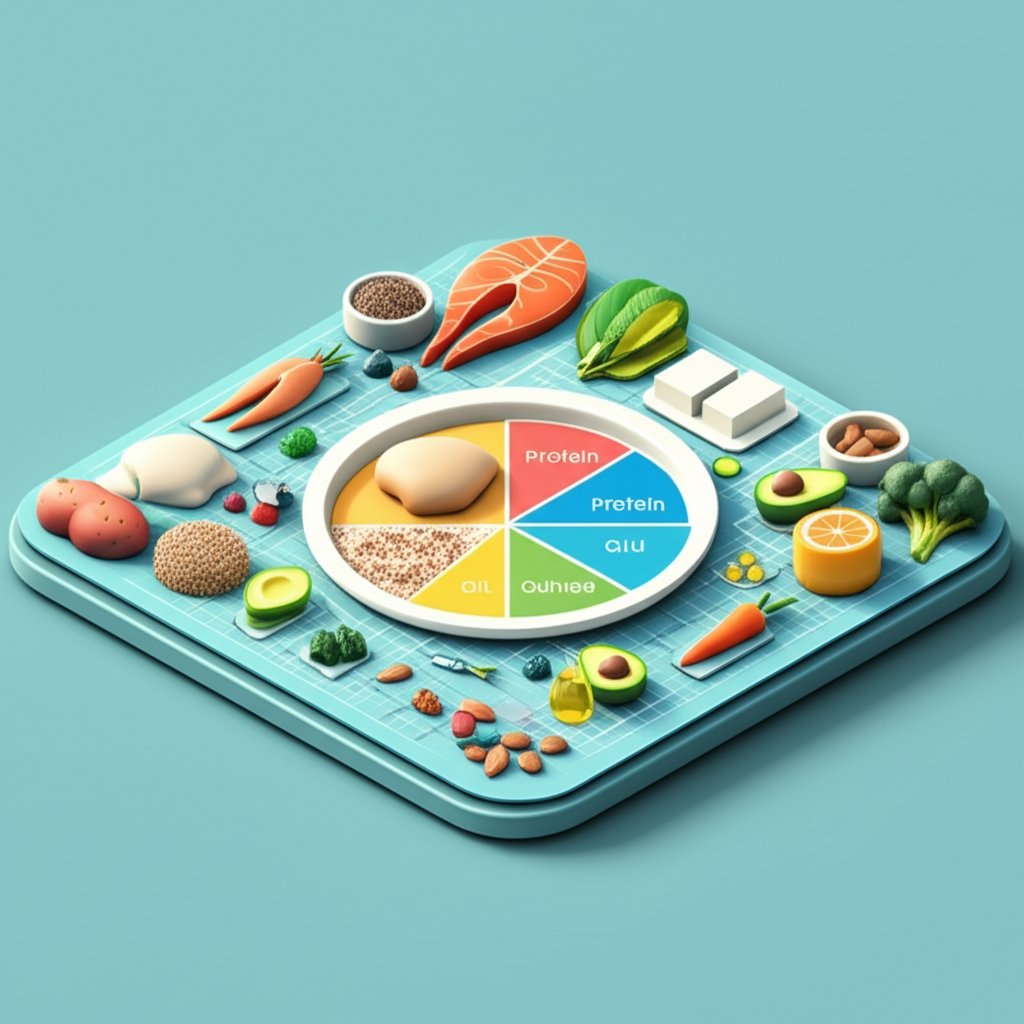
Sometimes you just need to add a few hundred extra calories to a meal you already enjoy. These “calorie hacks” are simple, effective, and won’t make you feel like you’ve overeaten.
- Cook with Oils: Sauté your vegetables, meat, or eggs in 1-2 tablespoons of olive, coconut, or avocado oil. This adds 120-240 calories effortlessly.
- Top with Nuts and Seeds: Sprinkle a handful of almonds (160 kcal/oz), pecans (196 kcal/oz), or a few tablespoons of chia seeds (140 kcal/2 tbsp) onto oatmeal, yogurt, or salads.
- Embrace Full-Fat Dairy: Swap skim milk for whole milk (adds 60 kcal/cup) or use full-fat Greek yogurt instead of non-fat.
- Add Nut Butter: A smoothie, a bowl of oats, or a piece of fruit can be instantly upgraded with two tablespoons of peanut or almond butter, adding nearly 200 calories and healthy fats.
- Use Honey or Maple Syrup: A tablespoon of honey in your tea, oatmeal, or yogurt adds a quick 64 calories of easily digestible carbs.
A Note on Liquid Calories
Don’t underestimate the power of a well-made smoothie. It’s one of the easiest ways to consume a massive amount of high-quality 1000 calories food because liquids are less filling and digest more quickly than solid food.
Consider this 1035-calorie smoothie:
- 1 cup 2% milk (122 kcal)
- 1 cup rolled oats (307 kcal)
- 1 scoop whey protein (110 kcal)
- 1 cup blueberries (86 kcal)
- 1 small banana (90 kcal)
- 2 tbsp peanut butter (192 kcal)
- 2 tbsp honey (128 kcal)
This single drink provides a perfectly balanced meal that’s easy to get down, especially post-workout or when you’re short on time.
Your Questions on 1000-Calorie Eating, Answered
Navigating high-calorie eating comes with fair questions. Here are clear answers to the most common concerns.
Q: Is eating 1000 calories in one meal unhealthy?
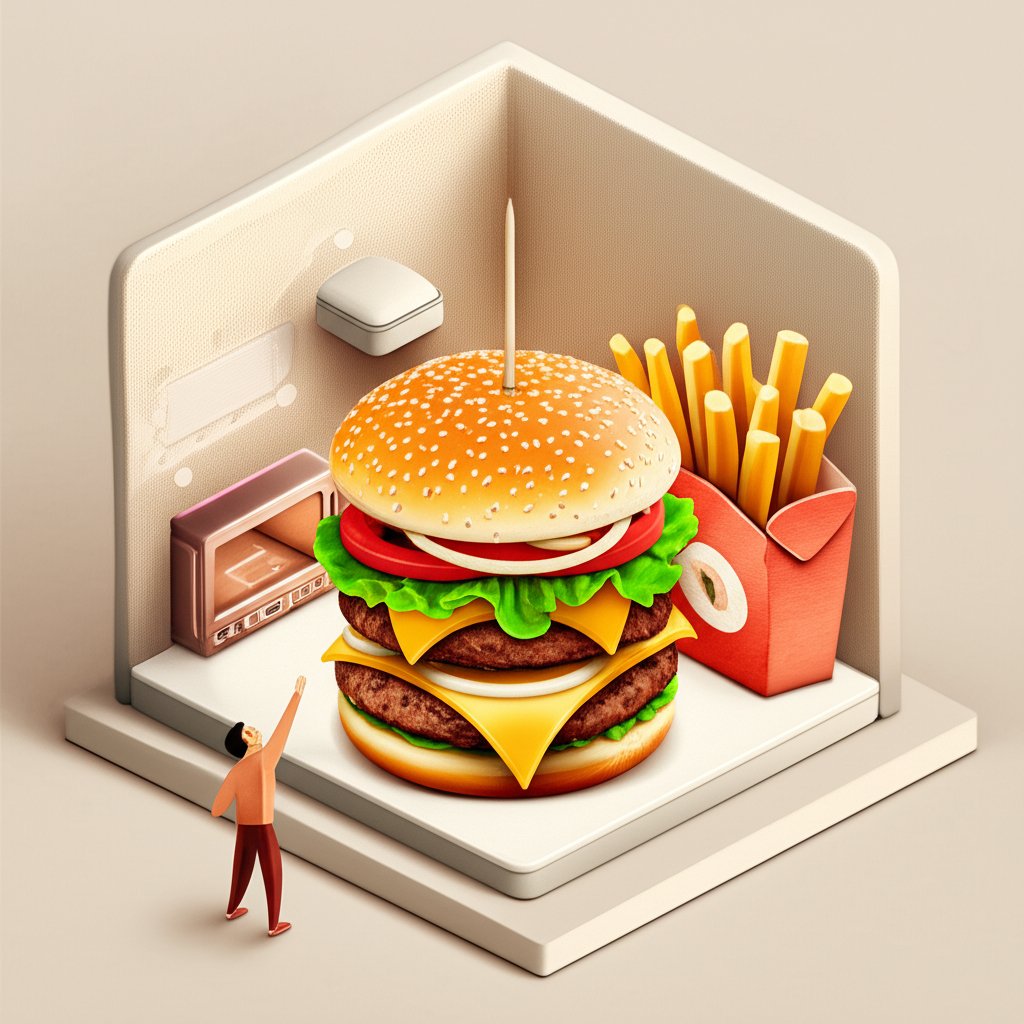
A: It depends entirely on the context. For a sedentary person with a 2000-calorie daily need, it’s excessive and can lead to unwanted fat gain and digestive stress. For an athlete needing 3500+ calories, it’s a highly effective strategy. The quality of the food matters immensely. A 1000-calorie meal built from whole foods like salmon, avocado, and potatoes will have a vastly different metabolic effect than 1000 calories from a fast-food burger and fries.
Q: What’s the difference between a 1000-calorie meal and a 1000-calorie diet?
A: This is a critical distinction.
- A 1000-calorie meal is one part of a high-calorie day (e.g., one of three meals in a 3000-calorie diet).
- A 1000-calorie diet is a severe and potentially dangerous level of calorie restriction, as it’s far below the 1,600-2,400 calories recommended for adult women and 2,000-3,200 for men. Such a low daily intake can lead to nutrient deficiencies, muscle loss, and metabolic slowdown, and should never be undertaken without strict medical supervision.
Q: How do I avoid feeling bloated and lethargic after such a big meal?
A: Focus on calorie density, not sheer volume. A plate with avocado, olive oil, and nuts will be smaller but more caloric than a giant bowl of salad. Also, chew your food thoroughly to aid digestion, and try to drink most of your water between meals rather than during, as chugging a liter of water with a huge meal can increase stomach volume and discomfort.
Q: Can I just eat junk food to get 1000 calories?
A: While a large pizza slice and soda can easily hit 1000 calories, you’d be failing the mission. The goal of a high-calorie diet for performance or muscle gain is to provide your body with high-quality fuel. Junk food is typically low in micronutrients and protein and high in inflammatory fats and refined sugars, which can hinder recovery and performance. Quality is just as important as quantity.
Your Next Step: Start Building, Not Just Eating
The key takeaway is to stop thinking about “eating more” and start thinking about “building smarter.” You don’t need to feel uncomfortably full to reach your goals. By focusing on calorie-dense, nutrient-rich foods and using a simple construction framework, you can create satisfying, powerful meals that fuel your body effectively.
Here is your quick-start checklist for your next meal:
- Pick Your Protein: Grab a 6 oz portion of salmon, steak, or chicken thighs.
- Double Your Carbs: Cook up 2 cups of pasta or rice, or bake 2 large potatoes.
- Add a “Fat Finisher”: Top your meal with one of these: a whole sliced avocado, a generous drizzle (2 tbsp) of extra virgin olive oil, or a large handful of walnuts.
By following this simple template, you’ll effortlessly create a balanced, delicious, and powerful meal that gets you closer to your goal without the struggle.

- Master Vegan Freezer Meal Prep to Simplify Your Busy Schedule - June 18, 2026
- Vegan Freezer Cooking Simplifies Healthy Meals on Busy Nights - June 17, 2026
- Vegetarian Freezer Recipes for Effortless Meal Prep and Delicious Dinners - June 16, 2026