For the bigger picture and full context, make sure you read our main guide on Vegetarian Freezer Meals to Make Your Busy Weeknights Easier.
That 5 PM feeling of dread is all too familiar: you’re tired, you’re hungry, and the thought of chopping, sautéing, and cleaning up is completely overwhelming. For those committed to a plant-based diet, the temptation to grab expensive, sodium-heavy takeout can be strong. This is where the power of vegan freezer cooking comes in, transforming your freezer from a frosty wasteland into a treasure chest of delicious, ready-to-heat homemade meals. It’s your secret weapon for eating well without the weeknight scramble.
At a Glance: Your Quick Guide to Vegan Freezer Cooking
- Identify the Winners: Learn which vegan ingredients—like lentils, beans, and hearty greens—are perfect for the freezer and which ones to avoid (we’re looking at you, raw cucumber).
- Master Plant Proteins: Discover specific techniques for freezing tofu, tempeh, and legumes that actually improve their texture and make them more flavorful.
- Pack Like a Pro: Get the right methods for storing everything from soups to burritos to prevent freezer burn and lock in freshness.
- Reheat for Success: Understand the best ways to bring your frozen meals back to life, ensuring they taste just as good as the day you made them.
- Start Small: Find a simple, actionable plan to stock your freezer this weekend without feeling overwhelmed.
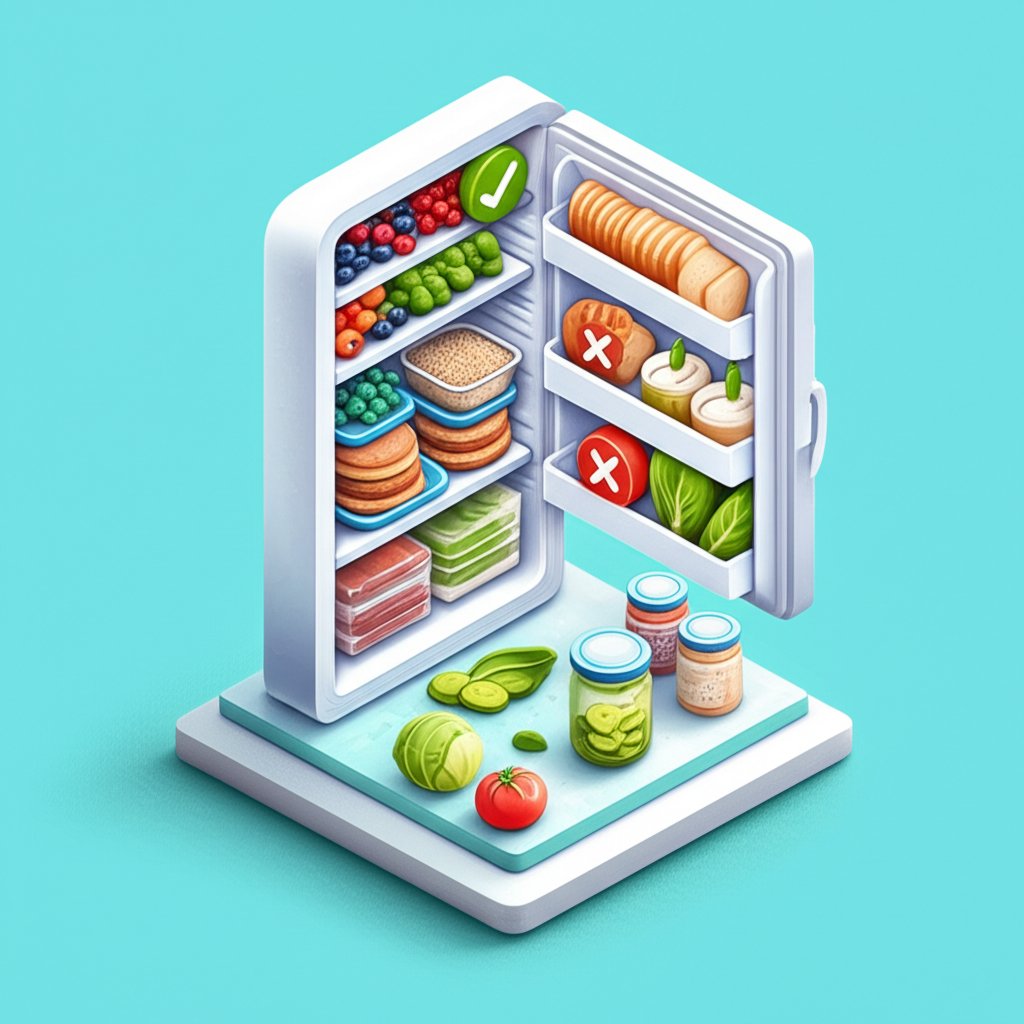
Building Your Vegan Freezer Stash: The “Yes” and “No” List
Not all foods are created equal when it comes to freezing. The key is understanding how cold temperatures affect the cellular structure of plant-based ingredients. Water is the main culprit; when it freezes, it expands and can rupture cell walls, leading to a mushy texture upon thawing.
This is why some foods freeze beautifully while others turn into a sad, watery mess.
Foods That Freeze Beautifully
These vegan staples are your freezer-cooking all-stars. They maintain great texture and flavor after a stint in the cold.
- Legumes: Cooked-from-scratch beans, chickpeas, and lentils are freezer gold. They hold their shape far better than their canned counterparts.
- Hearty Soups, Stews, and Chilis: Tomato-based or broth-based recipes are practically designed for the freezer. Flavors often deepen and meld over time.
- Curries: Coconut milk-based curries freeze exceptionally well. The fat content helps protect the texture of the other ingredients.
- Cooked Grains: Quinoa, farro, brown rice, and barley are perfect. Slightly undercooking them prevents them from getting too soft when reheated.
- Sauces: Marinara, bolognese made with lentils or mushrooms, and pesto (hold the cheese, or use a vegan parm) freeze perfectly.
- Hearty Greens: Blanched kale, spinach, and collard greens, squeezed of excess water, are great for adding to future soups or sautés.
- Homemade Veggie Burgers & “Meatballs”: Patties made from beans, lentils, or mushrooms are easy to freeze in individual portions.
Foods to Use with Caution or Avoid
These items can be tricky. They won’t spoil, but their texture might suffer significantly.
- High-Water-Content Veggies: Cucumbers, lettuce, radishes, and raw celery will become limp and watery. Best to add these fresh when serving.
- Raw Potatoes: They can become grainy and dark. It’s better to freeze them as part of a cooked dish, like a stew or shepherd’s pie.
- Starch-Thickened Sauces: Gravies or creamy sauces thickened with cornstarch or flour can separate and become watery upon thawing. A cashew or potato-based cream sauce often holds up better.
- Fried Foods: The crispy coating will inevitably get soggy. You can sometimes revive them in an air fryer or oven, but it’s never quite the same.
How to Freeze Tofu, Tempeh, and Legumes Without Ruining Them
Plant-based proteins can be the trickiest part of vegan freezer cooking, but a few key techniques make all the difference. Mastering these core components is a cornerstone of efficient meal prep. For a broader look at how this fits into a weekly plan, check out Our vegetarian freezer meal guide.
Tofu: The Freeze-and-Press Method for a Chewier Texture
This might sound counterintuitive, but freezing a block of extra-firm tofu can dramatically improve its texture. The water inside the tofu expands, creating small, porous pockets.
- Freeze Whole: Place the entire unopened package of tofu in the freezer for at least 24 hours.
- Thaw Completely: Transfer it to the refrigerator to thaw overnight.
- Press Out the Water: Once thawed, you’ll notice the tofu has a slightly yellowish, spongy look. Open the package and gently press it. An incredible amount of water will release easily.
- Marinate and Cook: The resulting tofu is chewier, firmer, and acts like a sponge, soaking up marinades and sauces beautifully. This “frozen-then-thawed” tofu is fantastic for stir-fries or as a crumbled ground “meat” substitute.
Tempeh and Seitan: Cook First, Freeze Later
Unlike tofu, raw tempeh and seitan don’t benefit from being frozen. Their texture can become tough or crumbly. The best approach is to incorporate them into a finished dish before freezing.
- A Practical Example: If you’re making a tempeh bolognese, crumble and brown the tempeh with your aromatics and let it simmer in the sauce. Cool the entire sauce completely, then freeze it. When you reheat it, the tempeh will be perfectly tender. The same rule applies to seitan in stews or chilis.
The Secret to Perfect Frozen Beans and Lentils
Cooking a big pot of beans from scratch is a game-changer for both your wallet and your freezer meals. They have a superior, creamier texture and are free from the extra sodium found in many canned varieties.
- Cook and Cool: Cook your beans or lentils until they are tender but not falling apart. Let them cool in their cooking liquid.
- Portion and Store: Ladle the beans and some of their liquid into freezer-safe containers or bags. The liquid protects them from drying out and getting freezer burn.
- Ready to Go: You now have perfect portions ready to be tossed into salads, soups, or tacos at a moment’s notice.
Your Step-by-Step Guide to a Successful Freezer Cooking Session
A little planning transforms a potentially chaotic day in the kitchen into a streamlined, productive session.
Step 1: Plan Your “Component” Menu
Instead of thinking in full recipes, think in components that can be mixed and matched. Choose 2-3 recipes that share ingredients.
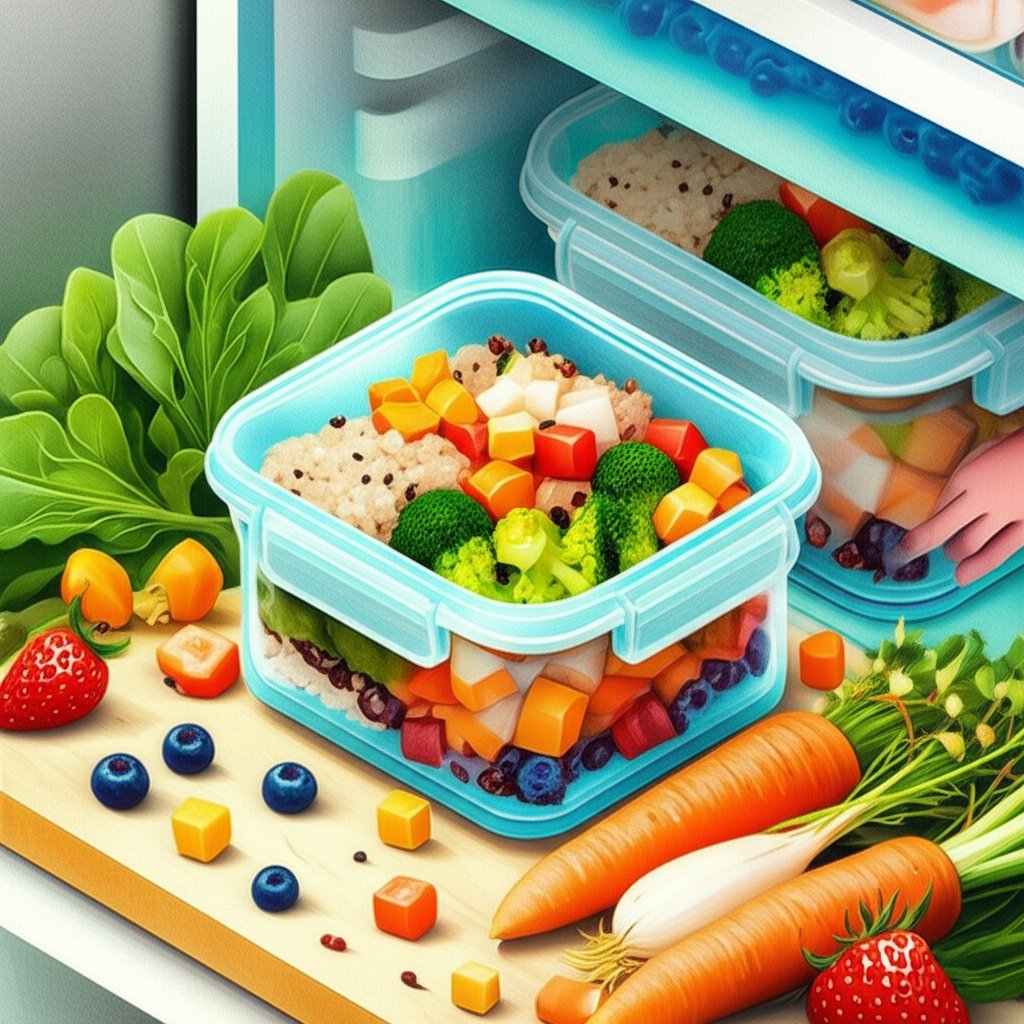
- Case Snippet: Plan to make a large batch of seasoned black beans and a pot of quinoa. On cooking day, use some to assemble black bean burritos for the freezer. Use the rest to create freezer-friendly burrito bowls, layered in individual glass containers. One prep session, two distinct meals.
Step 2: Shop and Prep Your Ingredients (Mise en Place)
Do all your chopping at once. Dice every onion, mince all the garlic, and chop all the peppers you’ll need for all your recipes. This “assembly line” approach is far more efficient than chopping ingredients one recipe at a time.
Step 3: Cook Strategically
Start with the recipe that takes the longest to cook, like a large pot of chili or lentil soup. While it simmers away, you can use your prepped ingredients to assemble another dish, like veggie enchiladas or a vegan lasagna.
Step 4: Cool Everything Completely
This is the most critical and often-rushed step. Placing warm food in the freezer creates steam, which turns into ice crystals. These crystals are the primary cause of mushy textures and freezer burn. To speed up cooling, you can place a pot of soup in an ice bath in your sink or spread chili out on a baking sheet.
Step 5: Pack and Label Like a Pro
The right container prevents freezer burn and makes reheating a breeze.
- Soups & Stews: Use wide-mouth Mason jars (leave an inch of headspace for expansion) or reusable silicone freezer trays (like Souper Cubes) to create perfect frozen blocks.
- Burritos & Enchiladas: Wrap each one tightly in plastic wrap or parchment paper, then place them all in a large freezer bag, squeezing out as much air as possible.
- Casseroles: Assemble in a freezer-safe glass or foil baking dish. Cover with a double layer of plastic wrap and foil for maximum protection.
Always label every single item with the meal name, the date it was frozen, and a quick reheating instruction (e.g., “Bake at 375°F for 45 min”). You will thank yourself later.
From Freezer to Table: How to Reheat for Best Results
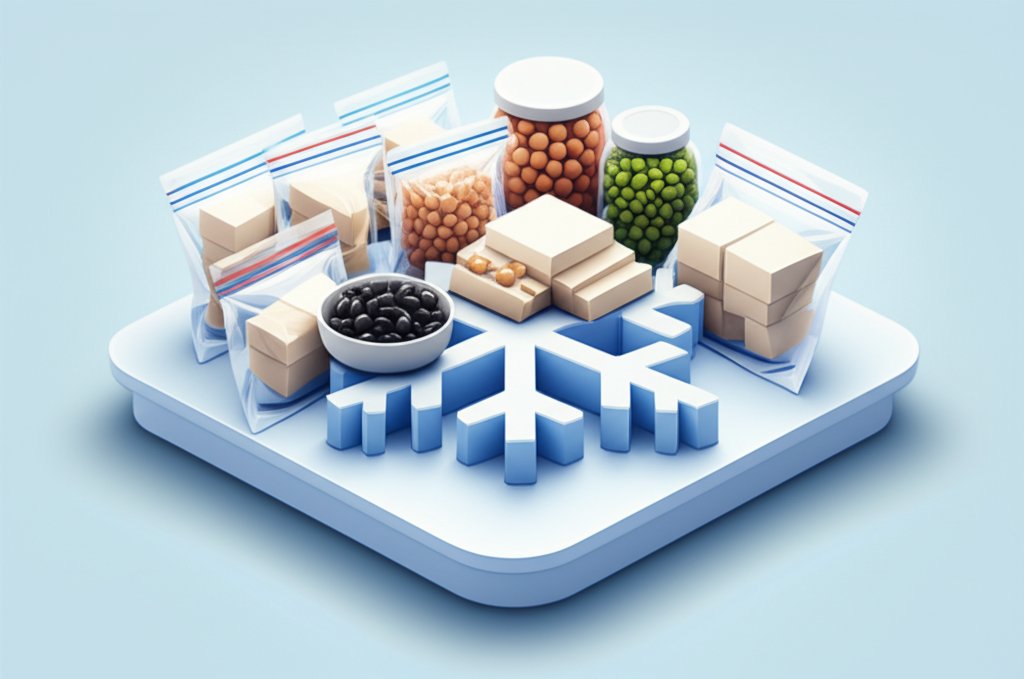
Reheating properly is just as important as freezing. The goal is to revive your meal without turning it into a rubbery or watery disappointment.
| Meal Type | Best Reheating Method | Pro Tip |
|---|---|---|
| Soups, Stews, Curries | Stovetop (medium-low) or Microwave | Add a splash of veggie broth or water to loosen it up. Stir in fresh cilantro or parsley at the very end to brighten the flavor. |
| Casseroles, Lasagna | Oven (from frozen or thawed) | Cover with foil for the first 2/3 of baking to trap steam and prevent drying. Remove foil for the last 15-20 mins to brown the top. |
| Burritos & Wraps | Oven or Air Fryer for a crispy exterior; Microwave for a quick, soft result. | For the oven, unwrap the burrito, place it on a baking sheet, and bake at 375°F (190°C) until hot throughout. |
| Veggie Burgers | Pan-fry, bake, or air fry directly from frozen. | Avoid the microwave for burger patties; it steams them and makes the texture unpleasantly soft and rubbery. |
| Cooked Grains | Microwave with a splash of water and a damp paper towel on top. | The steam from the water and paper towel helps rehydrate the grains, making them fluffy again. |
Quick Answers to Common Freezer Concerns
Q: Can I freeze meals made with coconut milk?
A: Absolutely! Full-fat canned coconut milk is an excellent candidate for freezing. You might notice some separation when the meal thaws, but a vigorous stir while reheating on the stovetop will bring the creamy texture right back.
Q: My frozen vegan lasagna is always watery. What am I doing wrong?
A: The culprit is usually high-water-content vegetables like zucchini, spinach, or mushrooms. To prevent this, you must cook off their excess moisture before assembling the lasagna. Sauté the mushrooms until they release their liquid, and thoroughly squeeze every drop of water from thawed frozen spinach. Using a thicker, less watery tomato sauce also helps.
Q: Do I need to blanch vegetables before making a freezer stir-fry kit?
A: For the best results, yes. Blanching—a quick dip in boiling water followed by an ice bath—stops the enzymatic process that degrades texture, color, and nutrients in vegetables like broccoli, carrots, and snap peas. Flash-freeze the blanched veggies on a baking sheet before bagging them to prevent clumping.
Q: How long will my vegan freezer meals really last?
A: For optimal flavor and texture, aim to use your meals within 2 to 3 months. While they will remain safe to eat for up to 6 months if stored in airtight containers, you may notice a decline in quality over time. Labeling with a date is your best friend here.
Get Started This Weekend: A Simple “Cook Once, Eat Thrice” Plan
Feeling inspired? Don’t try to fill your entire freezer at once. Start with a single, versatile recipe and turn it into multiple meals.
- Choose Your Anchor Recipe: Make a large pot of a hearty Lentil and Vegetable Soup.
- Meal #1 (Dinner Tonight): Enjoy a fresh, comforting bowl for dinner.
- Meal #2 (For the Freezer): Ladle half of the remaining soup into two-portion containers, cool completely, label, and freeze. You’ve just gifted your future self a no-effort lunch or dinner.
- Meal #3 (Another Freezer Meal): Thicken the last of the soup by simmering it down or adding a scoop of mashed potatoes or cooked sweet potatoes. Use this as a rich, savory filling for a Vegan Shepherd’s Pie. Top with mashed cauliflower or potato, assemble in a freezer-safe dish, and freeze.
By embracing vegan freezer cooking, you’re not just saving time and money. You’re investing in your own well-being, ensuring that a delicious, nourishing, and compassionate meal is always within reach, no matter how busy life gets.

- Master Vegan Freezer Meal Prep to Simplify Your Busy Schedule - June 18, 2026
- Vegan Freezer Cooking Simplifies Healthy Meals on Busy Nights - June 17, 2026
- Vegetarian Freezer Recipes for Effortless Meal Prep and Delicious Dinners - June 16, 2026