That 5 PM feeling of dread is all too familiar. You’re tired, you’re hungry, and the thought of chopping, sautéing, and cleaning is overwhelming. This is the moment when takeout menus start to look appealing, but what if a flavorful, home-cooked dinner was just a few minutes away? Stocking your freezer with delicious, ready-to-heat vegan freezer meals isn’t just about convenience; it’s a revolutionary act of self-care for your future, busier self.
Forget the stereotype of bland, mushy freezer food. Modern vegan cooking, with its emphasis on hearty legumes, sturdy vegetables, and bold spices, is perfectly suited for batching and freezing. You can lock in peak flavor and nutrition, creating a personal stash of go-to dinners that are cheaper, healthier, and faster than any delivery app.
At a Glance: Your Takeaways
- Master the Method: Learn the core principles for prepping, freezing, and reheating vegan food to preserve perfect texture and flavor.
- Build a Flavor-First Pantry: Discover the essential vegan staples that are not only freezer-friendly but also key to creating deeply satisfying meals.
- Avoid Common Pitfalls: Understand exactly which ingredients don’t freeze well and why, so you can sidestep common meal-prep disappointments.
- Get Actionable Ideas: Move beyond theory with concrete meal examples, from hearty lentil curries to grab-and-go black bean burgers.
- Reclaim Your Weeknights: Turn stressful evenings into relaxing moments with a freezer full of nourishing, delicious options.
Why Vegan Freezer Meals Are a Secret Weapon for Your Kitchen
Making meals ahead of time is a smart strategy for anyone, but a plant-based approach offers some unique advantages. Ingredients like lentils, beans, and chickpeas are not only affordable and packed with protein but also incredibly resilient to the freezing and reheating process. They hold their texture far better than many animal products, absorbing flavor as they sit.
This means you can batch-cook a huge pot of chili or a fragrant curry on a quiet Sunday, knowing it will taste just as good—if not better—on a frantic Tuesday. These benefits echo many of the advantages found in our broader Vegetarian freezer meal guide, but vegan-specific prep has its own set of rules for guaranteed success. By focusing entirely on plants, you sidestep issues with freezing dairy or eggs and lean into the ingredients that truly thrive in the cold.
The benefits go beyond the plate:
- Reduces Food Waste: Use up that big bag of carrots or spinach before it wilts by incorporating it into a freezer-bound soup or stew.
- Saves Significant Money: A home-cooked bean burrito costs a fraction of a store-bought or takeout version.
- Controls Ingredients: You decide the sodium, sugar, and oil levels, steering clear of the preservatives and additives common in processed convenience foods.
The Foundation: Your Vegan Freezer-Friendly Pantry
A successful freezer meal stash starts with a well-stocked pantry. These are the workhorse ingredients that provide flavor, texture, and nutrition, standing up beautifully to the freeze-thaw cycle.
The Protein Powerhouses
Protein is the key to a satisfying meal that keeps you full. These plant-based sources are freezer-friendly champions.
- Lentils (Red and Brown/Green): Red lentils cook down into a creamy, thick base for soups and curries. Brown and green lentils hold their shape, making them perfect for stews and veggie loafs.
- Beans and Chickpeas: Whether you cook them from dry or use canned, beans are a freezer meal MVP. They are the heart of chilis, burritos, and veggie burgers.
- Tofu and Tempeh: For best results, use extra-firm tofu. Pressing it well to remove excess water is crucial for preventing a spongy texture. Tempeh, with its firm, nutty quality, crumbles wonderfully into sauces or can be used in stews.
The Flavor Toolkit
These ingredients are your secret weapons for building deep, complex flavor that won’t fade in the freezer.
- Full-Fat Coconut Milk: Essential for creamy, rich curries. It freezes and reheats without separating, unlike many dairy-based creams.
- Canned Tomatoes: Diced, crushed, or whole, tomatoes provide the acidic backbone for countless sauces, chilis, and stews.
- Nutritional Yeast (“Nooch”): This deactivated yeast has a cheesy, nutty, umami flavor. Stir it into sauces, casseroles, or tofu scrambles for a savory kick.
- Miso Paste & Tamari: These fermented soy products add a salty, savory depth of flavor (umami) that elevates any dish. A spoonful of miso can transform a simple vegetable soup.
- Aromatics: Onions, garlic, and ginger form the flavor base of most recipes. Sautéing them before adding other ingredients creates a foundation that only gets better in the freezer.
The “Freeze Without Fear” Playbook
How you freeze your food is just as important as what you freeze. Following a few simple rules ensures your meals emerge from the freezer tasting fresh and delicious, not like a sad, icy block.
Rule #1: Cool It Completely
This is the single most important step. Placing hot food directly into the freezer creates condensation, which turns into large ice crystals. These crystals are the enemy of good texture, rupturing cell walls in vegetables and making your meal watery and mushy upon reheating. Let dishes cool on the counter for an hour, then transfer them to the fridge to chill completely before freezing.
Rule #2: Choose the Right Armor (Containers)
Air is the second enemy of frozen food, causing freezer burn (those dry, discolored spots).
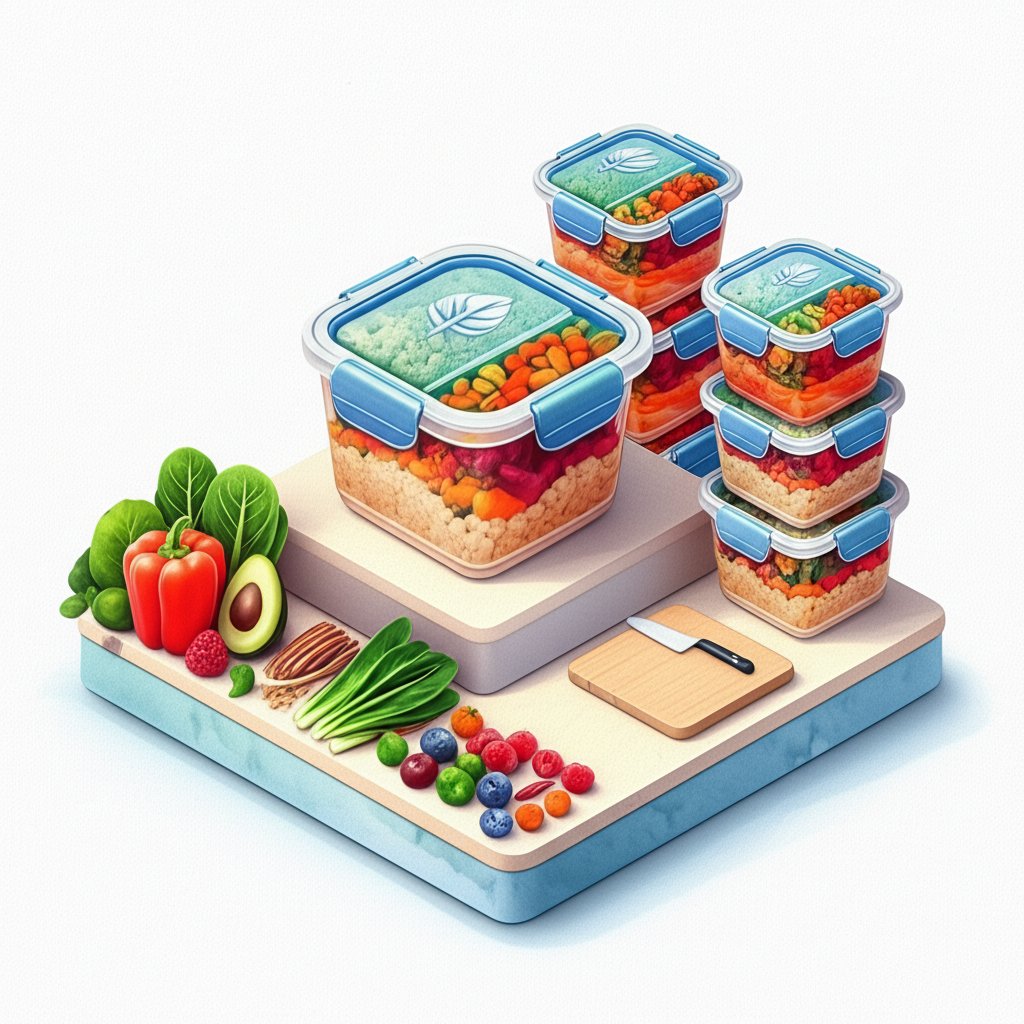
- Glass Containers & Mason Jars: Excellent for soups, stews, and casseroles. They are reusable and don’t stain. Crucial tip for jars: Leave at least an inch of “headspace” at the top to allow for expansion as the liquid freezes, preventing the glass from cracking.
- Freezer-Safe Bags (Silicone or Plastic): Ideal for saving space. You can lay them flat to freeze into space-saving “bricks.” Squeeze out as much air as possible before sealing.
- Double-Wrap for Handhelds: For items like burritos or veggie burgers, a tight double wrap is key. First, wrap each item snugly in plastic wrap or beeswax wrap. Then, wrap it in a layer of aluminum foil or place it inside a larger freezer bag. This creates an airtight barrier.
Rule #3: Label Like Your Future Self Is Watching
Don’t play “mystery meal roulette.” Use a piece of masking tape and a permanent marker to label every container with two things:
- Name of the Dish (“Spicy Black Bean Chili”)
- Date it was Frozen (MM/DD/YY)
Most vegan freezer meals are best consumed within 2-3 months for optimal flavor and texture, though they remain safe to eat for up to 6 months if stored properly.
The “Do Not Freeze” List: A Quick Guide to Texture Tragedy
Some foods simply don’t survive the deep freeze. Knowing what to avoid is half the battle.
| Freeze with Confidence ✅ | Avoid or Adapt ❌ | The Reason Why |
|---|---|---|
| Lentil Soups & Bean Chilis | Creamy Potato-Based Soups | Cooked potatoes become mealy and grainy when frozen. |
| Veggie Burger Patties | Fresh Greens & Cucumber | High water content makes them wilt and turn to mush. |
| Tomato-Based Pasta Sauce | Cornstarch-Thickened Sauces | The starches can separate and become gelatinous upon thawing. |
| Hearty Curries & Stews | Fried Foods (e.g., Crispy Tofu) | They completely lose their crispiness and become soggy. |
| Undercooked Pasta/Rice | Fully Cooked Pasta/Rice | They overcook during reheating, resulting in a mushy texture. |
| A quick adaptation: If a recipe calls for potatoes, consider adding them when you reheat the meal. For sauces, thicken them with a fresh cornstarch slurry after thawing instead of before freezing. |
Your First Batch: 5 Vegan Freezer Meals That Never Fail
Ready to get started? These five meal archetypes are practically foolproof and offer a delicious starting point for your freezer-stocking journey.
- Hearty Red Lentil Curry: Red lentils and full-fat coconut milk are a match made in heaven. The lentils break down into a luscious, thick stew, and the coconut milk ensures a rich, creamy texture that reheats perfectly. Sauté onions, garlic, and ginger with curry powder, add lentils, crushed tomatoes, coconut milk, and chopped veggies like carrots and spinach. Freeze in individual portions. Reheat on the stove and finish with a squeeze of fresh lime juice.
- Smoky Black Bean & Quinoa Burgers: These hold together beautifully. Combine mashed black beans, cooked quinoa, breadcrumbs, and spices like smoked paprika and cumin. Form into patties, then place them on a parchment-lined baking sheet to “flash freeze” for an hour until firm. Once solid, you can toss them all into a freezer bag without them sticking together. Cook them directly from frozen on the stovetop or in the oven.
- The Ultimate Vegan Chili: A freezer staple for a reason. The flavors of a good bean chili actually meld and deepen in the freezer. Use a mix of beans (black, kidney, pinto) with tomatoes, onions, and lots of chili powder. It’s a forgiving recipe that reheats wonderfully on the stove or in the microwave. Freeze the chili plain and add fresh toppings like avocado, cilantro, or vegan sour cream after reheating.
- “Build-Your-Own” Burrito Packs: Instead of freezing fully assembled burritos (which can get soggy), freeze the components. Make a big batch of filling—like seasoned rice, black beans, corn, and sautéed peppers. Portion it into individual freezer bags. When you’re ready to eat, just thaw a bag of filling, warm it up, and roll it into a fresh tortilla.
- Spinach and Tofu “Ricotta” Stuffed Shells: This is a fantastic make-ahead casserole. Press a block of extra-firm tofu until very dry, then crumble it in a food processor with nutritional yeast, lemon juice, garlic, and sautéed spinach. This mixture perfectly mimics ricotta and freezes exceptionally well. Stuff cooked jumbo pasta shells, line them up in a baking dish with marinara sauce, cover, and freeze the whole tray. Bake directly from frozen (adding extra time).
From Ice Block to Hot Meal: Reheating for Best Results
The final step is just as critical. The right reheating method depends on the meal.
- The Slow & Steady Method (Refrigerator): This is the gold standard for quality. Transfer your meal from the freezer to the fridge the night before or in the morning. It will thaw gently, preserving the best texture. This is ideal for casseroles, stuffed shells, or veggie burgers.
- The Stovetop/Oven Revival: Best for liquid-based meals like soups, stews, chilis, and curries. Reheating on the stovetop or in the oven allows you to stir, adjust seasonings, and add a splash of water or broth if needed to restore the original consistency.
- The Speedy Method (Microwave): Perfect for single-portion lunches or when you’re short on time. Use the “defrost” setting or heat at 50% power in short intervals, stirring frequently to ensure even heating without creating rubbery hot spots.
Quick Answers to Common Vegan Freezer Meal Questions
Q: How long do vegan freezer meals actually last?
A: For the best taste and texture, aim to eat them within 2-3 months. They are perfectly safe to eat for up to 6 months, but you might notice a slight decline in quality after the 3-month mark. Proper, airtight storage is key.
Q: Don’t all the vegetables get mushy?
A: Not if you choose the right ones! Hardy vegetables like carrots, corn, peas, broccoli, cauliflower, and winter squash freeze remarkably well. For vegetables with higher water content, like bell peppers or zucchini, it helps to slightly undercook them so they don’t turn to mush during reheating.
Q: I tried freezing pasta and it was awful. What did I do wrong?
A: You’re not alone! Fully cooked pasta is a classic freezer meal mistake. The best method is to freeze the sauce by itself. Cook your pasta fresh while the sauce reheats for a perfect al dente texture. If you must freeze them together (like in a baked ziti), undercook the pasta significantly so it can finish cooking during the reheating process.
Q: How do I ensure I’m getting enough protein in these meals?
A: It’s easy when you build your meals around protein powerhouses. Every meal idea listed above is centered on beans, lentils, quinoa, or tofu. A single serving of lentil curry or black bean chili can easily provide 15-20 grams of protein, forming the foundation of a balanced, filling dinner.
Your Action Plan: Prep Two Meals This Weekend
The best way to see the magic of vegan freezer meals is to experience it. Ditch the analysis paralysis and commit to making just two different recipes this weekend.
Choose one soup, chili, or curry that can be frozen in individual portions. Then, pick one handheld item like veggie burgers or a casserole like the stuffed shells. Spend a couple of hours on a Sunday afternoon with some good music, and stock your freezer.
When Thursday night rolls around and you have zero energy to cook, your past self will feel like a superhero. You’ll have a delicious, nourishing meal ready in minutes, freeing up your time and mental space for the things that truly matter.

- Master Vegan Freezer Meal Prep to Simplify Your Busy Schedule - June 18, 2026
- Vegan Freezer Cooking Simplifies Healthy Meals on Busy Nights - June 17, 2026
- Vegetarian Freezer Recipes for Effortless Meal Prep and Delicious Dinners - June 16, 2026