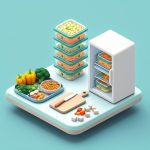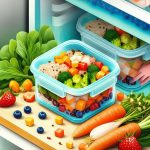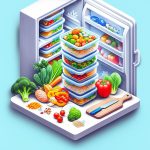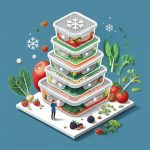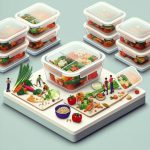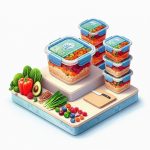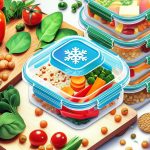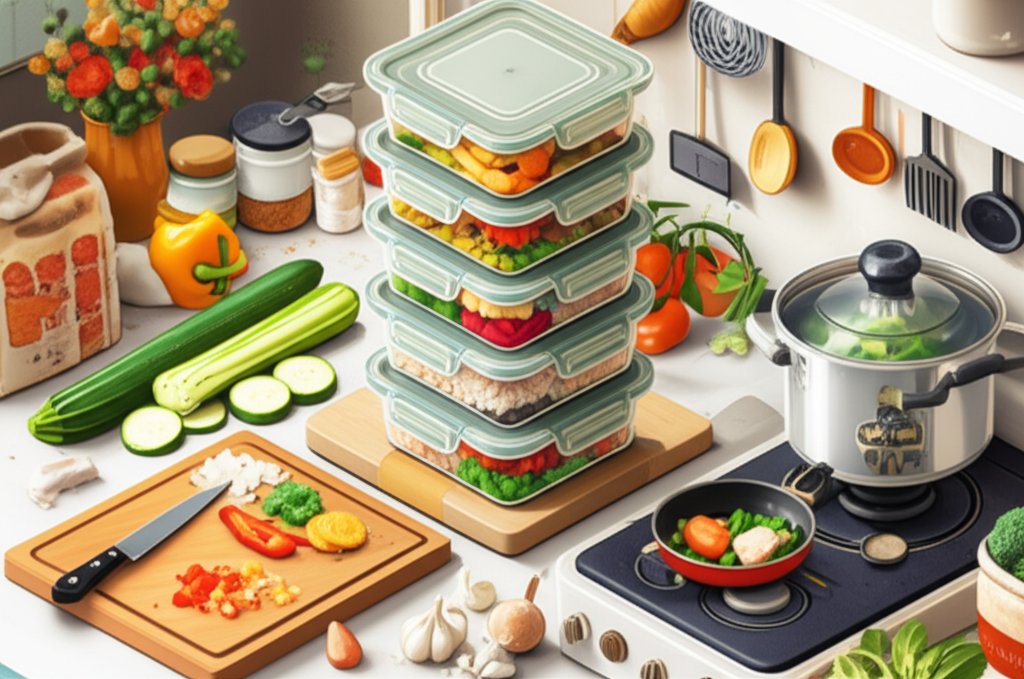
It’s 5:30 PM. You just walked in the door, and the first question you hear is, “What’s for dinner?” That daily moment of panic can unravel an otherwise productive day. This is precisely the problem once a month cooking was designed to solve. It’s a strategic approach to meal prep that trades one dedicated day in the kitchen for weeks of stress-free evenings, transforming dinnertime from a daily chore into a simple choice.
This isn’t about just having leftovers. It’s about building a library of delicious, home-cooked meals in your freezer, ready to go whenever you are.
At a glance: Your path to calmer dinners
- Reclaim Your Weeknights: Discover how a single cooking day can save you 8-10 hours of cooking and cleaning time every month.
- Master the Game Plan: Get a step-by-step framework for planning, shopping, and executing your first successful batch cooking session.
- Store Food Like a Pro: Learn the best methods for packaging and labeling to prevent freezer burn and ensure your meals taste fantastic.
- Start Smart, Not Big: Find a manageable approach for beginners, so you can ease into the process without feeling overwhelmed.
- Avoid Common Pitfalls: Sidestep the mistakes that trip up newcomers, from choosing the wrong recipes to running out of freezer space.
The Real Payoff: More Than Just Meals in the Freezer
The most obvious benefit of once a month cooking is having a freezer full of food. But the true value runs much deeper, impacting your time, budget, and mental well-being. It’s about fundamentally changing your relationship with the daily dinner rush.
Eliminate Decision Fatigue for Good
The mental energy spent deciding what to cook each day is exhausting. OAMC removes that burden entirely. Instead of staring into the fridge, you simply choose from a menu you’ve already prepared. This single shift frees up mental space and reduces a significant source of daily stress. You’ve already done the hard work; now you just get to enjoy the reward.
Compound Your Time Savings
Let’s do some quick math. A typical weeknight meal can take 45-60 minutes from prep to cleanup. Over a month, that’s roughly 22 hours spent on dinner.
A dedicated once a month cooking day might take 6-8 hours. By investing that time upfront, you save over 15 hours a month. You’re trading one busy Saturday for nearly four weeks of reclaimed evenings. That’s time you can spend with your family, on a hobby, or simply relaxing.
Gain Control Over Your Food Budget
Sticking to a plan is one of the most effective ways to cut grocery costs. OAMC forces you to plan meticulously, which leads to several financial wins:
- Bulk Buying Power: You can purchase meat, grains, and pantry staples in larger, more economical quantities.
- Zero Food Waste: Every ingredient is pre-portioned for a specific recipe, so you avoid the “science experiment” produce drawer.
- Fewer Impulse Buys: With a detailed list, you’re less likely to grab expensive, unnecessary items at the store.
- Less Takeout: When a delicious, home-cooked meal is just minutes away, the temptation to order expensive delivery plummets.
A family of four can easily save $200-$400 per month by eliminating last-minute grocery runs and takeout orders—all thanks to a well-stocked freezer.
Your First OAMC Day: A Practical Game Plan
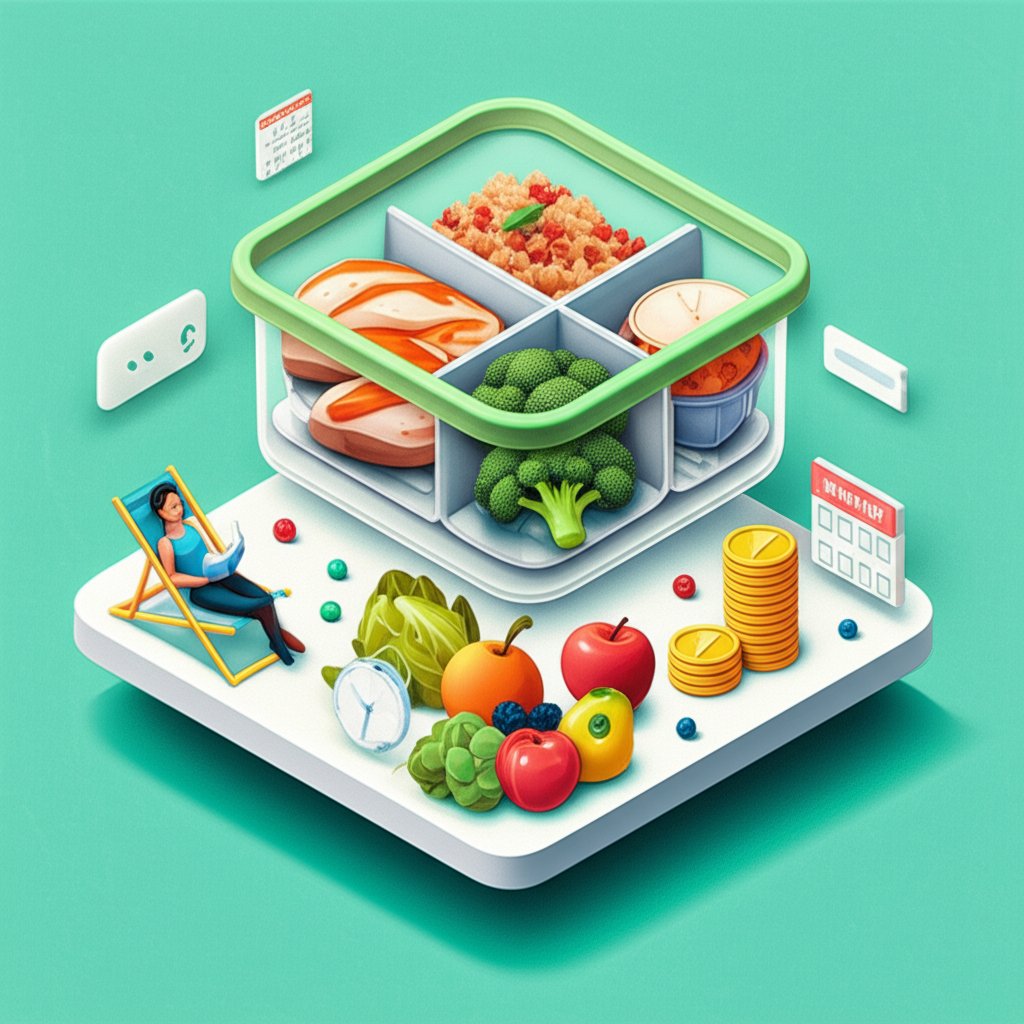
The idea of cooking for a month can feel intimidating. The key is to break it down into a manageable process. Think of it not as one giant task, but as four distinct stages. For a comprehensive collection of freezer-friendly ideas to build your plan, you can Unlock Once-A-Month Cooking and find hundreds of tested recipes.
Pillar 1: Strategic Menu Planning
This is the foundation of your success. A good plan makes the rest of the process smooth.
- Start Small: Don’t try to cook 30 different meals on your first go. Aim for 10-12 meals. You can even start by doubling two or three of your favorite recipes each week to build up a small freezer stash.
- Choose “Doublers”: Select recipes with overlapping ingredients. If you’re making Beef Chili, also plan for Shepherd’s Pie and Taco Meat. You can brown all the ground beef at once, saving significant time.
- Vary Your Cooking Methods: Pick recipes that use different appliances. Have a chili simmering in the slow cooker while a lasagna bakes in the oven and you assemble stir-fry kits on the counter. This maximizes your efficiency.
- Pick Proven Winners: Stick to recipes that freeze well. Soups, stews, chilis, casseroles, meatballs, and marinated meats are all excellent choices.
Pillar 2: The Master Shopping List
A disorganized shopping trip can sabotage your cook day before it starts.
- Shop Your Pantry First: Before you write a single item down, take a thorough inventory of your pantry, fridge, and freezer.
- Organize by Store Section: Group your list into categories like Produce, Meat, Dairy, Canned Goods, and Frozen. This prevents you from running back and forth across the store.
- Be Precise with Quantities: Your recipes will call for specific amounts. Double-check your list to ensure you have the right quantities for your doubled or tripled recipes.
Pillar 3: ‘Mise en Place’ on a Grand Scale
Mise en place is a French culinary term meaning “everything in its place.” For OAMC, you’ll do this on a larger scale, ideally the day before you cook.
The Night Before Your Cook Day (1-2 hours):
- Chop all your vegetables (onions, peppers, celery, carrots). Store them in labeled containers or bags in the fridge.
- Brown all your ground meats. Drain and cool.
- Measure out spice blends for each recipe and place them in small bowls or labeled bags.
- Cook any grains like rice or quinoa that are needed.
This prep work is a game-changer. When you walk into the kitchen on cook day, you’re ready to assemble and cook, not chop and measure.
Pillar 4: The Assembly Line Workflow
Don’t cook one recipe from start to finish. Instead, think in terms of tasks.
- Component Cooking: Cook all of one ingredient at once. For example, if three recipes need browned ground beef, brown it all in your largest skillet. Then, divide it out for each recipe.
- Station Setup: Designate different areas of your kitchen for specific tasks. Have a “chopping station,” a “mixing station” with your bowls, and a “stove station.”
- Cooling Zone: Clear a large area of counter space to place hot pans and pots as they finish cooking. Food must cool completely before it goes into the freezer.
From Hot Pan to Frozen Gold: Best Practices for Storage
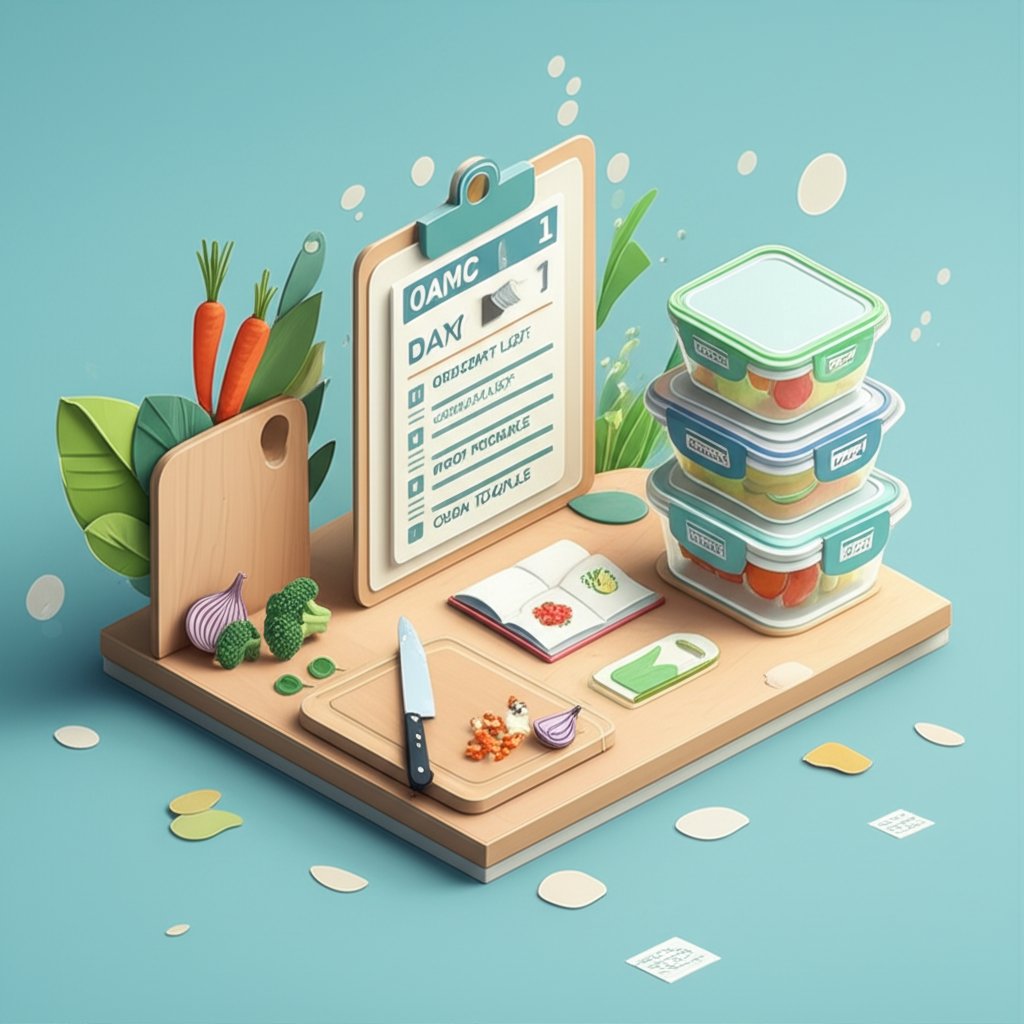
How you store your food is just as important as how you cook it. Proper storage prevents freezer burn and makes reheating a breeze.
Cooling is Non-Negotiable
Never put hot or warm food directly into the freezer. It will raise the ambient temperature, partially thawing nearby items and creating dangerous ice crystals on your food. Let everything cool to room temperature on the counter, then chill it further in the refrigerator before moving it to the freezer.
The Right Container for the Job
| Food Type | Best Container Options | Why It Works |
|---|---|---|
| Soups, Stews, Chili | Freezer-safe zip-top bags, Deli containers | Bags can be frozen flat to save an immense amount of space. |
| Casseroles (Lasagna) | Disposable foil pans, Freezer-to-oven glass dishes | Allows you to go straight from the freezer to the oven for reheating. |
| Meatballs, Patties | Baking sheet for “flash freezing,” then a freezer bag | Freezing individually on a sheet first prevents them from clumping together in the bag. |
| Marinated Meats | Freezer-safe zip-top bags | The marinade works on the meat as it thaws, making it extra flavorful. |
Labeling Like a Pro
An unlabeled container in the freezer is a mystery. Every single item needs a clear label with three key pieces of information:
- Name of the Meal: (e.g., “Turkey Chili”)
- Date of Freezing: (e.g., “10/26/23”)
- Reheating Instructions: (e.g., “Thaw in fridge overnight. Simmer on stove until 165°F.”)
Clearing Up Common OAMC Questions
Even with a solid plan, questions and doubts can pop up. Here are answers to the most common ones.
Do I really have to cook for a whole month at once?
Absolutely not. The term “once a month cooking” is more of a concept than a strict rule. Many people find success with “once every two weeks cooking” or even just a weekly power-hour where they prep components for the next few days. The goal is to do what works for your schedule and freezer space.
Won’t my food get freezer burn and taste bad?
Freezer burn happens when food is exposed to air. You can prevent it by removing as much air as possible from your containers. For freezer bags, squeeze out all the air before sealing. For solid containers, place a layer of plastic wrap directly on the surface of the food before putting the lid on. A vacuum sealer is an excellent tool for this if you plan to do a lot of freezer cooking.
What foods don’t freeze well?
While most cooked dishes do well, some ingredients change texture after freezing.
- Cream-Based Sauces: Can separate or become grainy when reheated.
- Cooked Pasta: Can become mushy. It’s often better to freeze the sauce separately and cook pasta fresh.
- Raw Potatoes: Tend to become watery and mealy. Cooked potatoes in a soup or stew are generally fine.
- Crispy/Fried Foods: Will not be crispy upon reheating.
My freezer is tiny! Can I still do this?
Yes! You just need to be strategic. Focus on meals that can be frozen flat in bags, as they are the most efficient use of space. You can stack them like files once they’re solid. Cooking for one or two weeks at a time is also a great approach for smaller freezers.
Your First Step to Stress-Free Dinners
You don’t need a giant freezer or a whole weekend to start. The power of once a month cooking lies in taking one small step forward. This weekend, don’t try to cook 20 meals. Just pick one favorite family recipe—chili, spaghetti sauce, or chicken soup.
Make a double batch. Serve one for dinner, and take 15 minutes to properly cool, label, and freeze the other. Next week, when life gets busy, pull that meal out. As it heats up, you’ll feel the stress melt away. That is the feeling you’re chasing. That’s the freedom of having dinner already done.

- Master Vegan Freezer Meal Prep to Simplify Your Busy Schedule - June 18, 2026
- Vegan Freezer Cooking Simplifies Healthy Meals on Busy Nights - June 17, 2026
- Vegetarian Freezer Recipes for Effortless Meal Prep and Delicious Dinners - June 16, 2026