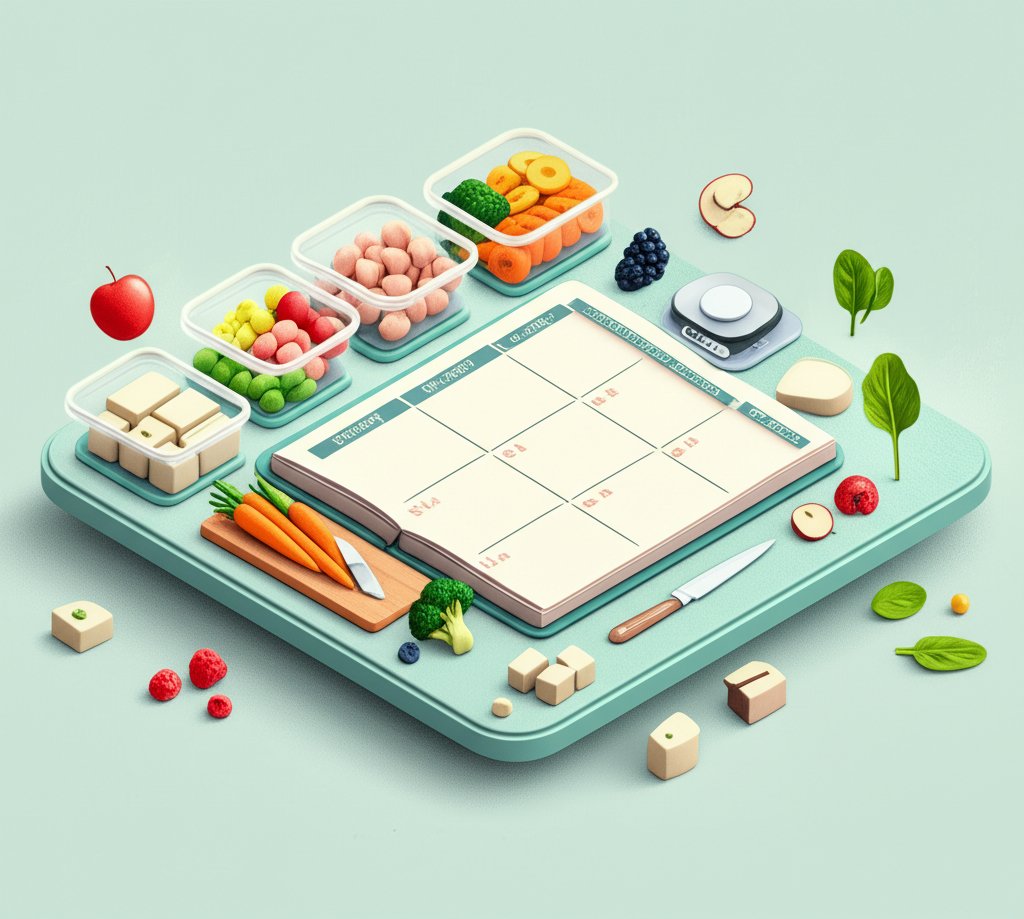
That nagging “what’s for dinner?” question can drain your mental energy, turning a simple daily need into a source of stress. A dedicated meal planner diary transforms that chaos into a calm, actionable system, giving you a clear roadmap for your meals, grocery trips, and even your health goals. It’s the difference between wandering the grocery aisles aimlessly and shopping with purpose.
This isn’t just about scribbling down meal ideas on a sticky note. A well-designed planner is a command center for your kitchen, helping you align your daily food choices with your budget, schedule, and well-being.
At a Glance: Your Key Takeaways
- More Than a Notebook: A meal planner diary is a structured system for planning meals, streamlining grocery lists, tracking health goals, and managing food prep.
- Find Your Fit: Planners range from all-in-one health journals to simple, prep-focused organizers. The right choice depends on your primary goal—be it weight loss, budget control, or time savings.
- The Connection to Goals: Features like habit trackers and progress reviews directly link the food you eat to the results you want to see.
- A Proven System: Following a simple weekly workflow—inventory, plan, list, prep—is the key to making the habit stick.
- Beyond the Plan: A physical diary helps reduce food waste, curb impulse spending at the store, and eliminate last-minute takeout decisions.
Beyond the List: What Makes a Meal Planner a Power Tool?
At its core, a meal planner diary moves you from reactive to proactive. Instead of asking “What do I want to eat now?” you start with “What did I plan to eat?” This subtle shift is a game-changer for your wallet, your waistline, and your weeknight sanity.
A simple notepad can hold a list, but a true meal planner diary provides a framework. It’s designed to connect the dots:
- The Meal Plan: A dedicated space for breakfast, lunch, and dinner for every day of the week.
- The Grocery List: Often detachable or alongside the weekly plan, so you can build your list as you plan your meals.
- The Prep Plan: A spot to note tasks for your prep day, like “chop onions,” “cook quinoa,” or “marinate chicken.”
- The Tracking System: Pages for tracking habits (like water intake), measurements, and monthly progress, turning your meal plan into a component of a larger wellness journey.
Think of it like this: a grocery list is a set of directions to the store. A meal planner diary is the full travel itinerary, including your destination (health goals), your budget, and your packing list (prep tasks).
Choosing Your Perfect Meal Planning Companion

The market is full of options, but they generally fall into a few key categories. Amazon’s ‘Overall Pick’ notebooks, for example, often boast 4+ star ratings and low return rates, signaling high user satisfaction with planners that are both functional and durable.
Consider what problem you most want to solve.
The All-in-One Health Journal
This type of planner is for someone whose food choices are part of a larger fitness or wellness goal.
- Who it’s for: Individuals tracking macros, workouts, weight loss, and daily habits alongside their meals.
- Key Features: Look for undated weekly and monthly calendars, goal-setting pages, measurement trackers, and habit logs. Planners like the Clever Fox Meal Planner, developed with input from nutritionists, often include these comprehensive sections.
- Material Matters: High-quality paper (like 120 gsm) prevents ink from bleeding through, and a sturdy cover (like PU leather) ensures it survives a year of use.
The Prep-Focused Organizer
This is for the busy person focused on efficiency. The main goal is to save time, reduce mental load, and master the art of batch cooking.
- Who it’s for: Anyone who wants to “cook once, eat all week” and streamline their Sunday prep session.
- Key Features: Seek out planners with dedicated sections for “prep tasks,” educational content like “Meal Prep 101,” and tips on food storage and reheating. The Meal Prep Meal Planner by Lisa Danielson is a prime example, teaching techniques alongside providing planning space.
- Practical Layout: The weekly view will have ample space not just for the meal name, but for notes on what needs to be prepped for that meal.
The Minimalist Calendar & Recipe Book
This is for the person who wants a simple, visual overview of the week’s menu without all the extra tracking.
- Who it’s for: Families who want to get organized, reduce dinner-time stress, and keep their favorite recipes in one place.
- Key Features: These often feature a simple grid-style weekly layout and may include dedicated pages for writing down recipes. Brands like The Happy Planner offer these straightforward, visually appealing options.
- Added Bonus: Some in this category focus on sustainability, using materials certified by the Forest Stewardship Council (FSC), which ensures responsible forestry practices.
| Planner Type | Primary Goal | Must-Have Features | Best For… |
| :— | :— | :— | :— |
| All-in-One Journal | Total Wellness | Habit/Measurement Trackers, Goal Pages | Individuals on a health journey. |
| Prep-Focused Organizer | Time & Money Savings | Meal Prep Checklists, Storage Tips | Busy professionals and batch cookers. |
| Minimalist Calendar | Simplicity & Organization| Clean Weekly Grid, Recipe Pages | Families wanting a straightforward plan. |
Your First Week: A Step-by-Step Guide to Using Your Diary
A new planner can feel both exciting and intimidating. Here’s a simple, six-step process to get started this week and build a lasting habit.
Step 1: Set Your Intention
Before you write down a single meal, use the opening pages of your diary. What is your “why”? Is it to save $150 a month on groceries? To lose 10 pounds? To finally stop ordering takeout on Wednesdays? Write it down. This mission statement will be your motivation.
Step 2: Take Inventory of Your Kitchen
Do a quick scan of your pantry, fridge, and freezer. What do you already have that needs to be used? Jot these items down in a “use first” list. Planning a meal around that frozen chicken and half-bag of spinach you already own is an immediate win for your budget and a loss for food waste.
Step 3: Theme Your Dinners (Optional but powerful)
Decision fatigue is real. Assigning themes to certain nights drastically narrows your choices. Think: Meatless Monday, Taco Tuesday, Pasta Wednesday, Leftover Thursday. This gives you structure without being overly restrictive.
Step 4: Pencil In Your Meals
Start with dinners, as they typically require the most thought. Once dinners are set, fill in lunches—these are often leftovers from the night before. Finally, add in breakfasts and snacks, which are usually simpler and more repetitive. Use a pencil! Plans change, and that’s okay.
Step 5: Build Your Grocery List as You Go
As you pencil in “Taco Tuesday,” immediately add ground beef, tortillas, and salsa to your diary’s shopping list. This integrated process ensures you don’t forget anything. When you’re done planning, your list is already complete.
Step 6: Schedule Your Prep Session
This step is the bridge between planning and reality. Look at your week and block out 90 minutes on Sunday afternoon. In your diary’s “prep” section, write down actionable tasks:
- Wash and chop lettuce for salads.
- Cook a big batch of brown rice.
- Portion out nuts for snacks.
- Make a vinaigrette for the week.
This step-by-step approach is a core part of a sustainable routine. For a complete framework on building this habit, our Guide to Stress-Free Meal Planning covers the entire process from mindset to execution.
Pro-Tips for Making the Habit Stick

The number one reason people abandon their meal planner diary is that they try to do too much, too soon. Success comes from consistency, not complexity.
- Start Simple, Then Scale: For your first two weeks, plan only 3-4 dinners you know by heart. Fill the other nights with leftovers or simple “pantry meals” like eggs on toast. You don’t need seven unique, gourmet recipes to be successful.
- Use the “Extra” Features: Don’t ignore the trackers and review pages. The real magic happens when you connect your actions to your results. A quick example: Mark used his habit tracker to check off “no takeout” every day. After a month, he used his monthly review page to calculate he’d saved over $200. Seeing that concrete number in his own handwriting was the motivation he needed to stick with it.
- Embrace Imperfection: Life happens. A friend might invite you out to dinner, or you might not feel like cooking what you planned. That’s fine! The goal of a meal planner diary is to provide a default plan, not a rigid set of rules. Simply swap days or cross something out.
- Make it a Ritual: Turn your planning session into something you enjoy. Brew a cup of tea, put on some music, and spend 20 distraction-free minutes with your diary every weekend. When it feels like a calming ritual instead of a chore, you’re more likely to continue.
Quick Answers to Common Questions
Is a digital app better than a physical meal planner diary?
It’s a matter of personal preference. Digital apps excel at recipe discovery and generating automated shopping lists. However, a physical meal planner diary offers a tactile, screen-free experience that many find helps them focus and commit to their plan. The physical act of writing can reinforce your intentions and minimize the distractions that come with a phone.
What if I’m not a good cook?
A meal planner diary is your best friend if you’re a beginner. It encourages you to find a few simple, reliable meals and repeat them. Your plan could include “Sheet Pan Lemon Chicken & Broccoli” or “Spaghetti with Jarred Sauce & a Side Salad.” The goal is to build confidence through consistency, not to become a chef overnight.
How does a meal planner diary actually save money?
It tackles two of the biggest budget-killers: food waste and impulse buys. By planning around ingredients you already have, you waste less. By going to the store with a precise list based on your plan, you avoid throwing random (and expensive) items into your cart. The average American household throws away over $1,500 in food each year; a planner helps you reclaim a chunk of that.
Do I need a planner with all the bells and whistles like stickers and pockets?
While not essential, these features can significantly enhance the experience and improve your consistency. Stickers can serve as a fun, visual reward system for hitting your goals. A back pocket is incredibly practical for stashing coupons, recipe clippings, or a separate shopping list you’ve torn out. The core value is the layout, but these extras are designed to keep you engaged.
From Overwhelmed to Organized: Your Next Step
A meal planner diary is more than just a book; it’s a tool for taking control. It quiets the daily noise of food decisions and replaces it with a clear, intentional plan that serves your health, your budget, and your peace of mind.
Ready to pick one? Use this simple guide to decide:
- If your primary goal is a total health transformation… look for an all-in-one journal with comprehensive trackers for food, fitness, and personal habits.
- If your primary goal is to save time and master meal prep… prioritize a planner with dedicated space for prep lists and practical tips.
- If you’re just starting and crave simplicity… choose a planner with a clean, straightforward weekly layout and a detachable shopping list.
Pick the tool that matches your immediate goal. Grab a pen, open to the first blank week, and turn that dinner-time dread into a feeling of accomplishment. Your future, less-stressed self will thank you.

- Master Vegan Freezer Meal Prep to Simplify Your Busy Schedule - June 18, 2026
- Vegan Freezer Cooking Simplifies Healthy Meals on Busy Nights - June 17, 2026
- Vegetarian Freezer Recipes for Effortless Meal Prep and Delicious Dinners - June 16, 2026