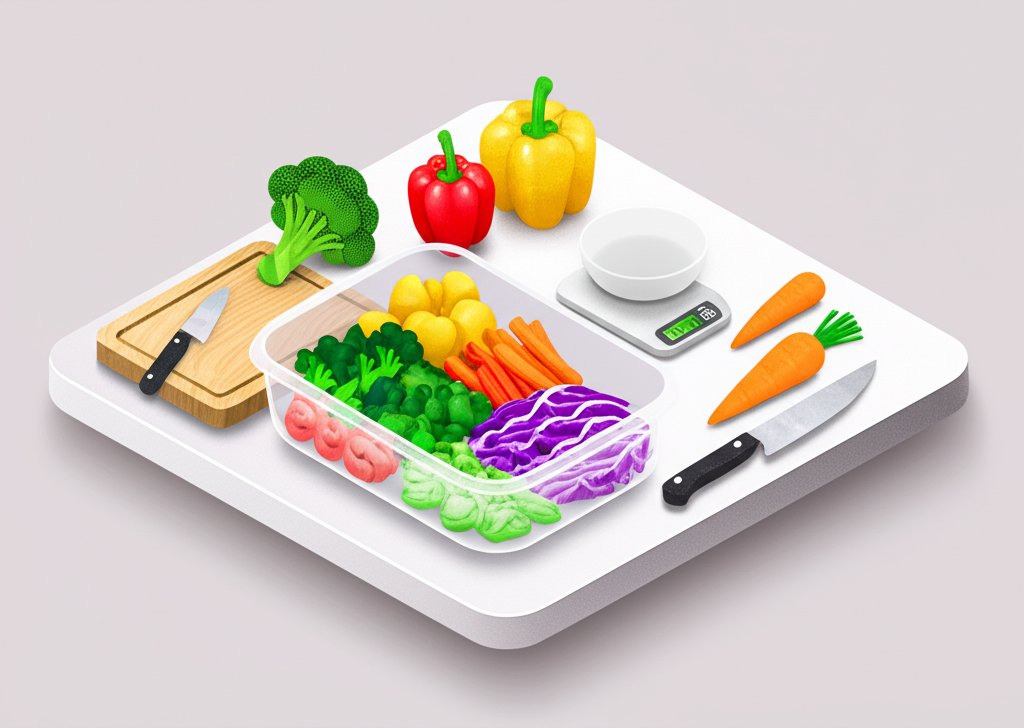
For the bigger picture and full context, make sure you read our main guide on Meal Prep Vegetables Simple Steps for Effortless Weekly Meals.
Here is the detailed cluster article, crafted according to your specifications.
The Sunday meal prep dream is a beautiful one: a fridge full of vibrant, ready-to-eat components for a week of effortless meals. The Wednesday reality, however, can be a container of sad, soggy broccoli or limp, uninspiring bell peppers. The secret isn’t a complex technique or fancy gadget; it’s starting with good meal prep veggies specifically chosen for their ability to go the distance.
This is your expert guide to selecting, prepping, and storing vegetables that not only survive but thrive in your fridge, ensuring your Thursday lunch is just as crisp and delicious as your Monday dinner.
At a Glance: Your Path to Crisp, Week-Long Veggies
- The Tier System: Learn to categorize veggies into three groups: 5-day all-stars, mid-week players, and an “eat-first” crew to build a smarter meal plan.
- Master the Dry-Prep: Discover why drying your veggies thoroughly after washing is the single most important step to prevent premature spoilage.
- Roast vs. Steam: Understand when to use high-heat roasting for deep flavor and when steaming is better for preserving a crisp-tender texture.
- Smart Storage Secrets: Unlock simple tricks, like the paper towel method, to fight moisture and keep your prepped vegetables fresh for days.
- The Reheating Fix: Find out why your veggies get soggy and how to reheat them to bring back their just-cooked appeal.
The Veggie ‘A-Team’: Your 5-Day All-Stars
These are the workhorses of the meal prep world. Their dense structure and lower water content make them incredibly resilient, staying fresh, firm, and flavorful for up to five days after cooking. If you want reliability, build your week around this crew.
Hardy Root Vegetables
Think of the veggies that grow underground. They are built for longevity.
- Carrots: Whether cut into sticks for snacking, diced for soups, or roasted into sweet, caramelized coins, carrots are champions of durability. Their low moisture content means they resist turning mushy.
- Sweet Potatoes & Potatoes: A meal prep staple for a reason. When roasted and stored properly, they hold their texture and flavor beautifully. They are perfect for grain bowls, side dishes, or breakfast hashes.
- Beets: Earthy, sweet, and packed with nutrients. Roasted beets can be stored whole or sliced and added to salads throughout the week. Just be mindful of their vibrant color staining other ingredients!
- Parsnips: The sweet, slightly spicy cousin of the carrot. They roast wonderfully and provide a unique flavor to your weekly veggie mix.
Cruciferous Powerhouses
This family of vegetables is known for its firm, fibrous texture that stands up exceptionally well to both cooking and storage.
- Broccoli & Cauliflower: When roasted at a high temperature, the florets get deliciously crispy edges while the stems remain tender. They are arguably the most popular and versatile of all good meal prep veggies.
- Brussels Sprouts: Hated by many as kids, beloved by meal preppers as adults. Roasting transforms them into savory, caramelized gems. You can prep them by halving or shredding them for salads.
- Cabbage (Red and Green): Incredibly affordable and long-lasting. Shredded cabbage can last all week, ready to be turned into slaws, stir-fries, or a crunchy topping for tacos.
The Mid-Week Players: Reliable for 3-4 Days
These vegetables are still fantastic for meal prep, but their slightly higher water content means they are best consumed by day three or four. Plan to use them in your Monday-to-Wednesday meals for peak texture and flavor.
- Bell Peppers: The key is how you store them. Sliced raw bell peppers, kept in an airtight container with a paper towel, stay crunchy and are perfect for salads, snacks, or quick fajitas. Roasted peppers are also great but will be softer.
- Green Beans & Asparagus: These are best when blanched or lightly steamed to maintain their signature snap. Overcooking them will lead to a limp texture upon reheating. They are fantastic sides that reheat in seconds.
- Mushrooms: When cooked, mushrooms release a lot of water. The trick is to sauté or roast them until their moisture has evaporated and they are nicely browned. Stored this way, they hold up for several days.
The ‘Eat-First’ Crew: Best Eaten Within 48 Hours
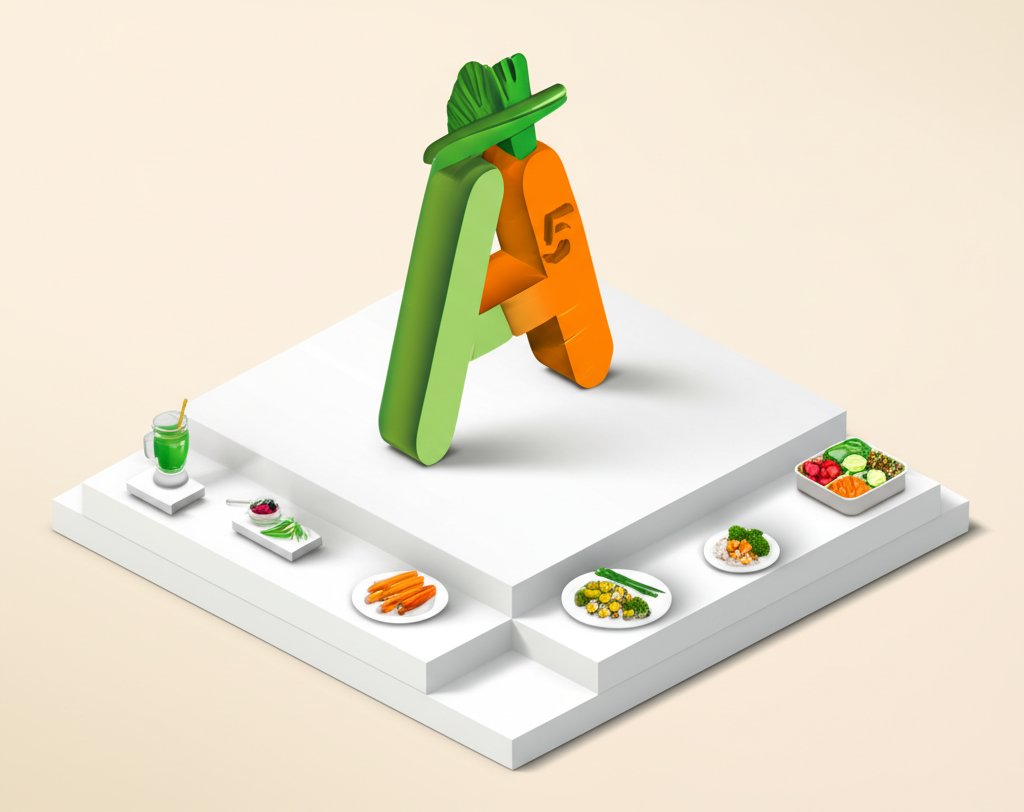
These high-water-content vegetables are delicious and absolutely have a place in your meal prep—you just need to eat them first. Their delicate structure means they will soften and release water quickly.
- Zucchini & Summer Squash: These are notorious for getting watery. To combat this, you can “sweat” them before cooking: chop them, sprinkle with salt, and let them sit in a colander for 20-30 minutes to draw out excess moisture. Pat dry before roasting.
- Cucumbers: Best prepped and eaten raw. Slice them up for the first two days of salads or snacks. They do not cook or freeze well.
- Tomatoes: Cherry tomatoes hold up better than larger varieties. Keep them whole until just before eating if possible. If you must slice them, store them in a separate container so their juices don’t make other ingredients soggy.
The Prep-Once, Eat-All-Week Method
Choosing the right veggies is half the battle; prepping them correctly is the other half. A solid preparation routine is the foundation of any successful meal plan. For a complete overview of the entire process, our Simple Meal Prep Vegetables Guide is an excellent resource that covers everything from planning to storage.
The Golden Rule: Wash, Dry, and Chop
This three-step process is non-negotiable for longevity.
- Wash Thoroughly: Wash all your produce as soon as you get home. This removes dirt and bacteria and gets a big step out of the way.
- Dry Completely: This is the most critical step. Moisture is the enemy of freshness and leads to mold and mushiness. Use a salad spinner for leafy greens and a clean kitchen towel for everything else. Don’t rush this—pat every piece dry.
- Chop Uniformly: Cut your vegetables into consistent, even-sized pieces. This ensures they cook at the same rate, so you don’t have some bits burnt while others are still raw.
To Cook or Not to Cook? Deciding on Raw vs. Pre-Cooked
You don’t have to cook everything in advance. A hybrid approach often works best.
- Prep Raw When: You want maximum crunch. Carrots, bell peppers, and celery are great raw. It saves time on Sunday, but means you have to cook during the week. Example: A “fajita kit” with sliced raw peppers and onions, ready to be thrown into a hot pan on Tuesday night.
- Prep Cooked When: You want grab-and-go meals. Roasted broccoli, sweet potatoes, and Brussels sprouts are ready to be added to a bowl and reheated. This takes more time on Sunday but makes weeknights effortless. Example: A big batch of roasted root vegetables that can be the base for a grain bowl, a side for chicken, or part of a breakfast scramble.
Your Meal Prep Veggie Playbook: Roasting and Steaming

While there are many ways to cook veggies, roasting and steaming are the most effective and popular methods for meal prep.
High-Heat Roasting: The Secret to Amazing Flavor
Roasting at a high temperature (400-425°F / 200-220°C) caramelizes the natural sugars in vegetables, creating a deep, savory flavor and crispy texture that’s hard to beat.
The Keys to Perfect Roasting:
- Don’t Crowd the Pan: Spread your veggies in a single layer with space between them. If they are piled on top of each other, they will steam instead of roast, resulting in a soggy texture. Use two pans if you have to.
- Use Enough Oil: Toss your veggies in a light coat of avocado or olive oil. This helps them brown and prevents sticking.
- Season Generously: Don’t be shy with salt, pepper, and your favorite spices (like garlic powder or paprika) before roasting.
Roasting Time Cheat Sheet
Use this guide for roasting at 425°F (220°C). Times are approximate, so check for desired doneness.
| Vegetable Category | Examples | Roasting Time |
|---|---|---|
| Quick & Delicate | Asparagus, Green Beans, Bell Peppers, Zucchini | 10-20 minutes |
| Hardy Cruciferous | Brussels Sprouts, Broccoli, Cauliflower | 15-25 minutes |
| Sturdy Roots | Onions, Potatoes, Sweet Potatoes, Carrots | 30-45 minutes |
| Dense Squash | Butternut Squash, Acorn Squash | 20-60 minutes |
Steaming: For Crisp-Tender Perfection
Steaming is a fast, gentle cooking method that’s perfect for preserving the bright color and snappy texture of more delicate vegetables like green beans, asparagus, and broccoli. It’s a great option if you prefer a cleaner, less-oiled taste. A few minutes is all it takes.
Storing Your Prepped Veggies to Maximize Freshness
Your hard work is done. Now, protect your investment with proper storage.
The Three Commandments of Veggie Storage
- Cool Completely: Never, ever put hot or warm food into a sealed container and into the fridge. The trapped steam creates condensation, which will make your perfectly roasted veggies soggy. Let them cool on the baking sheet for at least 30-45 minutes.
- Use Airtight Glass: Glass containers are superior to plastic for meal prep. They don’t stain, don’t absorb odors (goodbye, garlic-scented plastic!), and create a better seal, keeping food fresher for longer.
- Fight Moisture with a Paper Towel: For raw-prepped veggies with high water content (like sliced peppers or cucumbers) or leafy greens, place a folded paper towel at the bottom or top of the container. It will absorb excess moisture and can extend their life by days.
A Quick Shelf-Life Guide
| Prep Style | Shelf Life | Examples |
|---|---|---|
| Raw, Hardy Veggies (Chopped) | 4-5 days | Carrots, bell peppers, celery |
| Most Cooked Veggies (Cooled Properly) | 3-4 days | Broccoli, sweet potatoes, asparagus |
| Raw, High-Water Veggies (Chopped) | 2-3 days | Cucumbers, zucchini, tomatoes |
Quick Answers to Common Veggie Prep Questions
Q: Can I meal prep leafy greens like spinach or kale?
A: Absolutely. For salads, wash and thoroughly dry kale or romaine hearts using a salad spinner. Store in a container with a paper towel. They’ll stay crisp for days. Spinach is best prepped by sautéing it with a little garlic and oil; it shrinks down and can be easily added to eggs, pasta, or grain bowls.
Q: Why do my roasted veggies get soggy when I reheat them?
A: The microwave is the main culprit. It heats by steaming food, which is the enemy of crispiness. For best results, reheat roasted veggies in an air fryer, toaster oven, or on a baking sheet in a hot oven (400°F) for 5-10 minutes.
Q: Is it okay to use frozen vegetables for meal prep?
A: Yes! Frozen veggies are a fantastic, budget-friendly shortcut. They are picked and frozen at peak freshness. You can roast them directly from frozen (you may need to add 5-10 minutes to the cooking time) for great results, especially with broccoli, cauliflower, and green beans.
Q: How should I prep onions and garlic?
A: You can absolutely chop onions and garlic in advance. Store them in a dedicated airtight container in the fridge, as their strong aroma can permeate other foods. They will last for up to a week.
Your First Step to Flawless Veggie Prep
Stop thinking you need to make all your veggies last until Friday. The key to a successful week is strategic variety. Your goal isn’t to make zucchini last for five days; it’s to have delicious, ready-to-eat veggies every day.
Here is your simple plan for this weekend:
- Choose Your All-Stars: Pick two from the ‘A-Team’, like broccoli and sweet potatoes. Roast a large batch of both. These are your reliable sides for Monday through Thursday.
- Add a Mid-Week Player: Chop up a few bell peppers and store them raw in a container with a paper towel. Plan to use these in a stir-fry or salad on Tuesday or Wednesday.
- Prep an ‘Eat-First’ Item: Slice some cucumbers for your Monday and Tuesday lunches.
By building your prep around the natural lifespan of your vegetables, you guarantee freshness all week long. No more food waste, no more disappointing meals—just delicious, effortless results.

- Master Vegan Freezer Meal Prep to Simplify Your Busy Schedule - June 18, 2026
- Vegan Freezer Cooking Simplifies Healthy Meals on Busy Nights - June 17, 2026
- Vegetarian Freezer Recipes for Effortless Meal Prep and Delicious Dinners - June 16, 2026