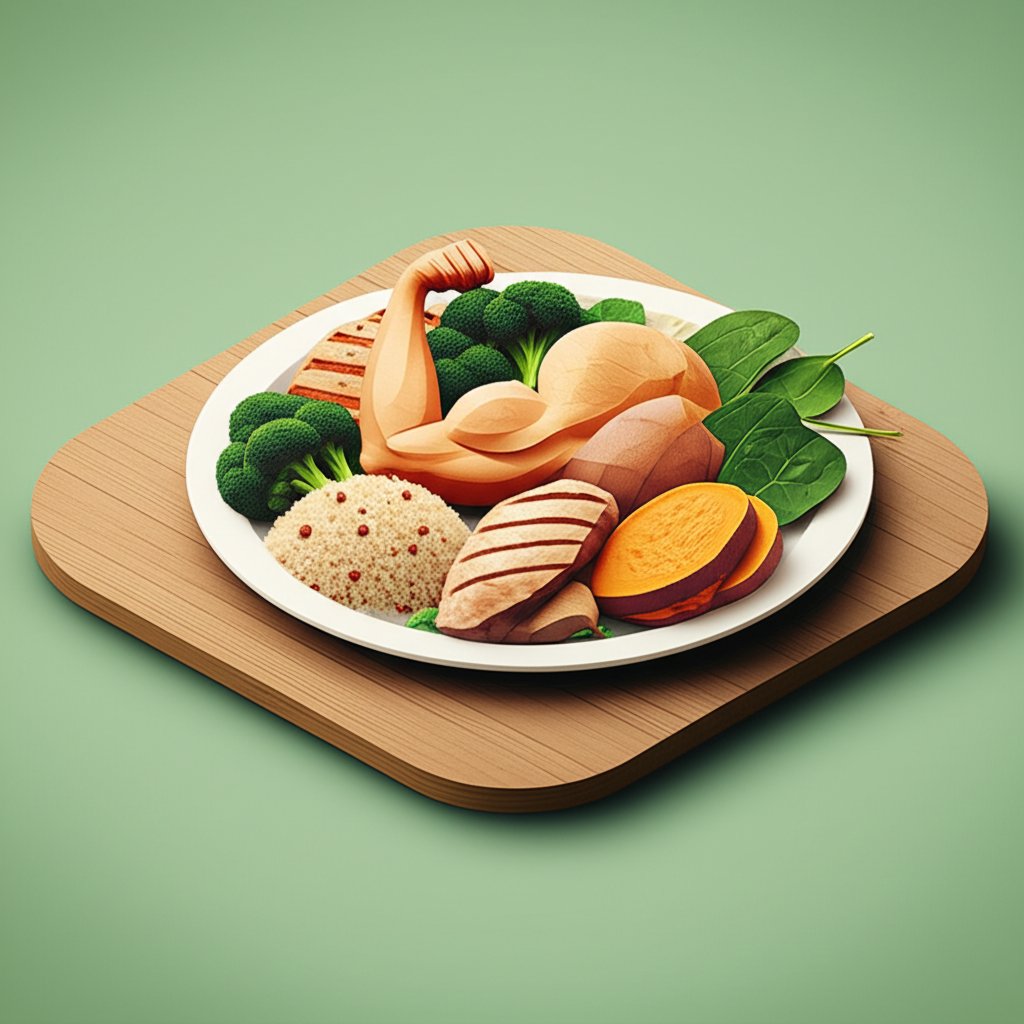
Hitting your daily calorie surplus for muscle growth can feel like a full-time job. You can eat clean all day, but if you end up 800-1000 calories short by evening, the prospect of forcing down another meal is daunting. This is where mastering the 1000 calorie dinner becomes a strategic advantage, transforming your final meal from a chore into a powerful tool for recovery and growth.
Forget the dry chicken and broccoli. A high-calorie dinner doesn’t have to be a bland, gut-busting ordeal. With the right ingredients and structure, you can create a satisfying, nutrient-dense meal that fuels muscle protein synthesis overnight without leaving you feeling bloated and uncomfortable.
At a Glance: Your 1000-Calorie Dinner Blueprint
- Why It Works: A large final meal helps you easily meet a high daily calorie target (3,000+) common in bulking phases, promoting overnight muscle repair and recovery.
- The Macro Formula: Learn the ideal balance of protein, carbs, and fats to maximize muscle growth and energy storage.
- Smart Calorie-Boosting: Discover simple, healthy additions like oils, nuts, and sauces that add hundreds of calories without massive volume.
- Actionable Meal Ideas: Get three specific, easy-to-follow recipes that deliver ~1000 calories and taste great.
- Common Pitfalls Avoided: Understand how to build this meal without relying on processed junk or feeling overly stuffed.
Why a 1000 Calorie Dinner is a Powerful Bulking Tool
First, let’s be clear: a single 1000-calorie meal is for individuals with high energy needs, such as athletes or people actively trying to gain muscle mass (a process often called “bulking”). This is the polar opposite of a 1000-calorie-per-day diet, which is a very low-calorie approach for weight loss that requires medical supervision.
For someone aiming for 3,500 calories a day to build muscle, trying to spread that evenly across five or six meals can be exhausting. A strategically large dinner simplifies the math and the effort. It allows you to eat more moderately during a busy workday and then use your evening meal as the primary driver toward your calorie surplus. This approach fits well into many lifestyles and can improve adherence over the long haul.
A well-constructed dinner of this size provides a sustained release of amino acids and glucose to your muscles overnight—the most critical window for repair and growth. While this meal is a cornerstone, fitting it into a full day’s plan is key. Our broader guide on 1000-Calorie Meals for Bulking covers breakfast, lunch, and snack strategies to complete your high-calorie framework.
The Building Blocks: Macronutrients for a Muscle-Building Dinner
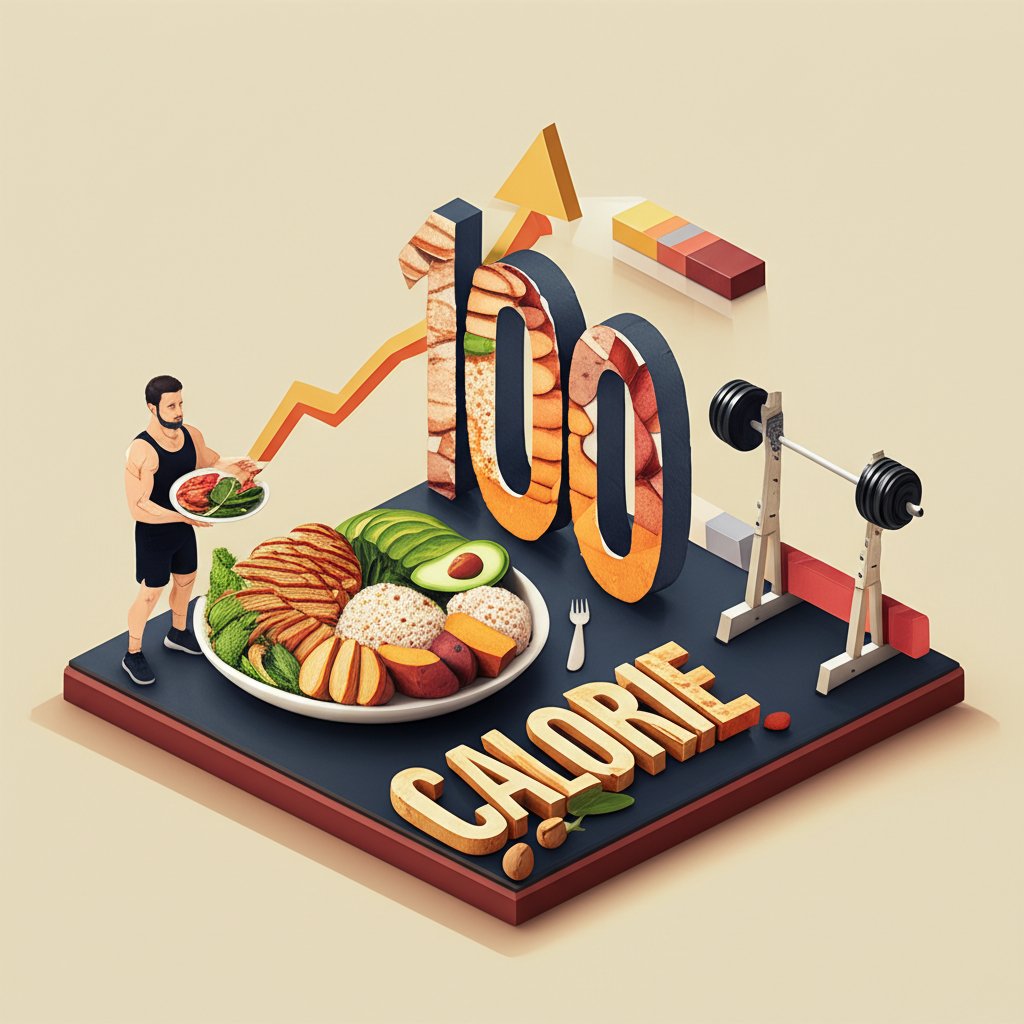
A 1000 calorie dinner isn’t just about the number; it’s about the quality of those calories. Randomly eating high-fat junk food will get you the calories, but it won’t build quality muscle. For optimal results, your meal should align with established sports nutrition principles, generally targeting a macronutrient split of 40-60% carbohydrates, 25-35% protein, and 20-30% healthy fats.
Protein: The Foundation for Repair and Growth (Aim for 40-60g)
Protein provides the amino acids necessary to repair muscle fibers torn during training. Consuming a significant portion before bed supports muscle protein synthesis (MPS) while you sleep.
- Lean Choices (Good Base): Chicken breast, turkey breast, cod, tilapia, lean ground beef (93/7).
- Fattier Choices (Excellent for Calories): Salmon, sirloin steak, chicken thighs, whole eggs, ground beef (80/20).
Carbohydrates: The Fuel for Performance and Recovery (Aim for 100-150g)
Carbohydrates replenish the muscle glycogen you burned during your workout. This not only fuels your next training session but also plays a role in cellular signaling for muscle growth.
- Complex Carbs: Brown rice, quinoa, sweet potatoes, whole-wheat pasta, oats.
- Simple Carbs (Good Post-Workout): White rice, potatoes, regular pasta. These are great for a fast glycogen refill.
Healthy Fats: The Calorie-Dense Secret Weapon (Aim for 25-35g)
Fat is the most calorie-dense macronutrient, containing 9 calories per gram compared to 4 for protein and carbs. This makes it your best friend for hitting 1000 calories without adding massive food volume. Healthy fats also support hormone production, including testosterone.
- Top Sources: Avocado, olive oil, nuts (almonds, walnuts), seeds (chia, flax), nut butters, fatty fish.
How to Build a 1000 Calorie Dinner Without Feeling Overstuffed
The key is “calorie density.” You don’t need a mountain of food; you need smarter food choices. Let’s walk through building a meal, step-by-step.
Step 1: Start with a Solid Protein and Carb Base (~550 Calories)
First, create a standard, healthy dinner plate. This forms your nutrient-rich foundation.
- Protein: 6 oz (170g) cooked chicken breast (~280 kcal, 55g protein)
- Carbohydrate: 1.5 cups (240g) cooked white rice (~305 kcal, 65g carbs)
- Vegetable: 1 cup steamed broccoli (~55 kcal)
This solid meal totals around 640 calories. It’s nutritious but falls short of our goal. Now, we amplify it.
Step 2: Amplify with Calorie-Dense “Boosters”
Here’s where the magic happens. We add small-volume, high-calorie ingredients that barely increase the size of the meal.
| Booster Type | Example Addition | Calories Added | New Total | Notes |
|---|---|---|---|---|
| Cooking Oil | Cook chicken in 2 tbsp of olive oil | +240 | 880 kcal | The easiest calories you’ll ever add. Avocado oil works great too. |
| Nut & Seed Topping | Sprinkle 1/4 cup (1.5 oz) of sliced almonds | +206 | 1086 kcal | Adds healthy fats, fiber, and a satisfying crunch. |
| Avocado | Add half a medium avocado on the side | +160 | 800 kcal | A clean source of monounsaturated fats and potassium. |
| Cheese | Melt 1 oz of cheddar cheese over broccoli | +115 | 755 kcal | Full-fat cheese provides protein and fat. |
| Creamy Sauce | Mix rice with 2 tbsp of pesto | +120 | 760 kcal | Pesto is oil- and nut-based, making it a perfect calorie-dense flavor. |
| By simply cooking the chicken in olive oil and topping the dish with almonds, our 640-calorie meal becomes a 1,090-calorie powerhouse without adding significant bulk. This is the core principle of a successful 1000 calorie dinner. |
Three 1000 Calorie Dinner Ideas You Can Make Tonight
Here are a few practical examples that bring these principles to life. Calorie and macro counts are estimates and can vary based on specific ingredients and portion sizes.
1. The Hearty Steak & Loaded Sweet Potato
This classic bulking meal combines high-quality protein with complex carbs and healthy fats for sustained energy and recovery.
- Ingredients:
- 8 oz (227g) Sirloin Steak
- 1 large (350g) Sweet Potato
- 2 tbsp Olive Oil
- 1/4 cup Full-Fat Greek Yogurt or Sour Cream
- 2 tbsp Chives, chopped
- 1 cup Green Beans, steamed
- Salt & Pepper
- Instructions:
- Rub the steak with 1 tbsp of olive oil, salt, and pepper. Cook in a hot skillet to your desired doneness. Let it rest.
- Bake the sweet potato until tender. Slice it open and mash the inside.
- Mix the mashed sweet potato with Greek yogurt, chives, salt, and pepper.
- Toss the steamed green beans with the remaining 1 tbsp of olive oil.
- Serve the steak alongside the loaded sweet potato and green beans.
- Approx. Nutrition: ~1050 Calories | 65g Protein | 80g Carbs | 50g Fat
2. Creamy Salmon & Pesto Pasta
This meal is packed with omega-3 fatty acids from the salmon and monounsaturated fats from the pesto, making it excellent for joint health and hormone function.
- Ingredients:
- 6 oz (170g) Salmon Fillet
- 1.5 cups (120g dry) Whole-Wheat Pasta
- 1/4 cup (60g) Pesto Sauce
- 1/2 cup Cherry Tomatoes, halved
- 1 oz (28g) Parmesan Cheese, grated
- 1 tbsp Olive Oil
- Instructions:
- Cook pasta according to package directions. Drain, reserving a splash of pasta water.
- While pasta cooks, season the salmon with salt and pepper. Pan-sear in olive oil for 4-5 minutes per side until cooked through.
- In a large bowl, toss the hot pasta with pesto, cherry tomatoes, and a little reserved pasta water to create a creamy sauce.
- Serve the pasta topped with the salmon fillet and a generous sprinkle of Parmesan cheese.
- Approx. Nutrition: ~1100 Calories | 55g Protein | 95g Carbs | 58g Fat
3. High-Protein Burrito Bowl Powerhouse
Infinitely customizable, this bowl is an easy way to pack in calories and micronutrients. The key is using fattier ground beef and being generous with the toppings.
- Ingredients:
- 6 oz (170g) Ground Beef (80/20)
- 1.5 cups Cooked White Rice
- 1/2 cup Black Beans, rinsed
- 1/2 Medium Avocado, sliced
- 1/4 cup Shredded Mexican Cheese Blend
- 2 tbsp Sour Cream
- Salsa, to taste
- Instructions:
- Brown the ground beef in a skillet, seasoning with taco spices (cumin, chili powder, garlic powder).
- Assemble your bowl: Start with the rice as a base.
- Top the rice with the cooked ground beef, black beans, avocado, cheese, sour cream, and salsa.
- Mix everything together or eat in layers.
- Approx. Nutrition: ~1020 Calories | 50g Protein | 85g Carbs | 55g Fat
Quick Answers to Common Questions
Q: Is eating a 1000 calorie dinner unhealthy?
For an individual with high energy needs (e.g., an athlete or someone bulking on 3,000+ calories daily), it is a perfectly healthy and efficient strategy. For a sedentary person with a 2,000-calorie daily need, it would be unhealthy as it would likely lead to unwanted fat gain and could crowd out other nutrients. Context is everything.
Q: What if I can’t finish a meal this big?
Don’t force it. Start smaller and gradually increase your portion sizes over a week or two. You can also “drink” some of your calories—a glass of whole milk alongside your meal adds 150 calories easily. Another strategy is to have part of your “dinner” as a high-calorie snack an hour or two before bed.
Q: Can I eat a 1000 calorie dinner every night?
Yes, if it fits your daily calorie and macronutrient goals. Consistency is key for muscle growth. However, it’s wise to vary the types of meals you eat to ensure a wide range of micronutrients. Rotate between different protein sources (beef, fish, chicken) and carb bases (rice, potatoes, pasta).
Q: Do I have to track macros perfectly?
Perfection isn’t necessary, but awareness is. In the beginning, tracking helps you understand what 1000 calories and 50 grams of protein look like on a plate. Once you get the hang of it, you can estimate more intuitively. Focus on consistently hitting your protein and total calorie goals.
Your Next Step: Start Smart, Not Just Big
Jumping straight from a 500-calorie dinner to a 1000-calorie one can be a shock to your digestive system. The best approach is gradual.
Tonight, take your typical dinner and apply one of the “booster” principles. Cook your protein with an extra tablespoon of olive oil or top your meal with a quarter-cup of nuts. See how you feel.
The goal of a 1000 calorie dinner isn’t just to hit a number; it’s to provide your body with the high-quality fuel it needs to build a stronger, more muscular physique. By focusing on nutrient-dense, calorie-rich additions, you can achieve your bulking goals effectively and enjoyably.

- Master Vegan Freezer Meal Prep to Simplify Your Busy Schedule - June 18, 2026
- Vegan Freezer Cooking Simplifies Healthy Meals on Busy Nights - June 17, 2026
- Vegetarian Freezer Recipes for Effortless Meal Prep and Delicious Dinners - June 16, 2026