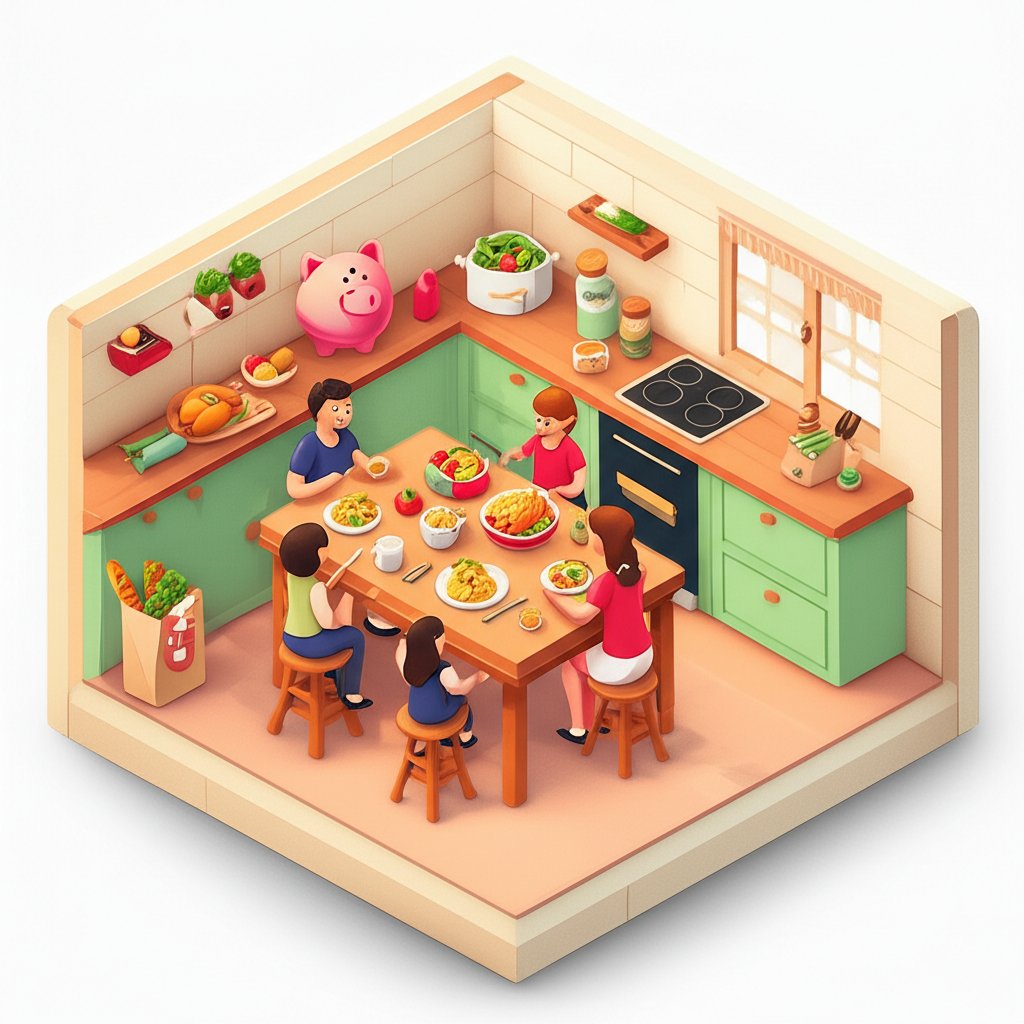
That 5 PM feeling of dread is all too familiar. What’s for dinner? What’s in the fridge? And most importantly, how do you feed your family a satisfying meal without blowing the budget? Crafting delicious family meals under 20 dollars can feel like a magic trick, but it’s a skill anyone can master. It’s not about sacrifice; it’s about strategy.
Forget the idea that cheap means bland or boring. With the right approach, you can put amazing, flavorful dinners on the table every night of the week, saving you time, money, and stress.
At a Glance: Your Weeknight Wins
- Master the Pantry: Learn which staple ingredients form the backbone of countless budget meals.
- Pick Your Protein MVP: Discover the most cost-effective proteins and how to stretch them.
- Embrace One-Pot & Sheet-Pan Cooking: Unlock simple cooking methods that save time on prep and cleanup.
- Smart Recipe Formulas: Get practical templates for meals like Sloppy Joes, casseroles, and soups that you can adapt with what you have.
- Quick-Fire Q&A: Get answers to common budget-cooking hurdles, from picky eaters to cost calculations.
The Under-$20 Mindset: Strategy, Not Scarcity
The secret to consistently creating meals under 20 dollars isn’t about finding obscure coupons or eating instant ramen. It’s about shifting your perspective from finding a single cheap recipe to building a system for creating cheap meals. This starts with a well-stocked pantry and a flexible plan.
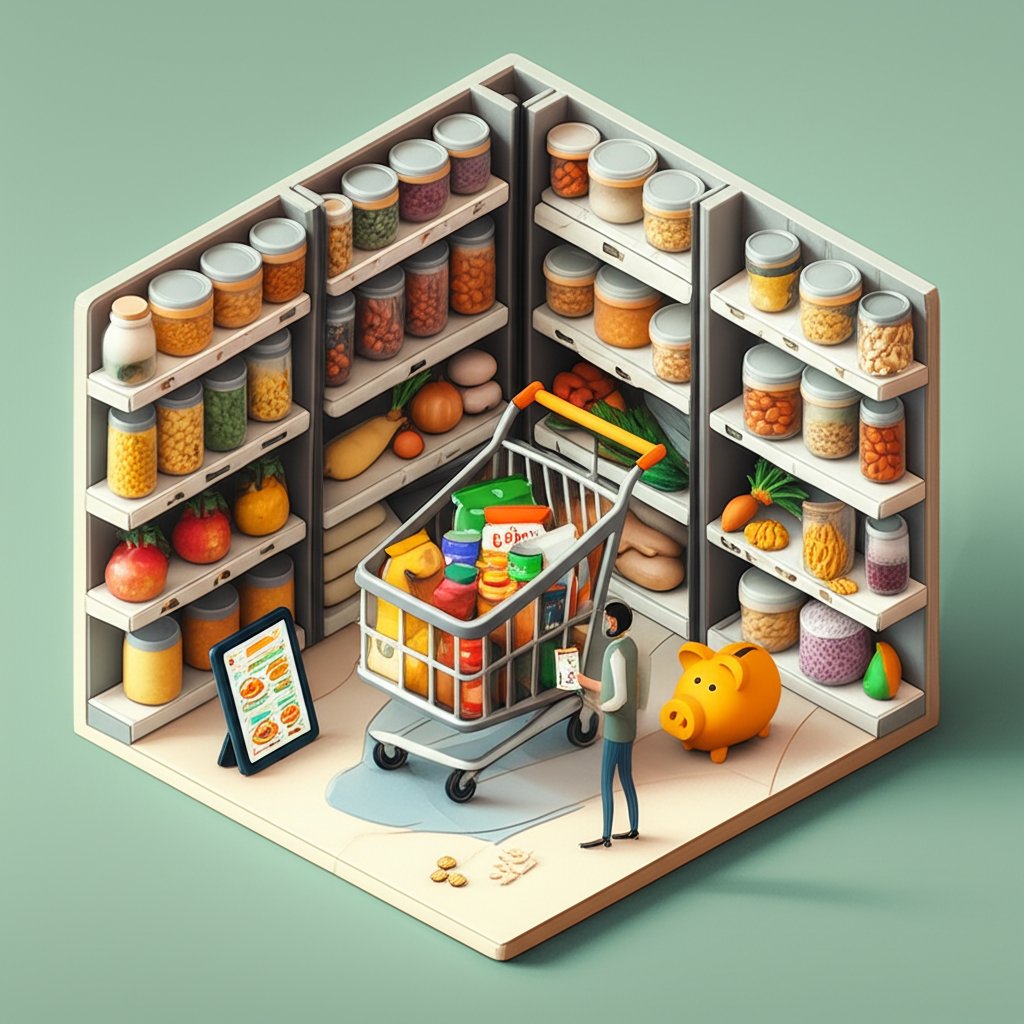
When your pantry is armed with low-cost staples like pasta, rice, canned beans, tomatoes, and key spices, you’ve already won half the battle. These items have a long shelf life and can be purchased in bulk when on sale, drastically reducing the per-meal cost. From there, you only need to add a fresh protein and a vegetable or two to complete the picture.
This strategic approach turns a recipe from a rigid set of rules into a flexible template. Once you have the fundamentals down, you’ll find endless inspiration. For a comprehensive list of ideas that fit this framework, you can always Get delicious family meals under $20 to kickstart your meal planning.
Build Your Budget-Friendly Arsenal: The Power Pantry

Your pantry is your economic superpower. Stocking it smartly means you’re never starting from scratch, which is often when impulse buys and expensive takeout happen. Focus on versatile ingredients that can be used across dozens of different meals.
Your Under-$20 Pantry Checklist:
- Grains & Carbs: Long-grain white rice, pasta (spaghetti, penne, macaroni), old-fashioned oats, flour, and cornmeal. These are the filling foundations of many meals.
- Canned Goods: Diced tomatoes, tomato sauce, tomato paste, black beans, kidney beans, chickpeas, and canned tuna or chicken. These are shelf-stable flavor and protein sources.
- Broths & Liquids: Chicken, beef, and vegetable broth (bouillon cubes are the most cost-effective), soy sauce, and vinegar.
- Aromatics: Onions, garlic, and celery are the flavor base for nearly every savory dish. Buy them whole for the best value.
- Fats & Oils: Vegetable oil, olive oil, and butter.
- Spices & Seasonings: Don’t skip these! Salt, black pepper, garlic powder, onion powder, chili powder, cumin, dried oregano, and Italian seasoning will transform basic ingredients into a delicious meal.
With these items on hand, a simple trip to the store for ground beef and buns instantly becomes Sloppy Joes night. A bag of potatoes and some smoked sausage becomes a hearty sheet pan dinner.
The Most Valuable Proteins for Meals Under 20
Protein is often the most expensive part of a meal, but choosing the right kind—and using it wisely—is key to staying on budget.
Ground Meat: The Ultimate Weeknight Workhorse
Ground beef, turkey, or chicken is arguably the most versatile and budget-friendly protein available. A single pound can be stretched to feed a family of four or more.
- Tacos: A classic for a reason. One pound of ground turkey or beef, a packet of taco seasoning (or your own blend of chili powder, cumin, and garlic powder), and some tortillas form the base. Toppings like shredded lettuce, cheese, and salsa are inexpensive additions.
- Sloppy Joes: Sauté a pound of ground meat with a chopped onion, then stir in ketchup, a splash of mustard, and a little brown sugar. Simmer and serve on cheap hamburger buns. It’s a crowd-pleasing meal that comes together in under 30 minutes.
- Hamburger Soup: This is a fantastic “clean out the fridge” meal. Brown ground beef, then add beef broth, a can of diced tomatoes, and whatever veggies you have—potatoes, carrots, celery, frozen corn, or green beans. Simmer until the vegetables are tender.
Chicken Thighs: The Savvy Choice
While chicken breast often gets the spotlight, boneless, skinless chicken thighs are typically cheaper, more flavorful, and far more forgiving—they don’t dry out as easily. This makes them perfect for casseroles, stews, and one-pot rice dishes.
- One-Pot Chicken and Rice Casserole: This is comfort in a dish. Place bone-in or boneless chicken thighs over a bed of uncooked rice in a baking dish. Pour a mixture of chicken broth and a can of cream of mushroom or cream of chicken soup over the top, cover, and bake for about an hour. It’s a complete meal with minimal effort.
- BBQ Pulled Chicken: Simmer chicken thighs in your favorite BBQ sauce in a slow cooker or on the stove until they are fall-apart tender. Shred the meat with two forks and serve on buns for easy sandwiches.
Canned Goods & Sausage: The Flavor Boosters
Don’t overlook the power of processed proteins. They bring a ton of flavor and convenience for a very low cost.
- Sheet Pan Sausage and Vegetables: This is the easiest weeknight meal in existence. Chop up smoked sausage (like kielbasa) and any sturdy vegetables you have—potatoes, broccoli, bell peppers, onions. Toss everything with a little oil and seasoning, spread it on a baking sheet, and roast at 400°F (200°C) for 25-30 minutes.
- Easy Tuna Noodle Casserole: A retro classic that’s a budget hero. Mix cooked egg noodles with a can of tuna, a can of cream of mushroom soup, and some frozen peas. Top with crushed potato chips or breadcrumbs and bake until bubbly.
Simple Methods for Maximum Flavor and Minimal Cost
How you cook is just as important as what you cook. These two methods are champions of efficiency, saving you time on both prep and cleanup.
The One-Pot Wonder Formula
One-pot meals layer flavors in a single vessel, meaning less to wash and a richer, more cohesive final dish.
The Simple Steps:
- Sauté Aromatics: Heat oil or butter in a large pot or Dutch oven. Cook chopped onion, garlic, and other aromatics (like celery or carrots) until softened.
- Brown the Protein: Add your ground meat or sausage and cook until browned.
- Deglaze and Add Liquid: Add a splash of broth, water, or wine to scrape up any browned bits from the bottom of the pot (this is pure flavor!). Then add your main liquid, like broth and canned tomatoes.
- Add the Starch: Stir in your uncooked pasta, rice, or potatoes. Bring to a simmer, cover, and cook until the starch is tender, stirring occasionally.
- Finish with Flair: Once cooked, turn off the heat and stir in any final ingredients, like cheese, a splash of cream, or fresh herbs.
- Example in Action: Creamy Tomato Pasta. Sauté garlic in butter, add a large can of crushed tomatoes and a splash of broth. Bring to a simmer, add a pound of uncooked pasta, and cook until al dente. Stir in a few ounces of cream cheese until a smooth, creamy sauce forms.
The Sheet Pan Savior Method
This method uses the high, dry heat of the oven to roast everything together, creating incredible caramelization and flavor.
The Simple Steps:
- Preheat and Prep: Preheat your oven to 400-425°F (200-220°C). Chop your protein and vegetables into uniform, bite-sized pieces.
- Toss and Season: In a large bowl, toss the ingredients with a tablespoon or two of oil and your desired seasonings. Make sure everything is evenly coated.
- Spread and Roast: Spread everything in a single layer on a large, rimmed baking sheet. Do not overcrowd the pan, as this will steam the food instead of roasting it. Use two pans if necessary.
- Roast to Perfection: Roast for 20-35 minutes, depending on the ingredients, flipping halfway through, until the vegetables are tender and the protein is cooked through.
- Example in Action: Roasted Whole Chicken with Vegetables. Place a whole chicken in the center of a sheet pan. Surround it with chopped potatoes, carrots, and onions tossed in olive oil and herbs. Roast until the chicken is cooked through and the vegetables are golden. It looks impressive but requires very little active work.
Quick Answers to Common Budget Cooking Questions
Q: How can I make meals under $20 even cheaper?
A: Focus on “stretching” your meat by adding beans, lentils, or extra vegetables to dishes like chili, tacos, or pasta sauce. Incorporate one or two “meatless” nights per week using dishes like Black Bean Tacos or Lentil Stew. Also, buying produce that’s in season is almost always cheaper.
Q: What if my family has picky eaters?
A: Deconstructed meals are your best friend. For tacos, lay out the cooked meat, cheese, lettuce, and tortillas separately and let everyone build their own. For sheet pan dinners, you can keep the sausage on one side and the veggies on the other. Serving familiar formats like Pizza Bagels or Easy Pepperoni Pizza Sliders is also a great way to introduce new flavors in a comfortable way.
Q: Can vegetarian meals really be filling enough for a family?
A: Absolutely! The key is using hearty, protein-rich ingredients. Lentil Stew, made with dried lentils, vegetables, and broth, is incredibly filling and costs just pennies per serving. Black beans and chickpeas are also packed with protein and fiber. Pairing these with a whole grain like brown rice ensures a satisfying and nutritious meal.
Q: How do you actually calculate the cost of a meal?
A: The most accurate way is to calculate the cost of the ingredients you actually use. For example, if a $4 pound of ground beef serves four, that’s $1 per person. If you use half a $1 box of pasta, that’s $0.50. Add up the cost of the portion of each ingredient used to get your total. Over time, you’ll get a feel for the cost of your go-to recipes without needing to do the math every time.
Your Next Steps to Stress-Free, Budget-Friendly Dinners
Getting started with family meals under 20 isn’t about a dramatic, overnight overhaul. It’s about taking small, smart steps. This week, pick one strategy and put it into action.
- Audit Your Pantry: See what you already have from the checklist above and make a small list of what you need to create a functional “power pantry.”
- Choose a MVP Protein: Plan two meals this week around a single, budget-friendly protein like ground turkey or chicken thighs.
- Try a New Method: Dedicate one night to a sheet-pan dinner. Chop everything up, toss it on the pan, and enjoy the freedom of a low-effort, high-reward meal.
By building these habits, you’ll transform dinner from a source of stress into a moment of connection, proving that a delicious, home-cooked family meal doesn’t have to come with a hefty price tag.

- Master Vegan Freezer Meal Prep to Simplify Your Busy Schedule - June 18, 2026
- Vegan Freezer Cooking Simplifies Healthy Meals on Busy Nights - June 17, 2026
- Vegetarian Freezer Recipes for Effortless Meal Prep and Delicious Dinners - June 16, 2026