Crafting a high protein vegan meal plan can feel like a puzzle. You know you need to prioritize protein for muscle maintenance, satiety, and overall health, but the old advice of just “eating more beans” doesn’t quite cut it, especially if you have ambitious fitness goals. The good news is that hitting your protein targets on a plant-based diet isn’t just possible—it’s straightforward with the right strategy. It’s about being intentional, not just restrictive.
This guide moves beyond the basics to give you a clear, actionable framework. We’ll break down the numbers, provide a concrete 7-day plan, and show you how to scale your protein intake for any goal, from general wellness to serious athletic performance.
At a Glance: What You’ll Learn
- The Core Building Blocks: Discover the most potent plant-based protein sources and how to use them.
- A Sample 7-Day Plan: See what a balanced, protein-focused vegan week looks like in practice.
- How to Scale Your Protein: Learn specific meal formulas to hit 30 grams of protein per meal and scale up to 100-150 grams per day.
- Simple Protein Boosters: Uncover easy additions that can add 5-10 grams of protein to any meal with minimal effort.
- Practical Meal Prep Strategy: Learn the component-based approach that makes consistency easy.
- Answers to Common Questions: Get clear, no-nonsense answers to frequent concerns about vegan protein.
Understanding Your Plant-Based Protein Powerhouses
A well-structured vegan diet is associated with significant health benefits, including a lower risk of cardiovascular disease, as highlighted in a 2022 review, due to reduced animal fat and higher fiber intake. The key is knowing which foods deliver the most protein bang for your buck.
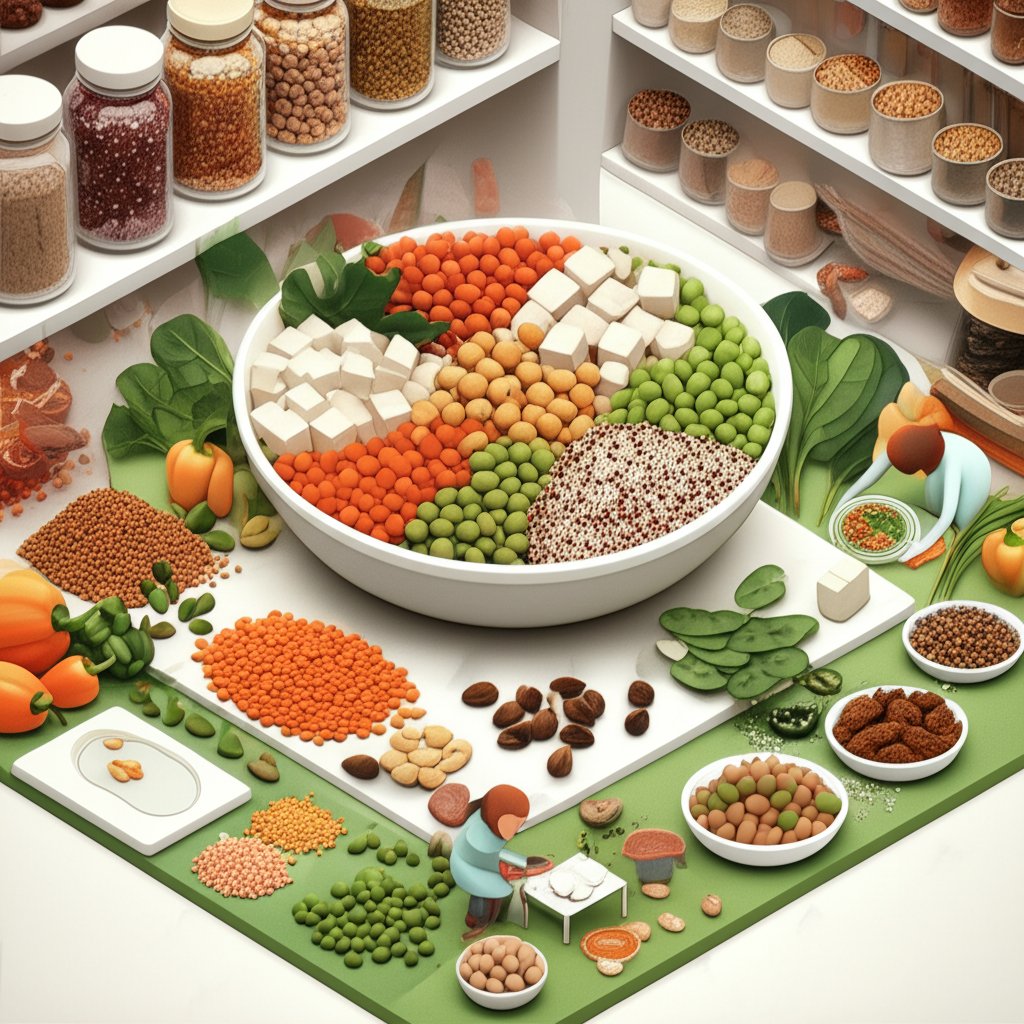
While many plant foods contain some protein, a few stand out as true powerhouses. Focusing your meals around these ingredients is the first step to building an effective high protein vegan meal plan.
| Protein Source | Approx. Protein per Serving | Why It’s a Staple |
|---|---|---|
| Tempeh | 15-17g per ½ cup | Fermented soy, firm texture, great for “steaks” or crumbles. |
| Firm Tofu | 18g per ½ block | Incredibly versatile; absorbs any flavor you throw at it. |
| Seitan | 20-25g per 3 oz | Made from wheat gluten, has a uniquely dense, meaty texture. |
| Lentils | 9g per ½ cup (cooked) | Inexpensive, fast-cooking, and perfect for soups, salads, and dahls. |
| Chickpeas/Beans | 7-8g per ½ cup (cooked) | The budget-friendly foundation for chilis, salads, and curries. |
| Edamame | 9g per ½ cup (shelled) | A complete protein that makes a fantastic snack or salad addition. |
| Quinoa | 4g per ½ cup (cooked) | A complete protein that serves as a superior grain base. |
| Hemp Seeds | 10g per 3 Tbsp | A nutritional powerhouse you can sprinkle on almost anything. |
The Secret to Consistency: Component-Based Meal Prep
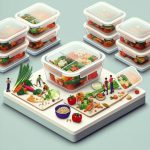
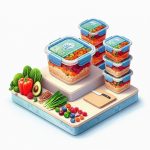
The biggest hurdle to sticking with any meal plan is boredom and the time it takes to cook every day. Instead of making five different complete meals for the week, focus on prepping components you can mix and match. This component-based approach is central to creating sustainable habits. To master the art of preparing these building blocks, you can Start diverse vegan meal prep with our foundational guide.
A simple weekly formula looks like this:
- 1-2 Proteins: Bake a block of marinated tofu; cook a large batch of lentils.
- 1 Grain: Cook a pot of quinoa or farro.
- 2-3 Veggies: Roast a tray of sweet potatoes and broccoli; grate a container of carrots.
- 1 Sauce: Whisk together a lemon-tahini dressing or a simple hummus-based sauce.
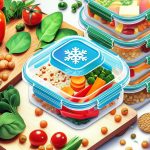
With these components ready in your fridge, assembling a high-protein bowl, salad, or wrap takes less than five minutes. Use labeled glass containers to keep everything fresh and organized.
A Sample 7-Day Vegan Meal Plan (Approx. 1,200 Calories, 50-60g Protein)
This plan provides a snapshot of what a balanced week can look like. It’s designed for a 1,200-calorie target, which can support weight loss for many individuals, and delivers a solid 50-60 grams of protein daily. Use this as a starting point, and we’ll show you how to increase the protein in the next section.
- Day 1
- Breakfast: 1 whole-wheat English muffin with 1½ Tbsp almond butter.
- Lunch: Large Green Salad with Edamame & Beets.
- Dinner: Tofu & Vegetable Curry with Zucchini Noodles.
- Snack: Small handful of dry-roasted almonds, ½ cup raspberries.
- Day 2
- Breakfast: Almond-Blueberry Chia Pudding.
- Lunch: Vegan Kale Caesar Salad with Tofu Croutons.
- Dinner: Vegan Mushroom Stroganoff over whole-wheat pasta.
- Snack: 1 cup edamame in pods, cucumber slices.
- Day 3
- Breakfast: Vegan Breakfast Burrito (with black beans and tofu scramble).
- Lunch: Leftover Vegan Kale Caesar Salad.
- Dinner: Vegan Beet Burger on a whole-wheat bun with sweet & spicy slaw.
- Snack: ½ cup raspberries, 1 cup edamame in pods.
- Day 4
- Breakfast: Almond-Blueberry Chia Pudding.
- Lunch: Leftover Vegan Kale Caesar Salad.
- Dinner: Meatless “Beef” Tacos using lentil-walnut crumble.
- Snack: 1 cup edamame in pods, 1 clementine.
- Day 5
- Breakfast: 1 whole-wheat English muffin with 1½ Tbsp natural peanut butter.
- Lunch: Leftover Vegan Kale Caesar Salad.
- Dinner: Curried Sweet Potato & Peanut Soup.
- Snack: ½ cup blackberries, 1 cup edamame in pods.
- Day 6
- Breakfast: Vegan Breakfast Burrito.
- Lunch: Leftover Curried Sweet Potato & Peanut Soup.
- Dinner: Vegan White Bean Chili with a side of mixed greens.
- Snack: 1 cup edamame in pods, bell pepper slices.
- Day 7
- Breakfast: Vegan Breakfast Burrito.
- Lunch: Leftover Curried Sweet Potato & Peanut Soup.
- Dinner: Roasted Cauliflower “Steak” with Almond-Butter Pesto.
- Snack: 1 cup edamame in pods, cucumber slices.
The Playbook: How to Scale Your Protein to Meet Any Goal
The 7-day plan above is a fantastic, healthy baseline. But what if your goal is 100 grams of protein per day or more? That requires a more targeted approach. Here’s how to build meals that reliably hit higher protein numbers.
How to Guarantee 30 Grams of Protein Per Meal
Hitting 30 grams of protein in a single vegan meal is about strategic layering. You need a strong protein base, a protein-rich grain or legume, and a high-protein “topper” or sauce.
Formula 1: The Tempeh Quinoa Power Bowl (~31g Protein)
- Base: ¾ cup cooked quinoa (6g protein)
- Protein Core: ½ block pan-seared tempeh (15g protein)
- Sauce: 2 Tbsp tahini-based dressing (5g protein)
- Topper: 2 Tbsp hemp seeds (7g protein)
- Add-ins: Roasted broccoli, shredded carrots, and massaged kale.
Formula 2: The Lentil & Chickpea Tacos (~30g Protein) - Filling: ½ cup cooked lentils (9g protein) mixed with ½ cup mashed chickpeas (7g protein) and taco seasoning.
- Vessel: 2 high-protein whole-grain tortillas (7g protein)
- Topper: 3 Tbsp roasted pumpkin seeds (7g protein)
- Add-ins: Shredded lettuce, pico de gallo, and avocado.
The Blueprint for 100-150 Grams of Protein a Day
For those with significant muscle-building or athletic goals, reaching 100+ grams of protein requires planning every meal and snack. The key is to distribute your intake across 4-5 eating occasions so you’re not trying to eat a massive amount of protein at once.
Here’s what a sample 140-gram protein day could look like:
- Breakfast (30g): High-Protein Tofu Scramble
- ½ block firm tofu, crumbled (18g)
- 2 Tbsp nutritional yeast (8g)
- Side of 2 vegan breakfast sausages (~5g)
- Sauté with spinach and onions.
- Lunch (35g): Loaded Lentil Salad
- 1.5 cups cooked lentils (27g)
- 3 Tbsp pumpkin seeds (8g)
- Tossed with chopped celery, red onion, parsley, and a lemon vinaigrette.
- Afternoon Snack (30g): Vegan Protein Shake
- 1 scoop of quality vegan protein powder (25-30g)
- Blended with unsweetened almond milk, a handful of spinach, and half a banana.
- Dinner (40g): Seitan “Steak” Dinner
- 4 oz seitan cutlet, pan-seared (35-40g)
- Served with ½ cup cooked quinoa (4g) and steamed asparagus.
- Optional Evening Snack (5-10g): A handful of almonds or ½ cup of shelled edamame.
Easy Protein Boosters to Add to Any Meal
Sometimes you just need a quick, effortless way to bump up the protein content of a meal you’ve already made. Keep these on hand.
- Nutritional Yeast (8g protein per 2 Tbsp): Adds a cheesy, savory flavor. Stir it into pasta sauces, sprinkle on popcorn, or mix into tofu scrambles.
- Hemp Seeds (10g protein per 3 Tbsp): With a mild, nutty taste, they disappear into smoothies, oatmeal, and yogurt bowls.
- Pumpkin Seeds (9g protein per 3 Tbsp): A great crunchy topper for salads, soups, and bowls.
- Tahini (5g protein per 2 Tbsp): The foundation for creamy, protein-rich dressings for salads and grain bowls.
Quick Answers to Common Vegan Protein Questions
Q: Do I need to combine foods to make a ‘complete’ protein at every meal?
A: This is a persistent myth. While some plant foods are lower in certain essential amino acids, your body creates a pool of amino acids from everything you eat throughout the day. As long as you eat a varied diet including legumes, grains, nuts, and seeds, you’ll get everything you need. Foods like tofu, tempeh, quinoa, and hemp are complete proteins on their own.
Q: Is a high protein vegan meal plan expensive?
A: It can be if you rely heavily on processed mock meats and specialty products. However, a plan built on whole-food staples like lentils, dried beans, tofu, and oats is one of the most affordable ways to eat. Buy in bulk to save even more.
Q: I feel bloated when I eat a lot of beans. What can I do?
A: This is common if your body isn’t used to the high fiber intake. Introduce fiber-rich foods gradually, rinse canned beans and lentils thoroughly before using, and try soaking dry beans overnight and discarding the water before cooking. This can help reduce the compounds that cause gas.
Q: Can you actually build muscle on a vegan diet?
A: Absolutely. Numerous elite athletes in strength and endurance sports thrive on a high protein vegan diet. Your muscles respond to two primary signals: adequate protein intake and the stimulus of resistance training. As long as those two conditions are met, the source of the protein is less important.
Your First Step Starts Now
Building a high protein vegan meal plan is a skill. It starts with understanding the key ingredients and then adopting a simple framework for putting them together. Don’t try to overhaul your entire diet overnight.
This week, pick one of the meal formulas—like the Tempeh Quinoa Power Bowl—and make it for lunch two or three times. Get comfortable with the components. The following week, try adding a protein-rich smoothie as a snack. Small, consistent actions are what build a sustainable, protein-packed lifestyle that works for you. You have the blueprint; now it’s time to start building.

- Master Vegan Freezer Meal Prep to Simplify Your Busy Schedule - June 18, 2026
- Vegan Freezer Cooking Simplifies Healthy Meals on Busy Nights - June 17, 2026
- Vegetarian Freezer Recipes for Effortless Meal Prep and Delicious Dinners - June 16, 2026