It’s Wednesday afternoon, and the dreaded question looms: “What’s for lunch?” For many on a plant-based diet, the answer is often a sad, hastily assembled salad or a bland bowl of leftover rice. If you’re tired of compromising on flavor and protein just to get through a busy week, mastering vegan protein meal prep is your game-changer. It’s the secret to transforming your meals from a daily chore into a consistent source of nourishment and delight.
This isn’t about eating the same boring chickpea curry for five days straight. It’s about building a system that gives you variety, saves you precious time, and ensures every meal is packed with the protein you need to feel your best.
At a Glance: Your Quick Guide to Success
- Protein is Plentiful: Top vegan sources include seitan (~25g protein/3.5 oz), tempeh (~19g), tofu (~10g), and lentils (~9g per ½ cup).
- Two Core Methods: Choose between recipe-based prep (cooking full meals) or component-based prep (making ingredients separately) for maximum flexibility.
- Start Small: Don’t try to prep for a full seven days at first. Aim for 2-3 days to build the habit without feeling overwhelmed.
- Storage is Key: Most prepped vegan meals last 4-5 days in an airtight container in the refrigerator.
- Flavor is Your Friend: Use sauces, spices, and fresh herbs to keep your prepped meals exciting and prevent taste fatigue.
More Than Just Saving Time: The Real Wins of Prepping Your Protein
Let’s be honest: the initial effort of a Sunday meal prep session can feel daunting. But the payoff extends far beyond a few extra minutes in the morning. When you consistently prep your high-protein vegan meals, you unlock a few key benefits.
First, you eliminate decision fatigue. The mental energy you save by not worrying about your next meal can be channeled into your work, your workout, or your family. Second, you gain complete control over your nutrition. No more guessing games or settling for subpar takeout. You know exactly what’s in your food, making it easier to hit your protein targets and stick to your health goals.
Finally, it’s a massive money-saver. A block of tofu and a bag of lentils cost a fraction of what you’d spend on daily lunches out. It’s an investment in your time that pays dividends for your wallet and your well-being.
Your High-Protein Vegan Pantry: A Quick-Reference Guide
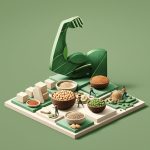
Building satisfying meals starts with the right ingredients. Not all plant proteins are created equal, and knowing which ones to reach for is half the battle. Think of this as your cheat sheet for a powerful, plant-based pantry.
The Heavy Hitters (20g+ Protein per serving)
These are the powerhouses of the vegan world, perfect for anchoring a meal when your protein goals are high.
- Seitan: Made from wheat gluten, seitan has a uniquely chewy, meat-like texture. It’s a protein superstar, boasting around 25 grams of protein per 3.5-ounce (100g) serving. It soaks up marinades beautifully and is fantastic in stir-fries, stews, or as a sandwich filling.
- Tempeh: This fermented soybean cake is a nutritional giant. It offers a firm texture, a nutty flavor, and about 19 grams of protein per 3.5-ounce (100g) serving. Crumble it into chili, slice it for sandwiches, or cube it for curries.
The Versatile Staples (8-19g Protein per serving)
These are the dependable, everyday heroes of vegan cooking. They are affordable, accessible, and incredibly versatile.
- Lentils: A pantry must-have. Cooked lentils provide about 9 grams of protein per ½-cup serving. They’re perfect for soups, stews, salads, and even as a base for plant-based meatloaf.
- Tofu: A true chameleon, firm or extra-firm tofu contains roughly 10 grams of protein per 3.5-ounce (100g) serving. Pressing it is key to achieving a great texture. Bake it, fry it, scramble it—the possibilities are endless.
- Edamame (shelled): These vibrant green soybeans are as delicious as they are nutritious, with about 8.5 grams of protein per ½-cup serving. They are a great addition to salads, bowls, or as a standalone snack.
- Chickpeas (Garbanzo Beans): The foundation of hummus and falafel, cooked chickpeas offer 7-8 grams of protein per ½-cup serving. Roast them for a crunchy snack or mash them for a “tuna-less” salad.
The Grain & Seed Boosters (4-8g Protein per serving)
Don’t overlook these smaller sources—they add up quickly and bring a wealth of other nutrients to the table.
- Quinoa: A complete protein, cooked quinoa delivers about 8 grams of protein per 1-cup serving. It’s an excellent base for grain bowls and salads.
- Spirulina: This blue-green algae is a potent nutrient source. Just one tablespoon of dried spirulina can add 4 grams of protein to your smoothie.
Find Your Meal Prep Rhythm: Batching vs. Components
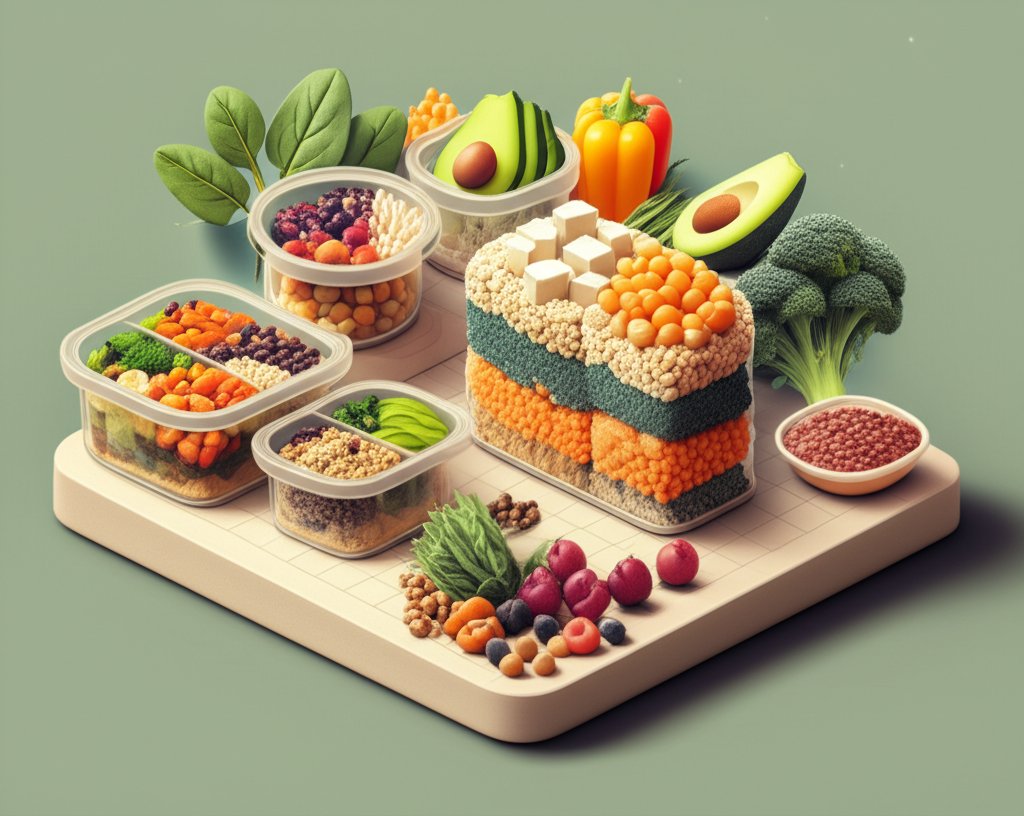
There’s no one “right” way to meal prep. The best method is the one that fits your lifestyle and preferences. Most people fall into one of two camps.
The “Grab-and-Go” Method: Recipe-Based Prepping
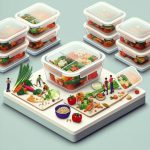
This is what most people picture when they think of meal prep. You cook several complete recipes—like a big pot of Turkish lentil soup or a tray of stuffed bell peppers—and portion them into individual containers.
- Best for: People who love routine, have very busy weekdays, or are new to meal prep.
- Pros: Requires zero thought during the week. Just grab, heat, and eat.
- Cons: Can lead to flavor fatigue if you don’t plan for variety.
The “Build-a-Bowl” Method: Component Prepping
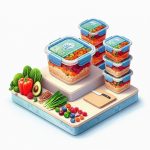
This method offers ultimate flexibility. Instead of full meals, you prepare individual components in bulk: a protein, a grain, a few roasted vegetables, and a couple of sauces. Each day, you assemble your meal in a few minutes.
- Best for: People who crave variety and like to customize their meals on the fly.
- Pros: Mix-and-match ingredients prevent boredom. You can easily create a dozen different meals from the same core components.
- Cons: Requires a few minutes of assembly each day.
Many find that a hybrid approach works best. Perhaps you prep a full batch of tofu scramble for breakfast but use the component method for lunches. Experiment and see what feels most sustainable. This component style is a cornerstone of many successful High protein vegan meal plan frameworks because it makes hitting macros simple and adaptable.
Your First Vegan Protein Prep: A Foolproof Four-Step Plan
Ready to dive in? Don’t overcomplicate it. Follow these four simple steps to execute a successful and stress-free prep session.
- Plan Your Menu: Choose just two or three simple recipes for the next few days. A great starting point is a grain bowl, a hearty soup, and a batch of overnight oats. Write down every single ingredient you’ll need.
- Create a Smart Shopping List: “Shop your pantry” first to see what you already have. Organize your list by store section (produce, dry goods, refrigerated) to make your trip efficient. Don’t be afraid to lean on canned beans and frozen vegetables to save time and money.
- Schedule Your Cook: Block out a 2-3 hour window on your calendar. Put on some music or a podcast and get into the zone. Start with the items that take the longest to cook, like baking tofu or simmering lentils. While they cook, you can chop veggies or mix up a sauce.
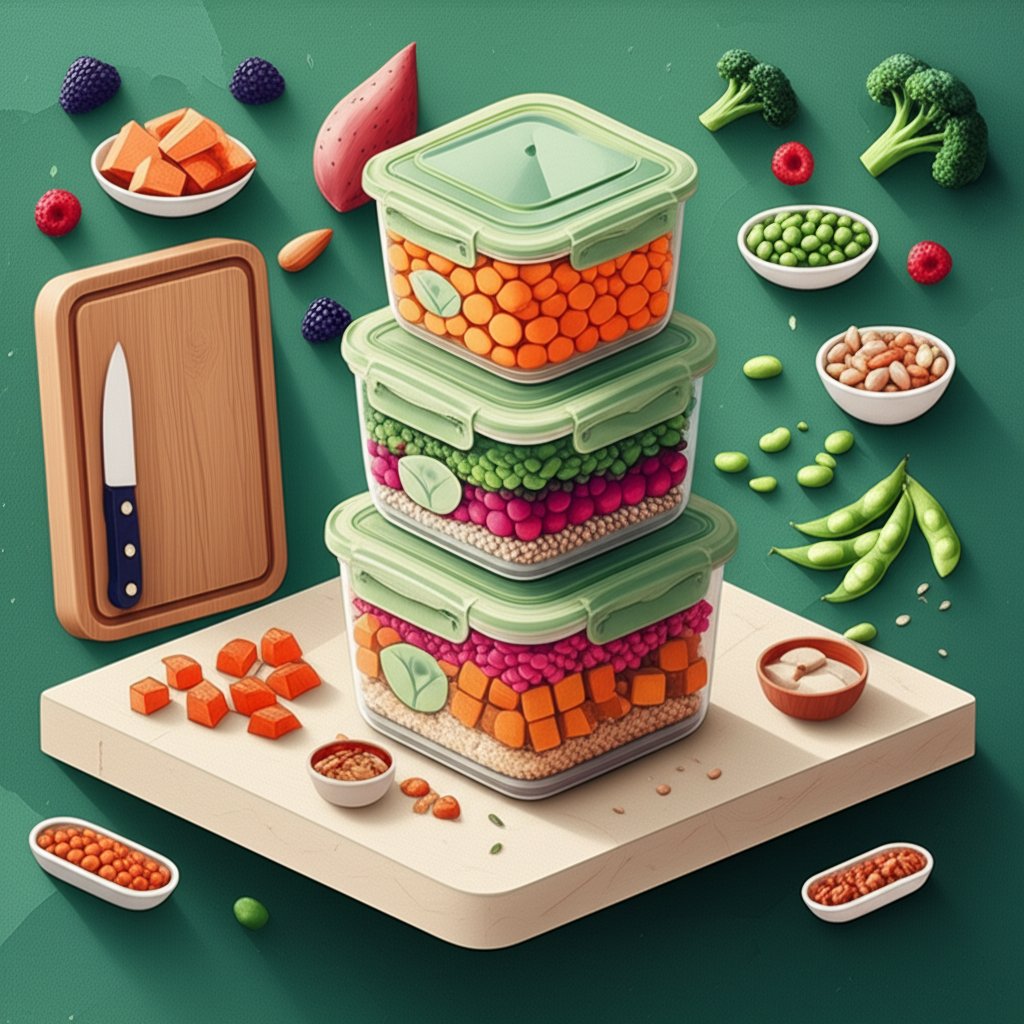
- Store for Freshness: Invest in quality airtight containers. Let food cool slightly before sealing and refrigerating to prevent condensation. Most prepped meals will stay fresh for 4-5 days. For salads, store dressings separately and add them just before eating.
From Bland to Brilliant: A Week’s Worth of Meal Prep Inspiration
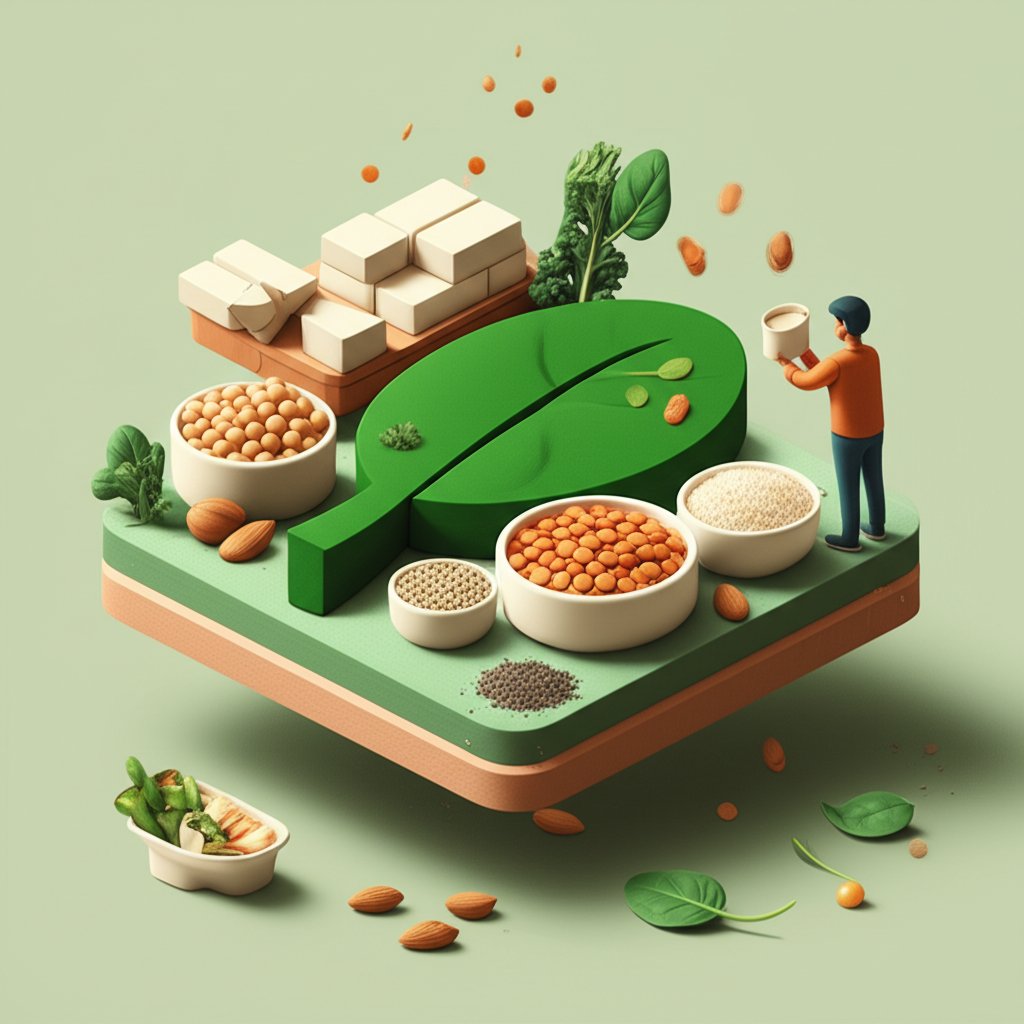
Need some ideas to get the wheels turning? Here are some tried-and-true recipes that are perfect for prepping ahead. This is just a starting point to inspire your own collection of High-Protein Vegan Meals that you’ll look forward to eating.
Power-Packed Breakfasts
Start your day strong with a protein-rich meal that’s ready when you are.
- Tofu Scramble: Pre-scramble a large batch with black salt (kala namak) for an “eggy” flavor, turmeric, and nutritional yeast. Store in the fridge and simply reheat in the microwave. (Protein: ~16g per serving).
- Overnight Oats with Protein Powder: Combine rolled oats, a scoop of your favorite vegan protein powder, chia seeds, and plant-based milk in a jar. Let it sit overnight for a creamy, filling breakfast. (Protein: up to 30g per serving).
- Chia Seed Pudding: This is as easy as it gets. Mix chia seeds with plant milk and a touch of maple syrup. Let it set up in the fridge and top with fruit and nuts before serving.
Satisfying Lunches & Dinners
These meals are hearty, flavorful, and hold up beautifully in the fridge.
- Lentil & Vegetable Soup: A classic for a reason. It’s cheap, incredibly nutritious, and the flavors only get better after a day or two. (Protein: ~19g per serving).
- Mexican Tofu Buddha Bowls: Prep your components: bake seasoned tofu cubes, cook a batch of quinoa, roast some bell peppers and onions, and whip up a simple avocado-lime dressing. Assemble your bowl fresh each day. (Protein: ~17g per serving).
- Coconut Chickpea Curry: This comes together quickly and is packed with flavor. It reheats perfectly and can be served with pre-cooked rice or quinoa. (Protein: ~19g per serving).
- BBQ Baked Tofu: Press and marinate tofu slices in your favorite BBQ sauce, then bake until firm and caramelized. This is amazing in sandwiches, wraps, or on top of a salad. (Protein: ~11-14g per serving).
Smart Snacks
Beat the afternoon slump with a protein-forward snack.
- Roasted Chickpeas: Toss canned, drained chickpeas with olive oil and spices, then roast until crispy.
- Edamame: Keep a bag of frozen edamame on hand. A quick steam or microwave is all it takes.
- Hummus with Veggies: Portion out hummus into small containers with pre-cut carrot and cucumber sticks.
Level Up Your Prep: Secrets from Seasoned Pros
Once you’ve got the basics down, a few extra tips can make your meal prep even more efficient and enjoyable.
- Embrace the Food Scale: For consistent results and accurate portioning—especially if you’re tracking macros—a simple digital food scale is an invaluable tool.
- Sauce is the Boss: A great sauce can tie an entire meal together. Prep two different sauces for the week, like a peanut-lime sauce and a lemon-tahini dressing. This simple step can make the same base ingredients feel like two completely different meals.
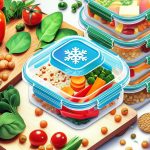
- Use Your Freezer: Double your batch of lentil soup or black bean chili and freeze half for a future week when you don’t have time to cook. Soups, stews, and curries freeze exceptionally well.
- Invest in Good Gear: Leaky containers are a meal prepper’s nightmare. Glass containers are a great investment as they don’t stain or hold odors and are safe for both the microwave and oven (without the lid!).
Following these pro tips is the first step in moving from casual prepping to a more structured system, which is the foundation of any good High-protein vegan diet guide.
Common Questions About Vegan Protein Meal Prep
As you start your journey, a few questions are bound to pop up. Here are a few of the most common ones, answered.
How long does prepped vegan food really last?
Most cooked vegan meals will last safely in an airtight container in the refrigerator for 4-5 days. Salads with delicate greens are best assembled right before eating.
Can I freeze my prepped meals?
Absolutely. Soups, stews, curries, cooked grains, and bean-based dishes freeze beautifully. Some ingredients, like tofu, will change texture after freezing (it becomes chewier and more porous, which many people love for marinades!), while raw vegetables like cucumbers won’t hold up.
How do I prevent my food from getting soggy?
The golden rule is to store wet and dry components separately. Keep dressings and sauces in a small container on the side. When packing bowls or salads, layer them strategically: dressing on the bottom, followed by hearty grains and proteins, then lighter vegetables, with leafy greens on the very top.
Is seitan or tofu better for meal prep?
Neither is “better”—it’s about personal preference and the recipe. Tofu is a blank canvas and extremely versatile for scrambles, baking, and stir-fries. Seitan offers a much chewier, meatier texture that’s incredible in stews or sliced for sandwiches. Both are excellent choices!
Your Next Step: From Reading to Prepping
The world of vegan protein meal prep isn’t about rigid rules or Instagram-perfect rows of containers. It’s about giving yourself the gift of time, nourishment, and peace of mind. It’s about ensuring that even on your most chaotic days, a delicious, protein-packed meal is never more than a few minutes away.
Don’t try to change everything overnight. Your mission for this week is simple: choose one recipe from this guide. Just one. Make a double batch. Eat it for lunch for two days. See how it feels to have a healthy, satisfying meal ready and waiting for you. That small win is the first step toward building a lasting, rewarding habit.

- Master Vegan Freezer Meal Prep to Simplify Your Busy Schedule - June 18, 2026
- Vegan Freezer Cooking Simplifies Healthy Meals on Busy Nights - June 17, 2026
- Vegetarian Freezer Recipes for Effortless Meal Prep and Delicious Dinners - June 16, 2026