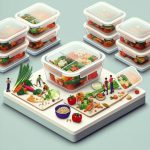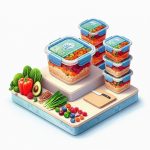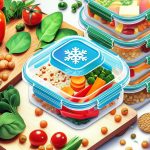
It’s 6 PM on a Tuesday. The day was a blur of meetings, deadlines, and a firehose of emails. You open the fridge to the dispiriting glow of a half-empty ketchup bottle and some questionable yogurt. The takeout app on your phone beckons, promising a quick, easy, and probably-not-so-healthy solution. This is the moment where having a roster of healthy meal prep ideas for busy professionals isn’t just a life hack—it’s a lifeline.
Meal prep is more than just a trend you see in perfectly arranged containers on social media. It’s a strategic system for reclaiming your time, money, and mental energy during a chaotic workweek. It’s your secret weapon against decision fatigue and your ticket to feeling energized and in control, one delicious, pre-made meal at a time.
This guide is your complete blueprint. No fluff, just actionable strategies and recipes that actually work for a demanding schedule.
At a Glance: Your Meal Prep Playbook
Here’s a quick look at what you’ll gain from this guide:
- A Simple 3-Step System: The foolproof “Plan, Cook, Store” framework that fits into any weekend.
- Dozens of Ideas: Specific, delicious recipes for breakfast, lunch, dinner, and snacks that won’t get boring.
- Time-Saving Hacks: Learn to cook smarter, not harder, with batch cooking and efficient techniques.
- The Health Factor: Simple rules for ensuring your prepped meals are genuinely nutritious and support your goals.
- Answers to Common Questions: We’ll tackle the big ones, like how to keep food fresh and how to start without feeling overwhelmed.
Why Meal Prep is a Game-Changer for Professionals
Before we dive into the “how,” let’s solidify the “why.” Committing a few hours one day a week unlocks a surprising number of benefits that ripple through your entire professional and personal life.
- You Eliminate Decision Fatigue: The average adult makes an estimated 35,000 decisions a day. Deciding what to eat three times a day, every day, adds to that mental load. Meal prep removes those choices, freeing up your brainpower for the work that matters.
- You Save Serious Time and Money: Think about the time spent daily figuring out lunch, waiting in line, or scrolling through delivery apps. Meal prep consolidates that effort into one focused session. Plus, cooking at home is consistently cheaper than eating out, saving you hundreds of dollars a month.
- You Take Control of Your Health: When you cook your own food, you control the ingredients, the portion sizes, and the cooking methods. No more hidden sugars, excessive sodium, or unhealthy fats from restaurant meals. You fuel your body for peak performance, leading to better focus and sustained energy.
- You Reduce Food Waste: A solid meal plan means you buy only what you need. No more discovering wilted spinach or expired chicken in the back of your fridge at the end of the week.
The Meal Prep Blueprint: A Simple 3-Step System
Success hinges on a solid strategy, not just a collection of recipes. This three-part framework turns a potentially chaotic task into a streamlined, repeatable process. Most people can get their planning, shopping, and cooking done in just 2-4 hours a week.
Step 1: Plan Like a CEO (of Your Kitchen)
Great execution starts with a clear plan. Don’t skip this step.
- Block Out the Time: Schedule your prep session in your calendar like any other important appointment. Sunday afternoon is a classic for a reason, but a Monday morning or Wednesday evening works too—whatever fits your life.
- Map Your Meals: You don’t need to plan every single meal. Start small. Aim to prep 3-4 lunches and 2-3 dinners. This gives you structure without rigidity, allowing for a spontaneous team lunch or dinner out.
- Use the “PFC” Formula: To build balanced, satisfying meals, make sure each one includes a component from these three categories:
- P – Protein (Lean): Chicken breast, salmon, ground turkey, tofu, lentils, chickpeas.
- F – Fiber (Veggies & Grains): Broccoli, bell peppers, spinach, sweet potatoes, quinoa, brown rice.
- C – Complex Carbs/Healthy Fats: The quinoa and sweet potatoes above pull double duty, but also think avocado, nuts, seeds, and olive oil.
- Create a “Smart” Grocery List: Organize your list by store section (produce, protein, pantry) to make your shopping trip fast and efficient. Stick to the list to avoid impulse buys and save money. Crafting effective Healthy meal plans for pros is the foundation of a successful week.
Step 2: Cook Smarter, Not Harder
Efficiency is your best friend in the kitchen. The goal is to maximize your output with minimal active cooking time.
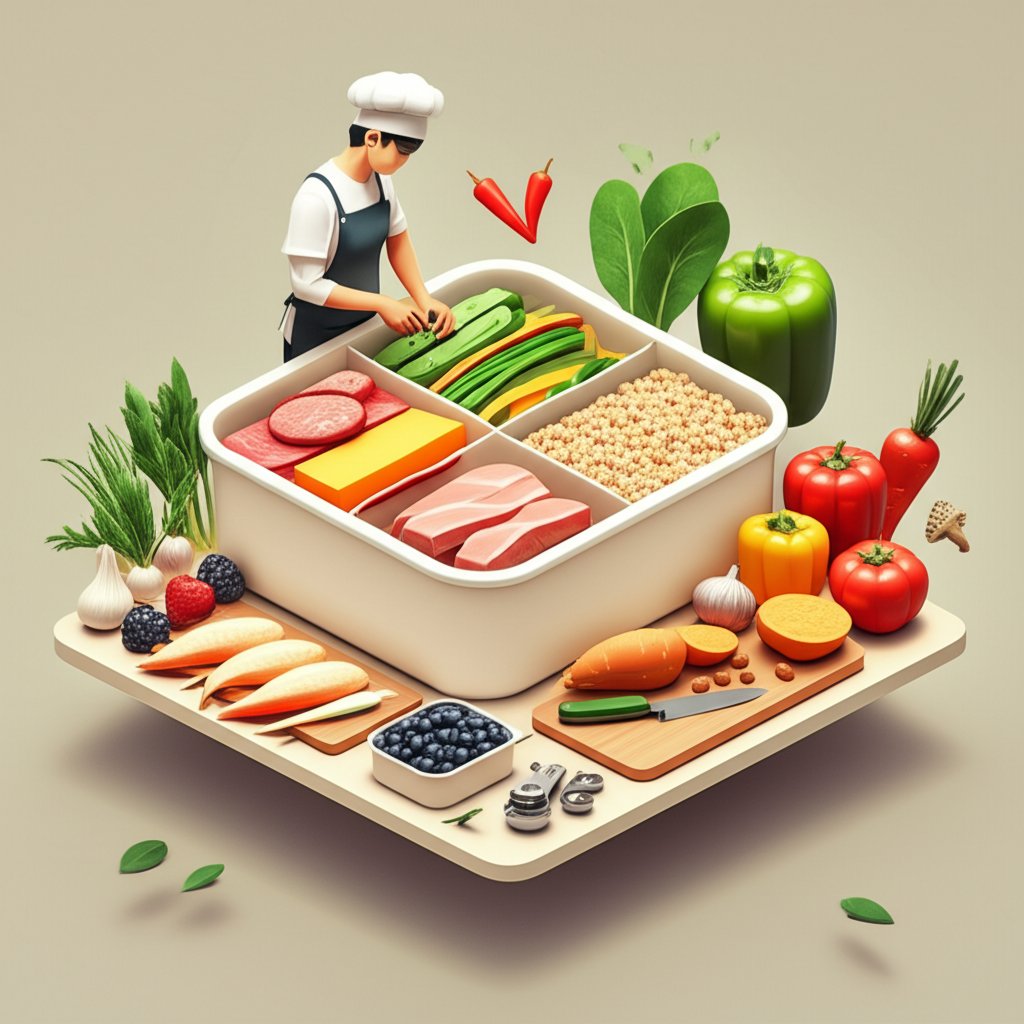
- Batch Cook Core Components: This is the most flexible approach. Instead of making five identical chicken-and-broccoli meals, cook the components separately. For example, on Sunday, you could bake a large batch of chicken breasts, roast a tray of mixed vegetables, and cook a pot of quinoa. During the week, you can mix and match them into different bowls, salads, or wraps to avoid flavor fatigue.
- Embrace “One-Pan” Wonders: Sheet pan dinners and slow cooker meals are your allies. They involve minimal prep and then cook on their own, freeing you up to chop veggies for another recipe or simply relax.
- Use Time-Saving Shortcuts: There’s no shame in using pre-chopped vegetables, frozen produce (which is just as nutritious as fresh), or a store-bought rotisserie chicken to use as your protein for the week.
Step 3: Store for Grab-and-Go Success
Proper storage keeps your food fresh, safe, and easy to access.
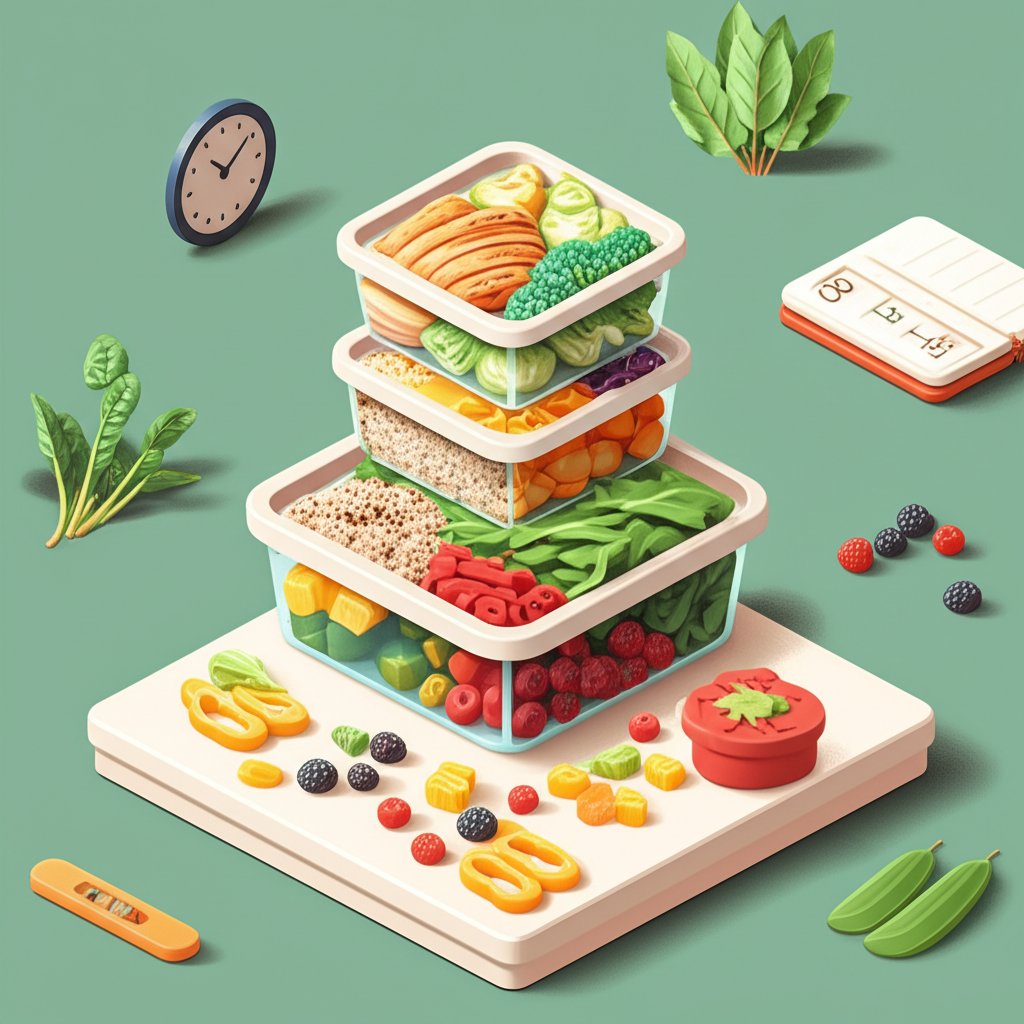
- Invest in Quality Containers: Choose BPA-free glass or plastic containers that are microwave-safe, dishwasher-safe, and leak-proof. Compartmentalized containers are excellent for keeping ingredients separate and preventing sogginess.
- Portion Immediately: As soon as your food is cooked and cooled slightly, portion it into your containers. This prevents you from overeating and makes grabbing a meal on your way out the door effortless.
- Label Everything: Use a piece of masking tape and a marker to label each container with the contents and the date it was made. This “first-in, first-out” system helps you eat everything before it goes bad and ends the guessing game of what’s what.
Your Go-To Meal Prep Menu: Ideas That Actually Taste Good
Ready for some inspiration? Here are tried-and-true ideas organized by meal. These focus on flavor, nutrition, and ease of preparation.
Breakfasts That Beat the Snooze Button
Mornings are hectic. Having a grab-and-go breakfast ready makes the difference between a calm start and a chaotic rush.
- Overnight Oats: The undisputed champion of easy breakfasts. In a mason jar, combine 1/2 cup rolled oats, 1/2 cup milk (dairy or non-dairy), 1 tbsp chia seeds, and a splash of maple syrup. Shake and refrigerate. In the morning, top with berries, nuts, or a dollop of nut butter.
- Mini Frittatas (Egg Muffins): Whisk a dozen eggs with a splash of milk, salt, pepper, and your favorite add-ins (diced bell peppers, spinach, feta cheese, cooked sausage). Pour into a greased muffin tin and bake at 375°F (190°C) for 15-20 minutes. They store perfectly in the fridge for up to 4 days.
- Breakfast Burritos: Scramble eggs with black beans, corn, and onions. Spoon the mixture into whole-wheat tortillas, add a sprinkle of cheese and salsa, then roll them up tightly in foil. Store in the fridge for a few days or in the freezer for months. Reheat in the microwave or a toaster oven.
- Greek Yogurt Parfaits: Layer high-protein Greek yogurt with fresh berries and low-sugar granola in a jar. It’s a 2-minute assembly job that feels like a treat.
Lunches That Won’t Make You Sad
Say goodbye to sad desk salads and overpriced sandwiches. These lunches are vibrant, satisfying, and built to travel.
- The Ultimate Power Bowl: This is where batch-cooked components shine. Start with a base of quinoa or brown rice. Top with your pre-cooked protein (grilled chicken, chickpeas), roasted vegetables (broccoli, sweet potatoes, Brussels sprouts), and a healthy fat like sliced avocado or a sprinkle of seeds. Pack your dressing (a simple vinaigrette of olive oil, lemon juice, and Dijon mustard) in a separate small container.
- Mason Jar Salads: The trick to a non-soggy salad is layering. Bottom layer: dressing. Next layer: hard veggies like carrots, cucumbers, or bell peppers. Then: grains or proteins like quinoa or chickpeas. Top layer: delicate leafy greens like spinach or arugula. When you’re ready to eat, just shake it all up. This is a cornerstone of Easy healthy meal prep.
- Upgraded Tuna or Chickpea Salad: For a healthier, high-protein salad, mix canned tuna or mashed chickpeas with Greek yogurt, lemon juice, diced celery, red onion, and fresh dill. Serve it with whole-grain crackers, in a lettuce wrap, or on a slice of whole-wheat toast.
Dinners That Feel Like a Reward
After a long day, the last thing you want is a complicated recipe. These prepped dinners are ready in minutes.
- Sheet Pan Lemon Herb Salmon: This looks and tastes fancy but is incredibly simple. Place salmon fillets and chopped asparagus or broccoli on a baking sheet. Drizzle with olive oil, lemon juice, minced garlic, and dried herbs like dill or rosemary. Roast at 400°F (200°C) for 12-15 minutes. Portion with a side of pre-cooked quinoa.
- Slow Cooker Turkey Chili: In a slow cooker, combine 1 lb ground turkey (browned), two cans of beans (kidney, black), one large can of diced tomatoes, chopped onion, and chili seasoning. Cook on low for 6-8 hours. It’s a hearty, protein-packed meal that you can enjoy all week.
- Deconstructed Stir-Fry: Pre-chop all your stir-fry veggies (broccoli, snap peas, bell peppers) and slice your protein (chicken, tofu). Store them in separate containers. When you get home, it takes less than 10 minutes to toss everything in a hot wok with some soy sauce, ginger, and garlic for a fresh, hot meal. You can find more Quick healthy recipes that follow this quick-assembly model.
Smart Snacks to Sidestep the Vending Machine
Have healthy snacks on hand to crush the 3 PM slump and avoid sugary office temptations.
- Hard-Boiled Eggs: Simple, portable, and packed with protein.
- Hummus and Veggie Sticks: Portion hummus into small containers with pre-cut carrots, cucumbers, and bell peppers.
- Apple Slices with Almond Butter: A perfect combination of fiber, healthy fats, and protein.
- DIY Trail Mix: Combine almonds, walnuts, pumpkin seeds, a few dark chocolate chips, and some dried fruit in small bags for a portion-controlled energy boost.
Keeping It Healthy: The Non-Negotiables
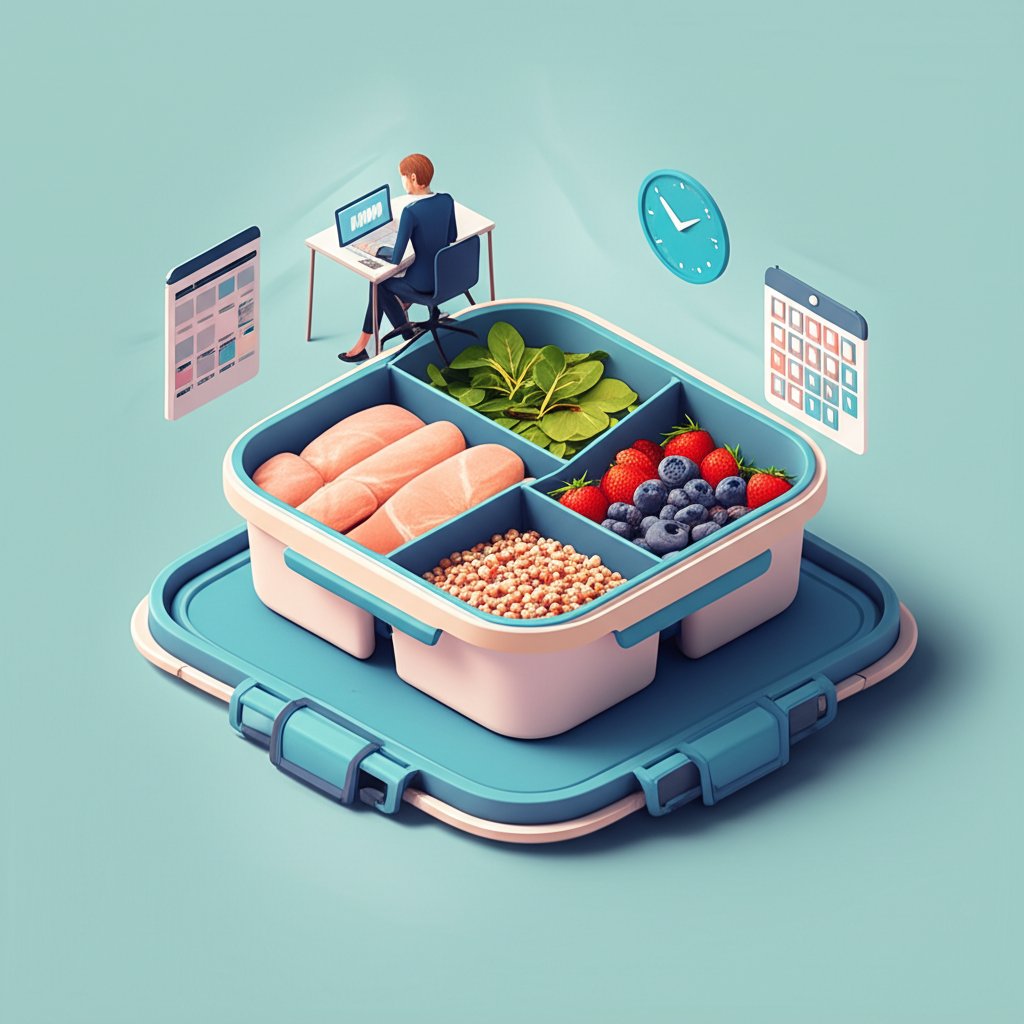
“Meal prep” isn’t automatically healthy. A week’s worth of mac and cheese is technically prepped, but it won’t fuel your performance. Follow these principles.
- Prioritize Whole Foods: Build your meals around ingredients that are as close to their natural state as possible: fresh vegetables, fruits, lean meats, fish, whole grains, and legumes.
- Watch Out for “Sauce Sabotage”: Pre-made sauces and dressings can be loaded with sugar, sodium, and unhealthy oils. Read labels carefully, or better yet, make your own. A simple vinaigrette or a yogurt-based sauce is easy and much healthier.
- Don’t Fear Carbs, Choose Smart Carbs: Your brain needs carbohydrates to function. Opt for complex carbs that provide sustained energy, like quinoa, sweet potatoes, brown rice, and oats, instead of refined white bread or pasta.
- Hydrate Intelligently: Don’t forget about your drinks. Keep a large reusable water bottle at your desk and sip throughout the day. Dehydration can often be mistaken for hunger and leads to fatigue and brain fog.
Common Meal Prep Questions, Answered
Let’s address some of the most common hurdles and questions that come up for beginners.
How long does prepped food actually last?
As a general rule, most cooked meals will last for 3-4 days in the refrigerator. If you want to prep for the entire week, consider freezing the portions for Thursday and Friday to ensure they stay fresh.
Won’t I get bored eating the same thing every day?
This is a valid concern! The key is to use the “component prep” method mentioned earlier. Cook a few versatile proteins (chicken, chickpeas) and several different vegetables. This allows you to assemble different combinations throughout the week, changing up the sauces and spices to keep things interesting.
What if I don’t have a whole Sunday to dedicate to this?
You don’t need one giant block of time. Break it up. Use 30 minutes one evening to chop all your vegetables for the week. Use another hour to bake your protein. Integrating prep into the small pockets of your time can feel much less daunting than a single marathon session, which is crucial for building sustainable Busy schedule meal plans.
Your First-Week Action Plan: Start Simple, Win Big
Feeling motivated? Here’s how to dive in without getting overwhelmed. Don’t try to prep every meal for seven days. Just start with lunches.
- Choose One Lunch Recipe: Pick one of the lunch ideas above, like the Power Bowl.
- Make a Simple List: Based on that recipe, write down your grocery list:
- Protein: 1 lb boneless, skinless chicken breasts
- Grain: 1 cup quinoa
- Veggies: 1 head of broccoli, 1 red bell pepper, 1 sweet potato
- Healthy Fat: 1 avocado
- Dressing: Olive oil, lemon, Dijon mustard
- Schedule 90 Minutes: Find a 90-minute window this weekend. Put it in your calendar.
- Execute the Plan:
- First 15 mins: Preheat your oven to 400°F (200°C). Chop the broccoli, bell pepper, and sweet potato.
- Next 30 mins: Toss the veggies and chicken with olive oil, salt, and pepper. Roast on a sheet pan until cooked through (about 25-30 mins). While that’s in the oven, cook the quinoa on the stovetop according to package directions.
- Final 15 mins: Let everything cool slightly, then divide the quinoa, chicken, and veggies among four containers.
- Celebrate: You just prepared four healthy, delicious lunches for the week. You’ve taken a massive step toward a less stressful, more energized, and more productive week. That’s a win worth celebrating.

- Master Vegan Freezer Meal Prep to Simplify Your Busy Schedule - June 18, 2026
- Vegan Freezer Cooking Simplifies Healthy Meals on Busy Nights - June 17, 2026
- Vegetarian Freezer Recipes for Effortless Meal Prep and Delicious Dinners - June 16, 2026