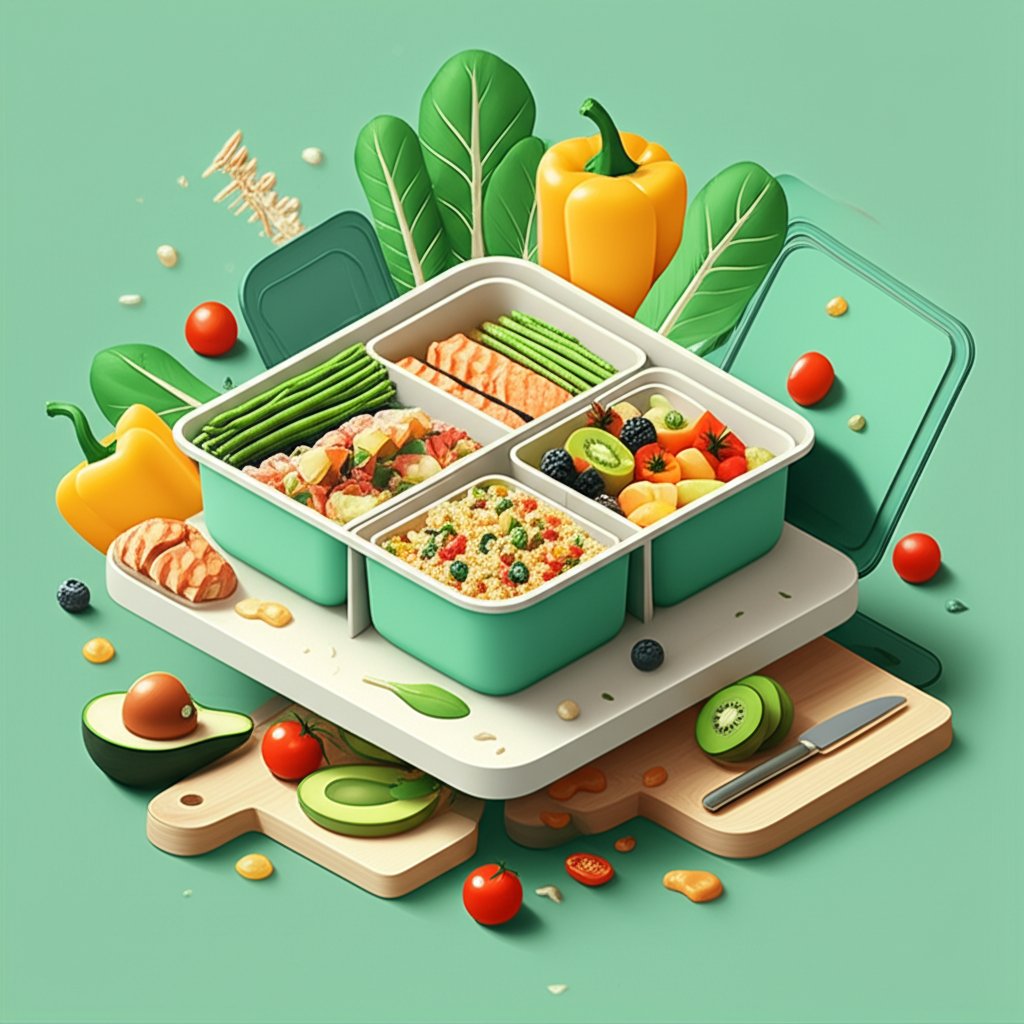
That moment of 11:45 AM dread. You’re hungry, your willpower is fading, and the siren song of greasy takeout is getting louder. You meant to eat healthy, but convenience won out again. The simple, effective tool that bridges the gap between your health goals and your daily reality is the meal prep lunchbox. It’s more than just a container; it’s a pre-made decision for a healthier you, waiting patiently in the fridge.
At a Glance: Your Quick Wins
- Beat Decision Fatigue: Understand how a pre-packed lunch eliminates midday willpower battles.
- Master Portion Control Visually: Learn why compartments are more effective than calorie counting for many people.
- Build a Perfect Meal: Get a simple framework for packing balanced, satisfying lunches that keep you energized.
- Avoid Common Pitfalls: Discover the secrets to preventing soggy salads and rubbery chicken.
- Create a Sustainable Habit: Get a step-by-step workflow to make meal prep a seamless part of your routine.
Your Meal Prep Lunchbox: The Ultimate Defense Against Decision Fatigue
We all start the day with a finite amount of mental energy. Every choice we make—from what to wear to which email to answer first—depletes that reserve. By the time lunch rolls around, many of us are running on empty. This is a psychological state known as decision fatigue.
According to research from Cornell University, the average person makes over 200 decisions about food alone each day. When your brain is tired, it defaults to the easiest option, which is rarely the healthiest. That’s why the pizza place downstairs does so much business at 1 PM.
Overcoming the “What’s for Lunch?” Dilemma
A prepared meal prep lunchbox is your secret weapon against this daily slump. It’s a decision you made for your future self when you were rested and motivated (likely on a Sunday afternoon). When noon arrives, there is no debate. There is no negotiation with your tired brain. The choice is already made.
Think of it as an appointment for your health that you’ve already put in your calendar. You just have to show up and eat. This simple shift is powerful, but it starts with having the right tool for the job. Choosing the right container is the foundational step, and if you’re still figuring that out, our guide can help you Choose Your Best Lunch Box.
The Visual Cue for Healthy Habits
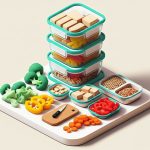
The power of a meal prep lunchbox extends beyond just the moment of eating. Seeing a neat stack of five identical, colorful containers in your refrigerator on a Monday morning is a powerful visual reinforcement of your commitment. It’s a tangible, physical representation of your goal to eat better.
This is the same principle as laying out your gym clothes the night before a morning workout. It removes a point of friction and acts as a visual promise to yourself. Grabbing that box on your way out the door becomes an automatic part of your routine, solidifying the habit loop that leads to long-term success.
Designing a Nutritionally Complete and Crave-Worthy Lunch
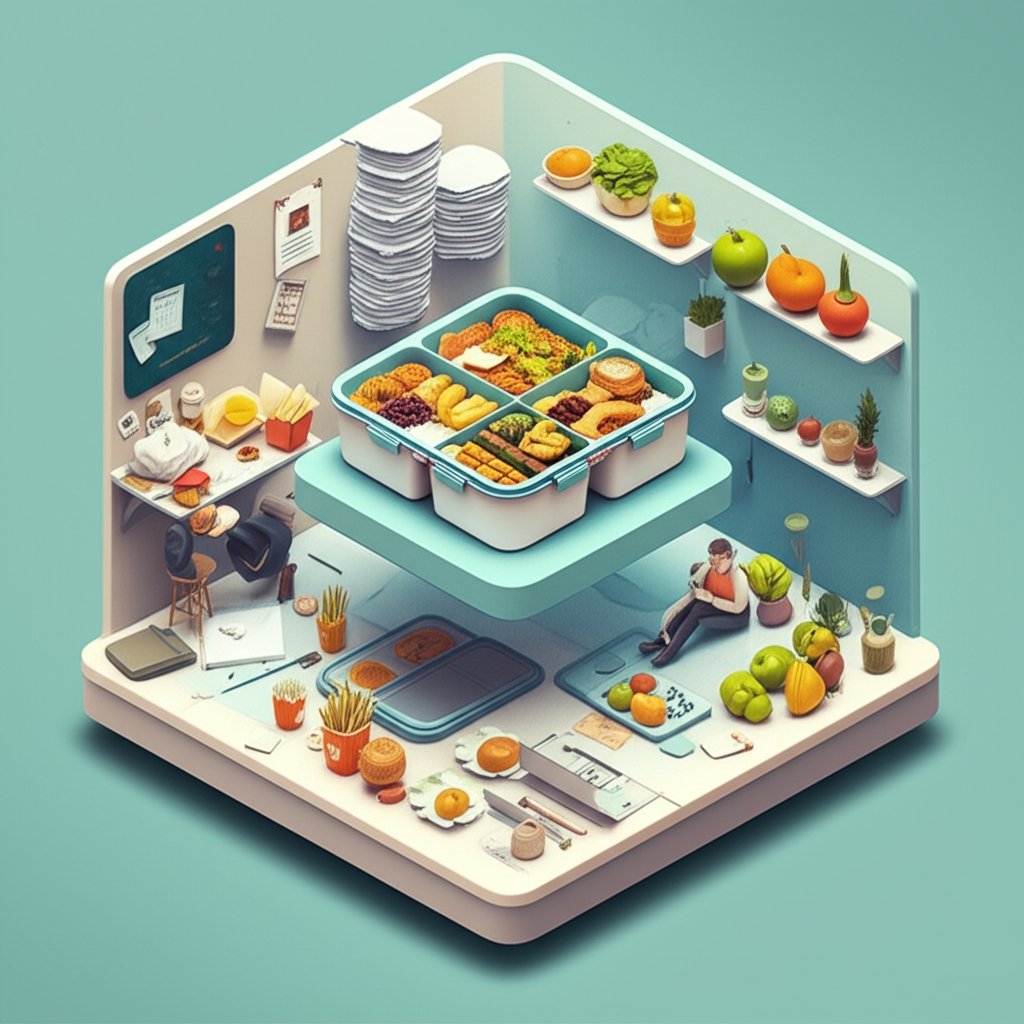
The key to a meal prep habit that sticks is making food you actually want to eat. A great meal prep lunchbox provides the structure to make that happen consistently. It’s not about eating boring chicken and broccoli five days a row, but about engineering a balanced, flavorful, and texturally pleasing meal.
The Anatomy of a Balanced Meal Prep Box
Forget complex macros and tedious weighing. A well-designed, compartmentalized lunchbox encourages you to build a balanced meal visually. Use this simple framework to guide your packing:
| Component | Approximate Portion | Purpose | Examples |
|---|---|---|---|
| Lean Protein | 40% (Largest Compartment) | Satiety & Muscle Repair | Grilled chicken breast, baked salmon, hard-boiled eggs, chickpeas, seasoned tofu, Greek yogurt |
| Complex Carbs | 30% (Medium Compartment) | Sustained Energy | Quinoa, brown rice, sweet potato chunks, whole wheat pasta, roasted root vegetables |
| Vibrant Veggies | 20% (Medium/Small Compartment) | Vitamins, Fiber & Color | Steamed broccoli, raw bell pepper strips, cherry tomatoes, spinach, cucumber slices |
| Healthy Fats & Flavor | 10% (Smallest Compartment) | Fullness & Satisfaction | A few slices of avocado, a small handful of almonds, a 2-oz container of hummus or guacamole, a vinaigrette |
| Mini-Example: Deconstructed Burrito Bowl |
- Protein: Seasoned ground turkey in the main compartment.
- Carbs: A scoop of brown rice and black beans next to the turkey.
- Veggies: A side compartment filled with fajita-style bell peppers and onions.
- Fat/Flavor: A small, lidded container with salsa or guacamole to be added just before eating.
Compartments: Your Secret Weapon for Portion Control and Texture
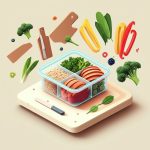
The magic of a bento-style meal prep lunchbox lies in its dividers. These physical boundaries are incredibly effective tools for both nutrition and food quality.
First, they provide effortless portion control. Instead of scooping a giant, single-serving of pasta into a cavernous container, the compartments force you to be more mindful. The largest section gets your protein, a smaller one gets your carbs, and another gets your veggies. You’ve created a balanced meal without ever pulling out a measuring cup.
Case Snippet: The Portion Control Shift
Mark, a 45-year-old office worker, struggled with his weight despite eating “healthy” homemade lunches. His go-to was a large, single-compartment container filled with a quinoa grain bowl. The problem? His “single serving” was often close to 1,000 calories. By switching to a three-compartment meal prep lunchbox, he was forced to visually reduce his grain portion to fit one section, increasing his protein and veggie portions in the others. This simple change, without altering his recipes, helped him feel more satisfied on fewer calories and kick-started his weight loss.
Second, compartments are crucial for preserving texture. This is the difference between a sad, soggy lunch and a crisp, delicious one. They keep your wet ingredients (like tomato salsa) from turning your dry ingredients (like tortilla chips) into mush. They keep the dressing off your salad greens until you’re ready to eat, ensuring every bite is fresh.
From Theory to Table: Your Weekly Meal Prep Lunchbox Workflow
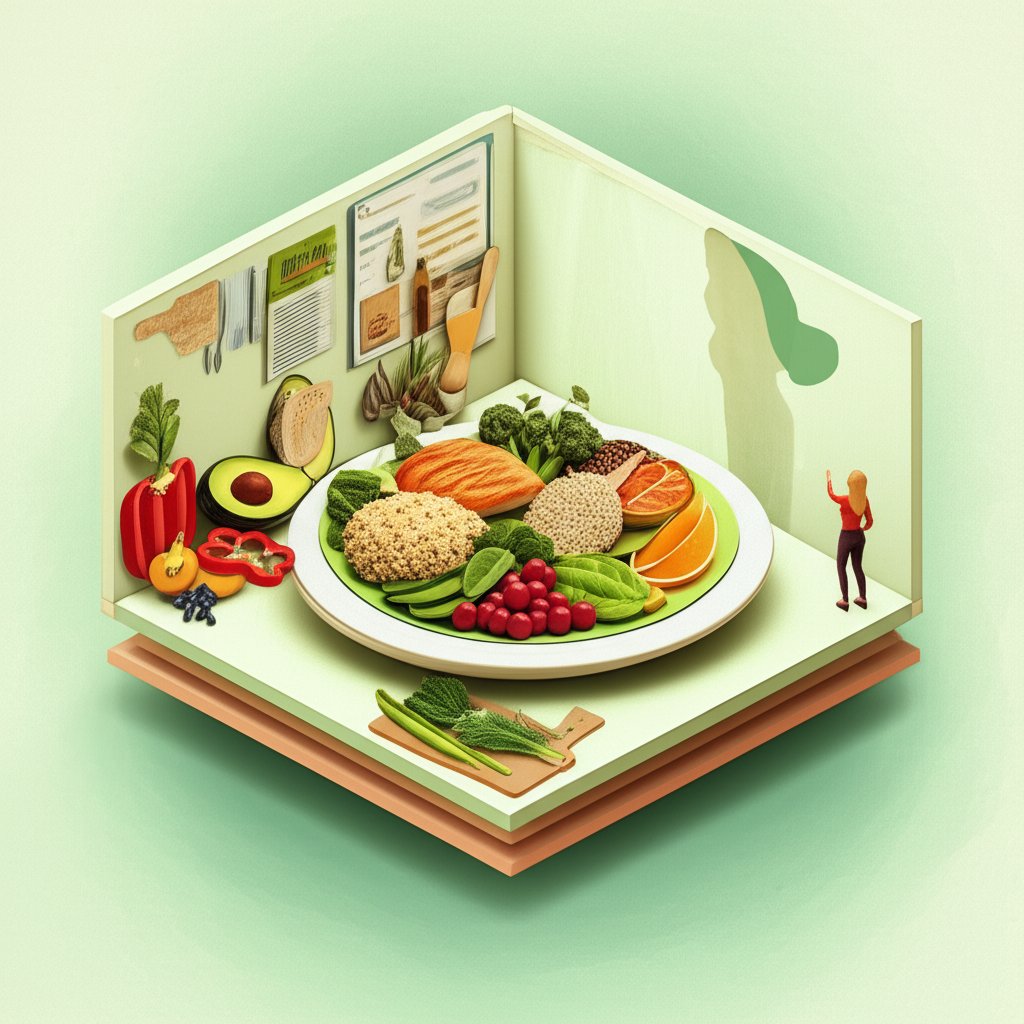
A successful meal prep routine is a system. It’s a set of simple, repeatable steps that you can execute with minimal thought. Here’s a practical workflow to take you from a Sunday afternoon in the kitchen to a delicious lunch on Wednesday.
Step-by-Step: The Sunday Prep Session
Dedicate 90-120 minutes on a Sunday to set yourself up for a week of success.
- Plan & Shop (30 mins): Don’t overcomplicate it. Choose two different lunch recipes for the week to avoid flavor fatigue. Write a specific grocery list and stick to it.
- Batch Cook Components (60 mins): This is the core of the work. Don’t assemble the final meals yet. Instead, cook your building blocks.
- Grains: Cook a large batch of quinoa or brown rice.
- Proteins: Grill a pack of chicken breasts or bake a tray of salmon fillets.
- Veggies: Roast a large sheet pan of broccoli, carrots, and bell peppers.
- Sauces: Whisk together a vinaigrette or a yogurt-based sauce.
- Cool Completely (Crucial!): This is the most-skipped step and the biggest cause of spoiled food and excess condensation. Spread your cooked components on baking sheets to cool down to room temperature before packing. Hot food in a sealed container creates a steamy, bacteria-friendly environment.
- Assemble & Pack (30 mins): Create an assembly line with your clean meal prep lunchbox containers. Go down the line adding your cooled grains, proteins, and veggies to the appropriate compartments.
- Store Smart: Seal the containers, stack them neatly in the front of your fridge, and you’re done. Your future self will thank you.
Beating the “Soggy Salad” and Other Lunchbox Pitfalls
A few smart packing strategies can elevate your meal prep from good to great.
| The Problem | The Simple Fix |
|---|---|
| Soggy Salad | Pack dressing in a separate, small lidded container. For Mason jar salads, layer dressing on the bottom, followed by hard veggies (carrots, cucumbers), grains/proteins, and finally leafy greens on top. |
| Rubbery, Dry Chicken | Don’t overcook it initially. The reheating process will cook it a little more. Also, slice it against the grain after it has rested and cooled to retain moisture. |
| Mushy Roasted Veggies | Roast vegetables until they are just tender-crisp, not fully soft. Reheating will soften them further. Also, avoid packing them while hot. |
| Bland, One-Note Flavor | Freshness is key. Pack a small container with “finishers” to add right before eating: fresh cilantro or parsley, a lime or lemon wedge to squeeze over top, a sprinkle of feta cheese, or a few toasted nuts. |
Common Questions About Making Your Meal Prep Lunchbox Work for You
How many meal prep lunchbox containers do I really need?
Aim for at least one for every day you work or are away from home, plus one or two extras. For a standard Monday-Friday work week, having 5-7 containers per person is ideal. This gives you a full week’s worth without the stress of having to wash a container every single night.
Can I freeze meals directly in my lunchbox?
It depends entirely on the material. High-quality, borosilicate glass containers are generally your best and safest bet for going from freezer to microwave. Some BPA-free plastics are rated for freezing, but they can become brittle and crack over time. If you do freeze in any container, always leave at least an inch of “headspace” at the top to allow for food expansion.
My food tastes boring by day three. How do I fix it?
This is usually a problem of “finishing.” The food you prepped on Sunday is your base, not the final product. The secret lies in the small, separate container of high-impact flavor you add just before eating. A squeeze of fresh lime juice, a sprinkle of chopped cilantro, a dollop of a flavorful yogurt sauce, or some toasted seeds can completely transform a meal and make it taste fresh and vibrant.
Are plastic meal prep containers safe to microwave?
Look for containers that are explicitly labeled “BPA-Free” and have a microwave-safe symbol (usually wavy lines). However, many food safety experts still advise caution. Heat can cause chemicals to leach from plastic into your food, especially with fatty or acidic foods. The safest practice is to transfer your food to a glass or ceramic plate before microwaving. If you must microwave in plastic, do it for shorter intervals and avoid super high heat.
The journey to consistently healthy eating isn’t about finding more willpower; it’s about creating better systems. A meal prep lunchbox is the cornerstone of that system. It’s a simple, one-time purchase that automates healthy choices, saves you money, and removes the daily stress of the “what’s for lunch” debate.
Stop trying to win a battle against your tired brain at noon. Give yourself the gift of a prepared, delicious, and healthy meal. This week, try packing just two or three lunches. Experience the calm and satisfaction of opening your lunch bag to find a perfect meal waiting for you. That simple act is the most powerful first step you can take.

- Healthy Meal Prep Bowls For Delicious And Easy Weekday Meals - April 10, 2026
- Healthy Meal Prep Protein Bowls for Quick Weekday Meals - April 9, 2026
- Best Meal Prep Bowls For Quick, Healthy, And Flavorful Meals - April 8, 2026