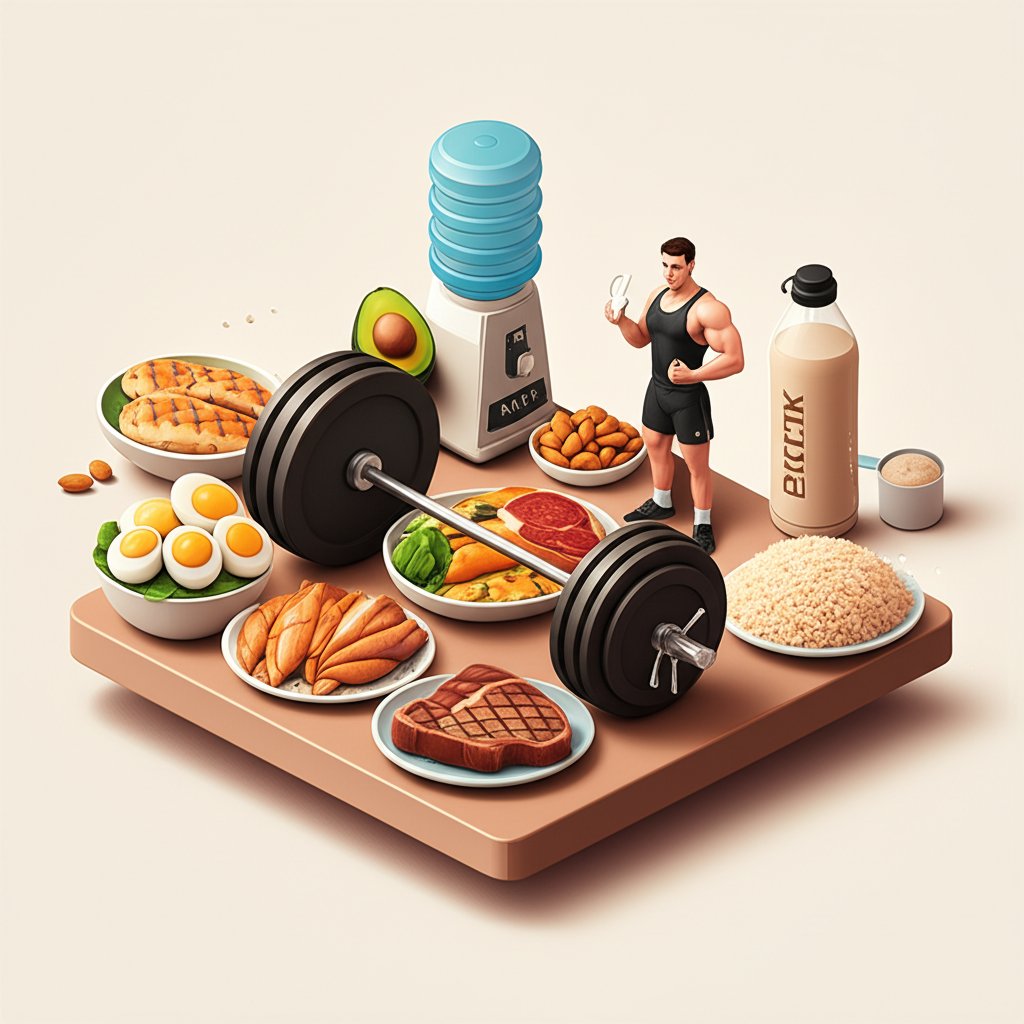
Trying to pack on muscle or fuel a high-octane lifestyle often comes down to a simple, frustrating numbers game: getting enough calories. For many, the biggest hurdle is a lackluster midday meal, which is why a well-designed 1000 calorie lunch can be a total game-changer. It’s not about mindlessly piling food on your plate; it’s a strategic move to power your afternoon, fuel your workout, and hit your growth targets without feeling stuffed and sluggish.
This is your playbook for turning your lunch break into your most productive anabolic window. We’ll skip the bland, boiled chicken and broccoli and focus on satisfying meals that build, energize, and taste incredible.
At a Glance: Your High-Energy Lunch Blueprint
- Why Lunch is Your Secret Weapon: Learn how a substantial midday meal prevents energy slumps and supports consistent muscle growth.
- The Macro-Balanced Formula: Discover the simple template for building a 1000-calorie meal that provides sustained energy, not a food coma.
- Five Powerhouse Lunch Recipes: Get specific, easy-to-assemble ideas, from steak bowls to ultimate bulking sandwiches.
- Smart Calorie-Boosting Hacks: Uncover the simple, healthy additions that effortlessly increase calorie density.
- Meal Prep That Actually Works: A simple system to make your high-calorie lunches quick, portable, and delicious.
Why Your Midday Meal is a Bulking Game-Changer
For anyone with a daily calorie goal of 3,000 or more, spacing out meals can feel like a full-time job. A small, 400-calorie lunch creates a massive calorie deficit you have to make up for in the evening, often leading to uncomfortable, sleep-disrupting dinners.
A 1000 calorie lunch solves this. It’s the perfect strategy for athletes, “hardgainers,” or even busy professionals who practice intermittent fasting and have a smaller eating window. By front-loading your energy intake, you accomplish three key things:
- Refuel Glycogen Stores: You replenish the energy burned through the morning, setting you up for a powerful afternoon and evening workout.
- Sustain Anabolism: You provide your body with a steady stream of protein and nutrients, keeping it in a muscle-building state.
- Manage Hunger: A satisfying, nutrient-dense lunch prevents the 3 p.m. cravings that can derail your diet with sugar-laden snacks.
This approach is just one part of a larger strategy. For a complete overview of incorporating these meals throughout your day, see our comprehensive guide to High-energy 1000-calorie meals.
The Anatomy of a Perfectly Balanced 1000 Calorie Lunch
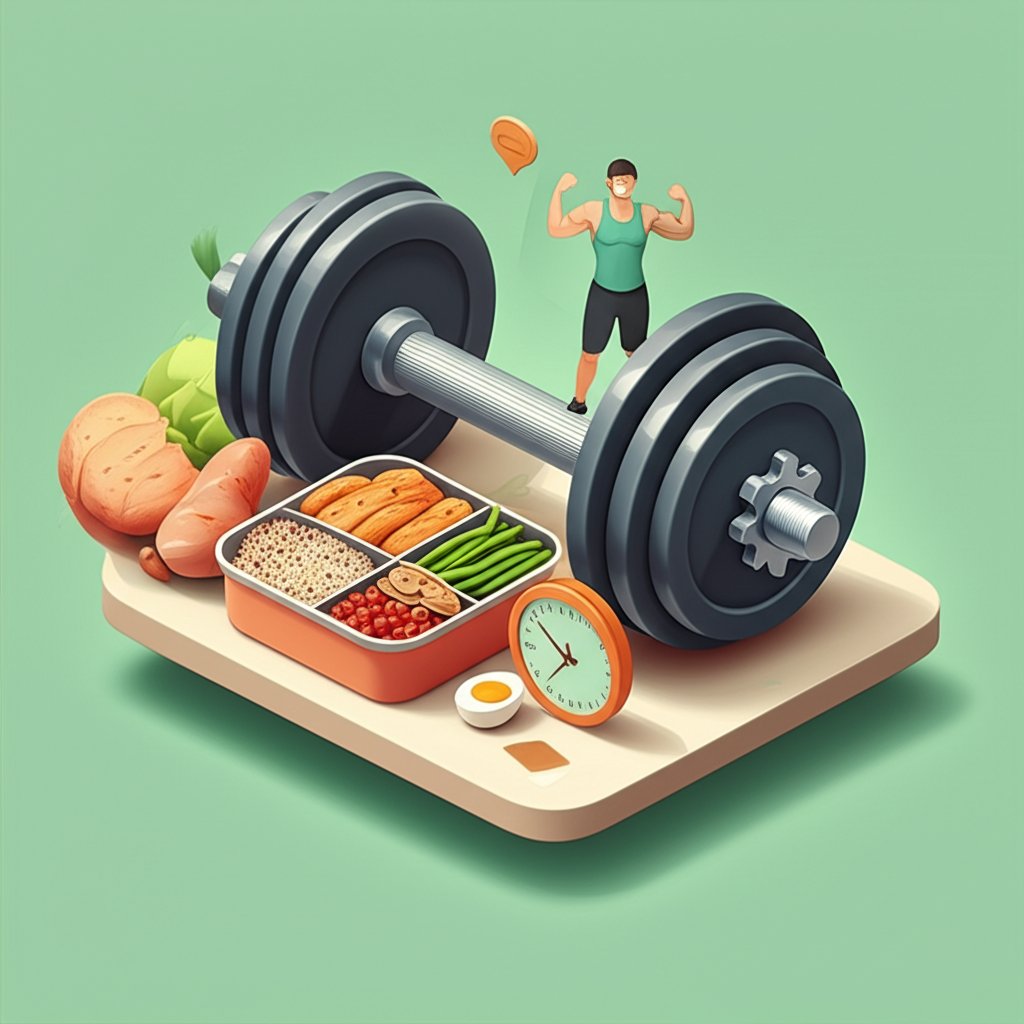
Hitting 1000 calories is easy. Hitting 1000 quality calories that won’t make you want to nap under your desk is an art. The goal is to balance your macronutrients to support both energy and muscle repair.
A good rule of thumb, based on dietary guidelines for active individuals, is a split of roughly 30% protein, 45% carbohydrates, and 25% fat.
Here’s a simple framework to build your plate:
| Component | Goal & Purpose | Examples |
|---|---|---|
| 1. Protein Anchor | ~40-60g. The foundation for muscle repair and satiety. | 6-8 oz Sirloin Steak, 2 Chicken Thighs, 7 oz Salmon Fillet, 1.5 cups Ground Beef (80/20) |
| 2. Smart Carbs | ~100-120g. Your primary energy source for performance and brain function. | 1.5 cups (cooked) Quinoa or Brown Rice, a large Sweet Potato, 2 cups Whole Wheat Pasta |
| 3. Healthy Fats | ~30-40g. The easiest way to add calories. Essential for hormone production and nutrient absorption. | 1 whole Avocado, 2-3 tbsp Olive Oil, a large handful of Nuts/Seeds, full-fat Cheese |
| 4. Flavor & Fiber | Volume & micronutrients. These don’t add many calories but are crucial for health. | Roasted Asparagus or Broccoli, large side salad, salsa, fresh herbs, sautéed onions/peppers |
5 Easy-to-Assemble 1000 Calorie Lunch Ideas
Forget abstract theory. Here are five concrete examples you can make this week. The key is using calorie-dense versions of common ingredients.
1. The Powerhouse Steak & Loaded Sweet Potato
This is a classic muscle-building meal that feels more like a restaurant dinner than a midday refuel. The combination of high-quality protein, complex carbs, and healthy fats is perfect for pre- or post-workout.
- Sirloin Steak (6 oz): Pan-seared in butter or avocado oil. (~300 kcal)
- Large Sweet Potato (350g): Baked and loaded with 1 tbsp of butter and 2 tbsp of full-fat sour cream. (~450 kcal)
- Roasted Asparagus (1 cup): Tossed with 1 tbsp of olive oil before roasting. (~150 kcal)
- Side of Walnuts (1/4 cup): Sprinkled over the potato or eaten on the side. (~190 kcal)
- Approximate Total: ~1090 Calories
2. The Ultimate Chicken & Avocado Bulking Sandwich
This isn’t your average deli sandwich. We’re using fattier cuts of meat and adding layers of healthy fats to transform it into a calorie-dense powerhouse.
- Chicken Thighs (6 oz, boneless/skinless): Much more flavorful and calorie-dense than breast. (~310 kcal)
- Thick-Cut Sourdough Bread (2 slices): A sturdier, more nutrient-rich option. (~200 kcal)
- Whole Avocado (medium): Mashed and spread on the bread. (~240 kcal)
- Bacon (2 slices): Adds flavor, fat, and calories. (~90 kcal)
- Provolone Cheese (1 slice): A slice of full-fat cheese. (~100 kcal)
- Side of Coleslaw (1/2 cup): Made with a full-fat mayo-based dressing. (~150 kcal)
- Approximate Total: ~1090 Calories
3. The “Build-it-Big” Burrito Bowl
Far healthier and more customizable than a takeout version. The secret is to be generous with the calorie-dense toppings—this is where you turn a standard 600-calorie bowl into a 1000-calorie feast.
- Ground Beef (1 cup, 80/20): Cooked with taco seasoning. (~380 kcal)
- Brown Rice (1 cup, cooked): Your complex carb base. (~220 kcal)
- Black Beans (1/2 cup): Adds fiber and carbs. (~110 kcal)
- Guacamole (1/2 cup): Don’t be shy; this is your primary fat source. (~200 kcal)
- Shredded Cheddar Cheese (1/4 cup): Full-fat, of course. (~110 kcal)
- Sour Cream (2 tbsp): Adds another layer of fat and flavor. (~60 kcal)
- Approximate Total: ~1080 Calories
4. The High-Energy Salmon & Quinoa Salad
This proves that salads don’t have to be “diet food.” By choosing a fatty fish and creating a dense, oil-based dressing, you get a meal rich in protein and anti-inflammatory Omega-3s.
- Atlantic Salmon Fillet (7 oz): Baked or pan-seared with 1 tbsp of olive oil. (~450 kcal)
- Quinoa (1.5 cups, cooked): A complete protein and complex carb base. (~330 kcal)
- Feta Cheese (1/4 cup): Crumbled over the top. (~100 kcal)
- Kalamata Olives (10): Adds healthy fats and a salty bite. (~50 kcal)
- Olive Oil Vinaigrette (2 tbsp): Made with extra virgin olive oil, lemon juice, and herbs. (~120 kcal)
- Approximate Total: ~1050 Calories
5. The Speedy High-Calorie Pasta
Pasta is one of the easiest ways to pack in calories. Using a meat-based sauce and adding some garlic bread makes hitting your target almost effortless.
- Whole Wheat Spaghetti (2 cups, cooked): A solid carb base. (~350 kcal)
- Rich Meat Sauce (1 cup): Made with 80/20 ground beef, tomatoes, and herbs. (~300 kcal)
- Parmesan Cheese (1/4 cup, grated): Adds a significant calorie and flavor boost. (~110 kcal)
- Garlic Bread (2 slices): Made from a baguette with 1 tbsp of real butter. (~250 kcal)
- Approximate Total: ~1010 Calories
The Art of “Calorie Boosting”: Smart Add-Ins That Work
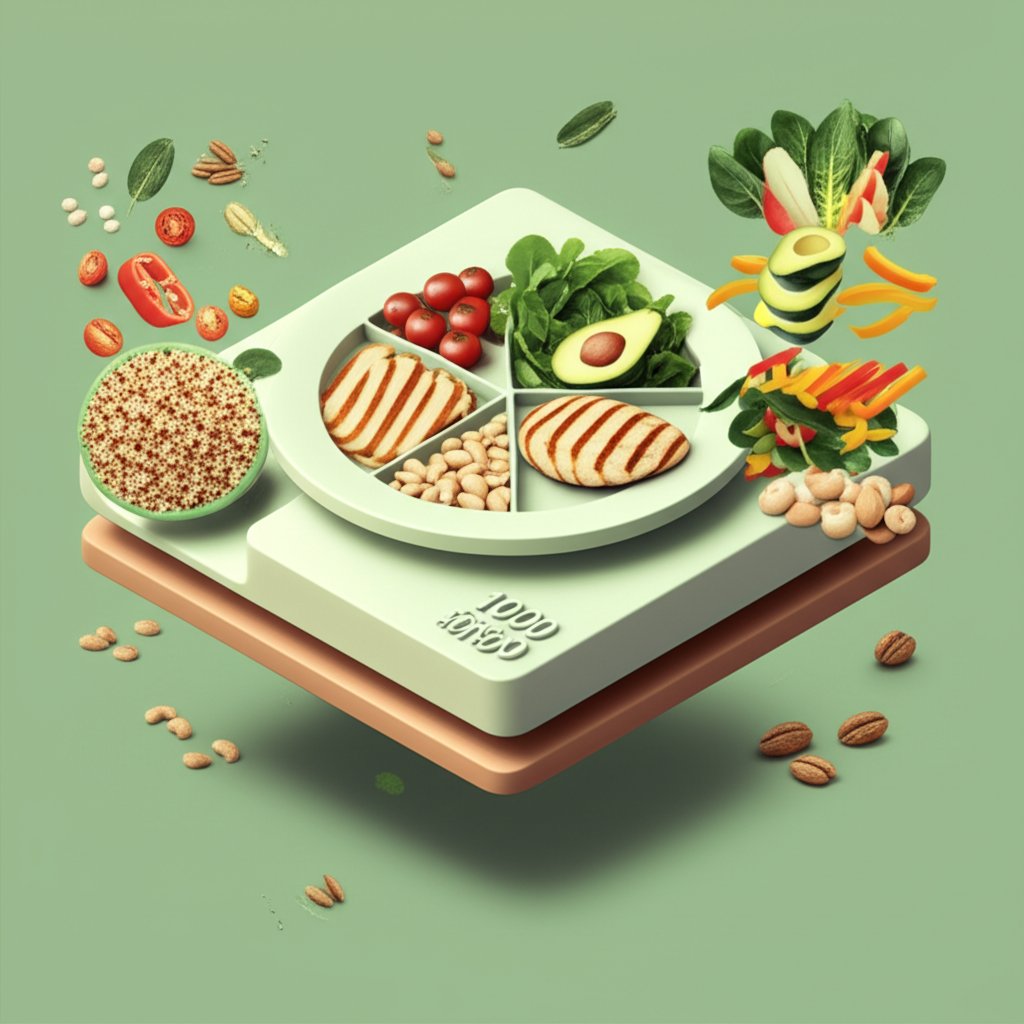
Sometimes you have a good meal prepped, but it falls short of your calorie goal. Instead of eating more volume, just add density.
Drizzle and Cook with Healthy Oils
This is the easiest hack. One tablespoon of olive, avocado, or coconut oil is around 120 calories.
- Action: Drizzle a tablespoon of extra virgin olive oil over your finished salad, pasta, or rice bowl. Use avocado oil for high-heat cooking.
Choose Your Protein Wisely
The cut of meat matters. Swapping lean protein for a slightly fattier version adds calories without adding much volume.
| Protein (6 oz portion) | Approx. Calories | Why it Works |
|---|---|---|
| Chicken Breast | 280 kcal | Standard lean choice |
| Chicken Thigh | 310 kcal | +30 calories, more flavor & moisture |
| Tilapia | 215 kcal | Very lean |
| Atlantic Salmon | 350 kcal | +135 calories, plus healthy Omega-3 fats |
Leverage Calorie-Dense Toppings
A handful of nuts or seeds can add 150-200 calories to any dish.
- On Salads: Walnuts, pecans, pumpkin seeds.
- On Pasta: Toasted pine nuts.
- In Bowls: A sprinkle of chia or ground flaxseed.
- Anywhere: A generous amount of full-fat cheese.
Answering Your Questions
Q: Is eating a 1000 calorie lunch actually healthy?
A: Absolutely, provided it’s built correctly. If your 1000 calories come from whole foods—lean proteins, complex carbs, healthy fats, and vegetables—it’s an incredibly effective tool for anyone with high energy demands. The health risk comes from hitting that number with highly processed fast food, which is low in nutrients and high in inflammatory fats and sodium.
Q: Won’t a big lunch make me feel tired and sluggish?
A: This is a common fear, but the “food coma” is usually caused by a massive insulin spike from refined carbohydrates (like white bread, sugary drinks, or white pasta) and heavy, hard-to-digest fats. A balanced 1000 calorie lunch centered on complex carbs (sweet potato, quinoa), protein, and healthy fats (avocado, olive oil) provides a sustained energy release, preventing the crash.
Q: Can I get a 1000 calorie lunch from fast food?
A: You can, but you shouldn’t. A double cheeseburger, large fries, and a soda can easily clear 1200 calories. However, you’re also getting a massive dose of sodium, trans fats, and refined sugar with very few micronutrients. This kind of meal works against your goals by promoting inflammation and hindering recovery.
Q: How do I pack and transport a 1000 calorie lunch for work?
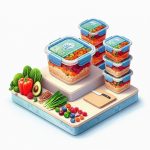
A: The key is compartmentalization. Use bento-style lunch boxes or multiple containers to keep components separate.
- For Bowls: Pack the base (rice/quinoa), protein, and veggies in one container. Pack sauces, dressings, and guacamole in a separate small container to add just before eating.
- For Salads: Keep the dressing separate until you’re ready to eat to prevent soggy greens.
- For Sandwiches: Wrap them tightly in plastic wrap or beeswax paper to keep them from falling apart.
Your First Step: Build One Powerhouse Lunch This Week
The idea of a 1000 calorie lunch can feel intimidating, but it’s really just about making strategic upgrades to meals you already enjoy. You don’t need to overhaul your entire diet overnight.
Your mission for this week is simple: Pick one of the ideas above and build it. Take your standard chicken and rice and swap the breast for thighs, double your rice portion, and top it with a whole sliced avocado. Pay attention to how you feel in the afternoon. You might be surprised by the steady energy that powers you through your work, your workout, and your evening. That’s the power of a well-built midday meal.

- Master Vegan Freezer Meal Prep to Simplify Your Busy Schedule - June 18, 2026
- Vegan Freezer Cooking Simplifies Healthy Meals on Busy Nights - June 17, 2026
- Vegetarian Freezer Recipes for Effortless Meal Prep and Delicious Dinners - June 16, 2026