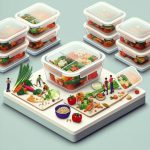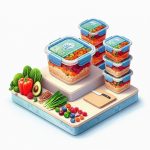
That feeling of 11:30 AM dread is all too common. Lunch is looming, your stomach is rumbling, and your options are a sad desk salad or an expensive, calorie-heavy takeout order. This is where mastering meal prep protein bowls completely changes the game. It’s not just about having food ready; it’s about having the right food ready—a perfectly balanced, delicious meal that powers you through the afternoon without the energy crash.
Forget limp, pre-assembled bowls that turn to mush by Tuesday. We’re going to break down the professional method for prepping components that stay fresh, allowing you to build a vibrant, satisfying protein bowl in under five minutes each day.
At a Glance: Your Protein Bowl Game Plan
- The 4-Part Formula: Learn the simple framework for building a nutritionally complete bowl every time.
- The Component Prep Method: Discover the secret to keeping your ingredients fresh and crisp all week long.
- Hitting the Protein Target: Understand why 20–30 grams of protein is the magic number for satiety and sustained energy.
- A Step-by-Step Recipe: Build a 333-calorie Mexican Chicken Bowl with nearly 40 grams of protein.
- Avoid Common Pitfalls: Sidestep the mistakes that turn a healthy meal into a hidden calorie bomb.
The “Why” Behind a Smarter Meal Prep Bowl
At its core, a protein bowl is a balanced meal designed for maximum satiety. The goal is to combine lean protein, high-fiber vegetables, and complex carbohydrates to keep you feeling full and energized for hours. This powerful combination helps stabilize blood sugar, preventing the post-lunch slump and the subsequent craving for sugary snacks.
Experts suggest that an ideal meal for weight management should contain 20–30 grams of protein. This amount is effective at promoting fullness and preserving lean muscle mass, which is crucial for a healthy metabolism. By building your bowls around this principle, you’re not just preparing food; you’re creating a strategic tool for your health goals. This foundational approach is a cornerstone of many successful Weight loss meal prep recipes.
The Anatomy of a Perfect Protein Bowl: A 4-Part Framework

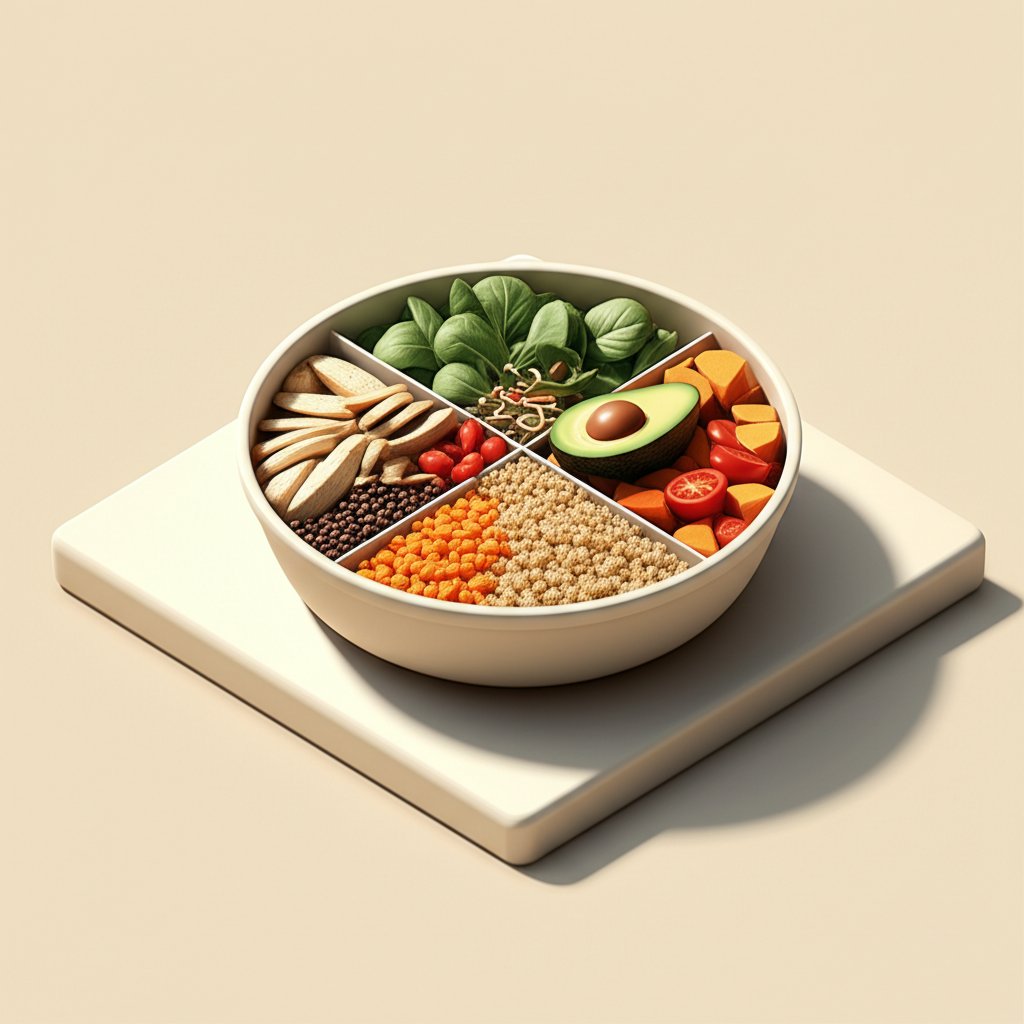
Think of building your protein bowl not as following a rigid recipe, but as using a flexible formula. Once you master these four components, you can create endless variations to keep your taste buds interested.
1. Start with a Nutrient-Dense Base
Your base sets the stage. It can be a source of complex carbs for energy or a bed of leafy greens for a lower-carb, higher-volume option.
- Complex Carbs (½ cup cooked): Quinoa, brown rice, farro, or barley provide slow-releasing energy and fiber.
- Low-Carb Options (1–2 cups): For a lighter bowl, use a generous bed of spinach, chopped romaine, kale, or even shredded cabbage. Cauliflower rice is another excellent grain substitute.
2. Anchor with Lean Protein (The 4–6 oz Rule)
This is the star of the show and the key to satiety. Aim for a 4–6 ounce serving (about the size of your palm) of a quality lean protein source.
- Poultry: Grilled chicken breast, ground turkey
- Seafood: Baked salmon, grilled shrimp
- Plant-Based: Baked tofu, tempeh, lentils, chickpeas, or a scoop of black beans
- Other: Hard-boiled eggs
3. Add Color and Fiber with Vegetables
Load up on non-starchy vegetables. They add volume, micronutrients, and fiber for very few calories. A mix of textures makes the bowl more interesting.
- Roasted: Broccoli, cauliflower, bell peppers, zucchini, and sweet potatoes add a savory, slightly sweet depth.
- Raw & Crunchy: Cherry tomatoes, cucumbers, shredded carrots, and red onion provide a fresh, crisp contrast.
4. Finish with Healthy Fats and Flavor
A small amount of healthy fat is crucial for absorbing fat-soluble vitamins and adding to the feeling of fullness. The dressing ties everything together—just be mindful of the source.
- Healthy Fats (1–2 tbsp): Sliced avocado, a sprinkle of pumpkin seeds, a handful of almonds, or a drizzle of olive oil or tahini.
- Flavorful Dressings: Skip the sugary bottled stuff. A simple homemade vinaigrette (olive oil, lemon juice, salt, pepper) or a Greek yogurt-based sauce provides incredible flavor without the unnecessary additives.
Your Sunday Prep Playbook: The Component Method
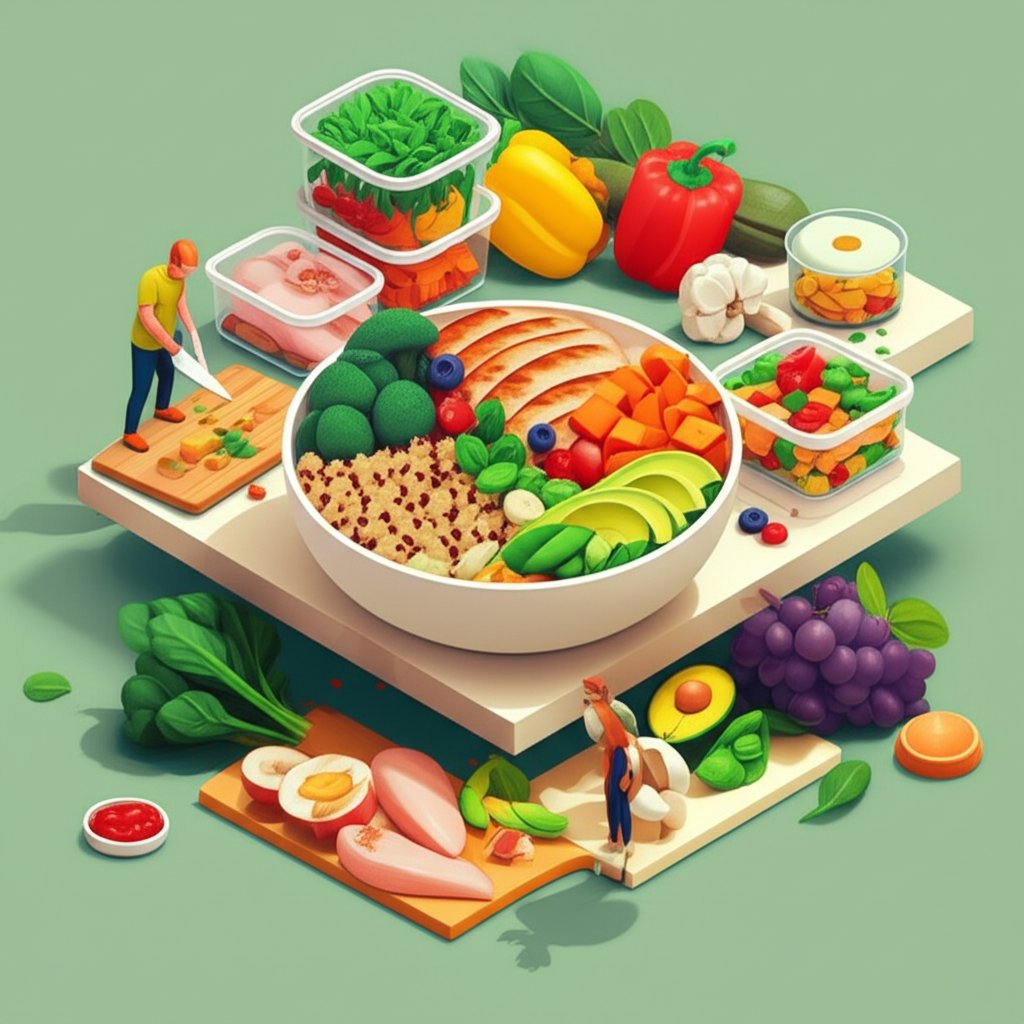
The biggest mistake people make with meal prep bowls is assembling them completely on day one. By Wednesday, you have a soggy, unappetizing mess. The professional approach is to prep the components separately and assemble your bowl fresh each day. It only takes a few minutes and makes a world of difference.
Step 1: Batch-Cook Your Proteins
Dedicate one part of your stove or oven to protein. Grill several chicken breasts, bake a large salmon fillet, or pan-fry a block of tofu. Once cooked and cooled, slice, dice, or shred it and store it in its own airtight container.
Step 2: Prepare Your Grains and Veggies
While the protein cooks, get your carbs and veggies ready. Cook a large batch of quinoa or brown rice in a pot. On a large baking sheet, toss chopped broccoli, sweet potato chunks, and sliced bell peppers with a little olive oil and seasoning, then roast until tender. Let everything cool completely before storing.
Step 3: Mix Your Dressings
In a small jar, shake up your dressing for the week. A simple Lemon-Tahini dressing is fantastic: mix ¼ cup tahini, ¼ cup water, the juice of one lemon, and a pinch of salt. It’s creamy, tangy, and versatile.
Step 4: Organize for Easy Assembly
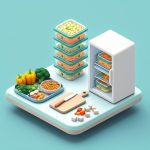
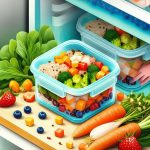
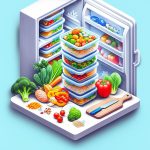
Now you have an assembly line ready in your fridge. Store each component—protein, grain, roasted veggies, and dressing—in its own container. You can also pre-chop raw veggies like cucumber and tomatoes.
This simple table shows how the system works for a super-fast weekday assembly:
| Prep on Sunday (Store in Separate Containers) | Add Fresh Daily (Assemble in 5 Mins) |
|---|---|
| Grilled Chicken Strips | Fresh Spinach or Romaine |
| Cooked Quinoa | Sliced Avocado |
| Roasted Broccoli & Bell Peppers | Homemade Vinaigrette |
| Washed Cherry Tomatoes | Sprinkle of Pumpkin Seeds |
A Real-World Example: Building the 333-Calorie Mexican Chicken Bowl
Let’s put this framework into practice with a concrete example. The Mexican Chicken Protein Bowl is a powerhouse of flavor and nutrition, packing 39.4 grams of protein into just 333 calories.
Prep Phase (Sunday)
- Cook the Protein: Season two chicken breasts with 1 tablespoon of taco seasoning. Cook in a skillet for 5-8 minutes per side. Let cool, then dice into bite-sized pieces. Store in an airtight container.
- Cook the Grain: Cook ½ cup of brown rice with 1 cup of water. Once done, fluff it with a fork and stir in the juice of one lime and a teaspoon of salt. Store in its own container.
- Prep the Toppings: Open, rinse, and drain a 15-ounce can of black beans. Measure out ¾ cup of frozen corn (it will thaw in the fridge). Store these together or separately.
Assembly Phase (Weekday Morning or Lunchtime)
- Base: Start with a bed of chopped romaine lettuce in your bowl.
- Add Components: Add a scoop of your pre-cooked lime rice.
- Top it Off: Top with your portioned-out chicken, the black bean and corn mixture, and any other fresh toppings you like (e.g., salsa, a dollop of Greek yogurt, a few slices of avocado).
This bowl can be refrigerated for up to 5 days, making it a perfect solution for the entire work week.
Common Pitfalls: How a Healthy Bowl Goes Wrong
Even with the best intentions, it’s easy to accidentally sabotage your healthy meal prep protein bowls. Watch out for these common mistakes.
The Dressing Deception
That creamy ranch or sweet poppyseed dressing from the store can easily add 150+ calories and 15 grams of sugar per two-tablespoon serving. It’s often the single biggest source of hidden calories.
The Fix: Always opt for homemade. A simple mix of extra virgin olive oil, vinegar (balsamic, apple cider), and herbs is all you need.
The Portion Creep
Healthy foods still have calories. It’s easy to go overboard on calorie-dense items like grains, nuts, seeds, and cheese. A half-cup of quinoa is around 110 calories, but a full cup is 220. A handful of almonds can quickly turn into 300 calories.
The Fix: Use measuring cups for your base and toppings for the first few weeks until you can accurately eyeball portions. A serving of dressing is 1-2 tablespoons, not a quarter-cup pour.
The Freshness Fail
As mentioned, pre-assembling bowls with wet and dry ingredients is a recipe for a soggy lunch. Lettuce wilts under dressing, and crunchy toppings lose their snap.
The Fix: Embrace the component method. The five minutes you spend assembling your bowl each day is a small price to pay for a meal that is texturally and visually appealing.
Quick Answers to Your Protein Bowl Questions
Here are some rapid-fire answers to common queries about making meal prep protein bowls work for you.
Q: How long can I store meal-prepped protein bowl components?
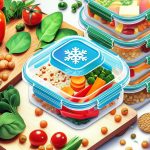
A: Most cooked ingredients like chicken, turkey, quinoa, and roasted vegetables are good for 4-5 days in airtight containers in the refrigerator. Hard-boiled eggs last for up to a week. For longer storage, cooked proteins like chicken can be frozen for up to a month.
Q: What’s the ideal protein amount for a weight loss bowl?
A: Aim for 20–30 grams of protein per serving. This range is scientifically supported to enhance satiety, helping you stay full longer and reduce overall calorie intake. A 4-6 ounce portion of chicken, fish, or tofu will easily get you into this target zone.
Q: Can I make meal prep protein bowls vegan or vegetarian?
A: Absolutely. They are incredibly easy to adapt. Swap animal proteins for plant-based powerhouses like baked tofu, tempeh, lentils, edamame, or a combination of beans and quinoa (which together form a complete protein). One cup of cooked lentils offers about 18 grams of protein to anchor your bowl.
Q: Are protein bowls only for weight loss?
A: Not at all. While they are a fantastic tool for weight management, they are ultimately about balanced nutrition. They provide a simple, efficient way for anyone—athletes, busy professionals, students—to get a nutrient-dense, satisfying meal without spending a lot of time or money.
Your First Step to a Better Week of Lunches
The power of the meal prep protein bowl isn’t in a single magic recipe; it’s in the system. By adopting the component prep method, you free yourself from the daily stress of deciding what to eat. You create a personalized, endlessly customizable template for a healthy, delicious meal.
This week, don’t try to prep five different complex recipes. Just pick one protein, one grain or green, and two or three vegetables to roast. Spend one hour on Sunday preparing your components. Come Monday, when you assemble a perfect, crisp, and flavorful bowl in minutes, you’ll see just how simple and delicious healthy eating can be.

- Master Vegan Freezer Meal Prep to Simplify Your Busy Schedule - June 18, 2026
- Vegan Freezer Cooking Simplifies Healthy Meals on Busy Nights - June 17, 2026
- Vegetarian Freezer Recipes for Effortless Meal Prep and Delicious Dinners - June 16, 2026