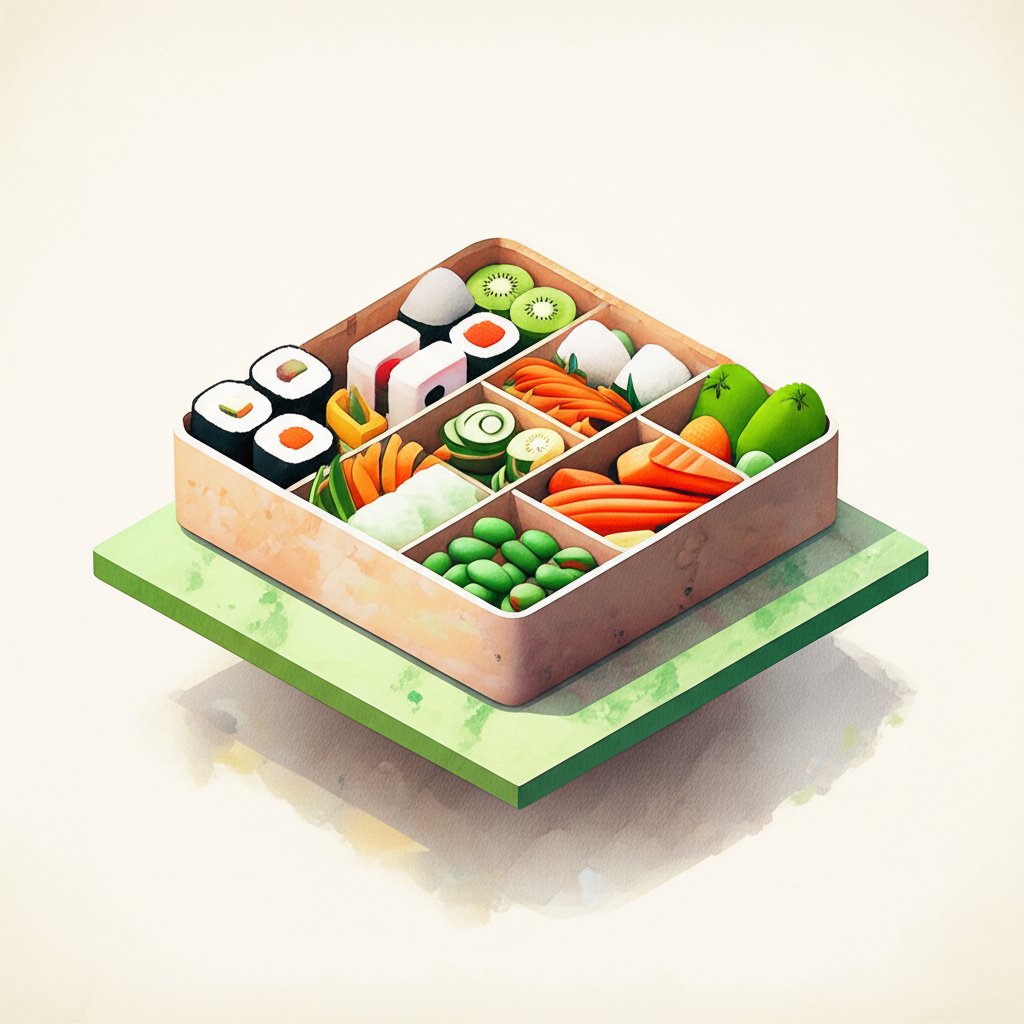
The sad desk lunch. We’ve all been there. A crushed sandwich in a plastic bag, a leaky container of leftovers staining everything in its path, and a handful of crackers that have mysteriously absorbed the flavor of yesterday’s banana. This chaotic approach to portable meals is practically a workplace ritual. But what if your lunch could be a moment of calm, order, and genuine enjoyment? The solution is elegant, efficient, and brilliantly simple: the stacking bento. This isn’t just a lunchbox; it’s a multi-tiered system for transporting food that keeps every component separate, fresh, and ready to enjoy.
At a Glance: Your Quick Guide to Stacking Bento
- What It Is: A reusable food container with two or more vertically stacked, interlocking compartments, designed for carrying a complete meal.
- Key Benefits: Superior organization (no more mixed foods), built-in portion control, and better preservation of flavor and texture.
- Materials to Know: You’ll find them in durable BPA-free plastic (often microwave-safe), sleek stainless steel (not for microwaves), and eco-conscious options like wheat straw or bamboo.
- Essential Features: Look for leak-proof silicone seals for liquids, secure straps or latches to hold the stack together, and dishwasher-safe components for easy cleanup.
- Capacity: Stacking bento boxes are incredibly versatile, with capacities ranging from a modest 30 oz for a light lunch to a massive 120 oz (about 3 liters) for a full day’s worth of food.
What Exactly is a Stacking Bento? More Than Just a Lunchbox
At its heart, a bento box is a Japanese concept for a single-portion, packed meal. While single-layer bentos are common, the stacking bento takes organization to the next level—literally. Think of it as a set of perfectly nested bowls or containers that lock together into a single, compact tower.
This vertical design is its superpower. Each tier is a dedicated space. One layer might hold your main course, like teriyaki chicken and rice. The one above could contain a fresh salad or steamed vegetables, and the top tier could be reserved for fruit, nuts, or a small dessert. Everything stays in its lane.
The inspiration for these clever containers is global. While deeply rooted in Japanese lunch culture—where you might even find whimsical versions like the Ichiro kokeshi bento shaped like a traditional wooden doll—the concept of tiered food carriers is also famous in India. There, they are known as “tiffin carriers” or dabbas, traditionally made of stainless steel and used for decades to transport hot meals. Modern stacking bentos often borrow the best of both worlds: the aesthetic precision of Japanese design and the robust functionality of the Indian tiffin.
The Art of the Stack: Why Vertical Lunches are a Game-Changer
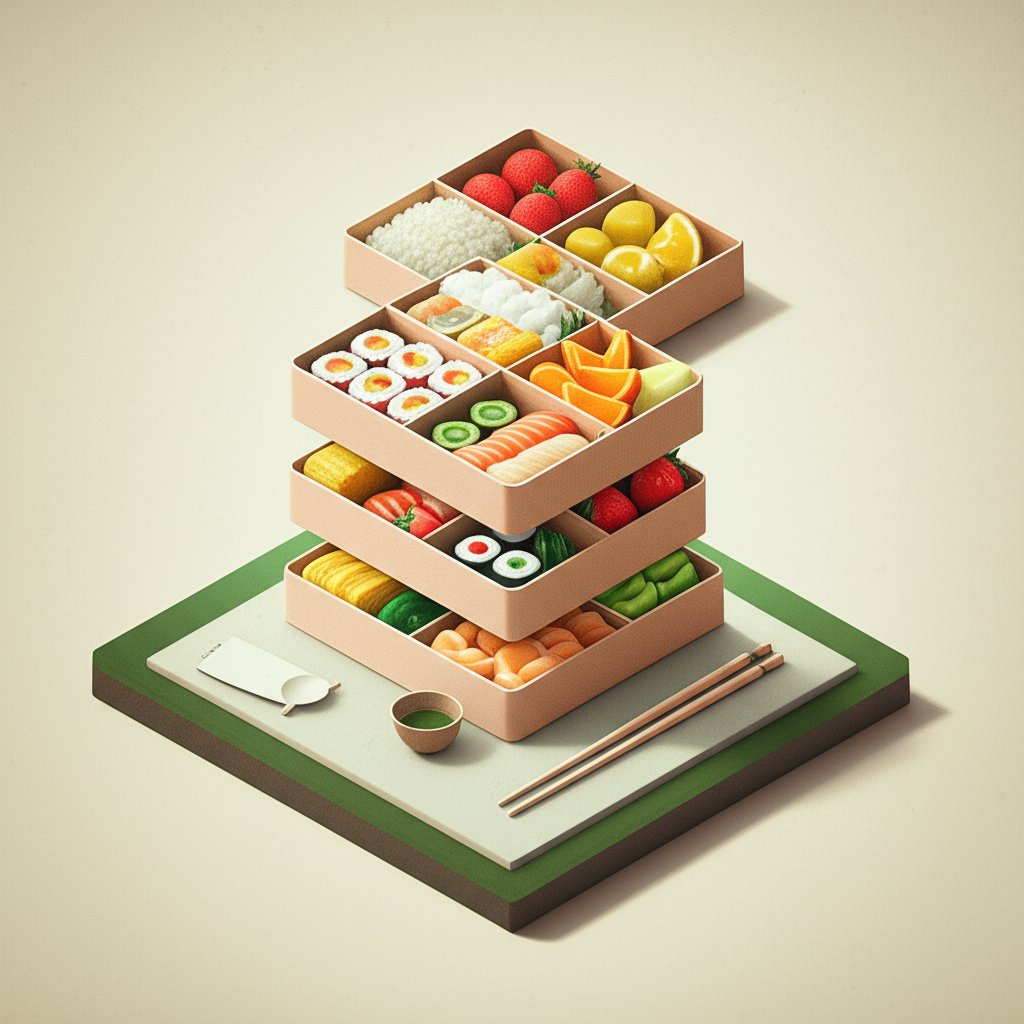
Switching from a single-compartment container to a stacked system feels like upgrading from a flip phone to a smartphone. The difference in daily convenience and meal quality is that significant. It’s not just about looks; it’s about a smarter way to eat.
Unbeatable Organization and Freshness
The primary job of a stacking bento is to act as a security guard for your food. The watertight seal between layers and the separate compartments prevent your crisp salad from getting soggy from your pasta sauce. It stops the flavor of your garlic-heavy stir-fry from migrating into your delicate fruit salad.
This separation means every part of your meal tastes exactly as it was intended. You can pack a warm main in the bottom tier and a cool, crisp side on top, and they’ll maintain their distinct temperatures and textures far better than if they were jumbled together.
Effortless Portion Control
Without even trying, a stacking bento encourages mindful eating. Each tier has a finite volume, making it a natural guide for portion sizes. You might designate the largest container for your protein and grains, a medium one for vegetables, and the smallest for a healthy snack or treat.
This structure helps you visually balance your meal, making it easier to avoid over-packing and stick to your nutritional goals. It transforms meal prep from a guessing game into a simple, structured process.
A Compact and Stylish Commute
A tall, narrow tower is often easier to slip into a backpack or tote bag than a wide, flat container. Most stacking bentos come with a durable elastic strap or a set of clips that bind all the layers together into one secure, grab-and-go unit. Some even include a dedicated insulated bag and a set of compact utensils that nestle neatly into the lid. If you’re ready to upgrade your meal prep, Your guide to stacked bentos offers a deep dive into the best models available.
Decoding Your Options: Choosing the Right Stacking Bento for You
The market for stacking bentos is vast, which is great for choice but can be overwhelming. To find the perfect one, focus on three key areas: the material it’s made from, the number of tiers you need, and the specific features that will make your life easier.
Material Matters: Plastic, Steel, and Beyond
The material of your bento box affects its weight, durability, and how you can use it.
- BPA-Free Plastic: This is the most common and versatile option. Modern food-grade plastics are lightweight, durable, and come in a rainbow of colors.
- Pros: Almost always microwave- and dishwasher-safe, affordable, and great for both adults and kids.
- Cons: Can sometimes stain with heavily pigmented foods like tomato sauce or turmeric.
- Stainless Steel: For those looking to avoid plastic entirely, stainless steel is a fantastic choice. It’s incredibly durable, won’t retain odors or stains, and has a sleek, industrial look. The “Tri Bento,” inspired by Indian tiffins, is a popular example, often featuring three layers made of food-grade 201 stainless steel with a total capacity around 36 oz (4.5 cups).
- Pros: Extremely long-lasting, non-toxic (free from BPA, BPS, and phthalates), and excellent at keeping cold foods cool.
- Cons: Cannot be used in the microwave. Some models, especially traditional tiffin styles, lack silicone gaskets and are not leak-proof. Always check the product description.
- Eco-Friendly (Wheat Straw, Bamboo Fiber): These materials are made from reclaimed agricultural waste, making them a sustainable choice. They are lightweight and often have a pleasant, earthy aesthetic.
- Pros: Environmentally friendly, lightweight, and typically biodegradable.
- Cons: May be less durable than plastic or steel over the long term and can be prone to cracking if dropped. Microwave and dishwasher safety varies by brand.
| Material | Microwave Safe? | Dishwasher Safe? | Best For… |
| :— | :— | :— | :— |
| BPA-Free Plastic | Usually Yes | Usually Yes | Everyday versatility, hot & cold meals, kids |
| Stainless Steel | NEVER | Yes | Cold meals, durability, avoiding plastic |
| Wheat Straw/Bamboo | Varies | Varies | Eco-conscious users, lightweight transport |
How Many Tiers Do You Need?
The ideal number of layers depends entirely on your appetite and how you structure your meals.
- Two Tiers: This is the classic setup and the perfect starting point. It’s ideal for a standard lunch: a main dish in the bottom (like a grain bowl or pasta) and a side in the top (like a salad, fruit, or roasted vegetables).
- Three Tiers: This configuration offers maximum flexibility. You can pack a main, a side, and a separate snack. This is perfect for longer days when you need more fuel, or for meals that have many small components you want to keep separate until you’re ready to eat.
- Four or More Tiers: While less common, these larger stacks are designed for serious meal preppers, people packing for two, or anyone who needs to bring breakfast, lunch, and multiple snacks to get through the day.
Must-Have Features for Daily Use
Beyond the basics, a few key features can elevate a good bento box to a great one.
- Leak-Proof Seals: This is non-negotiable if you ever plan to pack anything with sauce, dressing, soup, or yogurt. Look for lids that have a removable silicone gasket lining the rim. This creates an airtight and watertight seal that prevents messy spills.
- Vented Lids: A small silicone plug on the lid is a sign of a well-designed bento. It allows you to release steam before opening a container with hot food, preventing a vacuum seal from forming and making the lid difficult to remove.
- Included Cutlery: Many stacking bentos come with a reusable fork, spoon, and sometimes even chopsticks that snap securely into a dedicated compartment in the top lid. This is a huge convenience that means you’ll never be caught without utensils.
- Internal Dividers: Some individual tiers come with removable or adjustable dividers, giving you even more control over separating small items within a single layer.
The Practical Guide to Packing Your Stacking Bento
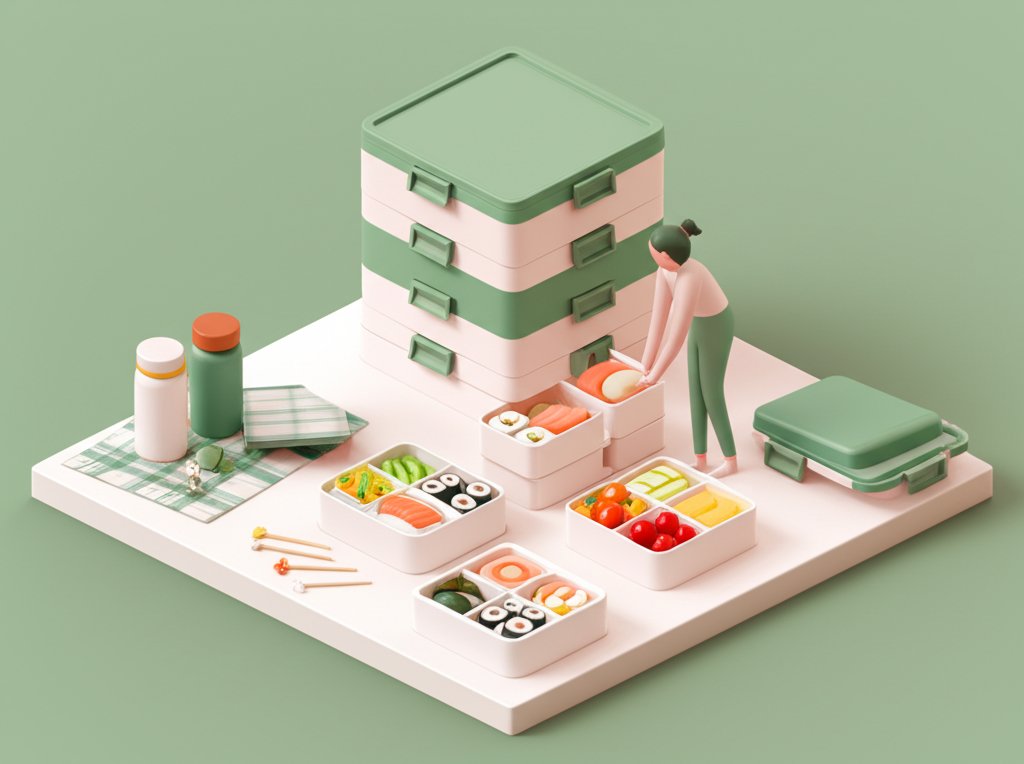
Packing a bento is an art form in Japan, but for daily use, you just need a simple strategy. The key is to think from the ground up and consider weight, temperature, and texture.
- Start with a Solid Foundation (Bottom Tier): The lowest container is the workhorse. It should hold your heaviest and densest foods. This is the perfect spot for grains (rice, quinoa), pasta dishes, stews, curries, or grilled proteins. If you plan to reheat part of your meal, put that component here.
- Layer Lighter Sides (Middle Tier): The middle layers are for items that are a bit more delicate. Think roasted or steamed vegetables, hearty salads that won’t wilt quickly (like a kale or bean salad), or larger pieces of fruit.
- Top It Off with Delicates (Top Tier): The top container is for your lightest and most fragile items. This includes leafy green salads, crunchy crackers or chips, nuts, berries, or a small dessert. By placing them on top, you ensure they won’t get crushed by the weight of the other food.
Pro-Packing Tips for a Perfect Lunch:
- Cool Before You Close: Let hot foods cool down for a few minutes before sealing the lid. This prevents condensation from building up inside, which can make other foods soggy.
- Use Silicone Liners: Reusable silicone muffin cups are a bento-packer’s best friend. Use them within a tier to create extra compartments for small snacks, dips, or juicy fruits.
- Sauces on the Side: Even in a leak-proof bento, it’s best to keep dressings and sauces separate until you’re ready to eat. Use a dedicated mini-container to ensure ultimate freshness.
- Pack Tightly: A well-packed bento prevents food from shifting around during transit. Fill in any gaps with small items like cherry tomatoes, nuts, or baby carrots to keep everything snug. A world of options awaits as you Discover stackable bento boxes that fit your lifestyle.
Common Stacking Bento Questions, Answered
As you get started, a few questions inevitably pop up. Here are the crisp answers to the most common ones.
Can I put hot and cold food in the same stack?
Yes, you can, but manage your expectations. Most plastic or wheat straw bentos aren’t insulated. While they separate food, they won’t maintain drastically different temperatures for hours. It works best if you plan to reheat the hot portion or if you’re eating within an hour or two of packing. For true temperature control, you’d need a separate insulated thermos.
Are all stainless steel bento boxes leak-proof?
No, and this is a critical point. Many traditional Indian tiffin-style boxes are designed for drier foods like rice and bread and do not have silicone seals. If you need a leak-proof steel option, you must specifically look for models advertised with “leak-proof lids” or “silicone gaskets.”
How do I prevent my bento box from smelling?
The best defense is a good offense. Rinse your bento as soon as possible after eating. For a deep clean, wash with hot, soapy water. If stubborn smells from foods like onion or curry linger, make a paste of baking soda and water, coat the inside of the container, let it sit for an hour, and then wash as usual. Always let the bento air dry completely before storing it.
What’s the difference between a bento and an Indian tiffin?
They are cultural cousins! Both are tiered containers for transporting meals. The primary difference lies in origin and typical material. “Bento” is the Japanese term and can refer to single or stacked boxes made from a wide variety of materials. “Tiffin” is the term used in India, and these carriers are almost exclusively made of stacked stainless steel containers held together by a frame.
Your Organized Meal Awaits
Embracing the stacking bento is more than just buying a new lunchbox. It’s a commitment to better, more intentional meals. It’s about leaving behind the chaos of jumbled containers and single-use plastic bags for a system that brings order, mindfulness, and even a bit of beauty to your daily routine.
The right bento for you is out there. It might be a sleek, three-tiered stainless steel tiffin for your cold salads and grain bowls. It could be a colorful, two-layer plastic bento that can be popped in the microwave for a hot, comforting lunch.
Whatever you choose, you’re investing in less food waste, better portion control, and the simple pleasure of a meal that looks and tastes just as good as when you packed it. Your future self—the one enjoying that perfectly organized, non-soggy lunch—will thank you.

- Healthy Meal Prep Ideas to Save Time and Eat Well - March 30, 2026
- Nurse Lunch Ideas for Healthy, Quick, and Easy Shifts - March 29, 2026
- Nurse Meal Prep for Busy Shifts Offers Quick Healthy and Easy Ideas - March 28, 2026