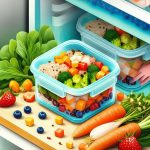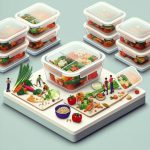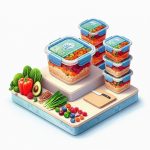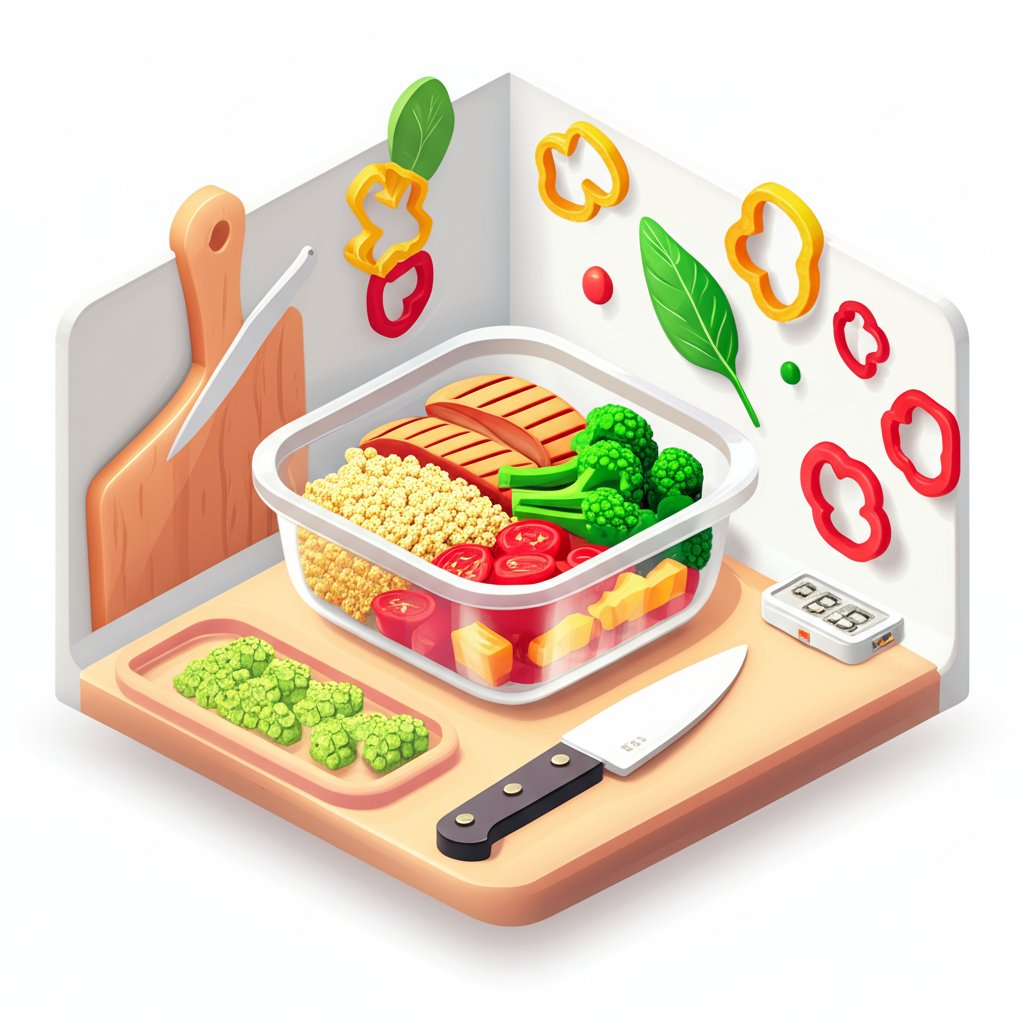
You’ve spent Sunday afternoon crafting beautiful, nutrient-dense meals. But by Wednesday, your vibrant grain bowl is a soggy mess, your chicken tastes like the plastic it’s been sitting in, and a rogue dressing leak has turned your work bag into a vinaigrette-scented tragedy. The truth is, your meal prep is only as good as its container, and finding the best meal prep bowls is the secret weapon for making healthy eating stick.
The right container isn’t just about storage; it’s about preserving flavor, texture, and the effort you put into your health. It’s the difference between a sad desk lunch and a delicious, satisfying meal that powers you through the day.
At a Glance: Your Guide to the Perfect Meal Prep Container
- Master the Materials: Understand the key differences between glass, plastic, and stainless steel—and when to use each one.
- Identify Non-Negotiable Features: Learn why leak-proof lids, smart compartments, and stackability are crucial for successful meal prep.
- Match the Bowl to the Meal: Discover the ideal container for everything from crisp salads to hearty, freezable stews.
- Get a Simple Decision Framework: Follow a quick checklist to choose the perfect set of bowls for your specific lifestyle and goals.
- Solve Common Problems: Find answers to your most pressing questions about staining, safety, and container care.
Why Your Container Choice Is a Critical Part of Your Health Goals
Think of a meal prep bowl as the delivery system for your nutrition. A flimsy, ill-fitting container can undermine your entire effort. It can allow air to seep in, spoiling food faster and degrading its nutrients. It can leak, mixing ingredients that should stay separate until the last minute. Worst of all, it can make reheating a frustrating or even unsafe chore.
When you’ve found incredible recipes that align with your goals, like those in our guide to Simple Weight Loss Meal Prep, the last thing you want is for a poor container to ruin the final product. The best meal prep bowls ensure your food stays fresh, safe, and delicious from the moment you cook it to the moment you eat it.
The Great Material Debate: Glass vs. Plastic vs. Stainless Steel
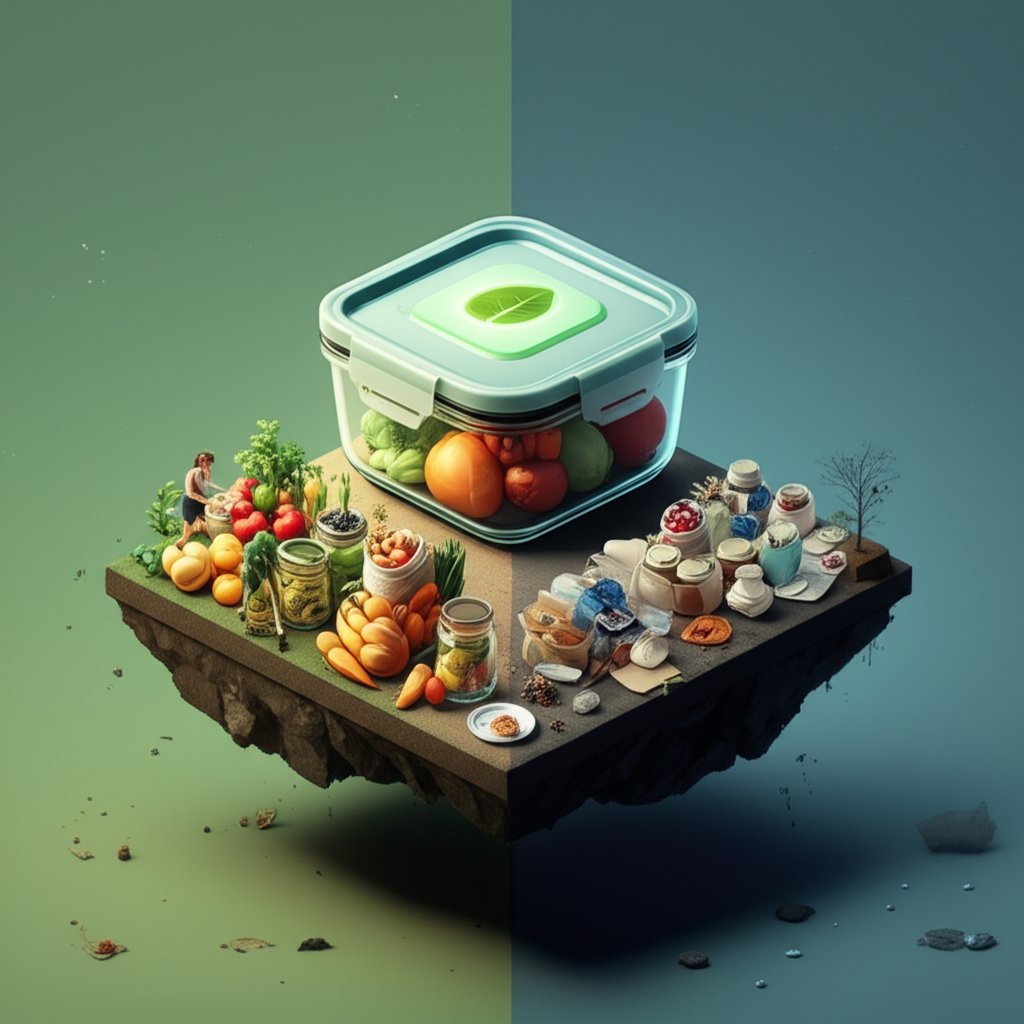
Choosing a material is your first and most important decision. Each has distinct advantages and trade-offs, and the ideal choice often depends on your specific needs and habits.
Crystalline and Clean: The Case for Glass
Glass containers are the gold standard for purity and durability in the kitchen. They are non-porous, meaning they won’t absorb food odors, flavors, or stains from sauces like tomato or turmeric.
- Pros:
- No Staining or Odors: Your container won’t smell like last week’s salmon or turn orange from curry.
- Oven and Microwave Safe: Offers incredible versatility, allowing you to cook, store, and reheat in the same dish.
- Chemically Inert: No concerns about chemicals leaching into your food, especially when heated.
- Easy to Clean: A quick run through the dishwasher usually leaves them looking brand new.
- Cons:
- Heavy and Bulky: Can be cumbersome to carry in a lunch bag.
- Breakable: A drop can mean a lost meal and a dangerous cleanup.
- Higher Initial Cost: Typically more expensive than their plastic counterparts.
Best for: Reheating meals at a home or office kitchen, storing acidic or richly colored foods, and anyone prioritizing a chemical-free storage solution.
Lightweight and Convenient: The Power of Plastic
Modern BPA-free plastic containers are a meal prepper’s workhorse. They are affordable, lightweight, and incredibly practical for anyone taking their meals on the go.
- Pros:
- Lightweight and Portable: Easy to stack in a bag without adding significant weight.
- Durable and Shatterproof: You don’t have to worry about them breaking if dropped.
- Affordable: You can build a large collection without a major investment.
- Cons:
- Prone to Staining and Odors: Can be permanently discolored by foods like tomato sauce or turmeric.
- Can Warp: High heat in the microwave or dishwasher can cause some plastics to lose their shape over time.
- Shorter Lifespan: May scratch or degrade faster than glass.
Best for: Cold meals like salads, on-the-go lunches, budget-conscious preppers, and families packing kids’ lunches.
Sleek and Indestructible: The Strength of Stainless Steel
Stainless steel is a fantastic, often overlooked option. While you can’t microwave it, its durability and inert properties make it perfect for certain types of meals.
- Pros:
- Extremely Durable: Virtually indestructible, won’t crack, stain, or rust.
- Lightweight: Lighter than glass, making it great for transport.
- Retains Temperature: Can help keep cold foods chilled for longer.
- Cons:
- Not Microwave-Safe: This is a major limitation for many prepped meals.
- Opaque: You can’t see the contents without opening the lid.
- Can Be Pricey: High-quality, leak-proof options can be a significant investment.
Best for: Salads, grain bowls you eat cold or at room temperature, bento-style snack boxes, and outdoor activities like hiking or picnics.
| Feature | Glass Bowls | Plastic Bowls (BPA-Free) | Stainless Steel Bowls |
| :— | :— | :— | :— |
| Portability | Heavy | Excellent (Lightweight) | Very Good (Lightweight) |
| Durability | Fragile (Can break) | Very Good (Can warp) | Excellent (Indestructible) |
| Reheating | Excellent (Oven & Micro) | Good (Microwave only) | Not Microwave-Safe |
| Stain/Odor Resistance | Excellent | Poor to Fair | Excellent |
| Cost | Mid to High | Low to Mid | Mid to High |
| Best Use Case | Home/Office Reheating | On-the-Go & Cold Meals | Salads, Snacks, Cold Meals |
Essential Features of the Best Meal Prep Bowls
Beyond material, several design features separate a merely adequate container from a truly great one. For weight loss meal prep, these details are non-negotiable.
Airtight & Leak-Proof Lids
This is the most critical feature. A high-quality lid, typically with a silicone gasket and four-way locking tabs, creates a vacuum seal. This prevents dressing from leaking all over your bag and, more importantly, keeps oxygen out. Less oxygen means your food—especially delicate greens, sliced avocado, or grilled chicken—stays fresh and appetizing for days longer.
Smart Compartments (Bento-Style)
Compartmentalized bowls are a game-changer for portion control and texture. They allow you to build a balanced meal—protein, carb, and veggie—in visually distinct sections. This structure naturally guides portion sizes.
Crucially, it also prevents soggy meals. You can keep your chimichurri sauce separate from your chicken and rice, or your crunchy nuts away from your soft quinoa, ensuring every bite is as delicious as you intended.
Stackable & Space-Efficient Design
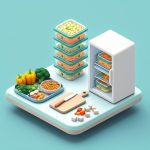
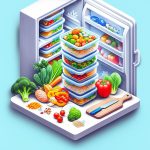
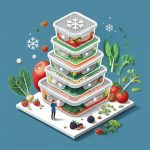
A successful meal prep routine requires an organized fridge. Look for bowls that nest within each other when empty and stack securely when full. A uniform, stable stack of containers maximizes precious fridge and freezer space and makes grabbing your meal for the day quick and easy. Rectangular containers are generally more space-efficient than round ones for stacking.
Microwave, Dishwasher, and Freezer Safe
Convenience is king. A container that can go from the freezer to the microwave to the dishwasher simplifies your entire routine. Always check for symbols indicating safety. A vented lid is a bonus feature, allowing steam to escape during reheating, which prevents pressure buildup and messy splatters in the microwave.
Matching the Bowl to the Meal: Practical Scenarios

Let’s ground this in reality. The best meal prep bowls for you depend entirely on what you’re making.
Scenario 1: The Hearty Reheatable Meal
- The Meal: A Korean Beef Bowl, Salsa Shredded Chicken with quinoa, or a Butternut Squash Buddha Bowl.
- The Challenge: Needs thorough reheating without drying out. Ingredients may stain.
- The Best Bowl: A 30-34 oz glass container. Its non-porous surface won’t be stained by the spices or sauces. It provides even heating in the microwave, and if you have an oven available, you can reheat it there for an even better texture.
Scenario 2: The Crisp, On-the-Go Salad
- The Meal: A Green Veggie Bowl with tahini dressing or a Greek Chicken Salad.
- The Challenge: Keeping greens crisp, crunchy toppings separate, and dressing contained until you’re ready to eat.
- The Best Bowl: A plastic or stainless steel bento-style bowl with 2-3 compartments. Use the largest section for your greens, and the smaller ones for protein (chicken, chickpeas) and wet or crunchy toppings (feta, nuts, dressing). Its light weight makes it perfect for your commute.
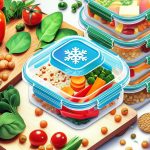
Scenario 3: The Freezer-to-Microwave Batch
- The Meal: Paleo Turkey Meatballs with zoodle “spaghetti” or a large batch of Spicy Baked Tofu.
- The Challenge: Preventing freezer burn and cracking from extreme temperatures, plus ensuring it can be reheated safely.
- The Best Bowl: A borosilicate glass container. This type of glass is specifically designed to handle rapid temperature changes (thermal shock) without shattering. Alternatively, a high-quality, thick-walled plastic container labeled as “freezer-grade” will also work well.
Quick Answers to Common Questions
Is it better to meal prep in glass or plastic bowls?
It depends on your priority. For health-conscious preppers who primarily reheat meals at home or work, glass is superior due to its non-porous, non-staining, and chemically stable nature. For those who need lightweight, portable, and unbreakable containers for cold meals or travel, BPA-free plastic is more practical. Many experienced preppers use a mix of both.
Can you put hot food directly into meal prep bowls?
It’s best practice to let food cool for 15-20 minutes before sealing it in any container. Sealing piping hot food traps steam, which can create excess moisture and promote bacterial growth. For glass, letting it cool also reduces the risk of thermal shock, which can cause cracking.
How many meal prep bowls do I actually need?
A good starting point is 10-14 containers per person. This allows you to prep 5 lunches and 5 dinners with a few extra for snacks or leftovers. If you prep for multiple people or prefer to cook less frequently (e.g., once for the whole week), you might need more.
How do I prevent my plastic containers from staining?
Before adding a stain-prone food like tomato sauce or curry, lightly coat the inside of the plastic container with a thin layer of cooking spray or oil. This creates a barrier that can significantly reduce staining. If a stain does occur, try making a paste of baking soda and water, letting it sit in the container for a few hours, then scrubbing.
Your Action Plan: Choosing Your First Set of Bowls
Feeling ready to upgrade? Don’t get overwhelmed. Use this simple decision tree to find the perfect starting point.
- First, Assess Your Lifestyle. Where will you eat most of your prepped meals?
- At Home/Office with a Kitchen: Start with a set of 5-7 rectangular glass bowls. Their reheating performance and durability will serve you best.
- On the Go/Commuting: Begin with a set of 5-7 high-quality, leak-proof plastic bento-style bowls. Their lightweight design and compartments are ideal for travel.
- Next, Consider Your Go-To Meals. What kind of food do you love to prep?
- Saucy, Colorful, and Hearty (Curries, Chili, Pasta): Prioritize glass to avoid stains and odors.
- Fresh Salads, Grain Bowls, and Snack Boxes: Bento-style plastic or stainless steel bowls are your best friend for keeping ingredients separate and fresh.
- Finally, Start Smart. You don’t need to buy 20 of the same container. The most effective approach is often a hybrid one. A starter kit could include:
- Four 32oz glass containers for your main reheatable dinners.
- Four 3-compartment plastic containers for your on-the-go lunches.
Investing in the best meal prep bowls for your needs isn’t just buying storage—it’s an investment in your health, your time, and your sanity. By choosing the right tools, you remove friction from the process, making it easier and more enjoyable to stick with your goals and enjoy delicious, homemade food every single day.

- Master Vegan Freezer Meal Prep to Simplify Your Busy Schedule - June 18, 2026
- Vegan Freezer Cooking Simplifies Healthy Meals on Busy Nights - June 17, 2026
- Vegetarian Freezer Recipes for Effortless Meal Prep and Delicious Dinners - June 16, 2026