That moment of panic at 1 PM when you’re starving but have nothing healthy on hand can derail an entire day of good intentions. The good news? You can completely sidestep that daily decision fatigue. Crafting simple, delicious meal prep bowl recipes is less about being a gourmet chef and more about having a smart system—a system that delivers satisfying, nutrient-dense meals that are ready when you are.
This isn’t about eating the same bland chicken and broccoli five days in a row. It’s about building a framework that gives you variety, flavor, and control over your health goals, one container at a time.
At a Glance: What You’ll Master
- The “4-Part Formula”: Learn the simple structure for building a perfectly balanced meal prep bowl every time.
- Time-Saving Workflow: Discover a step-by-step process for prepping a week’s worth of lunches in under two hours.
- Flavor Theme Cheatsheet: Unlock endless variety with easy-to-mix flavor profiles that prevent meal prep boredom.
- Soggy-Proof Strategies: Get proven tips for assembling and storing your bowls so they stay fresh and crisp all week.
- Two Foolproof Starter Recipes: Walk away with two complete, delicious bowl recipes you can make this weekend.
The “Formula” for a Foolproof Meal Prep Bowl
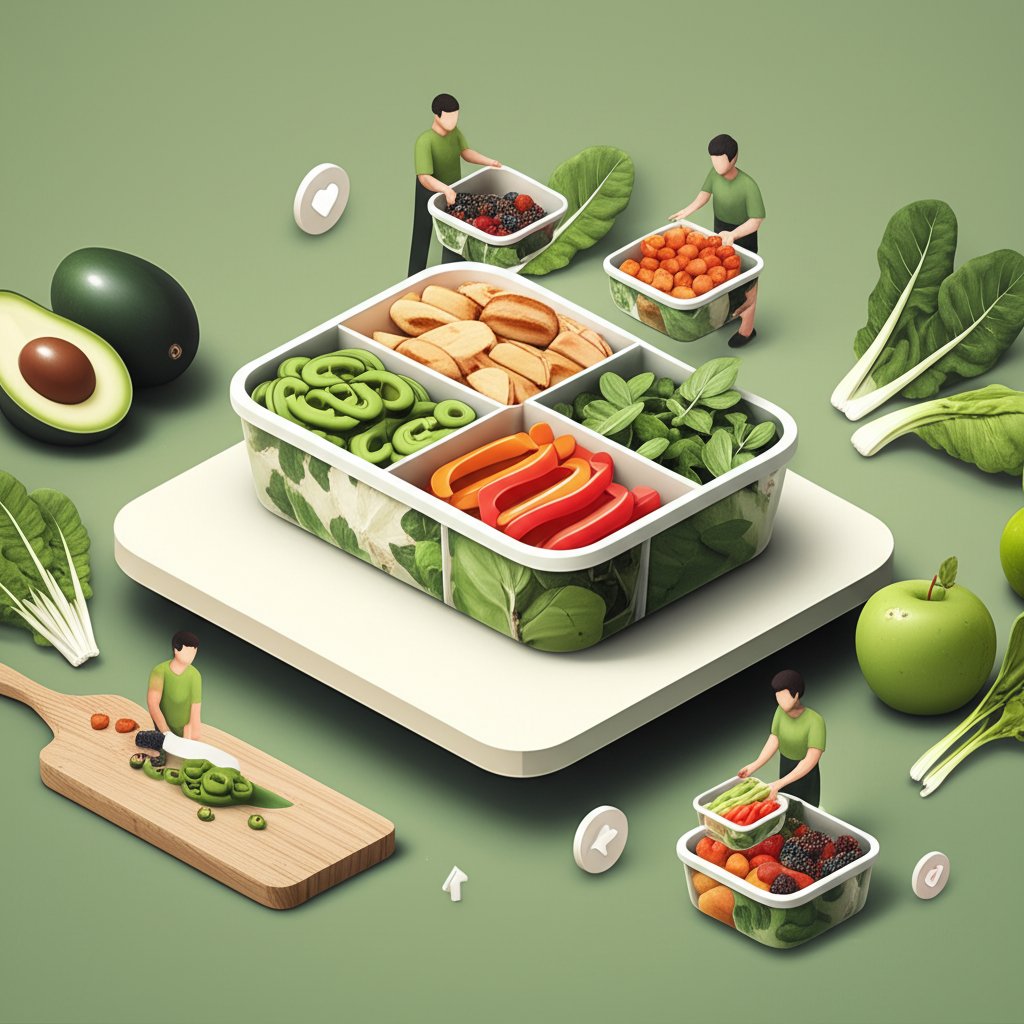
The beauty of meal prep bowls lies in their modular design. Instead of thinking about a rigid recipe, think about a flexible formula. Each bowl is a balanced mix of four key components that work together to keep you full, energized, and on track with your wellness goals.
For a deeper dive into how each of these components supports your goals, our complete guide to Simple Delicious Meal Prep Bowls breaks down the science behind building meals for sustainable weight loss.
Here’s the core framework:
1. Start with a Lean Protein Powerhouse
Protein is the cornerstone of a satisfying meal. It slows digestion, stabilizes blood sugar, and helps maintain muscle mass, which is crucial for a healthy metabolism. Aiming for 20-30 grams of protein per meal is a proven strategy for promoting fullness.
- Animal-Based: Grilled chicken breast, shredded rotisserie chicken, lean ground turkey, salmon, shrimp, hard-boiled eggs.
- Plant-Based: Chickpeas, black beans, lentils, baked tofu, tempeh, edamame.
Pro-Tip: Batch cook your protein. Grill a pack of chicken breasts or bake a block of tofu on Sunday. You can then cube, shred, or slice it for your bowls all week.
2. Add a Smart Carb or Fiber-Rich Base
This layer provides sustained energy. Complex carbohydrates are digested slowly, preventing the energy spikes and crashes you get from refined carbs. For lower-carb goals, a vegetable base adds volume and fiber without the extra carbs.
- Complex Grains: Quinoa, brown rice, farro, barley. (A typical serving is about 1/2 cup, cooked).
- Low-Carb Bases: Cauliflower rice, broccoli rice, shredded cabbage, mixed greens, zucchini noodles.
3. Pile on the Colorful Vegetables
This is where you load up on vitamins, minerals, and fiber. Vegetables add bulk and nutrients for very few calories, making your bowl visually appealing and incredibly filling. A good rule of thumb is to fill at least half your container with non-starchy veggies.
- Roast Them: Broccoli florets, bell pepper strips, red onion wedges, sweet potato cubes, and Brussels sprouts become sweet and tender when roasted.
- Keep Them Raw: Cherry tomatoes, diced cucumber, shredded carrots, and corn add a fresh, crunchy texture.
4. Drizzle with Healthy Fats and Flavor
Fat is not the enemy! Healthy fats are essential for hormone function and absorbing certain vitamins. They also make your meal taste amazing and contribute to satiety. This is also your chance to add sauces and dressings that tie the whole bowl together.
- Healthy Fats: Sliced avocado, a sprinkle of nuts or seeds (pumpkin, sunflower), a dollop of hummus.
- Flavor Boosters: Homemade vinaigrettes (olive oil + vinegar + herbs), Greek yogurt-based sauces like tzatziki, fresh herbs like cilantro or parsley, a squeeze of lime or lemon juice.
A Word of Caution: This is where calories can sneak in. Be mindful of store-bought dressings, which are often loaded with sugar and unhealthy oils. A simple homemade dressing is almost always a better choice.
Your Sunday Reset: A Step-by-Step Meal Prep Workflow
Seeing it all laid out is one thing; putting it into practice is another. Here’s a simple, repeatable workflow you can use every week to make your meal prep efficient and painless.
- Plan & Shop (30 Minutes): Before you go to the store, decide on one or two bowl “themes” for the week (e.g., Southwest and Mediterranean). Write a specific grocery list based on the 4-part formula for each theme. This prevents overbuying and food waste.
- Batch Cook Core Components (60 Minutes): Get everything cooking at once. Put your grains (quinoa, rice) on the stovetop. Lay your protein (chicken, tofu) and sturdy vegetables (broccoli, bell peppers) on a baking sheet and pop them in the oven. Multitasking is your best friend here.
- Chop & Prep Fresh Ingredients (20 Minutes): While things are cooking, wash and chop your fresh components. Dice cucumbers, halve cherry tomatoes, chop cilantro. Store these in separate airtight containers to maintain their freshness.
- Whisk Your Dressings (5 Minutes): In a small jar, combine your dressing ingredients (like olive oil, lemon juice, and oregano). Shake well and store it in the fridge. Making your own is cheaper, healthier, and takes almost no time.
- Assemble or Deconstruct (10 Minutes): Now, you have a choice.
- Assemble Now: Layer your ingredients in your containers, starting with the grains, then veggies, then protein. Pack your dressing and any crunchy or soft toppings (like avocado or nuts) separately.
- Deconstruct for Freshness: Store each component in its own large container in the fridge. Each morning, simply build your bowl for the day. This method takes an extra 60 seconds each day but guarantees the freshest possible meal.
Never Eat a Boring Bowl Again: Mastering Flavor Themes
The number one reason people quit meal prep is boredom. The solution is to think like a restaurant and create different flavor profiles using a few simple ingredient swaps.
Here’s a cheatsheet to get you started:
| Flavor Theme | Protein | Carb/Base | Veggies | Fat & Flavor |
|---|---|---|---|---|
| Southwest | Cumin-spiced chicken, black beans | Quinoa | Corn, bell peppers, red onion | Avocado, cilantro, lime-cumin vinaigrette |
| Mediterranean | Lemon-herb chicken, chickpeas | Farro or quinoa | Cucumber, cherry tomatoes, Kalamata olives | Feta cheese, parsley, lemon-oregano dressing |
| Asian-Inspired | Teriyaki tofu, edamame | Brown rice | Shredded carrots, shredded cabbage, broccoli | Sesame seeds, scallions, ginger-soy dressing |
| BBQ Chicken | Shredded chicken + BBQ sauce | Brown rice | Corn, black beans, coleslaw mix | Diced red onion, ranch or Greek yogurt dressing |
| Deconstructed Egg Roll | Ground turkey with ginger & soy | Cauliflower rice | Shredded cabbage, carrots, water chestnuts | Scallions, sesame oil, Sriracha mayo |
Two Go-To Meal Prep Bowl Recipes to Start This Week
Ready to put the theory into practice? Here are two detailed recipes based on the context research that are perfect for beginners.
The Vibrant Southwest Quinoa Bowl
This bowl is packed with plant-based protein and fiber, with a zesty flavor that never gets old.
- Yields: 4 servings
- Ingredients:
- 1 cup dry quinoa, cooked according to package directions (yields ~3 cups)
- 1 (15 oz) can black beans, rinsed and drained
- 1 cup frozen corn, thawed
- 1 red bell pepper, diced
- 1/2 red onion, finely diced
- 1/2 cup fresh cilantro, chopped
- For the Dressing: Juice of 2 limes, 1 tbsp olive oil, 1 tsp ground cumin, 1/2 tsp salt
- For Serving: 2 avocados, sliced
- Instructions:
- In a large bowl, combine the cooked and cooled quinoa, black beans, corn, red bell pepper, red onion, and cilantro.
- In a small jar or bowl, whisk together the lime juice, olive oil, cumin, and salt.
- Pour the dressing over the quinoa mixture and toss well to combine.
- Divide the mixture evenly among four meal prep containers.
- Store in the refrigerator for up to 5 days. When ready to eat, top with 1/2 sliced avocado.
The Refreshing Mediterranean Chickpea Bowl
Bright, fresh, and full of texture, this bowl tastes like sunshine in a container.
- Yields: 4 servings
- Ingredients:
- 1 cup dry quinoa, cooked according to package directions
- 1 (15 oz) can chickpeas, rinsed and drained
- 1 cup cherry tomatoes, halved
- 1 large cucumber, diced
- 1/2 cup crumbled feta cheese
- 1/2 cup fresh parsley, chopped
- For the Dressing: Juice of 1 lemon, 1 tbsp olive oil, 2 tsp dried oregano, 1/2 tsp salt
- Instructions:
- In a large bowl, combine the cooked quinoa, chickpeas, cherry tomatoes, and cucumber.
- In a separate small container, mix the feta cheese and chopped parsley. Storing the cheese separately can help prevent sogginess.
- In a small jar, shake together the lemon juice, olive oil, oregano, and salt.
- Divide the quinoa-vegetable mixture among four meal prep containers. Store the feta-parsley mix and the dressing in separate small containers.
- When ready to serve, add the feta and parsley, drizzle with dressing, and enjoy.
Your Meal Prep Bowl Questions, Answered
How long do meal prep bowls last in the fridge?
Most meal prep bowls will last for 3 to 5 days when stored in an airtight container in the refrigerator. Seafood-based bowls (like those with shrimp or salmon) are best eaten within 3 days. If you’re using ingredients that lose freshness quickly, like sliced avocado or leafy greens, it’s best to add them right before serving.
Won’t my food get soggy?
This is the most common fear! You can easily avoid it with a few tricks. First, let all cooked ingredients cool completely before assembling. Second, store your dressing separately and add it just before eating. Third, for maximum crispness, use the “deconstructed” method mentioned earlier, storing wet and dry ingredients in separate containers or compartments.
Is making meal prep bowl recipes expensive?
It can be, but it doesn’t have to be. The key to budget-friendly bowls is to build them around inexpensive staples. Dried beans, lentils, brown rice, quinoa, and in-season produce are all incredibly cost-effective. Batch cooking also reduces food waste, saving you money in the long run compared to buying lunch out or letting produce go bad in your fridge.
What are the best containers to use?
Look for airtight, leak-proof containers. Glass containers are a great choice as they don’t stain or retain odors and can be used in the microwave and dishwasher. BPA-free plastic is a lighter, more portable option. Containers with separate compartments can also be a game-changer for keeping ingredients crisp and separated.
Your First Step to Effortless Healthy Lunches
The real power of meal prep bowl recipes isn’t in any single ingredient list; it’s in the repeatable system that frees up your time and mental energy during a busy week. By mastering the simple 4-part formula and a basic weekly workflow, you take the guesswork out of healthy eating.
Don’t try to prep seven different complex meals at once. Start small. This week, pick just one flavor theme from the chart above. Shop for the ingredients, batch cook your protein and grain, and assemble your first three bowls.
You’ll quickly discover how a little planning on Sunday can lead to a week of delicious, stress-free, and nourishing meals.

- Master Vegan Freezer Meal Prep to Simplify Your Busy Schedule - June 18, 2026
- Vegan Freezer Cooking Simplifies Healthy Meals on Busy Nights - June 17, 2026
- Vegetarian Freezer Recipes for Effortless Meal Prep and Delicious Dinners - June 16, 2026