For the bigger picture and full context, make sure you read our main guide on Choosing the Best Meal Prep Lunch Box for Daily Use.
That frantic morning search for a matching lid and a container that doesn’t smell like last Tuesday’s takeout is a familiar struggle. But imagine a different rhythm: opening your fridge to see a neat stack of delicious, ready-to-go meals, each housed in the perfect food prep lunch box. This simple system isn’t about elaborate culinary skills; it’s about reclaiming your time and making healthy choices effortless, even on the busiest days.
At a Glance: Your Lunch Prep Upgrade
- Understand the System: Discover how a dedicated food prep lunch box is more than just a container—it’s a tool for consistency, portion control, and freshness.
- Match Box to Lifestyle: Learn to identify the key features (material, compartments, seal) that fit your specific daily routine, from the office to the job site.
- Master Pro Packing Techniques: Get step-by-step instructions for packing meals that stay crisp, delicious, and un-soggy until you’re ready to eat.
- Solve Common Problems: Find quick fixes for stained containers, leaky lids, and lukewarm lunches.
- Choose with Confidence: Leave with a clear framework to select the ideal set of containers for your meal prep goals.
It’s More Than Storage—It’s a System
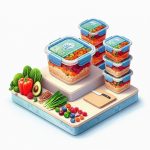
Switching from a random collection of takeout containers to a dedicated set of food prep lunch boxes is a fundamental upgrade. It transforms meal prep from a chaotic chore into a streamlined, predictable process. The right container acts as a template for building balanced meals, protecting your food (and your bag) during transit, and ensuring your lunch is just as appetizing at noon as it was when you packed it.
Choosing the right lunch box is the foundational step in building this system, establishing the framework for what and how you’ll prep each week. When you have a set of reliable, interchangeable containers, your Sunday prep session becomes an assembly line of efficiency.
Compartments: The Secret to Portion Control and Freshness
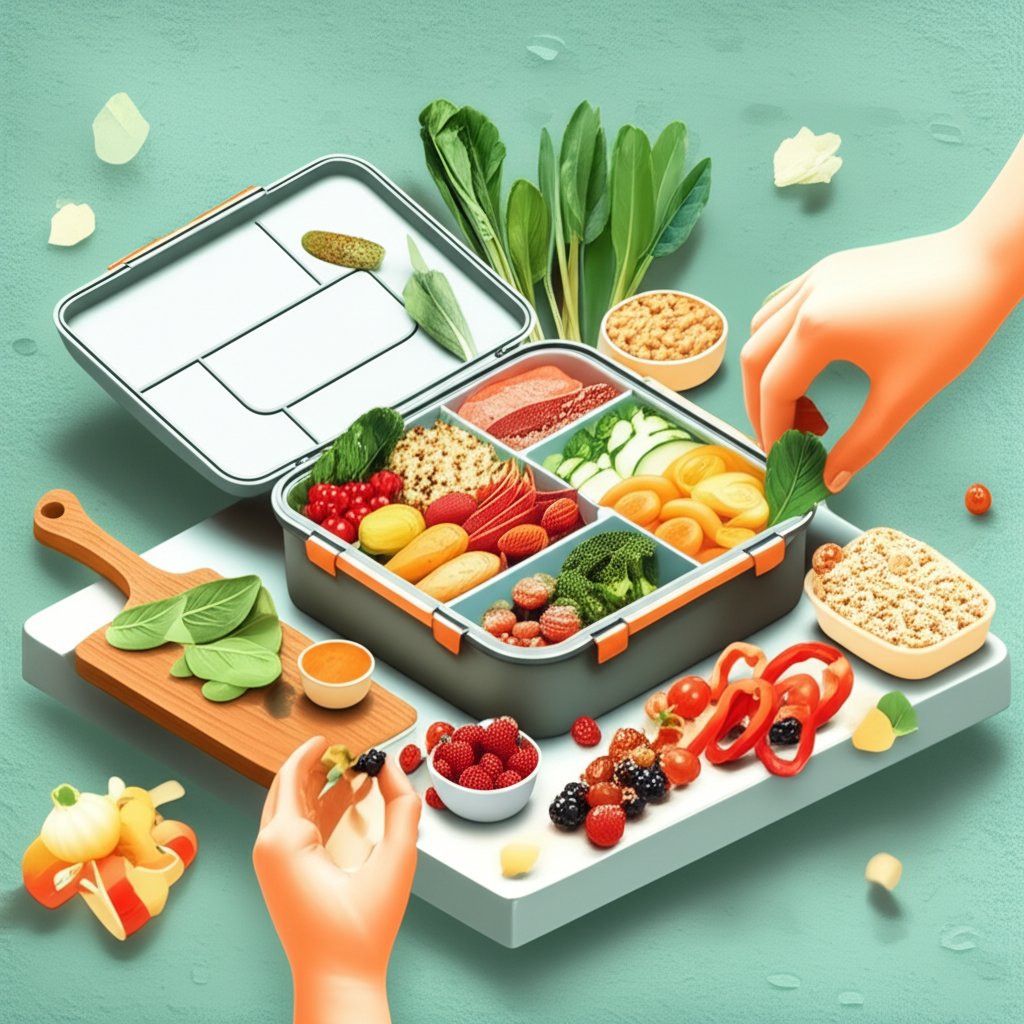
The biggest advantage of a purpose-built food prep lunch box is often its internal division. Compartments are the key to keeping different food elements separate, preserving their individual texture and flavor.
- Single-Compartment: Ideal for one-pot meals like chili, stew, pasta salads, or large green salads. They offer the most volume and are simple to pack and clean.
- Multi-Compartment (Bento-Style): A game-changer for meals with distinct components. A three-compartment box, for example, is perfect for keeping grilled chicken strips, a side of quinoa, and roasted broccoli from becoming a jumbled mess. This prevents your crunchy vegetables from getting soggy from a sauce or dressing.
Real-World Snippet: A client of mine, a personal trainer, switched to 3-compartment containers to manage her macros precisely. She could allocate one section for her protein (4 oz chicken), one for her complex carb (1/2 cup brown rice), and one for her fibrous veggies (1 cup steamed asparagus). It removed all the guesswork.
Material Matters: Glass, Plastic, and Stainless Steel
The material of your lunch box dictates its weight, durability, and how you can use it. There’s no single “best” material; there’s only the best material for you.
| Material | Best For | Pros | Cons |
|---|---|---|---|
| Glass | Office workers; anyone prioritizing non-staining and reheating in the same dish. | Non-porous (no stains/odors), oven & microwave safe, long-lasting. | Heavier, can chip or break if dropped. |
| BPA-Free Plastic | Commuters, students, and budget-conscious preppers. | Lightweight, affordable, durable, often stackable. | Can stain/retain odors, may warp over time. |
| Stainless Steel | Field workers, kids, or anyone without access to a microwave. | Extremely durable, lightweight, won’t stain or hold odors, often insulated. | Cannot be microwaved, typically more expensive. |
The Lid Lock-Down: Why Leak-Proof Is Non-Negotiable
A food prep lunch box is only as good as its lid. A weak seal can lead to the dreaded lunch-bag-disaster: a backpack or briefcase coated in yogurt, soup, or salad dressing.
Look for lids with four-sided, snap-locking clasps and a silicone gasket that runs along the inside rim. This combination creates an airtight and watertight seal that you can trust. Before committing to a set, press down on the center of the lid after sealing it—if you feel or hear air escaping, the seal isn’t strong enough for liquids.
Your Daily Grind Dictates Your Gear

The perfect food prep lunch box for a corporate executive is likely different from the one for a construction worker. Aligning your container choice with the realities of your day is the most critical step.
The Office Professional: Sleek, Microwave-Safe, and Compact
Your day involves moving from home to car to desk. You have access to a fridge and a microwave. Your priority is a container that is efficient, professional-looking, and easy to use.
- Scenario: You need to quickly reheat your prepped lemon-herb chicken and quinoa during a short lunch break. You don’t want to carry a bulky, oversized bag.
- Ideal Choice: A set of borosilicate glass containers with 2 or 3 compartments. They look clean and professional, go directly from the fridge to the microwave (lid vented or removed), and can be eaten from directly. Plus, they won’t hold onto the smell of last week’s fish.
The Field Worker or Student: Durability and Temperature Control Are Key
Your lunch lives in a backpack, a truck, or a locker. You likely don’t have access to refrigeration or a microwave. Your container needs to withstand bumps and keep food at a safe temperature.
- Scenario: You pack your lunch at 6 AM, and you won’t eat it until 1 PM. It needs to stay cool, and it needs to survive being tossed around in your gear.
- Ideal Choice: An insulated stainless steel bento box or a durable, BPA-free plastic container with a secure locking lid, placed inside a high-quality insulated lunch bag with a slim ice pack. For hot meals like soup or chili, a pre-heated, wide-mouth vacuum-insulated thermos is unbeatable.
The Fitness Enthusiast: Precision Portions and Multiple Meals
You measure your food for specific macronutrient goals. You might carry a pre-workout snack, a full lunch, and a post-workout recovery meal. Organization and portion accuracy are paramount.
- Scenario: You need to pack precisely 6 ounces of ground turkey, 1 cup of sweet potato, and a large side salad, plus a separate container of Greek yogurt and berries.
- Ideal Choice: A stackable meal prep system. These often feature multiple interlocking containers of various sizes, all designed to fit neatly into a single insulated carrier. This allows you to keep different meals and snacks separate and organized.
Mastering the Art of Packing for Peak Freshness

What you pack is as important as what you pack it in. A few simple techniques ensure your perfectly prepped meal doesn’t turn into a soggy, unappetizing mess by lunchtime.
The “Pack in Reverse” Method for Salads
This technique is a lifesaver for anyone who loves salads but hates wilted greens. The key is to build your salad upside down to keep the wet ingredients away from the delicate ones.
- Dressing First: Pour your dressing into the bottom of the container.
- Hard Ingredients: Add a layer of hard, non-absorbent items like chopped carrots, bell peppers, cucumbers, or red onion. This creates a barrier.
- Grains & Proteins: Next, add your grains (quinoa, farro) or proteins (chickpeas, grilled chicken, edamame).
- Softer Items: Add softer fruits or vegetables like cherry tomatoes, corn, or avocado (tossed in lemon juice to prevent browning).
- Nuts, Seeds & Cheese: Add any crunchy or delicate toppings like sunflower seeds, feta cheese, or croutons.
- Greens Last: Pile your leafy greens (spinach, arugula, lettuce) on the very top, where they’ll stay dry and crisp.
When you’re ready to eat, just shake the container vigorously to distribute the dressing.
A Sample Weekly Packing Plan
Using a consistent set of containers makes planning and packing incredibly efficient. Here’s how a week might look using a 3-compartment food prep lunch box:
| Day | Compartment 1 (Protein) | Compartment 2 (Carb) | Compartment 3 (Veggies/Fruit) |
|---|---|---|---|
| Monday | Shredded BBQ Chicken | Macaroni and Cheese | Coleslaw (no-mayo) |
| Tuesday | Black Bean Burgers (2) | Roasted Sweet Potato Wedges | Sliced Avocado & Tomato |
| Wednesday | Hard-Boiled Eggs (3) | Whole Wheat Crackers | Grapes & Cheese Cubes |
| Thursday | Leftover BBQ Chicken | Quinoa Salad | Steamed Green Beans |
| Friday | Tuna Salad | Baby Carrots & Hummus | Apple Slices |
| This approach, sometimes called “bento-boxing,” ensures a balanced meal and keeps prep simple. You can cook a few core components on Sunday and mix and match them throughout the week. |
Quick Answers to Common Lunch Box Hurdles
Even with the perfect system, questions come up. Here are some rapid-fire answers to the most common challenges.
Q: My plastic containers are stained from tomato sauce. Are they ruined?
A: Not at all. For tough red stains, make a paste of baking soda and water, coat the inside of the container, and let it sit for a few hours before washing. An even easier trick? Leave the clean, empty container in direct sunlight for a day. The UV rays are surprisingly effective at naturally bleaching out the stains.
Q: How many food prep lunch box containers do I really need?
A: For a standard Monday-to-Friday work week, a set of five identical containers is the ideal starting point. This allows you to prep all your lunches at once. If you also prep dinners or breakfasts, you might want a set of ten. The key is having identical, stackable containers to keep your fridge organized and your mornings simple.
Q: Are glass containers too heavy to be practical?
A: They are noticeably heavier than plastic. For someone with a long walking commute or who carries a lot in their bag already, the extra weight can be a factor. However, many people find the benefits—no stains, no odors, and the ability to reheat safely—are well worth the extra heft. It’s a personal trade-off between convenience and features.
Q: Can I put my food prep containers in the freezer?
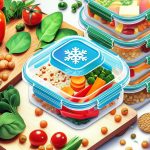
A: Most can be frozen, but check for a snowflake symbol. If using glass, leave at least an inch of headspace, as liquids expand when they freeze and can crack the container. When reheating from frozen, it’s best to let it thaw in the fridge overnight to prevent thermal shock, especially with glass.
Your First Step to a Simpler, Healthier Week
The right food prep lunch box is more than a purchase; it’s an investment in your health, your budget, and your time. It’s the simple tool that bridges the gap between your intention to eat well and the reality of a busy schedule. By removing the daily friction of “what’s for lunch,” you make the healthy choice the easy choice.
Ready to find your perfect match? Use this quick-start decision guide:
- If you prioritize reheating, despise stains, and want maximum longevity… your best bet is a set of glass containers.
- If you prioritize a lightweight design, durability on a budget, and easy stacking… start with high-quality, BPA-free plastic containers.
- If you have no microwave, need rugged performance, and want excellent temperature control… invest in stainless steel or a vacuum-insulated thermos.
Stop battling with a chaotic drawer of mismatched plastic. This week, choose a system that works for you, and discover the calm, satisfying rhythm of a well-prepped week.

- Master Vegan Freezer Meal Prep to Simplify Your Busy Schedule - June 18, 2026
- Vegan Freezer Cooking Simplifies Healthy Meals on Busy Nights - June 17, 2026
- Vegetarian Freezer Recipes for Effortless Meal Prep and Delicious Dinners - June 16, 2026