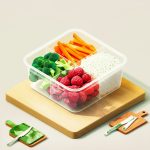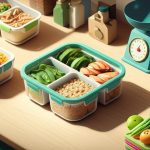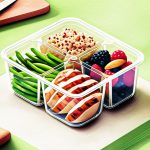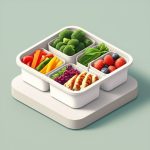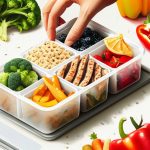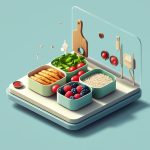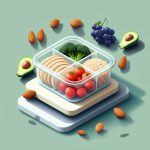
That moment of lunchtime dread is all too familiar: you open your bag to find your crisp salad greens have been steamed into submission by your hot chicken, and your crunchy croutons are now just sad, soggy bread. The solution isn’t more complicated recipes; it’s smarter storage. The right sectioned food storage containers are the unsung heroes that keep your carefully prepped meals delicious, distinct, and ready to enjoy. They transform meal prep from a chore into a system that actually works, saving you time and sanity.
At a Glance: Your Quick Guide to Choosing the Best
- Material Matters Most: Decide between borosilicate glass (durable, oven-safe, non-staining) and high-quality BPA-free plastic (lightweight, affordable, great for travel).
- Seals are Non-Negotiable: Look for containers with silicone gaskets and locking tabs to guarantee a truly leak-proof experience.
- Match Compartments to Your Meals: Two or three sections are perfect for most protein-carb-veggie meals. Four or more are ideal for bento-style lunches and snacks.
- Design for Your Daily Life: Prioritize features that fit your routine, like microwave-safe vents for hot lunches or freezer-safe construction for batch prepping.
- Longevity is in the Care: Simple habits like hand-washing lids and storing them separately can double the life of your containers.
Why Sections Are a Game-Changer, Not Just a Gimmick
At its core, meal prep is about reclaiming your time. The average person can spend nearly 365 hours a year just on food prep—that’s a lot of time you could get back. While a solid meal prep strategy is the foundation, sectioned food storage containers are the tools that make it practical. They are the key difference between a jumbled mess and a perfectly portioned, appetizing meal.
It all comes down to control.
- Portion Control Perfected: The dividers act as built-in portion guides. No need for a food scale every time; you can visually allocate your protein, carbs, and veggies, making it easier to stick to your nutritional goals.
- Flavor and Texture Integrity: This is the big one. Your teriyaki sauce stays on the chicken, not on your roasted broccoli. Your fresh fruit doesn’t make your sandwich bread soggy. Each component tastes exactly as it should.
- Simplified Planning: The compartments create a simple template for building a balanced meal. It encourages you to think in terms of components, which streamlines the entire planning and cooking process. This detailed approach is what helps you unlock meal prep’s secret weapon and turn a good idea into a sustainable habit.
The Great Debate: Choosing Your Container Material

Your first major decision is the material: glass or plastic. There’s no single “best” answer—it’s about what’s best for your lifestyle, budget, and meals.
The Case for Glass: Borosilicate is King
When we talk about glass, we’re not talking about your grandmother’s old bakeware. Modern meal prep containers use borosilicate glass, the same stuff used in laboratory equipment. It’s incredibly durable and resistant to “thermal shock,” meaning it can go from the fridge to the microwave (or even the oven, without the lid) without cracking.
A quick scenario: You’ve prepped a week’s worth of lasagna portions. With a borosilicate glass container like the Prep Naturals Glass Meal Prep Containers, you can store it in the fridge, reheat it in the oven or microwave, and even eat directly from it without worrying about chemicals or a lingering tomato sauce stain.
- Pros:
- Completely non-porous; won’t absorb food odors, flavors, or stains.
- Oven-safe (base only) for ultimate versatility.
- Extremely durable and won’t warp or scratch easily.
- Looks and feels premium.
- Cons:
- Significantly heavier and bulkier than plastic.
- Can break if dropped.
- Typically more expensive upfront.
The Practicality of Plastic: Not All Are Created Equal
Modern, high-quality plastic containers are a world away from flimsy takeout boxes. Look for BPA-free, durable options designed specifically for reuse. They are the workhorses of daily commuting and on-the-go lunches.
Think about this: You’re a fitness enthusiast packing a gym bag with a pre-workout snack and a post-workout meal. Lugging two heavy glass containers is a non-starter. A lightweight, stackable set like the ThinkFit Meal Prep Containers is far more practical.
- Pros:
- Lightweight and easy to carry.
- More affordable, allowing you to build a larger collection.
- Often designed for efficient, space-saving stacking.
- Won’t shatter if dropped.
- Cons:
- Can absorb stains and odors from potent foods like curry or tomato sauce.
- May warp over time with high-heat dishwasher cycles.
- Can be scratched by metal utensils.
| Feature | Borosilicate Glass (e.g., OXO Good Grips) | High-Quality Plastic (e.g., Bentgo) |
| ——————- | —————————————– | ————————————- |
| Weight | Heavy | Lightweight |
| Durability | High (resists scratches, won’t warp) | Medium (can scratch or warp) |
| Stain/Odor | Resistant | Prone to staining/odors |
| Versatility | Oven, Microwave, Freezer, Dishwasher | Microwave, Freezer, Dishwasher |
| Portability | Less portable | Highly portable |
| Price | Higher | Lower |
| Best For | Reheating at home/office, oven-baking | Commuting, kids’ lunches, large batches |
Beyond Material: Decoding Critical Design Features
Once you’ve picked a material, the details of the design will determine how happy you are with your purchase a month from now.
The Anatomy of a Leak-Proof Lid
A “leak-proof” claim is useless if your bag ends up full of salad dressing. True security comes from two key features:
- A Silicone Gasket: This is the flexible ring on the inside of the lid that creates an airtight seal against the container’s rim. It should be removable for easy cleaning to prevent mold buildup.
- Secure Locking Tabs: Look for four sturdy tabs that snap down firmly on all sides. This provides even pressure on the gasket, ensuring a tight seal. Brands like Rubbermaid Brilliance and Sistema excel here, with satisfyingly secure “clicks.”
Compartment Calculus: How Many Sections Do You Really Need?
More isn’t always better. The number of compartments should match the types of meals you make.
- Two Compartments: Perfect for simple pairings. Think grilled chicken and roasted vegetables, or a main dish with a side of fruit. It prevents one primary component from sogging up another.
- Three Compartments: This is the sweet spot for many balanced meals, following the classic “protein, carb, veggie” model. It’s the most popular configuration, found in bestsellers like the Bentgo Meal Prep Containers. It allows you to pack, for example, salmon, quinoa, and asparagus without them ever touching.
- Four+ Compartments: Ideal for bento-style lunches or “adult lunchables.” You can pack a main item, a side, a fruit, and a dip or nuts, all in their own dedicated space. The Lifewit Lunch Box is a great example of this style.
Stackability and Storage: The Unsung Heroes
This might seem like a minor detail until you’re trying to fit 10 containers into one kitchen cabinet. Look for designs where containers of the same size nest inside each other and lids stack neatly on top. A uniform set of sectioned food storage containers creates a clean, organized system in both your fridge and your cupboards, making it easy to grab and go.
Matching the Container to Your Lifestyle

The “best” container is the one that solves your specific problems. Let’s map some popular options to common scenarios.
For the Office Professional (The “Microwave Warrior”)
You need a container that goes from your work bag to the office fridge to the communal microwave without any drama. Your priorities are leak-proofing, stain resistance, and excellent microwaving performance.
- Top Pick: Rubbermaid Brilliance Containers. Their vented, splatter-proof lids are a game-changer. You can microwave with the lid on and vents open, which prevents messy explosions and keeps food moist. The crystal-clear Tritan plastic resists stains and odors like a champ.
For the Fitness Enthusiast (Macros on the Go)
You’re tracking macros and need generous, clearly defined portions. Durability and capacity are key, as you’re often packing larger meals to fuel your workouts.
- Top Pick: ThinkFit Meal Prep Containers. These are built for volume. Their deep, distinct compartments make it easy to pack a full serving of protein, a complex carb, and veggies. They’re also designed to be highly stackable, so you can prep a whole week of meals for the fridge.
For the Parent-on-the-Go (Cold Lunches & Snacks)
You’re packing lunches for yourself or your kids, and they’ll likely be eaten cold or at room temperature. You need something lightweight, easy for smaller hands to open, and reliable for holding things like yogurt or apple sauce.
- Top Pick: Sistema To Go Collection. The iconic “Klip-It” locking clips are secure but easy to manage. They come in countless configurations, with small pots for dips and dressings, making them perfect for bento-style cold lunches. Plus, they are freezer-safe for prepping things like muffins or smoothie packs.
For the Home Chef (Oven-to-Table Ease)
You appreciate a meal that feels a little more “gourmet,” even if it was prepped on Sunday. You want the option to bake or properly reheat your food in an oven and serve it without transferring to another dish.
- Top Pick: Prep Naturals Glass or OXO Good Grips Prep & Go Containers. Their borosilicate glass bases can handle oven temperatures (lids off!), so you can bake individual portions of shepherd’s pie or mac and cheese directly in them. The rock-solid construction and reliable silicone seals make them a premium choice for those who value versatility.
Quick Answers to Common Questions
Let’s tackle some of the frequent questions and misconceptions about these containers.
Q: Can I really put all plastic containers in the microwave?
A: Absolutely not. Always check the bottom of the container for a microwave-safe symbol (usually wavy lines). Cheaper, single-use plastics can leach chemicals when heated. Stick to reputable brands that clearly state their products are microwave-safe and BPA-free.
Q: Why does my plastic container still smell like last week’s curry?
A: Plastic is porous and can absorb oils and pigments from strongly-flavored or colored foods. To combat this, rinse containers immediately after use. For stubborn odors or stains, make a paste of baking soda and water, let it sit inside for a few hours, then wash as usual. Glass containers completely avoid this problem.
Q: Are glass containers really worth the extra money?
A: For many, yes. While the initial investment is higher, their longevity is far superior. They don’t stain, warp, or hold odors, meaning a set can last for many years. If you frequently use an oven or are sensitive to cooking in plastic, the value is undeniable.
Q: My container lids are starting to warp. What did I do wrong?
A: The likely culprit is the high-heat drying cycle on your dishwasher. While most containers are “dishwasher-safe,” it’s always best to place lids on the top rack. For maximum lifespan, consider hand-washing the lids to protect the silicone seal and prevent warping from intense heat.
Your First Step to a Better Meal Prep System
Switching to the right sectioned food storage containers isn’t just about buying new Tupperware; it’s about investing in a system that makes your life easier, healthier, and more organized.
Start by assessing your primary need. Do you value the lightweight portability of plastic for your daily commute, or the oven-safe versatility and stain-proof nature of glass for home and office reheating?
Once you’ve chosen your material, buy a small set of 3-5 containers. Use them for one week. You’ll quickly see how separated compartments keep your food fresh and appealing, turning your prepped meal from a compromise into something you genuinely look forward to eating.

- Sectioned Food Storage Containers Are Your New Meal Prep Lifesaver - February 16, 2026
- Divided Meal Prep Containers Make Organizing Healthy Meals Easy - February 15, 2026
- Divided Meal Storage Containers Make Meal Prep Efficient and Simple - February 14, 2026