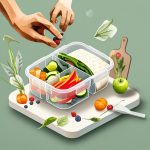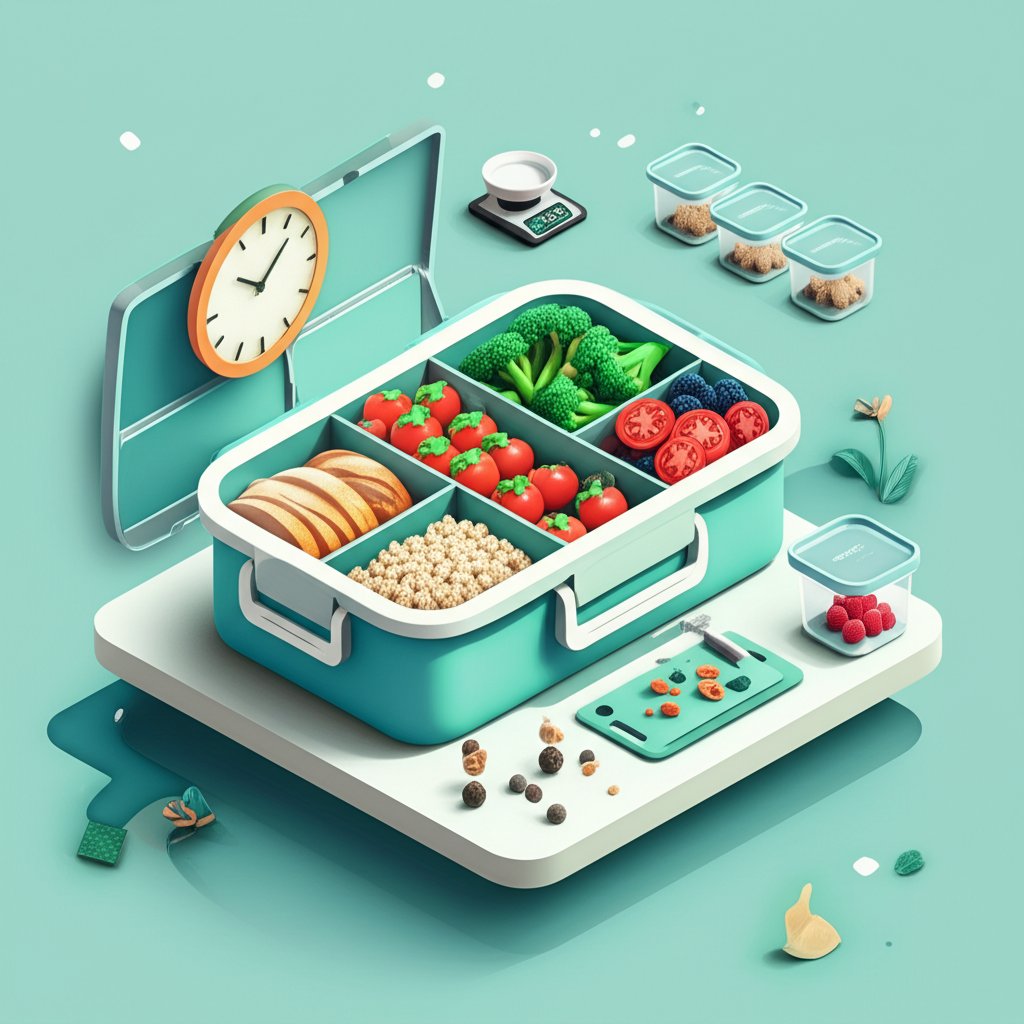
The sad desk lunch is an all-too-common tragedy. It’s the soggy salad, the lukewarm leftovers from a leaky container, or the hastily bought sandwich that costs more than it should. The silent hero in the fight for a better midday meal isn’t a complex recipe or a new diet—it’s a great meal prep lunch box. This humble container is the bridge between the effort you put in on Sunday and the delicious, satisfying meal you enjoy on Wednesday.
Choosing the right one, however, can feel surprisingly complicated. With a sea of materials, sizes, and features, it’s easy to end up with a cabinet full of containers that crack, stain, or—worst of all—leak all over your bag. This guide will cut through the noise, helping you find the perfect partner for your daily lunch routine.
At a Glance: Your Cheat Sheet to the Perfect Lunch Box
Before we dive deep, here are the core principles to keep in mind:
- Material is King: Your choice of glass, plastic, or stainless steel dictates durability, weight, and how you can heat your food.
- The Leak-Proof Promise: A truly secure lid with a silicone seal and locking clasps is non-negotiable for anyone transporting soups, sauces, or dressings.
- Compartments vs. Single Cavity: Bento-style boxes are ideal for separating components, while single-compartment containers are best for one-pot meals like stews or large salads.
- Convenience is Key: Always check for microwave, dishwasher, and freezer-safe labels to ensure the container fits your lifestyle, not the other way around.
Why Your Lunch Box is More Than Just a Box
Think of your meal prep container as an investment in your health, your wallet, and your time. A good one does more than just hold food; it preserves it. It keeps crisp things crisp and prevents different flavors from mingling into a single, monotonous taste. The right container is the final, crucial step when you Prep your lunch box for the week, ensuring your hard work pays off with a delicious meal.
A flimsy, ill-fitting container can ruin a perfectly good lunch. It can leak dressing into your work bag, fail to keep air out, and leave your food tasting stale by Tuesday. Conversely, a high-quality, airtight box maintains freshness, makes reheating a breeze, and gives you the confidence to pack anything from a hearty chili to a delicate fruit salad.
The Core Four: Key Features to Scrutinize
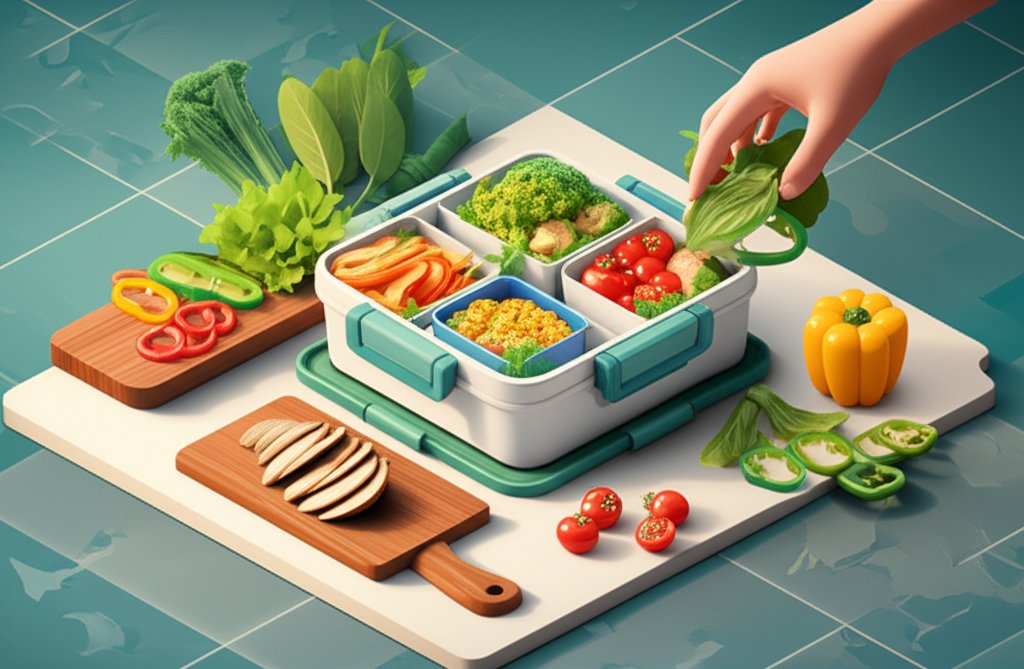
When you’re ready to buy, focus on these four critical areas. Getting these right means you’ll have a reliable set of containers for years to come.
1. Material Showdown: Glass vs. Plastic vs. Stainless Steel
Each material has its champions and its drawbacks. The best choice depends entirely on your priorities.
Glass Containers
Glass is a favorite among home chefs for a reason. It’s non-porous, meaning it won’t absorb stains or odors from tomato sauce or curry.
- Pros: Resists stains and smells, oven-safe (check the specific brand), doesn’t leach chemicals, provides an “at-a-glance” view of your food.
- Cons: Heavy, breakable, and can be more expensive.
- Best for: Office workers who can leave their container at work, reheating meals in the oven or microwave, and anyone concerned about plastic.
Plastic Containers
Lightweight and affordable, plastic is the go-to for many. The key is to look for high-quality, BPA-free options that are built to last.
- Pros: Lightweight, durable (won’t shatter), often stackable and space-efficient, budget-friendly.
- Cons: Can stain and retain odors over time, may warp at high temperatures, potential concerns about chemical leaching (always choose BPA-free).
- Best for: Students, commuters, and anyone who needs to carry their lunch for long distances.
Stainless Steel Containers
Traditionally known for being tough but not microwave-friendly, stainless steel has seen a revolution in recent years. It’s the most durable option and is perfect for keeping food at a stable temperature.
- Pros: Extremely durable (won’t crack or shatter), lightweight, naturally BPA-free, excellent at retaining temperature (for insulated models).
- Cons: Typically not microwaveable (with some key exceptions, see below), opaque (you can’t see what’s inside), can be pricier.
- Best for: People who eat their lunch cold (salads, sandwiches), kids, or anyone needing a rugged, long-lasting solution.
2. The Leak-Proof Litmus Test: Lids, Seals, and Locks
A container is only as good as its lid. A “leak-resistant” lid might handle a thick stew, but it won’t stand up to the vinaigrette sloshing around in your bag. For true peace of mind, look for a lid with these two features:
- A Silicone Gasket: This is the flexible ring that sits inside the lid’s groove, creating an airtight seal against the container’s rim. It should be removable for easy cleaning to prevent mold buildup.
- Locking Clasps: Four-sided locking tabs that snap down securely are the gold standard. They apply even pressure on the gasket, ensuring a tight, reliable seal.
Some premium containers go a step further, incorporating a vacuum-seal mechanism. This involves a small valve on the lid that, when pressed, pushes out excess air, locking in freshness and creating an even more secure, 100% leak-proof closure.
3. Compartments or Open-Concept? Tailoring to Your Meals
The layout of your lunch box should match the food you love to eat.
- Single-Compartment Containers: These are your workhorses. They are perfect for soups, stews, large salads, pasta dishes, and grain bowls where all the ingredients are meant to be mixed. Their simplicity makes them easy to clean and store.
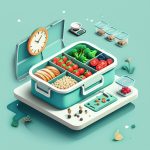
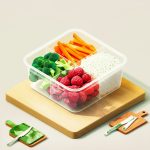
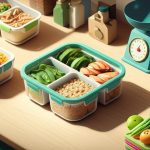
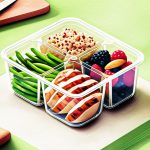
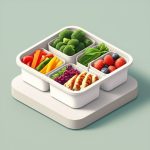
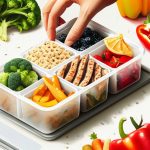
- Multi-Compartment (Bento-Style) Containers: These are the key to preventing sogginess and preserving texture. Use them to keep a crunchy granola topping separate from yogurt, to isolate a saucy main from a side of steamed vegetables, or to pack a variety of snacks. They encourage balanced meals by giving you dedicated spaces for proteins, carbs, and veggies.
4. The Convenience Factor: Is It Life-Proof?
Your meal prep containers should make your life easier, not add to your chores. Always check the bottom of the container or the manufacturer’s website for these symbols:
- Microwave-Safe: Essential for anyone who eats hot lunches. Note that some lids are not microwave-safe, requiring you to use a paper towel to cover the container.
- Dishwasher-Safe: A huge time-saver. For longevity, it’s often recommended to place plastic lids on the top rack where the heat is less intense.
- Freezer-Safe: Perfect for batch-prepping and storing meals for weeks. Ensure the material is rated for freezing to prevent it from becoming brittle and cracking.
- Oven-Safe: This feature is almost exclusive to glass and some high-end stainless steel containers. It allows you to cook or reheat food directly in the container, saving you a dish.
Finding the perfect fit means browsing some of the Best meal prep lunch boxes on the market to see these features in action.
A Deeper Dive: The Rise of Smart Stainless Steel
For years, the rule was simple: never put metal in the microwave. That axiom is being challenged by innovative designs. Companies like Black+Blum have engineered single-wall 18/8 stainless steel containers that are, surprisingly, completely microwave-safe.
How does it work? The design—often featuring smooth, rounded corners—and specific grade of steel allow microwaves to pass through and heat the food inside without the dangerous arcing associated with traditional metal. These advanced containers often come with a specially designed polypropylene and silicone lid that can stay on during reheating (with the vent open) to prevent splatters and heat food more efficiently.
This technology offers the best of all worlds: the durability and purity of steel with the convenience of a microwave-safe material. These multi-functional containers are also typically oven, freezer, and dishwasher safe, making them a true all-in-one solution for meal prep, storage, and on-the-go eating. While they represent a higher initial investment, their longevity and versatility can make them a worthwhile choice for the serious meal prepper.
Matching the Box to Your Lifestyle
The “best” meal prep lunch box is subjective. The ideal container for a construction worker is different from that of an office manager. Let’s find yours.
The Office Warrior
You eat at your desk and have access to a full kitchen.
- Your Priority: Reheating performance and aesthetics.
- Your Best Bet: A set of glass containers. They look professional, heat food evenly in the microwave, and won’t get stained by last night’s spaghetti bolognese. Weight isn’t a big issue if you can leave a few at the office.
The On-the-Go Eater
Your lunch is consumed in your car, at a park, or wherever your day takes you.
- Your Priority: Durability and 100% leak-proofing.
- Your Best Bet: A high-quality plastic or stainless steel container. You need something that can be tossed in a bag without a second thought. Look for robust locking tabs and a proven leak-proof seal. Insulated steel is a bonus if you don’t have access to a fridge or microwave.
The Salad & Snack Aficionado
Your lunch is a collection of components that should not touch until the last minute.
- Your Priority: Compartments and separation.
- Your Best Bet: A bento-style box. Look for one with at least three compartments and ideally a small, dedicated container for dressing. This keeps your greens from wilting, your nuts crunchy, and your fruit separate from your savory items.
The Family Prepper
You’re not just packing for one; you’re organizing meals for the whole household.
- Your Priority: Stackability, variety of sizes, and value.
- Your Best Bet: A large, uniform set of stackable plastic containers. Buying a bundle of 10-20 containers of the same brand ensures the lids are interchangeable and they nest neatly in your cupboard, saving precious space.
Common Questions and Quick Answers
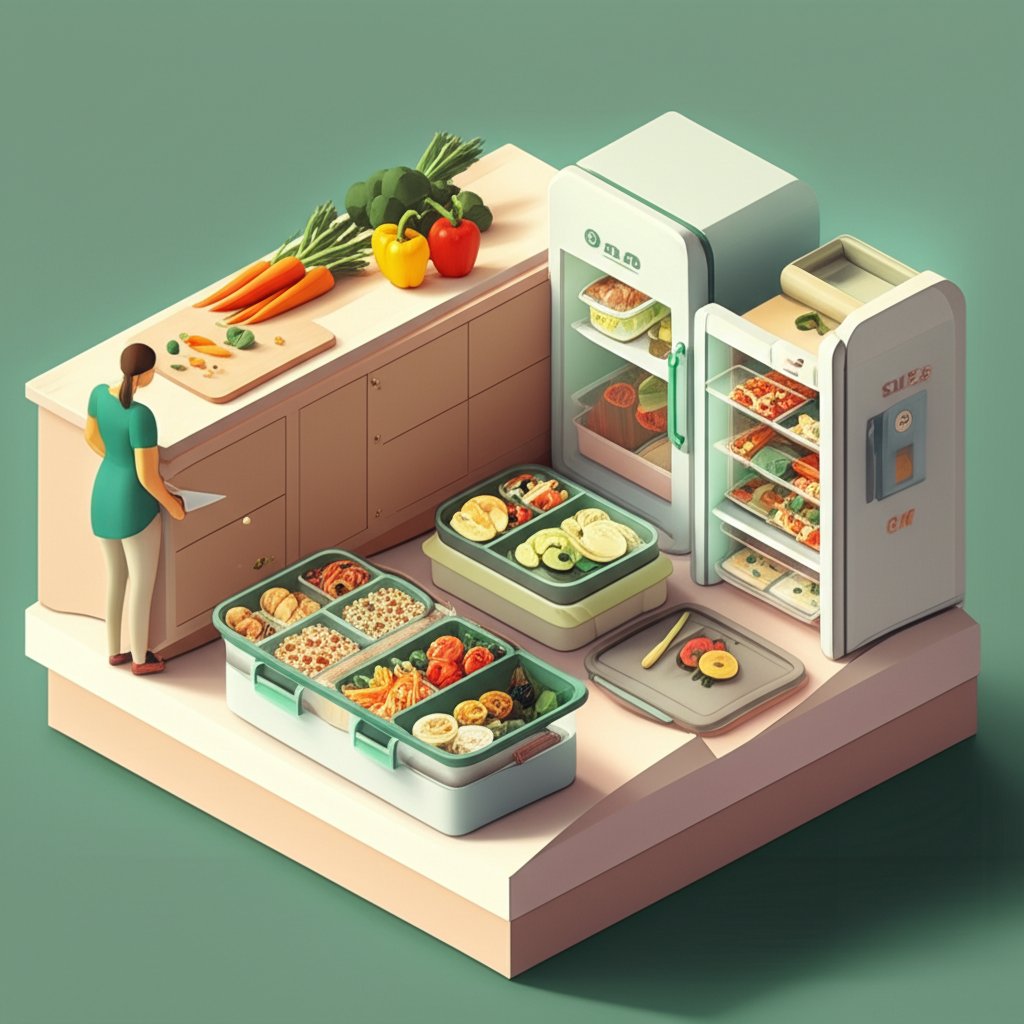
Let’s tackle some of the most frequent dilemmas people face when choosing and using their lunch containers.
Can you really microwave stainless steel?
In most cases, no. However, as mentioned, specially designed meal prep containers from brands like Black+Blum are engineered to be microwave-safe. Always check the manufacturer’s instructions. If it’s not explicitly stated as microwave-safe, assume it is not.
How do I get stubborn stains and smells out of my plastic containers?
For tomato stains, try making a paste of baking soda and water, applying it to the stained area, and letting it sit for a few hours before washing. For smells, wash the container thoroughly and then let it air out in direct sunlight for a day. The UV rays can help neutralize lingering odors.
How many meal prep containers do I actually need?
A good starting point for a solo prepper is a set of five matching containers for the work week. This allows you to cook once and have a dedicated container for each day. If you prep for multiple people or like to have options, a set of 10-12 in various sizes is a versatile arsenal. A great container is only half the battle; you also need inspiring and Easy meal prep lunch ideas to fill it with.
Are glass containers completely safe?
While glass won’t leach chemicals, it can be subject to “thermal shock.” This happens when you take a cold glass container from the fridge and immediately put it into a hot oven or pour boiling water into it, which can cause it to crack or shatter. Always let your glass containers come closer to room temperature before exposing them to extreme heat.
Your First Step to a Better Lunch
Choosing the right meal prep lunch box isn’t about finding a single “perfect” product. It’s about understanding your own habits and needs. Start by taking stock of what you actually eat for lunch during a typical week. Are you a soup person? A salad lover? A fan of leftovers?
Once you know your meal style, use the criteria we’ve discussed to narrow down your options. Don’t be afraid to invest a little more in a smaller set of high-quality containers rather than a large set of flimsy ones. Your future self—the one enjoying a fresh, delicious, and leak-free lunch—will thank you for it.

- Choosing the Best Meal Prep Lunch Box for Daily Use - February 17, 2026
- Sectioned Food Storage Containers Are Your New Meal Prep Lifesaver - February 16, 2026
- Divided Meal Prep Containers Make Organizing Healthy Meals Easy - February 15, 2026