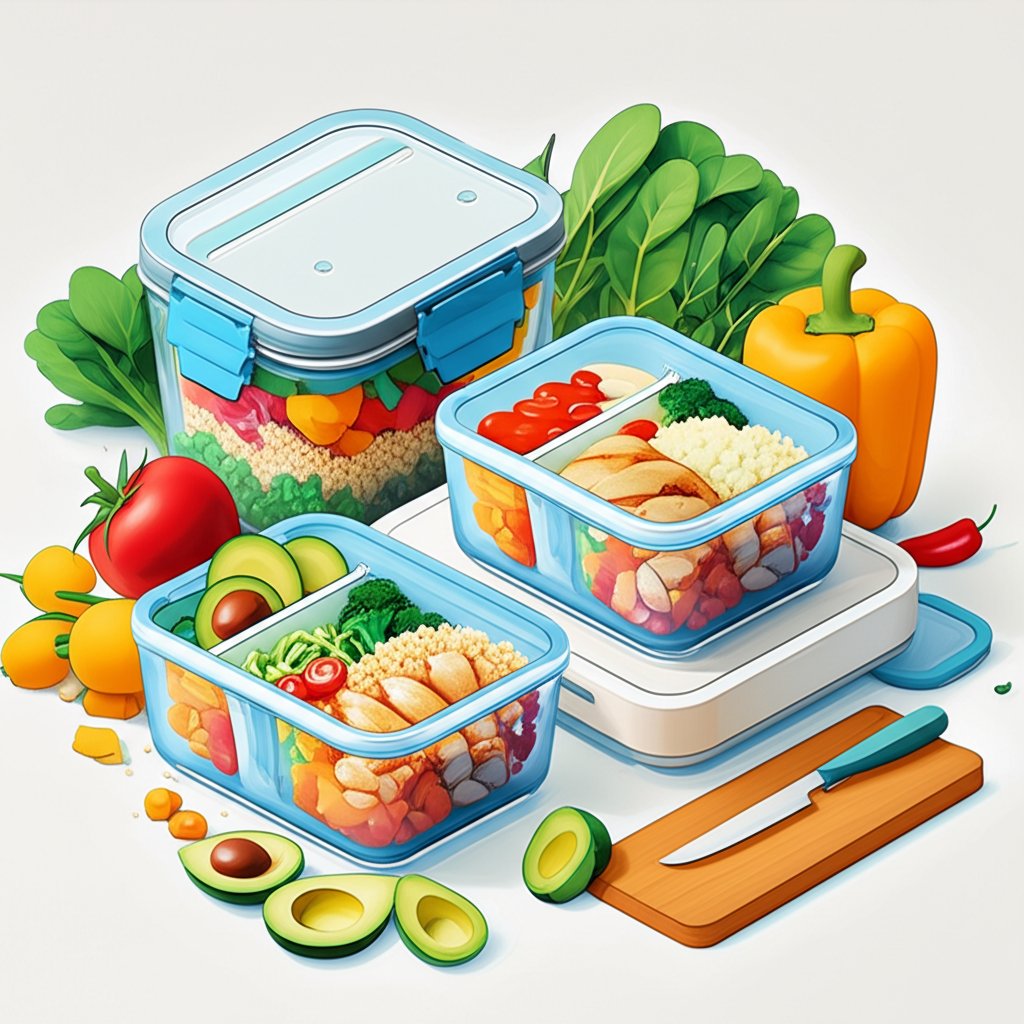
There’s a quiet frustration in a lunch bag that smells of last Tuesday’s reheated salmon, or the horror of discovering your carefully packed Greek salad has dressed the entire contents of your work tote. If you’re tired of stained, smelly plastic and unreliable seals, it’s time to upgrade. The right lunch box containers glass are more than just storage; they are a commitment to fresher, healthier, and leak-free meals.
This isn’t just about avoiding a mess. It’s about preserving the flavor and integrity of the food you spend time preparing, ensuring what you eat is pure, clean, and exactly as you intended.
At a Glance: Your Takeaways
- Understand the Material: Learn why borosilicate glass is the superior choice over standard soda-lime glass for its durability and resistance to temperature changes.
- Master the Leak-Proof Test: Discover the key features of a truly secure lid, focusing on locking clips and silicone gaskets.
- Navigate Safe Usage: Get clear, actionable rules for using glass containers in the microwave, oven, freezer, and dishwasher without risking damage.
- Choose Your Perfect Match: Find the right size and compartment layout to fit your specific meal-prepping style, from hearty salads to portion-controlled bento meals.
- Extend Container Lifespan: Learn the simple care and maintenance tips that keep your glass containers and their seals in prime condition for years.
Why Glass Is a Game-Changer for Meal Prep
Switching to glass isn’t just an aesthetic choice; it’s a functional upgrade that directly impacts the quality of your meals. The primary advantage lies in the material itself. Unlike plastic, which is porous and can absorb odors, colors, and oils over time, high-quality glass provides a pure, inert surface for your food.
The Unseen Purity of Borosilicate Glass
Most premium glass lunch containers are made from borosilicate glass, and for good reason. It’s a type of glass engineered with boron trioxide, which gives it exceptional resistance to thermal shock. This means it can handle rapid temperature changes—like going from the refrigerator to the microwave—without cracking.
Because it’s non-porous, borosilicate glass offers three distinct benefits:
- No Stains: That vibrant turmeric curry or rich tomato sauce won’t leave a permanent, ghostly orange hue. The glass washes completely clean every time.
- No Odors: Lingering smells from garlic, fish, or strong spices become a thing of the past. Your container won’t make today’s fruit salad taste faintly of yesterday’s fajitas.
- Chemical Purity: It’s free from chemicals often found in plastics, such as BPA, PVC, and phthalates. This ensures that nothing leaches into your food, especially when reheating.
This purity and durability form the foundation of a better meal prep system. While the container itself is key, its design is part of a larger framework. Understanding the principles of Eco-friendly glass bento storage helps you appreciate how all the components—from the glass base to the compartment layout—work in concert.
Decoding the “Leak-Proof” Promise
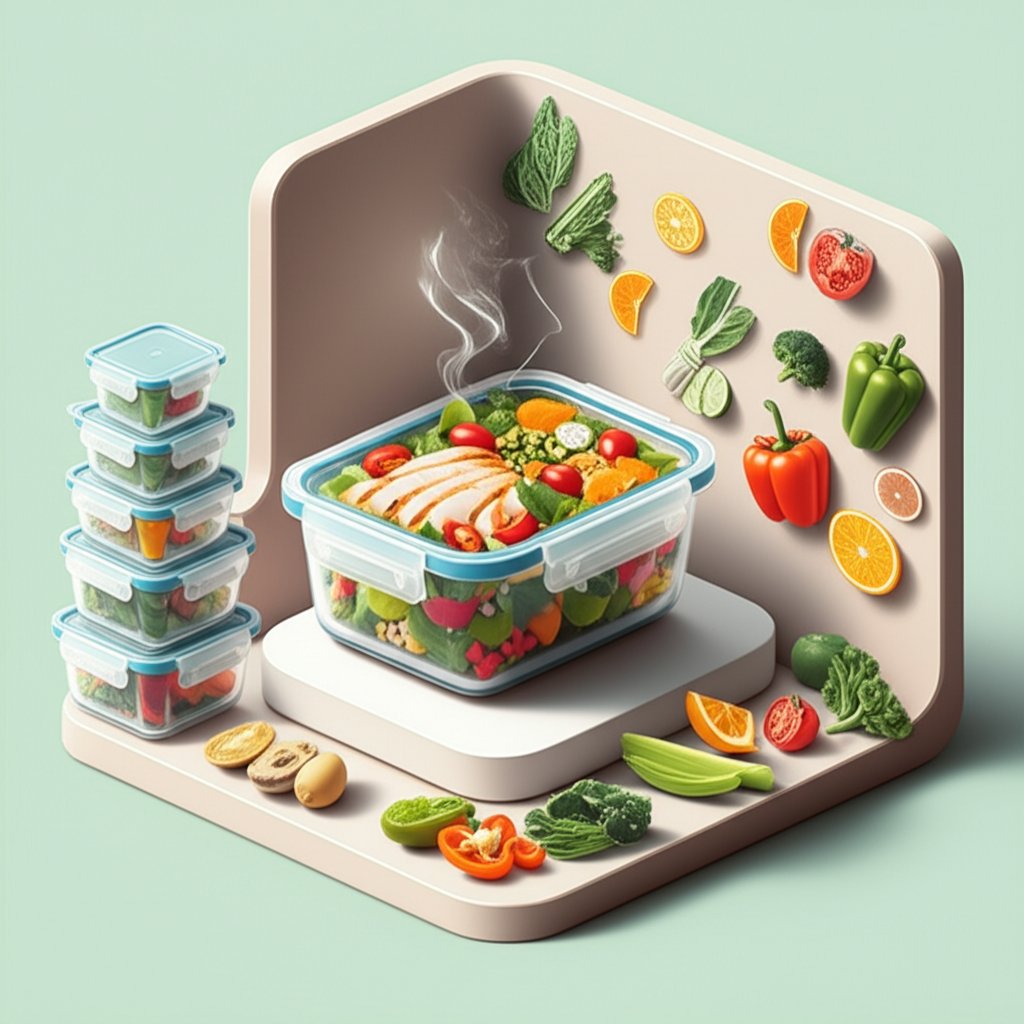
The term “leak-proof” is thrown around a lot, but not all seals are created equal. A truly spill-free commute depends entirely on the design of the lid and how it interacts with the glass base. A poorly designed lid renders even the best glass container useless for anything but solid, dry food.
The Anatomy of a Truly Secure Seal
A genuinely leak-proof seal relies on two critical components working together: locking clips and a silicone gasket.
- Four-Point Locking Clips: Look for lids that have sturdy, snapping clips on all four sides. This design distributes pressure evenly across the lid, creating a consistently tight closure. Two-clip designs are often less reliable and can lead to gaps.
- The Silicone Gasket: This is the real MVP of leak prevention. The flexible silicone ring sits in a groove on the underside of thelid and presses firmly against the glass rim. This creates an airtight barrier that stops liquids—from salad dressing to soup—from escaping.
Pro Tip: When you get a new container, test the seal. Fill it with water, lock the lid, and give it a confident shake over the sink. If it holds, you can trust it with your lunch.
Vented vs. Unvented Lids: A Microwave Showdown
When you microwave food, steam builds up. That pressure needs to escape, or you risk a messy explosion. Lids are designed to manage this in two ways:
- Vented Lids: These feature a small pop-up or slide-to-open vent. This is the most convenient option, as you can leave the lid on (but vented) to prevent splatters while safely releasing steam.
- Unvented Lids: For these, you must unlatch the locking clips before microwaving. This breaks the airtight seal and allows steam to escape from the sides. Never microwave with a fully sealed, unvented lid.
The Practical Playbook: Safely Using Your Glass Containers
One of the biggest advantages of lunch box containers glass is their versatility. They can go from the freezer to the oven to the dishwasher, but you need to follow a few simple rules to prevent damage and ensure safety.
Mastering Temperature Transitions
Remember, the glass base and the plastic lid have different properties and must be treated differently.
| Location | Glass Base | Plastic Lid | Pro-Tip |
|---|---|---|---|
| Microwave | Safe | Safe (with vent open or unlatched) | Prevents messy splatters and ensures even heating. |
| Oven | Safe (up to ~450°F / 232°C) | NEVER SAFE | Always remove the lid. The plastic will melt and can release harmful fumes. |
| Freezer | Safe | Safe | Leave at least one inch of headspace for liquids to expand as they freeze. |
| Dishwasher | Safe (top or bottom rack) | Top-Rack Safe Only | To protect the silicone seal’s integrity, hand-washing the lid is often best. |
| The #1 Pitfall to Avoid: Extreme Thermal Shock | |||
| Even durable borosilicate glass has its limits. Never take a hot glass container directly from the oven or microwave and place it on a wet countertop or run it under cold water. The sudden, extreme temperature change can cause the glass to contract too quickly and shatter. Always let it cool on a dry surface or trivet first. |
Choosing the Right Glass Container for Your Lifestyle

The ideal container depends entirely on what you eat. A one-size-fits-all approach rarely works for meal prep. Consider your typical lunches and choose a design that complements your food.
Compartments vs. Open-Plan: A Meal Prepper’s Dilemma
This is the first decision you need to make. Do you need to keep your food items separate, or do you prefer mixing them?
- Compartmentalized Containers: These are perfect for bento-style meals where components should not mix until you’re ready to eat. A common configuration, like that found in the Bentgo® Glass, might include a large main compartment (around 3 cups/745mL) for a protein and grain, alongside two smaller compartments (around 1 cup/215mL each) for fruit, vegetables, or a sauce.
- Case Snippet: Maria preps grilled salmon, wild rice, and a side of steamed asparagus. A three-compartment container keeps the asparagus crisp and prevents the rice from absorbing excess moisture from the fish.
- Open-Plan (Single Compartment) Containers: These are ideal for soups, stews, large salads, pasta dishes, or curries. They offer maximum flexibility for foods that are meant to be mixed.
- Case Snippet: John’s go-to lunch is a large kale salad with chicken, nuts, and a vinaigrette he adds just before eating. A large, single-compartment container gives him room to toss the salad without making a mess.
Sizing Up Your Appetite: A Quick Volume Guide
Container capacity is usually measured in ounces (oz) or cups. Here’s a simple breakdown to help you choose:
- Small (15–25 oz / ~2–3 cups): Best for snacks like yogurt and berries, side dishes, or a child’s lunch portion.
- Medium (26–41 oz / ~3–5 cups): The sweet spot for most adult lunches. This size comfortably fits a balanced meal with a protein, carb, and vegetable.
- Large (42+ oz / ~5+ cups): Excellent for oversized salads, family-style leftovers, or those with larger appetites.
Before buying, also check the exterior dimensions. A container measuring around 8.7″ x 6.3″ x 2.6″ is a standard lunch size, but you’ll want to ensure it fits in your preferred lunch bag. Some larger glass containers may not be compatible with standard insulated totes.
Quick Answers to Common Glass Container Questions
Q: Are glass lunch containers too heavy to carry?
A: They are noticeably heavier than their plastic counterparts. An average 41 oz glass container weighs about 2 pounds when empty. However, most users find the trade-off in freshness, durability, and health benefits well worth the extra weight. Using a sturdy lunch bag with a comfortable shoulder strap makes transport easy.
Q: Will my glass container break if I drop it?
A: Yes, it is still glass and can break if dropped on a hard surface. While borosilicate glass is more durable than regular glass, it is not shatterproof. For added protection, especially if you have a clumsy commute, look for brands that offer optional silicone sleeves that slide over the container base.
Q: Can I really put it in the oven?
A: Absolutely! The glass base is designed for it. Most borosilicate containers are oven-safe up to 450°F (232°C). This is fantastic for baking small portions of food, like a chicken breast or a mini casserole, directly in the container you’ll take for lunch. Just remember to always remove the plastic lid before it goes anywhere near the oven.
Q: My lid’s silicone seal came out. Is it broken?
A: Not at all. In fact, this is a feature! The removable gasket allows for thorough cleaning, preventing mold or grime from building up in the lid groove. Simply wash it, dry it, and gently press it back into place, ensuring the flat side is facing down against the glass rim for a proper seal.
Your Next Step: Making a Confident Choice
Choosing the right lunch box containers glass boils down to aligning the product’s features with your daily needs. Instead of getting overwhelmed by options, use this simple checklist to guide your decision.
- Assess Your Meals: Start with your food. Are you a “separator” who needs compartments to keep items crisp and distinct? Or are you a “mixer” who needs a single open space for salads, soups, and stews?
- Inspect the Seal: Prioritize lids with four locking clips and a visible, removable silicone gasket. This combination offers the best defense against leaks.
- Confirm the Glass Type: Look for “borosilicate glass” on the packaging or in the product description. This guarantees superior thermal resistance for safe use from freezer to microwave to oven.
- Read the Fine Print: Before you buy, check the specific care instructions. Know the rules for your container’s lid and base to ensure you don’t accidentally damage it in the dishwasher or microwave.
By making a thoughtful choice, you’re not just buying a container. You’re investing in fresher meals, a healthier lifestyle, and a much cleaner lunch bag.

- Mastering Meal Prep Potatoes For Easy Weekday Dinners - March 21, 2026
- Easy Mexican Meal Prep Ideas for Delicious, Healthy Eating - March 20, 2026
- Make Meal Prep Mexican Flavorful and Easy All Week - March 19, 2026