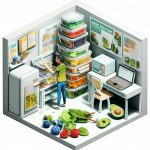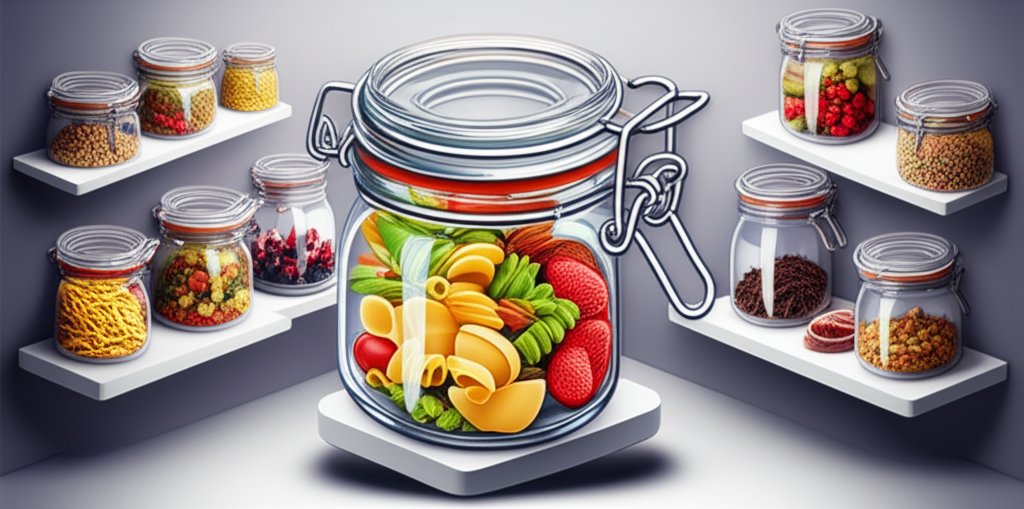
That telltale damp spot spreading across your lunch bag is a feeling of pure defeat. You thought the lid was on tight, but the vinaigrette had other plans. It’s a common frustration that pushes many of us toward a better solution: glass storage containers with glass lids that lock. This isn’t just about preventing leaks; it’s about a fundamental upgrade in how you store, transport, and preserve your food, ensuring what you pack is exactly what you eat.
These containers merge the purity of glass with the security of a modern locking mechanism, creating a system that keeps food fresher, your kitchen more organized, and your mind at ease.
At a Glance: What You’ll Learn
- The Anatomy of a Perfect Seal: Understand how four-sided locking systems and silicone gaskets create a truly airtight and watertight barrier.
- Why Borosilicate Glass is Non-Negotiable: Discover the thermal and physical advantages that make it superior for kitchen use, from freezer to oven.
- Practical Mastery: Actionable tips for meal prepping, storing leftovers, and organizing your fridge to maximize space and freshness.
- Care and Longevity: Simple do’s and don’ts to ensure your containers last for years, performing as well as they did on day one.
- Clearing Up Confusion: Direct answers to common questions about safety, durability, and real-world use.
Beyond Leakproof: The Science of a Secure Seal
The real magic of these containers isn’t just the glass base; it’s the sophisticated engineering of the lid. A simple press-on lid creates a basic barrier, but a locking system creates a fortress. It’s the difference between closing a door and deadbolting it.
The Four-Sided Locking System Explained
Brands like Lock & Lock, pioneers in this space, developed the four-sided locking container to solve the problem of inconsistent seals. Here’s how it works:
- Even Pressure Distribution: Four sturdy latches, one on each side, clamp the lid down with uniform force. This prevents one side from being tighter than another, which is a common failure point for simpler lids.
- The Silicone Gasket: Inside the lid’s rim sits a hollow-cylinder silicone seal. When the latches are closed, this gasket compresses to fill any microscopic gaps, creating a 100% airtight and watertight barrier. It’s this seal that stops both air from getting in and liquids from getting out.
- Engineered Durability: This isn’t a flimsy mechanism. The technology often includes patented designs, like ‘blocking holes,’ that reinforce the hinge points. Top-tier containers are certified for over a million opening and closing cycles, meaning the lock is built to outlast the countless meals it will protect.
A practical example is storing a fragrant curry. In a standard container, the odor can escape and permeate your entire refrigerator. With a four-sided locking lid, the aroma is completely contained, preserving both the curry’s flavor and the neutrality of your fridge.
How an Airtight Seal Preserves Freshness and Flavor
An airtight seal does more than just stop spills. It actively fights the enemies of freshness: oxygen and moisture.
- Slows Oxidation: Oxygen is what causes apple slices to brown and delicate fats in nuts or oils to go rancid. By minimizing air exposure, these containers keep food vibrant and flavorful for longer.
- Prevents Freezer Burn: Freezer burn is dehydration. It happens when moisture is drawn out of food and freezes on the surface. An airtight seal locks moisture in, protecting your frozen meats, soups, and prepped meals.
- Eliminates Odor Contamination: Your leftover salmon won’t make your cheesecake taste fishy. The seal ensures that what’s inside stays inside, and what’s outside stays outside.
Not All Glass Is Created Equal: Borosilicate’s Edge

The base of these premium containers is typically made from borosilicate glass, a material engineered for performance under stress. If you’ve ever had a glass dish shatter from a sudden temperature change, you understand why the type of glass matters. For a full breakdown of what makes this material so resilient, our guide to Borosilicate glass durability and safety covers everything you need to know.
Thermal Shock Resistance: From Freezer to Microwave Safely
The key benefit of borosilicate glass is its low coefficient of thermal expansion. In simple terms, it doesn’t expand or contract much when its temperature changes rapidly.
- Tempered Glass: Can typically withstand a thermal shock of around 120°F. Going from a cold fridge to a hot oven can cause it to shatter violently.
- Borosilicate Glass: Is often rated for a thermal shock of 248°F or more. This is what allows you to take a container of leftovers directly from the freezer and place it in the microwave for reheating without fear of it cracking.
This thermal stability makes your workflow in the kitchen seamless. You can prep meals, freeze them, and reheat them in the same container, saving time and reducing the number of dishes you need to wash. Just remember to always remove the locking lid before placing the glass dish in the oven or microwave.
Durability and a Safer Break
While no glass is indestructible, borosilicate is more resistant to chips and cracks from everyday bumps than standard soda-lime or tempered glass. According to manufacturers, it’s designed to be more shatterproof than tempered glass.
Furthermore, if it does break from a significant physical impact, it tends to crack into larger, more manageable pieces rather than shattering into a thousand tiny, dangerous shards. This makes cleanup safer and less stressful.
Resisting Stains and Odors for Life
Glass is non-porous. This is a huge advantage over plastic, which can absorb the colors and smells of food over time. That tomato sauce that permanently stained your old plastic tub? It will wipe clean from a borosilicate glass container without a trace. The same goes for garlic, onions, and strong spices. Your container will look and smell fresh after every wash, ensuring that yesterday’s lunch doesn’t haunt today’s meal.
Your Practical Guide to Using Locking Glass Containers

Knowing the features is one thing; using them to make your life easier is another. Here’s how to put these containers to work.
Meal Prepping Like a Pro
Imagine it’s Sunday, and you’re prepping lunches for the week. You grill some chicken, roast some broccoli, and cook a batch of quinoa.
- Scenario: Instead of mixing everything into one large container where it gets soggy, you use three separate locking glass containers.
- Day 1: The meal is perfectly fresh.
- Day 3: The broccoli is still crisp, not mushy. The quinoa hasn’t absorbed excess moisture from the other ingredients. The chicken tastes just as good as it did on Sunday.
- The Benefit: The airtight seal prevented moisture transfer and oxidation, preserving the distinct texture and flavor of each component. At lunchtime, you can reheat the chicken and quinoa in their container while keeping the broccoli separate if you prefer it cool.
The Art of Stacking and Storing
These containers are almost always designed with space efficiency in mind. Their uniform shapes and flat lids with slightly raised edges allow for stable, secure stacking.
- In the Fridge: Create neat, visible stacks of leftovers or prepped meals. No more playing “fridge Jenga” with mismatched containers.
- In the Pantry: Store dry goods like lentils, nuts, or coffee beans. The airtight seal will protect them from humidity and pests while keeping your shelves tidy.
- In the Freezer: Stack pre-portioned soups, stews, or sauces. The clear glass lets you see exactly what’s inside without having to open every container.
Care and Maintenance for a Lifetime of Use
To get the most out of your investment, follow these simple best practices.
| Do | Don’t |
|---|---|
| Wash before first use. | Put the plastic lid in the oven or under a broiler. |
| Remove the lid before microwaving or oven use. | Use abrasive scrubbers or harsh chemicals on the glass. |
| Allow hot glass to cool before washing or freezing. | Go directly from a hot oven to a cold countertop or sink. |
| Periodically remove the silicone seal for thorough cleaning. | Close all four locks when microwaving (can build up pressure). |
| Ensure the seal and lid rim are dry before storing. | Ignore a damaged or stretched silicone seal (replace if possible). |
Answering Your Top Questions
Let’s tackle some of the most common questions and misconceptions about glass storage containers with locking lids.
> Are the plastic locking lids really safe?
Yes. The lids used by reputable brands are made from BPA-free polypropylene. This plastic is stable, durable, and considered safe for food contact. The key is to use it as intended: it’s for sealing and storing, not for cooking. Never place the plastic lid in a conventional oven, toaster oven, or under a broiler.
> Can you actually go from the freezer to the microwave?
With high-quality borosilicate glass, absolutely. This is one of its main selling points. The material’s ability to withstand rapid temperature changes (high thermal shock resistance) is what makes this possible. It’s a game-changer for anyone who freezes leftovers and needs a quick, safe way to reheat them.
> What makes these so different from cheaper glass containers with simple plastic lids?
There are two primary differences:
- The Seal: A simple press-on lid is rarely airtight or leakproof. The four-sided locking mechanism provides a guaranteed, verifiable seal that preserves food better and prevents any and all spills.
- The Glass: Cheaper containers often use tempered or even basic soda-lime glass. These are far more susceptible to thermal shock and may not be oven-safe. The borosilicate glass in premium containers offers superior safety and versatility.
> I’ve seen some lids that are all different colors. Why?
This is often a sign of an eco-conscious manufacturing process. For example, Lock & Lock’s “Eco Ovenglass” line uses lids made from leftover plastic from their main production runs. By repurposing this material, they reduce waste. The result is a variety of unique, often marbled, lid colors, making each piece slightly different.
Making the Right Choice for Your Kitchen
Switching to glass storage containers with glass lids that lock is more than just an organizational upgrade—it’s an investment in food quality, safety, and peace of mind. You’re choosing a system that actively works to keep your food fresh and your kitchen running smoothly.
Choose this container system if you:
- Demand a 100% Leakproof Guarantee: For carrying soups, stews, and dressings in your bag without a second thought.
- Value Versatility: You want a single container that can go from the freezer to the microwave to the dishwasher.
- Hate Food Waste: The airtight seal extends the life of your leftovers and produce, saving you money.
- Prioritize a Clean, Organized Fridge: The stackable design brings order to chaos and makes finding what you need effortless.
By opting for a durable, reusable, and highly functional storage solution, you’re not just buying a container; you’re adopting a smarter way to manage your meals.

- Make Meal Prep Mexican Flavorful and Easy All Week - March 19, 2026
- Easy Meal Prep Mexican Food Recipes to Spice Up Your Week - March 18, 2026
- Easy College Meal Prep Recipes for Affordable Student Meals - March 17, 2026