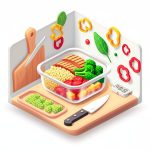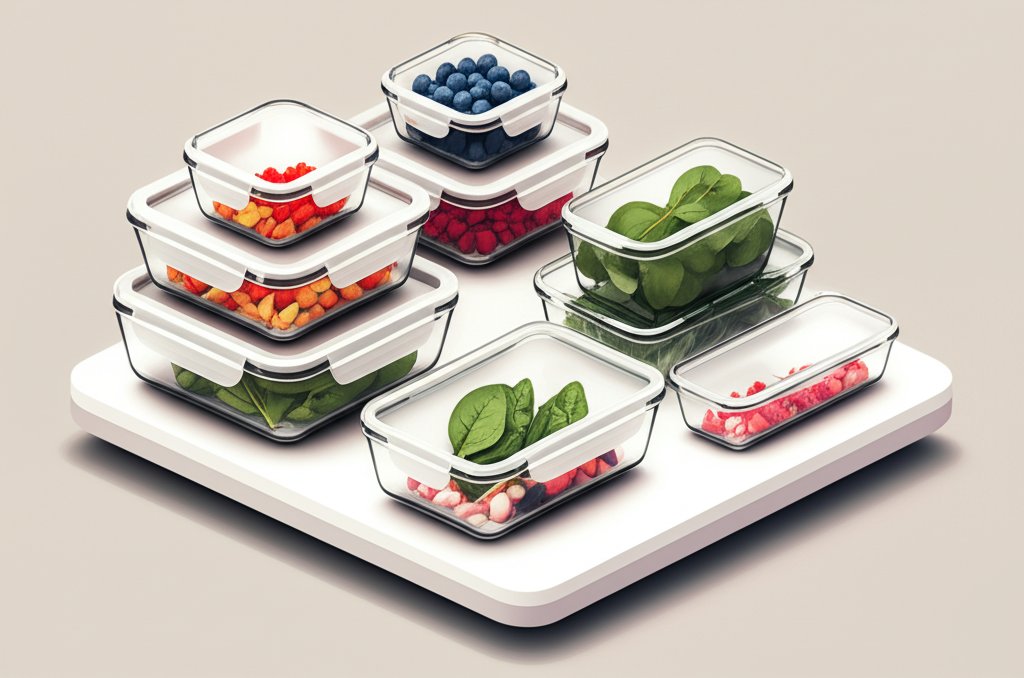
Tired of playing that frustrating game of “fridge Tetris” every time you put away leftovers? The jumble of mismatched round containers and plastic tubs creates dead space and hides food until it’s too late. High-quality glass rectangular storage containers are the solution, transforming cluttered shelves into models of efficiency and making meal prep a streamlined, stress-free process. Their uniform shape eliminates wasted space, allowing you to stack, store, and see everything at a glance.
This isn’t just about tidiness. It’s about creating a system that saves you time, reduces food waste, and supports a healthier lifestyle—all with a single, durable tool.
At a Glance: What You’ll Master
- Maximize Every Inch: Understand why the rectangular shape is superior for stacking and organizing in fridges, freezers, and pantries.
- Select the Perfect Set: Get a practical guide to choosing the right sizes and lid types for your specific needs, from snacks to family-sized casseroles.
- The Cook-and-Store Workflow: Learn how borosilicate glass lets you prep, bake, serve, and store all in one dish, saving on cleanup.
- Avoid Common Pitfalls: Discover best practices for care, from proper lid sealing to avoiding thermal shock with lesser-quality glass.
- Make an Informed Decision: Get clear, actionable advice to confidently pick the containers that will serve your kitchen for years.
The Geometric Advantage: Why Rectangles Rule the Kitchen
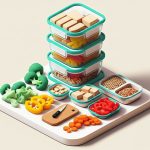
The primary appeal of glass rectangular storage containers lies in simple geometry. Unlike round or oval dishes that create awkward, unusable gaps, rectangles fit together flush. This design has a cascading effect on your entire kitchen organization system.
Think about a standard refrigerator shelf. You can line up three or four medium-sized rectangular containers side-by-side, filling the entire depth and width of the shelf. Try that with round containers, and you’re left with crescent-shaped dead zones between each one. This efficiency is a game-changer for anyone serious about meal prepping or storing leftovers from large family meals.
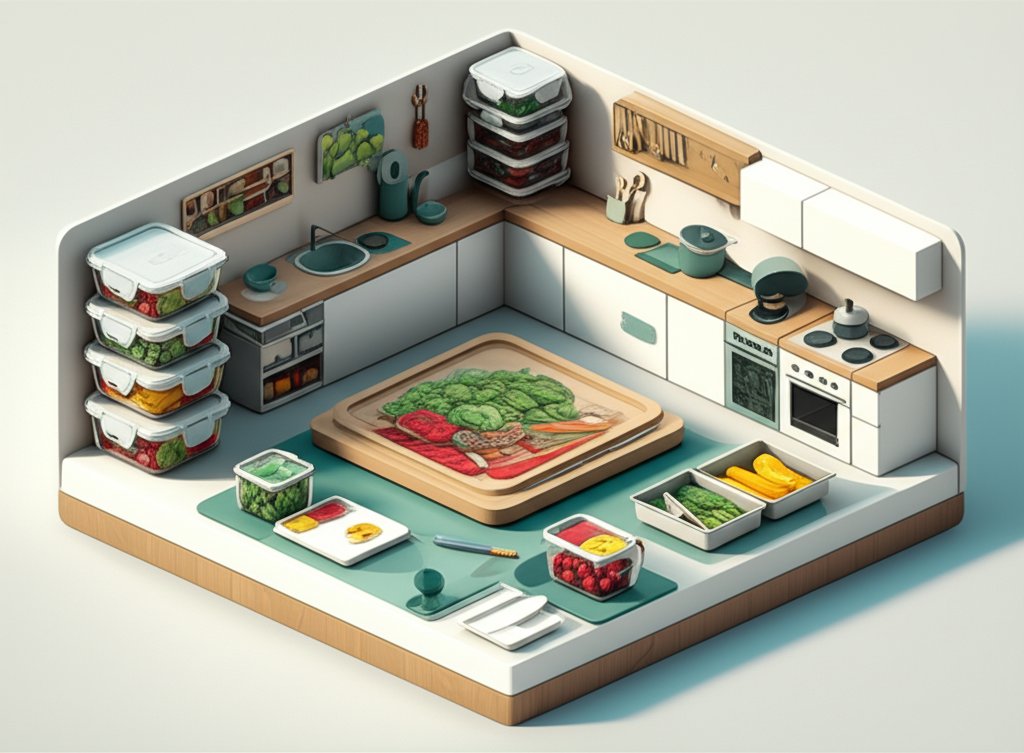
Real-World Scenario: A meal prepper prepares five lunches for the work week—grilled chicken, roasted broccoli, and quinoa. Using five identical 30-ounce rectangular glass containers, they can stack them neatly in two columns on a single shelf. The entire week’s worth of food takes up a predictable, compact footprint. With round containers, the same five meals would sprawl across the shelf, likely requiring a second shelf and making it harder to grab Monday’s lunch without unstacking Wednesday’s.
Decoding the Material: Not All Glass Is Created Equal
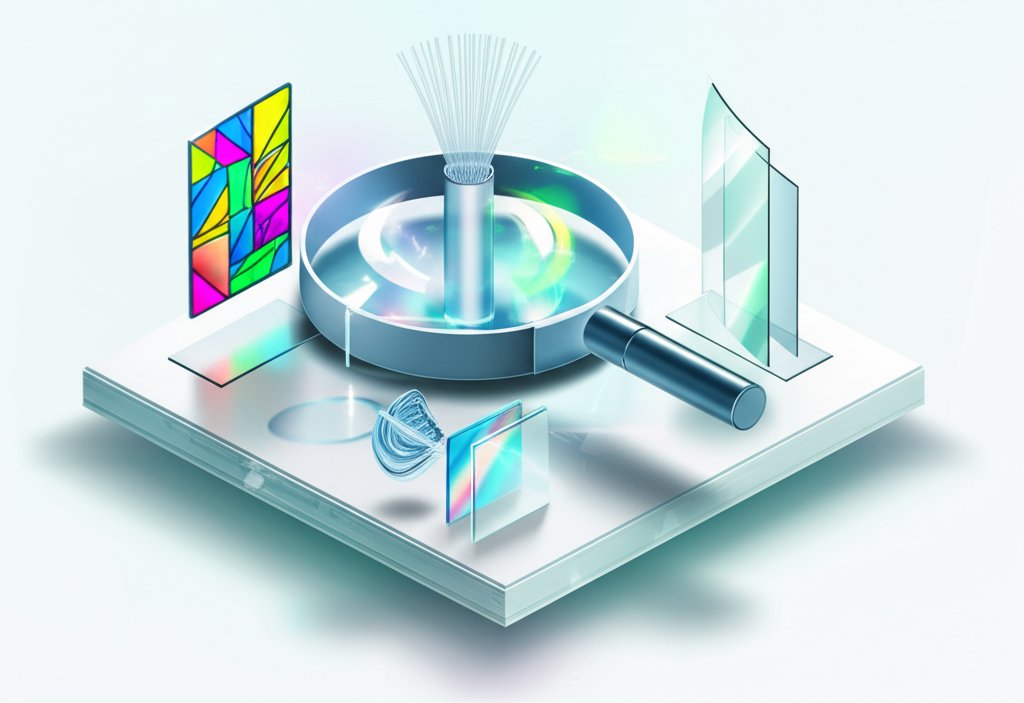
When choosing your containers, the type of glass is the single most important factor for safety and durability. Most high-quality glass rectangular food storage containers are made from borosilicate glass, and for good reason. It’s a superior material engineered for the rigors of a modern kitchen. For a comprehensive look at what makes this material special, our Borosilicate Glass Storage Guide provides an in-depth analysis.
Here’s the essential breakdown:
- Borosilicate Glass: This is the star player. It contains boron trioxide, which gives it a very low coefficient of thermal expansion. In plain English: It can withstand rapid temperature changes without cracking. You can take a dish from the refrigerator and place it in a preheated oven without fear. This thermal shock resistance is what makes it ideal for the prep-cook-store workflow.
- Soda-Lime Glass: This is the standard glass used for drinking glasses, jars, and some cheaper bakeware. It’s perfectly fine for storing food at stable temperatures, but it’s brittle and highly susceptible to cracking when exposed to sudden temperature shifts. Moving it from a cold environment to a hot one can cause it to shatter.
For a tool you intend to use for baking, freezing, and reheating, always opt for borosilicate. The product description should state it clearly. If it doesn’t, assume it’s soda-lime glass and treat it with much more caution.
Your Playbook for Choosing and Using Rectangular Containers
Making the switch is easy, but a little strategy ensures you get the most out of your investment. Focus on sizes, lids, and workflow.
Step 1: Audit Your Needs and Choose Your Sizes
Don’t just buy a massive 20-piece set. Start by identifying your most common storage tasks. A well-curated collection is more useful than a cupboard full of unused sizes.
| Container Size | Common Uses & Examples |
|---|---|
| Small (1-2 Cups) | Sauces, dressings, leftover chopped onion, single-serving snacks (nuts, berries). |
| Medium (3-5 Cups) | The workhorse. Perfect for individual meal-prepped lunches, side dishes, leftovers. |
| Large (6-11 Cups) | Marinating chicken breasts, storing a family-sized portion of lasagna, baking casseroles. |
| Extra-Large (12+ Cups) | Ideal for large-batch cooking, brining meats, or storing entire baked dishes. |
| Starter Kit Recommendation: For most households, a great starting point is a set of four medium containers (around 30-35 oz) and two large containers (around 60-70 oz). This covers daily lunches and storing leftovers from dinner. You can add smaller or specialized sizes as you identify a specific need. |
Step 2: Master the Lid Game
The container is only half the equation; the lid determines its portability and airtightness.
- Snap-Lock Lids (with Gasket): These are the most popular for a reason. The four-sided locking tabs create a tight, compressive seal against a silicone gasket. This makes them virtually leakproof, perfect for taking soups or saucy dishes to work.
- Pro: Excellent seal, very secure.
- Con: The tabs can be a point of failure over time; gaskets require occasional removal for deep cleaning.
- Press-On Silicone Lids: These offer a simple, minimalist seal. They are great for at-home storage but are not reliable for transport.
- Pro: Easy to clean, no moving parts.
- Con: Not leakproof, can pop off if contents are hot and create steam.
- Bamboo or Wood Lids: Aesthetically pleasing and popular for pantry storage of dry goods like pasta, flour, or coffee.
- Pro: Beautiful, plastic-free, great for pantry organization.
- Con: Not airtight or leakproof, requires hand-washing, not for freezer or microwave use.
Expert Tip: To extend the life of your snap-lock lids, always wash them on the top rack of the dishwasher, or better yet, by hand. High-heat drying cycles can warp the plastic and compromise the silicone gasket over time.
Step 3: Embrace the “One-Dish” Workflow
This is where glass rectangular storage containers truly shine and justify their cost.
- Prep: Marinate chicken thighs directly in a large rectangular container in the fridge. The non-porous glass won’t absorb odors or flavors like plastic.
- Cook: Remove the lid and place the entire glass dish into the preheated oven. The borosilicate glass handles the heat perfectly.
- Serve: Take the dish directly from the oven to the dinner table. It functions as a clean, simple serving vessel.
- Store: Once it has cooled slightly, snap on the lid and place the leftovers directly back into the fridge. No extra pots or pans to wash.
This seamless process reduces your cleanup time significantly and streamlines your entire cooking routine.
Quick Answers to Common Questions
Getting straight to the point on frequent uncertainties can help you use your containers with confidence.
Q: Are the plastic lids oven or microwave safe?
A: Almost never. The glass base is designed for heat, but the lids are not. Always remove the lid before placing the container in the oven. For the microwave, it’s safest to remove the lid and cover the container with a paper towel. Some lids are “microwave-safe” for venting, but placing them on loosely is key to prevent pressure buildup.
Q: Why did my glass container crack?
A: If it’s a high-quality borosilicate container, the most common culprit is not thermal shock, but mechanical shock or a hidden flaw. A sharp knock against a granite countertop or a drop in the sink can create a microscopic fracture that may fail later under heat stress. The other possibility is that the container was made of soda-lime glass, which cannot handle abrupt temperature changes.
Q: How do I get rid of stains or smells in the lid’s gasket?
A: The silicone gasket is the most likely part to retain odors from foods like curry or tomato sauce. Carefully pry the gasket out of its channel in the lid using a dull utensil. Soak it in a solution of warm water and white vinegar or baking soda for an hour. Scrub gently, rinse thoroughly, and ensure it’s completely dry before re-inserting it.
Q: Are glass rectangular storage containers heavy?
A: Yes, they are heavier and bulkier than their plastic counterparts. This is a trade-off for their durability, safety, and performance. While they might add weight to a lunch bag, their benefits in the kitchen—from non-toxic storage to oven-safe cooking—far outweigh this inconvenience for most people.
Your First Step to an Organized Kitchen
Stop shuffling and start stacking. The clarity and order that glass rectangular storage containers bring to a kitchen are transformative. They aren’t just containers; they are a system for saving time, reducing waste, and making your daily routines smoother.
If you’re ready to make a change, start small. Buy a single pair of medium-sized rectangular containers. Use them for this week’s lunches or to store the leftovers from your next meal. See how perfectly they fit in your fridge, how easy they are to clean, and how much better your food tastes. That simple, successful experience is the best motivation for building a collection that will serve you well for years to come.

- Healthy Meal Prep Bowls For Delicious And Easy Weekday Meals - April 10, 2026
- Healthy Meal Prep Protein Bowls for Quick Weekday Meals - April 9, 2026
- Best Meal Prep Bowls For Quick, Healthy, And Flavorful Meals - April 8, 2026