For the bigger picture and full context, make sure you read our main guide on Bento Box Glass Offers Practical, Eco-Friendly Meal Storage.
That sad, stained plastic container in your work fridge tells a story—a ghost of lunches past, from last week’s curry to yesterday’s tomato soup. It’s a story many of us know well. Switching to glass bento containers isn’t just an upgrade; it’s a complete rewrite of your meal prep routine, transforming it from a chore into a clean, healthy, and surprisingly satisfying experience. They offer a pure, versatile, and sustainable way to carry the food you love.
This isn’t just about a prettier lunchbox. It’s about food that tastes the way it’s supposed to, a healthier way to heat and store meals, and a durable system that simplifies your life from the kitchen to the office.
At a Glance: What You’ll Learn
- The Core Benefits: Understand why glass is a superior material for food in terms of taste, health, and environmental impact.
- Key Features to Demand: Discover the non-negotiable features of a great glass bento, from leak-proof lids to oven-safe materials.
- Choosing Your Perfect Match: Learn how to select the right size and compartment layout for your specific eating habits.
- Practical Use and Care: Get actionable tips for packing, carrying, and maintaining your containers to make them last a lifetime.
- Common Concerns Addressed: Find clear answers to questions about weight, durability, and safety.
The Unbeatable Benefits of Choosing Glass for Your Bento
Moving away from plastic is a significant first step, but understanding the specific advantages of glass helps clarify why it’s the preferred choice for so many meal preppers. The benefits go far beyond aesthetics. While the basics are covered in Our glass bento box guide, let’s dive deeper into what makes these containers a game-changer for your daily routine.
Purity of Flavor: No More Ghost Tastes
Plastic is porous. Over time, it absorbs the colors, odors, and even flavors of the food it holds. That’s why your yogurt sometimes has a faint hint of last Tuesday’s chili.
Glass, on the other hand, is non-porous and inert. This means it creates a completely neutral environment for your food. Your crisp apple slices won’t taste like the garlic chicken in the next compartment. Every meal tastes exactly as you intended, fresh and clean.
Health and Safety First: A Non-Toxic Choice
Concerns about chemicals like BPA and phthalates leaching from plastic containers, especially when heated, are well-founded. While many plastics are now “BPA-free,” other potentially harmful compounds can still be a concern.
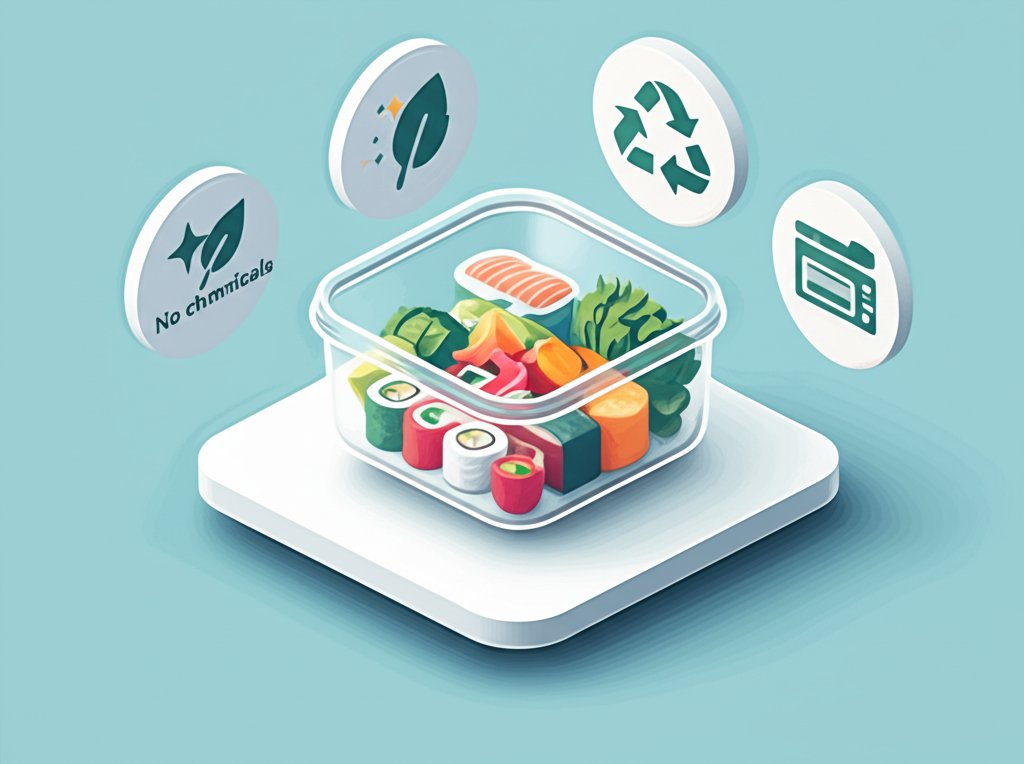
Glass provides total peace of mind. It contains no synthetic chemicals that can migrate into your food. You can store, microwave, or even bake in the same glass container without worrying about what you’re a_ctually_ eating. It’s the cleanest possible way to store a meal.
From Fridge to Oven: Unmatched Versatility
This is where glass bento containers truly outshine the competition. A single high-quality glass container can often go from the freezer to the refrigerator, into the microwave, and even into a preheated oven (always without the lid).
Imagine this workflow: you prep a small lasagna on Sunday directly in your glass bento, store it in the fridge, and then heat it in the office microwave on Tuesday. For a home-cooked lunch, you could even bake it in the oven. This one-vessel convenience drastically reduces cleanup and streamlines your entire meal process.
A Clear View of Your Meal Prep
It sounds simple, but the transparency of glass has a practical benefit. You can see exactly what you have in the fridge at a glance, making you more likely to eat your prepped meals before they go bad. This clarity helps reduce food waste and makes grabbing the right lunch on a busy morning effortless.
Not All Glass Bentos Are Created Equal: A Buyer’s Checklist
Once you’re sold on the idea of glass, the next step is choosing the right one. The market is full of options, but a few key features separate the truly great glass bento containers from the merely adequate.
The Lid: Your First Line of Defense Against Spills
The lid is arguably the most critical component. A faulty lid renders the entire container useless for transport.
- Locking Mechanism: Look for lids with four locking “snap-down” clips, one on each side. This design provides even pressure across the seal, creating a far more secure and airtight closure than a simple press-on lid.
- The Gasket: The best lids have a removable silicone gasket (the rubbery ring inside the lid’s groove). This is what creates the leak-proof seal. A well-designed gasket is thick, fits snugly, and can be easily removed for cleaning to prevent mold growth.
- Microwave Vent: A small, pop-up vent on the lid is a fantastic feature. It allows you to microwave your food with the lid on (but unlatched) to prevent splatters, while still allowing steam to escape.
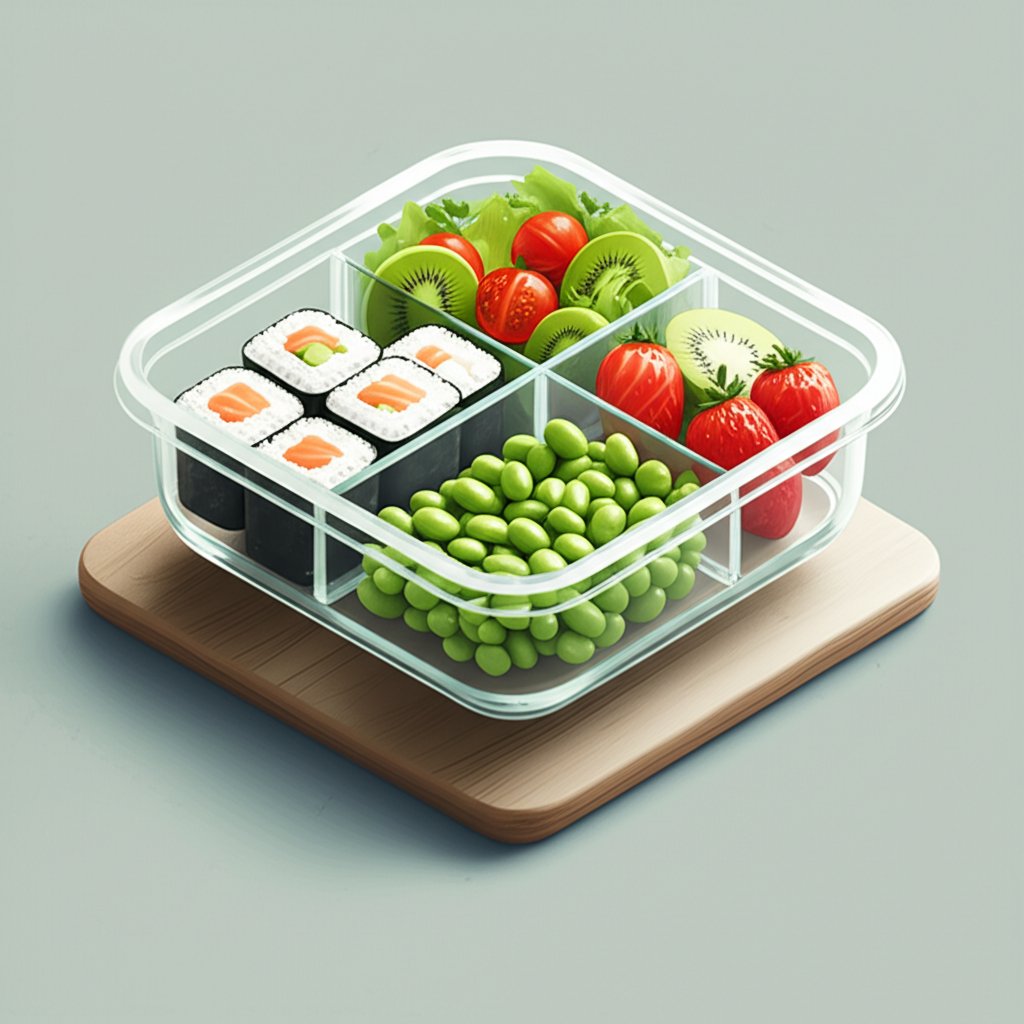
Compartments: The Art of Meal Separation
The “bento” aspect comes alive with compartments. They allow you to pack a diverse, appealing meal without everything mushing together.
| Compartment Style | Best For | Example Meal |
|---|---|---|
| 1 Compartment | Soups, stews, large salads, pasta dishes, and single-item leftovers. | A generous portion of beef stew or a large quinoa salad. |
| 2 Compartments | A classic main and a side. Keeps a wet item from a dry one. | Grilled chicken breast with a side of roasted broccoli and carrots. |
| 3 Compartments | A balanced meal: protein, grain, and vegetable. | Salmon fillet, brown rice, and steamed asparagus. |
| 4+ Compartments | “Snack box” style meals or lunches with multiple small, distinct elements. | Hummus, pita wedges, cucumber slices, and a handful of olives. |
The Glass Itself: Borosilicate vs. Soda-Lime
You’ll encounter two main types of glass in these containers:
- Borosilicate Glass: This is the gold standard. It’s engineered to be highly resistant to thermal shock, meaning it can handle rapid temperature changes without cracking. This is the type of glass used in scientific lab equipment and original PYREX cookware. If you plan on going from the fridge to the microwave or oven, borosilicate is the safest choice.
- Soda-Lime Glass: This is the standard, everyday glass used for things like drinking glasses and jars. It’s strong and durable for general use and storage, but it’s more vulnerable to shattering if exposed to a sudden, extreme temperature shift.
Most reputable brands will clearly state if their containers are made of borosilicate glass. It’s a key selling point worth looking for.
Size and Shape: Matching the Container to Your Appetite
Glass bento containers typically range from about 20 to 40 ounces (oz).
- 20-28 oz: Ideal for smaller appetites, snacks, or a light lunch.
- 30-36 oz: The sweet spot for an average-sized, satisfying lunch.
- 37+ oz: Best for large portions, big salads, or those with hearty appetites.
Rectangular containers are generally more space-efficient for stacking in the fridge and packing in a lunch bag. Round containers are great for salads and soups, but can be less efficient to store.
From Meal Prep Sunday to Friday Lunch: A Weekly Workflow
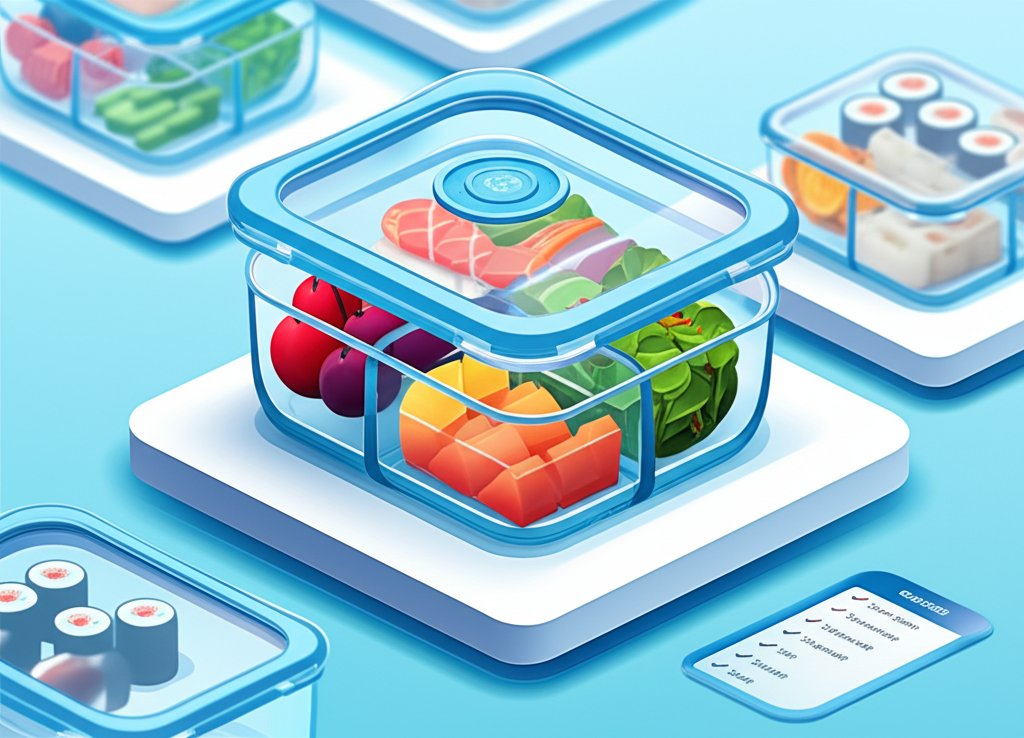
Owning the perfect glass bento is one thing; using it effectively is another. Here’s a practical guide to incorporating it into your life.
Smart Packing Strategies to Prevent Sogginess
The key to a great packed lunch is texture. Compartments help, but a smart packing order is crucial.
- Sauces Go First (or Separate): For salads, put the dressing at the very bottom of a compartment. For other dishes, consider a tiny, separate lidded container for sauces and dressings.
- Build a Barrier: Layer hardier ingredients on top of anything wet. Place grains, pasta, or proteins on top of the dressing.
- Lighter Items on Top: Add roasted vegetables, cheeses, or other mid-weight ingredients next.
- Protect the Delicate: The most delicate ingredients go on last. Pack leafy greens, nuts, seeds, croutons, or fresh herbs right at the top, or even in their own compartment, to keep them from getting crushed or wilted.
Real-World Example: Packing a deconstructed burrito bowl. In a 3-compartment container, put your seasoned rice and black beans in the largest section. In the second, place your grilled chicken or steak. In the third, put your delicate toppings: shredded lettuce, cheese, and a small silicone cup holding your salsa or guacamole. Everything stays distinct and fresh until you’re ready to combine and eat.
Handling with Care: Debunking the Breakability Myth
Let’s address the main concern: weight and fragility. Yes, glass is heavier and more breakable than plastic. But with a bit of mindfulness, it’s a non-issue.
- Invest in a Good Bag: Use a structured, insulated lunch bag that offers some padding. Avoid just tossing the container into a cavernous tote bag where it can bang against other items.
- Smart Stacking: When storing in the fridge, avoid stacking heavy pots or other items directly on the plastic lids, which can cause them to crack over time. Stack glass containers with each other.
- Mind the Temp: The biggest risk is thermal shock. Never take a container directly from the freezer and place it in a hot oven. Let it thaw in the fridge or sit on the counter for 30 minutes first. Likewise, don’t submerge a hot glass container in cold sink water.
Cleaning and Maintenance for a Lifetime of Use
Proper care ensures your glass bento containers will last for years.
- Dishwasher Safe (Usually): The glass base is almost always dishwasher safe. For the lids, it’s best to place them on the top rack to prevent the high heat of the drying element from warping the plastic or damaging the seal.
- Deep Clean the Gasket: About once a week, use a butter knife or your fingernail to carefully pry the silicone gasket out of the lid. Wash it and the lid’s groove with soap and water to remove any trapped food particles and prevent mold. Let it dry completely before reinserting it.
- Banish Stains Naturally: If you ever get a stubborn stain (like from turmeric or a rich tomato sauce), a simple paste of baking soda and water, left to sit for an hour before scrubbing, will usually lift it right out.
Answering Your Top Questions About Glass Bento Containers
Here are quick, direct answers to the most common questions and concerns we hear.
Are glass bento containers truly leak-proof?
High-quality ones are. The combination of a four-sided locking lid and a tight-fitting silicone gasket creates an airtight and leak-proof seal you can trust with saucy dishes. Always check that the brand specifically advertises this feature.
Aren’t they too heavy to carry around every day?
They are heavier than plastic, typically weighing between 1.5 to 2.5 pounds when empty. For most people, this is a manageable trade-off for the health and performance benefits. A well-designed lunch bag with a comfortable shoulder strap makes the weight much less noticeable.
Can I put the glass container in the oven?
Most borosilicate glass bases are oven-safe, usually up to 400°F (200°C). However, you must always check the manufacturer’s specific instructions. The plastic lid should never go in the oven.
How do I prevent the glass from shattering from temperature changes?
Avoid extreme, sudden changes. Don’t go directly from freezer to hot oven or from a hot oven to a cold water bath. Allowing the glass to temper on the countertop for a bit before a drastic temperature change is the safest practice.
What’s the best way to pack liquids like soup?
While a good glass bento can handle a thick stew, for thin, brothy soups, a dedicated insulated thermos or a glass jar with a screw-top lid is a more secure and specialized tool for the job. Use your bento for meals, and a thermos for purely liquid lunches.
Making the Switch: Your First Step to a Better Packed Lunch
Switching to glass bento containers is one of the most impactful changes you can make to your daily meal routine. It elevates the experience, protects your health, and delivers a better-tasting lunch.
Ready to choose your first one? Here’s a quick-start decision guide:
- Assess Your Typical Lunch: Are you a leftovers person or a composed-meal packer? This will determine your ideal compartment number. Start with a versatile 2 or 3-compartment model if you’re unsure.
- Prioritize the Lid: Don’t compromise here. Insist on a lid with four locking clips and a removable silicone gasket. Check reviews for comments on its leak-proof performance.
- Verify the Glass Type: Look for “borosilicate glass” on the packaging or description. This ensures maximum durability and versatility, especially if you plan to microwave or bake in it.
By investing in the right container, you’re not just buying a box for your food. You’re adopting a system that makes healthy eating easier, more enjoyable, and infinitely cleaner.

- Easy Mexican Meal Prep Ideas for Delicious, Healthy Eating - March 20, 2026
- Make Meal Prep Mexican Flavorful and Easy All Week - March 19, 2026
- Easy Meal Prep Mexican Food Recipes to Spice Up Your Week - March 18, 2026