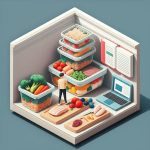
That Sunday evening scramble to get lunches ready for the week can feel like chaos. You’re juggling mismatched plastic containers, lids that won’t snap shut, and the faint, lingering smell of last Tuesday’s spaghetti. Switching to glass bento box containers transforms this weekly chore into a streamlined, satisfying system. Their durability, built-in portion control, and incredible versatility are a game-changer for anyone serious about meal prepping.
At a Glance: Your Meal Prep Upgrade
- Master Batch Cooking: Learn a simple workflow to cook once and enjoy healthy, perfectly portioned meals all week.
- End Food Contamination: See why non-porous glass beats plastic for preventing stains, smells, and flavor transfer.
- Go From Freezer to Oven: Understand how thermal shock-resistant glass allows you to heat meals directly, saving time and dishes.
- Choose Your Perfect Container: Get clear guidance on picking the right size and compartment layout for your specific dietary goals.
- Preserve Your Investment: Discover simple care tips to keep your lids airtight and leak-proof for years.
From Stained and Warped to Clean and Lasting
The most immediate upgrade you’ll notice when switching from plastic is the sheer quality and resilience of glass. It solves the most common frustrations that plague meal preppers, creating a more enjoyable and efficient process.
No More Ghost of Meals Past
Ever open a plastic container and get a whiff of garlic, curry, or tomato sauce from a meal you ate days ago? Plastic is porous, meaning it absorbs odors and stains over time. That vibrant turmeric chicken dish can permanently dye your container yellow.
Glass, particularly the borosilicate type used in high-quality bento boxes, is non-porous. It doesn’t hold onto anything. You can store a spicy curry one day and a delicate fruit salad the next with a simple wash in between. There’s no flavor transfer and no discoloration, ensuring every meal tastes exactly as it should.
A One-Time Investment in Durability
Think about how many plastic food containers you’ve thrown away. They warp in the dishwasher, get scratched by forks, melt in the microwave, and eventually become brittle and crack. This cycle is both wasteful and expensive.
Glass bento box containers are built for the long haul. They are highly resistant to scratches and will never warp from heat. A set of quality glass containers can last for many years, making them a more sustainable and cost-effective choice. The initial investment pays for itself by eliminating the need for constant replacements.
The Purity and Peace of Mind
Heating food in plastic can be a source of concern for many, as some plastics may leach chemicals like BPA or phthalates when warmed. While many plastics are now certified BPA-free, glass offers complete peace of mind. It’s a pure, inert material that releases nothing into your food, whether it’s being microwaved, baked, or frozen.
This focus on health and material safety is a core reason people transition to glass. Beyond just meal prep convenience, the health and environmental benefits are a major draw. You can Explore glass bento meal storage to get the full picture of its practical and eco-friendly advantages.
Streamline Your Sunday: The Glass Bento Prep Workflow

Using glass containers isn’t just about swapping materials; it’s about adopting a more intelligent workflow. Their features are designed to make the entire process—from cooking to storing to eating—smoother and more organized.
Step 1: Plan Your Menu Around Your Compartments
Instead of just cooking a big batch of food and hoping it fits, let the compartments guide your plan. This simple shift encourages balanced meals.
- Scenario: You have a three-compartment container.
- Your Plan:
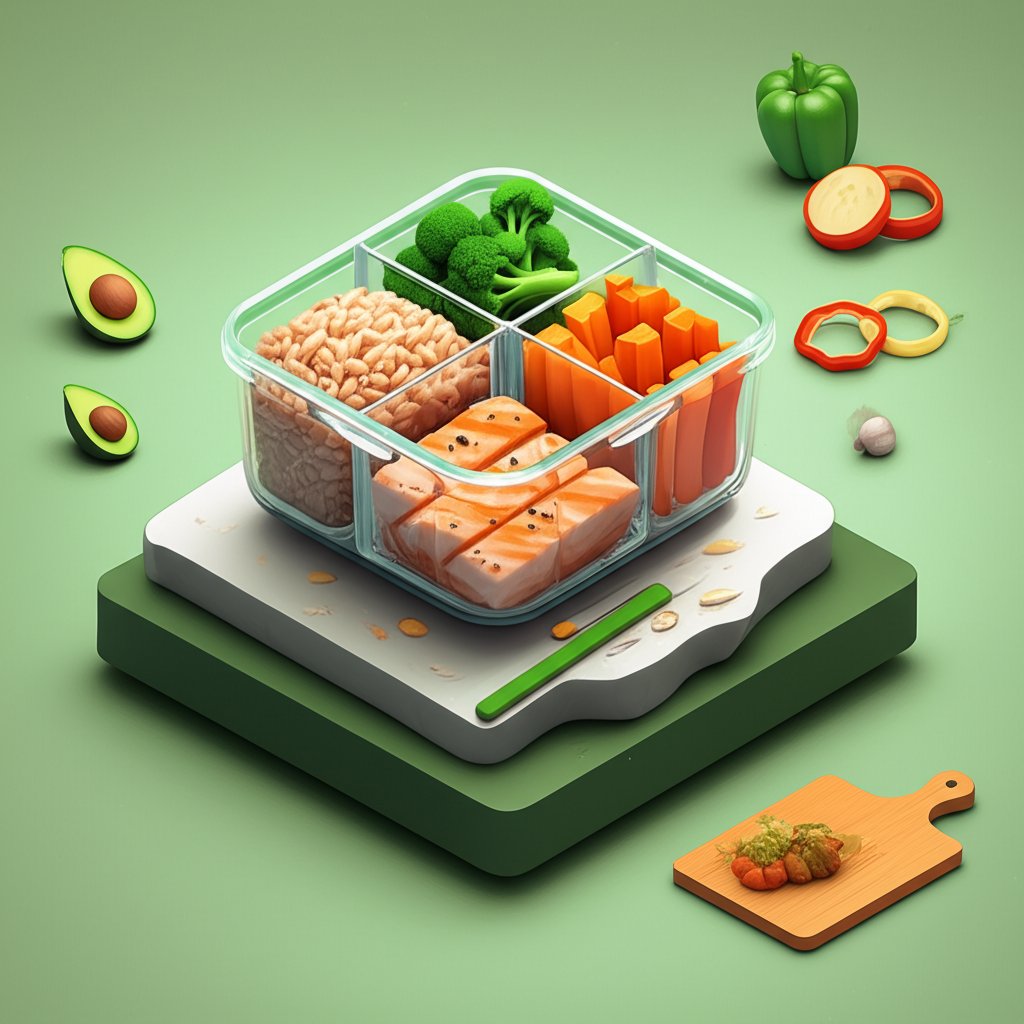
- Large Compartment: A lean protein, like grilled chicken breast or baked salmon.
- Medium Compartment: A complex carbohydrate, like quinoa, brown rice, or roasted sweet potatoes.
- Small Compartment: A fibrous vegetable, like steamed broccoli, sautéed green beans, or a fresh side salad.
This method makes building a nutritionally complete meal almost automatic.
Step 2: Batch Cook, Cool, and Assemble
Prepare all your components for the week. Grill your chicken, cook your grains, and roast your vegetables. The crucial step here is to let the food cool down to at least room temperature before sealing the containers.
Sealing hot, steaming food creates condensation and a pressure differential that can stress the silicone seal on the lid over time. A few minutes of cooling preserves the lid’s longevity and prevents your crisp veggies from getting soggy.
Step 3: Portion with Precision
The built-in dividers are your best friend for portion control. You no longer need measuring cups to eyeball serving sizes. A standard 34-ounce, three-compartment container naturally guides you to a balanced portion, often falling within the 400-600 calorie range perfect for a satisfying lunch. This makes sticking to dietary goals, like those for bariatric patients using smaller 8 oz containers, much easier.
Step 4: Stack and Store for a Tidy Fridge
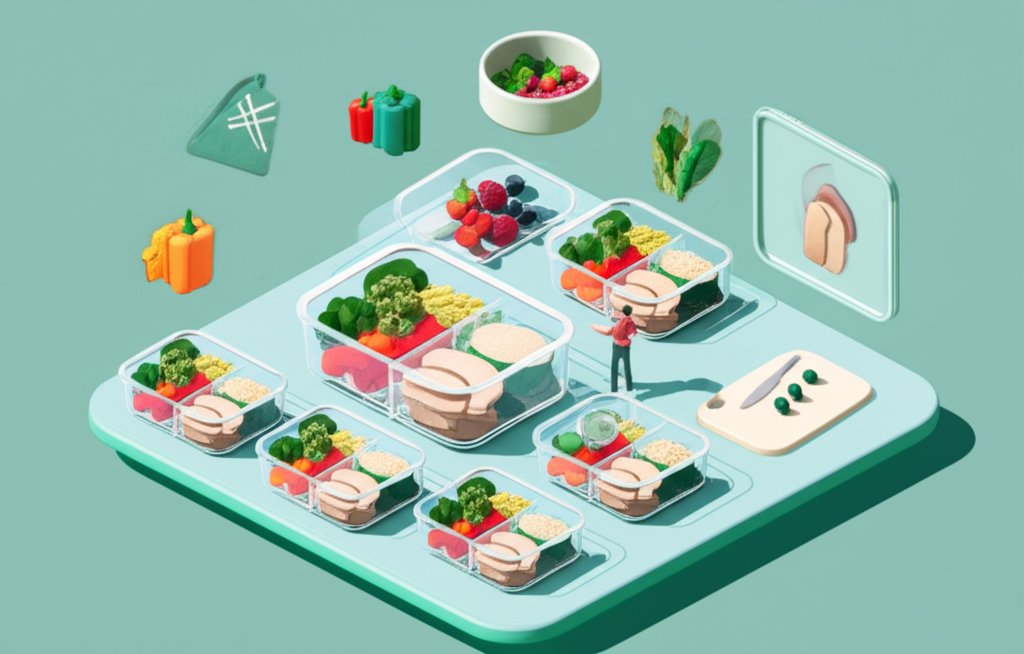
Once filled and sealed, glass bento boxes stack beautifully. Their uniform shape creates neat, stable towers in your refrigerator, a stark contrast to the precarious pile of mismatched plastic tubs. You can see exactly what you have at a glance, making it simple to grab your meal and go on a busy morning. This organized visual also serves as a great motivator to stay on track with your meal plan.
Not All Glass Containers Are Created Equal: Finding Your Perfect Match
Choosing the right container comes down to your lifestyle and the types of meals you prep most often.
Decoding Compartments: One, Two, or Three?
The number of dividers directly impacts a container’s function. Having a mix is often the best strategy.
| Compartments | Best For | Example Meals |
|---|---|---|
| One | Soups, stews, chilis, large salads, casseroles | Beef stew, large Greek salad, lasagna |
| Two | Main course + a distinct side | Salmon with asparagus, chicken curry with rice |
| Three | Classic “protein, carb, vegetable” meal structures | Chicken breast, quinoa, and roasted broccoli |
Size Matters: From Snacks to Hearty Dinners
Capacity is typically measured in ounces (oz) or cups. Matching the size to the meal prevents both over-packing and wasted space.
- 8–15 oz (approx. 1–1.75 cups): Ideal for snacks like yogurt and berries, small side dishes, sauces, or bariatric-portioned meals.
- 30–40 oz (approx. 4–5 cups): The sweet spot for most adult lunches. This size provides a filling meal without being bulky and is the most common option on the market from brands like PrepNaturals and HOMBERKING.
- 40–61 oz (over 5 cups): Best for large dinner portions, sharing, or for individuals with higher caloric needs.
Lids, Locks, and Seals: The Unsung Heroes
The best glass container is useless without a reliable lid. Look for lids with a silicone gasket (the rubbery ring) and four secure locking clips. This combination creates an airtight and leak-proof seal that prevents spills and keeps food fresh longer.
Some brands offer eco-friendly bamboo lids, which are stylish but require hand-washing and are not microwave-safe. Standard plastic lids are more versatile, but always check the manufacturer’s instructions, as most are not oven-safe.
Your Glass Bento Playbook: Pro Tips for a Flawless Prep
Get the most out of your containers by using them correctly. These small habits make a big difference.
- Embrace the Freezer-to-Oven Power. This is a top-tier benefit. You can prep and freeze a mini lasagna or enchilada bake directly in the glass base. When you’re ready to eat, it can go straight from the freezer into a preheated oven (always remove the plastic lid first!). This saves an incredible amount of time and cleanup.
- Vent in the Microwave. When microwaving, unlatch the locking clips and lift a corner of the lid, or remove it entirely. This allows steam to escape, preventing a powerful vacuum from forming that can make the lid difficult to remove and potentially damage the seal.
- Protect Your Lids. The glass base is a workhorse that can handle the dishwasher’s high heat. The lids, however, will last much longer if you hand-wash them. High-temperature washing cycles can slowly warp the plastic or degrade the silicone seal, compromising its leak-proof ability.
- Store Them Smart. To help the silicone seals retain their shape and effectiveness, store your containers with the lids placed on top unlatched, or store the lids separately. Constant compression in storage can wear them out faster.
Answering Your Top Questions About Glass Bento Meal Prep
Even with all their benefits, you might still have a few questions. Let’s clear them up.
Are glass bento box containers truly leak-proof?
Yes, high-quality models from brands like Bentgo or Rubbermaid Brilliance are designed to be exceptionally leak-proof. The key is the synergy between the flexible silicone gasket and the pressure from the locking tabs. As long as the seal is clean, properly seated in its groove, and undamaged, you can confidently transport soups and sauces.
Can I really put them in the oven?
The glass base, yes. Borosilicate glass is engineered to withstand high temperatures (check the manufacturer’s rating, but often up to 400°F or higher). The plastic lids, however, are a definitive no—they will melt. If you have a container with a glass or specific oven-safe lid, you can use that, but otherwise, bake with the base uncovered or use aluminum foil.
Aren’t they too heavy to carry around?
They are noticeably heavier than their plastic counterparts. This is the primary trade-off for their durability, health benefits, and performance. For a daily commute to the office, carrying one or two containers in a lunch bag is very manageable. The weight is a testament to the quality of the material.
How do I prevent the glass from chipping or breaking?
While extremely durable, borosilicate glass is not indestructible. The biggest risk is thermal shock—a sudden, extreme change in temperature, like taking a scorching hot container from the oven and placing it on a wet, cold countertop. Avoid this, and be mindful when stacking them in a crowded sink. With normal handling, they are incredibly tough and resistant to chipping.
A Smarter, Simpler Way to Prep
Switching to glass bento box containers is more than just an organizational hack; it’s a fundamental upgrade to your entire meal prep system. It introduces a level of reliability, cleanliness, and efficiency that flimsy plastic can’t match. You gain the confidence of a leak-proof seal, the convenience of an oven-safe dish, and the peace of mind of a pure, non-toxic material.
Start small. This week, try prepping just two or three lunches in a new glass container. Pack a simple meal—grilled chicken, roasted vegetables, and a side of rice. Experience the ease of reheating, the simple cleanup, and the satisfaction of eating a fresh, delicious meal from a clean, clear dish. The difference will speak for itself.

- Easy Mexican Meal Prep Ideas for Delicious, Healthy Eating - March 20, 2026
- Make Meal Prep Mexican Flavorful and Easy All Week - March 19, 2026
- Easy Meal Prep Mexican Food Recipes to Spice Up Your Week - March 18, 2026