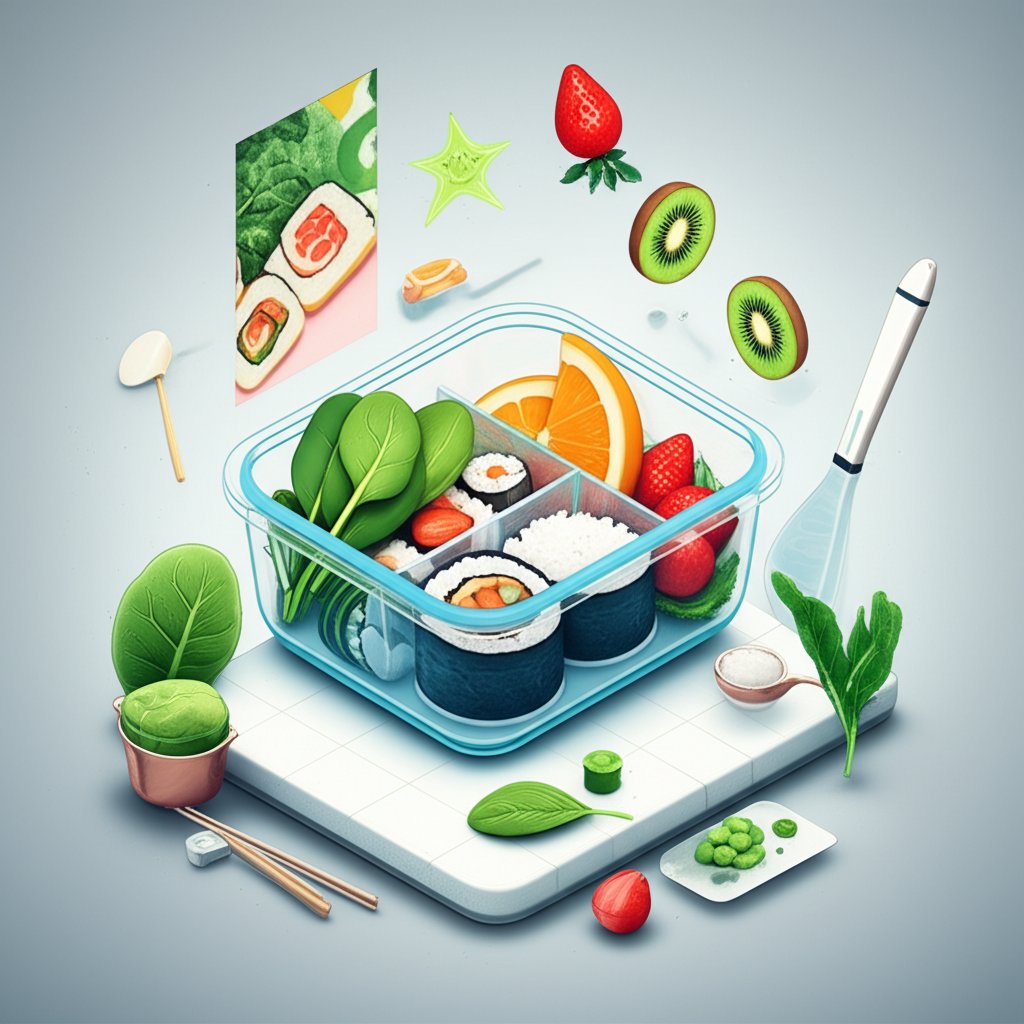
Tired of your plastic containers holding onto the ghost of last week’s spaghetti sauce? Or that subtle metallic tang that stainless steel can impart on your food? The search for the perfect meal prep container often ends in compromise, but a glass bento offers a refreshingly pure and practical alternative. It’s a simple upgrade that transforms your daily lunch from a mere necessity into a genuinely enjoyable, healthy ritual.
This isn’t just about a prettier container; it’s about preserving the taste and integrity of the food you lovingly prepared. Glass doesn’t stain, it doesn’t hold odors, and it provides a clean, non-toxic vessel for your meals, hot or cold.
At a Glance: Your Takeaways
- Why Glass is a Superior Material: Understand how non-porous glass ensures food safety, purity of taste, and eliminates the risk of chemical leaching found in some plastics.
- Key Features for Smart Shopping: Learn to distinguish between borosilicate and tempered glass, and identify the lid features that guarantee a leak-proof seal.
- Choosing the Right Layout: Get clear guidance on selecting the right number of compartments for your specific meal-prepping style, from single-pot dishes to multi-component lunches.
- Safe Handling and Care: Discover best practices for transporting, heating, and cleaning your glass bento to ensure it lasts for years.
- The Weight vs. Purity Trade-off: Acknowledge the one main drawback of glass—its weight—and learn practical ways to manage it for daily use.
Beyond the Basics: The Real Benefits of a Glass Bento
Switching to glass is more than an aesthetic choice. The material itself offers tangible benefits that directly impact your health, your wallet, and the environment. While the overall advantages of different materials are vast, focusing on glass reveals why it’s a top contender for serious meal preppers. For a broader comparison of different bento materials, Read our glass bento guide.
A Pure Taste Experience, Every Time
The primary advantage of glass is its non-reactive and non-porous nature. Unlike plastic, which can absorb colors from curries and tomato sauces or retain the smell of garlic and onions, glass remains pristine.
Think of it like this: you wouldn’t serve a fine wine in a plastic cup because it would alter the taste. The same principle applies to your food. A glass bento ensures that your crisp apple slices taste like apple, not like yesterday’s salmon. This purity is especially noticeable with acidic foods like vinaigrettes or citrus-based marinades, which can interact with other materials.
Health and Safety You Can See
Concerns over chemicals like BPA, BPS, and phthalates in plastics are well-founded. While many plastics are now “BPA-free,” questions about other potential endocrine disruptors remain. Glass, made from natural materials like sand, soda ash, and limestone, is inherently free from these concerns.
Crucially, glass is stable when heated. When you microwave your lunch in a glass bento, you can be confident that no harmful chemicals are leaching into your meal. This peace of mind is one of the most compelling reasons to make the switch.
The Durable, Eco-Conscious Choice
A high-quality glass bento box is an investment. It’s a buy-it-once item that, with proper care, can last indefinitely. This stands in stark contrast to plastic containers that warp, stain, and degrade over time, inevitably ending up in a landfill.
Glass is also infinitely recyclable without any loss in quality. Choosing a glass bento significantly reduces your reliance on single-use plastics and contributes to a more sustainable lifestyle. It’s a small change with a meaningful long-term impact.
Not All Glass Boxes Are Created Equal: Your Buying Checklist
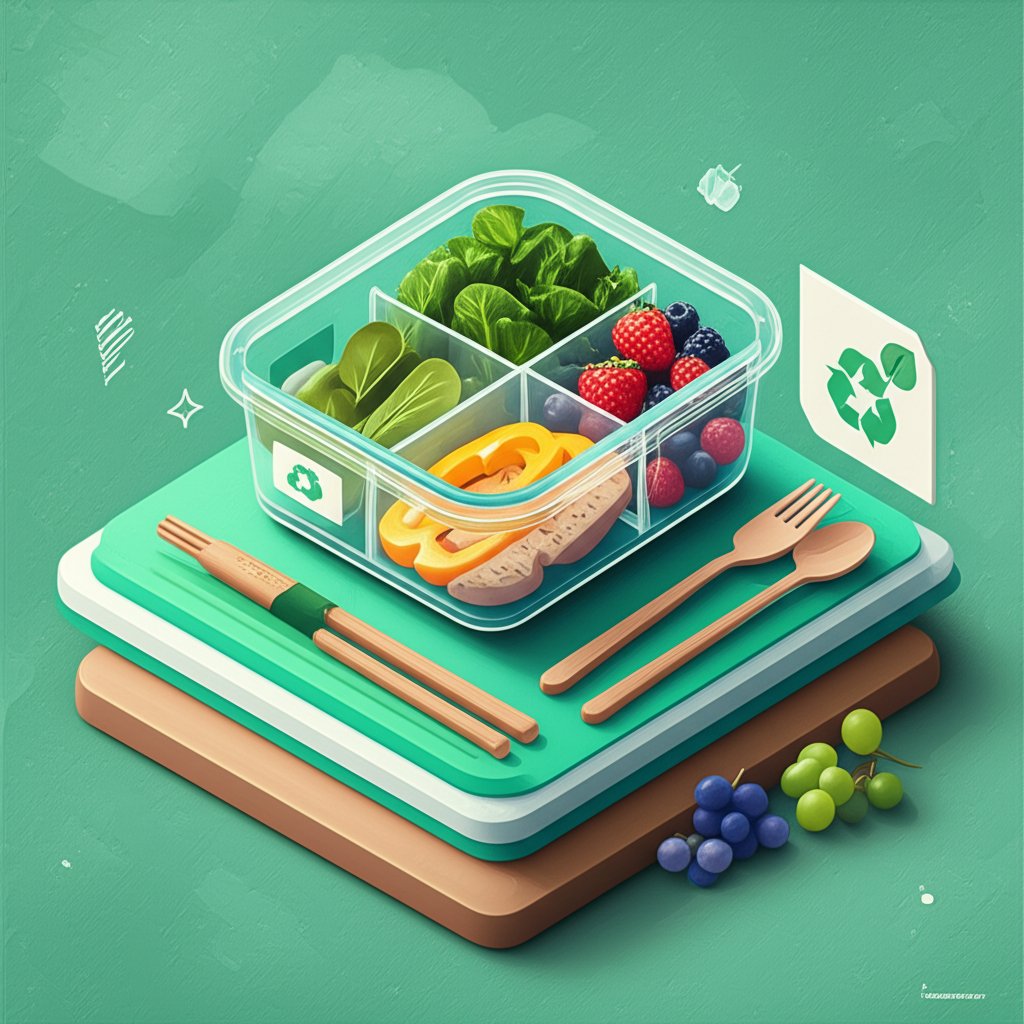
Once you’ve decided on glass, the next step is navigating the options. The details—from the type of glass to the lid design—make all the difference between a container you tolerate and one you love.
The Glass Itself: Borosilicate vs. Tempered Glass
This is the most important technical distinction. The type of glass determines its durability and resistance to temperature changes.
- Borosilicate Glass: This is the “scientific” glass, famously used in lab beakers and original PYREX cookware. It contains boron trioxide, which gives it a very low coefficient of thermal expansion. In simple terms, it can handle rapid temperature changes without cracking. You can take a borosilicate container from the fridge and put it directly into a preheated oven or microwave with minimal risk. This makes it the premium choice for meal preppers who cook and reheat in the same container.
- Tempered Glass: This is regular glass that has been heat-treated to increase its strength. It’s about four times stronger than standard glass against physical impact. If it does break, it shatters into small, relatively harmless pebble-like pieces rather than sharp shards. However, it is more susceptible to thermal shock than borosilicate. Sudden, extreme temperature changes can cause it to shatter.
| Feature | Borosilicate Glass | Tempered Glass |
| :— | :— | :— |
| Thermal Shock Resistance | Excellent | Good (but avoid extremes) |
| Physical Strength | Good | Excellent |
| Best For | Reheating, freezer-to-oven | General use, transportation |
| Price | Typically higher | More affordable |
Lids That Actually Seal: The Leak-Proof Litmus Test
A glass bento is only as good as its lid. A leaky lid can ruin your lunch and your bag. Look for lids with a four-point snap-locking system. These provide even pressure on the seal for a secure, airtight, and leak-proof fit.
The seal itself is also critical. A thick, removable silicone gasket is the gold standard. It creates a tight barrier and can be taken out for thorough cleaning to prevent mold buildup.
- Pro Tip: Always check for a small vent tab on the lid. This allows steam to escape during microwaving, preventing pressure buildup and potential messes.
Compartments and Dividers: Mastering Meal Separation
The layout of your glass bento should match your eating habits.
- Single Compartment: Ideal for large salads, soups, stews, or grain bowls. It offers the most flexibility, as you can use your own reusable silicone cups to create temporary divisions.
- Two or Three Compartments: This is the classic bento layout. It’s perfect for the “main + two sides” formula, keeping wet and dry ingredients separate. For example, you can pack grilled chicken, roasted vegetables, and a quinoa salad without them mixing.
- Movable Dividers: Some models offer glass or silicone dividers that you can adjust or remove. This provides the ultimate flexibility, allowing you to customize the layout for each meal.
From Meal Prep to Clean-Up: A Practical Playbook
Using a glass bento is straightforward, but a few simple habits will maximize its performance and longevity.
Step-by-Step: Packing for Success (and No Spills)
- Cool Your Food First: Packing hot food directly into a sealed container creates condensation, which can make crisp foods soggy. Let meals cool to at least room temperature.
- Position Liquids Strategically: If you have a saucy dish or dressing, place it in the smallest, most secure compartment.
- Create Extra Barriers: Use silicone baking cups or lettuce leaves as edible dividers to keep small items like nuts or berries from migrating.
- Check the Gasket: Before closing the lid, ensure the silicone seal is clean and properly seated in its groove. A stray crumb can compromise the seal.
- The “Push and Snap” Technique: Gently press down on the center of the lid as you snap the locks. This pushes out excess air, creating a more secure, vacuum-like seal.
The Portability Question: Managing the Weight
Let’s be honest: the main downside of a glass bento is its weight. It’s noticeably heavier than a plastic or stainless steel equivalent.
However, this is often a manageable trade-off. For a desk lunch, the weight is rarely an issue. Invest in a well-made insulated lunch bag with a flat, rigid bottom. This prevents the container from tipping over and provides an extra layer of cushioning. Some brands also sell protective silicone sleeves that slide over the glass base, improving your grip and adding a layer of shock absorption.
- Case Snippet: An office worker who drives to work found the weight of her 3-compartment glass bento negligible. She loved being able to microwave her lunch in a non-toxic container. A college student, however, opted for a smaller, single-compartment glass bento for snacks and leftovers, using a lighter container for their main meal to reduce backpack weight.
Heating, Freezing, and Cleaning Like a Pro
- Microwaving: Always remove the lid or, if it has one, open the steam vent. Never microwave the lid itself, as this can cause it to warp over time.
- Oven Use: The glass base of most high-quality bento boxes is oven-safe (up to around 400°F or 200°C), but the lid is never oven-safe. This is great for baking a small portion of lasagna or a chicken breast directly in the container you’ll take for lunch.
- Freezing: Glass handles freezing well. Just be sure to leave about an inch of empty space at the top to allow for food expansion.
- Cleaning: The glass base is always dishwasher-safe. It’s best practice to place the lid on the top rack. To prolong the life of the silicone gasket, remove it and wash it by hand every so often to ensure no food particles are trapped underneath.
Common Questions About Glass Bento Boxes
Aren’t glass bento boxes too heavy and fragile?
They are heavier, but high-quality glass is surprisingly tough. Borosilicate and tempered glass are designed for durability. When paired with a protective silicone sleeve and carried in a structured lunch bag, the risk of breakage is very low. Most users find the benefits of better taste, health safety, and sustainability far outweigh the extra weight.
Can I put a hot container in the freezer, or a cold one in the microwave?
This is where the type of glass matters. Borosilicate glass is built to withstand these thermal shocks. With tempered glass, it’s best to avoid such extreme and sudden temperature changes. A good rule of thumb for any glass container is to let it sit on the counter for a few minutes to moderate its temperature before heating or freezing.
Are the plastic lids safe?
Reputable brands use high-quality, BPA-free plastic for their lids. Since you should never microwave the lid and it rarely comes into prolonged contact with your food, the risk is minimal. For those who want to avoid plastic entirely, some brands offer lids made of bamboo or silicone, though these may not offer the same 100% leak-proof guarantee as a snap-locking lid.
How do I get a lingering smell out of the silicone seal?
Silicone is fantastic but can occasionally absorb strong smells like curry or coffee. The easiest fix is to remove the gasket and soak it in a 50/50 solution of white vinegar and warm water for an hour. Alternatively, making a paste of baking soda and water and scrubbing the gasket works well. For truly stubborn odors, letting it air out in direct sunlight for a few hours can work wonders.
Making Your Choice: A Quick Decision Guide
Choosing the right glass bento is about matching its features to your lifestyle. Use this quick guide to find your perfect fit.
- If your top priority is versatility (fridge to oven to table)…
- Choose a Borosilicate Glass container. Its resistance to thermal shock is unmatched.
- If you’re primarily concerned with durability and bumps…
- Look for Tempered Glass, especially a model that comes with a protective silicone sleeve.
- If you pack a wide variety of meals…
- Opt for a single-compartment box and use reusable silicone cups to create your own flexible divisions.
- If you absolutely cannot tolerate leaks (soups, stews, dressings)…
- Prioritize a lid with a four-point snap-lock system and a thick, well-seated silicone gasket. Inspect it in person if you can.
A glass bento box is more than just a container; it’s a commitment to a better lunch experience. It’s an investment in your health, a step toward a more sustainable routine, and a simple way to ensure the food you prepare tastes exactly as you intended. By choosing glass, you’re not just packing a meal—you’re elevating it.

- Mastering Meal Prep Potatoes For Easy Weekday Dinners - March 21, 2026
- Easy Mexican Meal Prep Ideas for Delicious, Healthy Eating - March 20, 2026
- Make Meal Prep Mexican Flavorful and Easy All Week - March 19, 2026