Here is the comprehensive pillar article on borosilicate glass storage, written according to your specifications.
You pull last night’s lasagna out of the fridge, pop it in the microwave, and minutes later, you’re greeted by a perfectly reheated meal. But look closer at the plastic container: the tell-tale orange stain from the tomato sauce is now a permanent resident. Or perhaps you’ve faced the heart-sinking moment of pulling a regular glass dish from the oven only to see it crack from the temperature change. This is the everyday struggle that has kitchens everywhere quietly upgrading to borosilicate glass storage. It’s the unsung hero that moves from freezer to oven to table with an unflappable resilience that other materials just can’t match.
Unlike the standard glass that makes up most of our drinking cups and food jars, borosilicate glass is a different beast entirely. It’s engineered for thermal durability, purity, and a longer life, making it a smart investment for anyone serious about meal prep, food safety, and simply having kitchenware that works as hard as they do.
Your Kitchen Upgrade at a Glance
Pressed for time? Here’s what makes borosilicate glass the superior choice for your food:
- Extreme Temperature Resistance: Its key feature is its ability to handle rapid temperature changes without cracking—a quality known as low thermal expansion. This means it can go from a cold refrigerator to a hot oven with far less risk than standard glass.
- Non-Porous and Non-Staining: The glass is completely non-porous. It won’t absorb odors, flavors, or stains from food like tomato sauce, curries, or berries. Your container stays crystal clear and odor-free for years.
- Purity and Safety: Borosilicate glass is chemically unreactive and won’t leach chemicals into your food, even when heated. It’s a clean, safe alternative to plastics that may contain BPA or other endocrine disruptors.
- Exceptional Durability: While no glass is unbreakable, borosilicate is harder and more resistant to scratches and impact damage than regular soda-lime glass, ensuring a longer lifespan in a busy kitchen.
- Ultimate Versatility: One container can do it all: bake a small casserole, store the leftovers in the fridge or freezer, and reheat them in the microwave or oven.
The Science Behind the Strength: What Is Borosilicate Glass, Anyway?
Walk down any kitchenware aisle and you’ll see “glass storage” everywhere. But not all glass is created equal. The vast majority of consumer glassware is soda-lime glass, which is perfectly fine for drinking glasses or pickle jars but has a critical weakness: it expands and contracts significantly when heated or cooled. This stress is what causes it to shatter.
Borosilicate glass, on the other hand, has a different recipe. By adding boron trioxide to the traditional mix of silica sand and other elements, manufacturers create a glass with a much lower coefficient of thermal expansion.
Think of it like this: Imagine two roads, one made of cheap asphalt (soda-lime glass) and one of high-tech concrete (borosilicate glass). On a brutally hot day, the cheap asphalt buckles and cracks under the stress. The high-tech concrete, engineered to handle expansion, remains stable. That’s the fundamental difference. This unique property is why you’ll find borosilicate glass not just in high-end bakeware but also in scientific laboratory beakers and professional kitchens where equipment has to withstand constant, intense temperature shocks. Choosing borosilicate glass for food storage means bringing that same professional-grade reliability into your home.
From Lab Beakers to Your Leftovers: The Unbeatable Benefits

Switching to borosilicate might seem like a small change, but its impact on your daily routine—from cooking to cleanup—is significant. The borosilicate glass benefits extend far beyond simple food storage.
Resists Extreme Temperature Swings
This is the headline feature. You can take a dish of leftovers from the fridge and place it in a preheating oven without a second thought. (Note: While highly resistant, experts still recommend avoiding the most extreme shocks, like moving a dish from a deep freezer directly into a scorching-hot oven. Letting it sit on the counter for 10-15 minutes first is a good practice.) This thermal stability makes it some of the most reliable microwave safe glass available, handling the uneven heating patterns of a microwave with ease.
A Non-Porous, Stain-Proof Surface
If you’ve ever stored spaghetti sauce in a plastic container, you know the phantom orange stain that never washes out. Borosilicate glass is non-porous, meaning there are no microscopic holes for food particles, bacteria, or odors to penetrate. Your container will look brand new after years of use, and last night’s curry won’t flavor tomorrow’s fruit salad. This purity is a major reason people seek out quality borosilicate glass containers.
Pure Taste, No Chemical Leaching
Growing concerns over chemicals like BPA and phthalates in plastics have led many to seek safer alternatives. Glass is an inert material; it doesn’t react with the food it holds. You can store acidic foods like tomato soup or citrus-based marinades without worrying about a metallic taste or, more importantly, a chemical transfer. It’s a peace-of-mind upgrade that ensures your food tastes exactly as it should.
Built for the Long Haul
While it costs more upfront than plastic or soda-lime glass, borosilicate is an investment. It’s more resistant to chipping and scratching from utensils. A set of high-quality borosilicate glass containers can last a lifetime with proper care, saving you money by ending the cycle of replacing warped, stained, or cracked containers every few years.
How to Choose the Right Borosilicate Set for Your Kitchen
Once you’re ready to make the switch, the sheer number of options can be overwhelming. Focusing on a few key features will help you find the perfect set that fits your lifestyle, from a solo meal prepper to a busy family.
Lids Matter More Than You Think
The container is only half the equation; the lid determines its functionality.
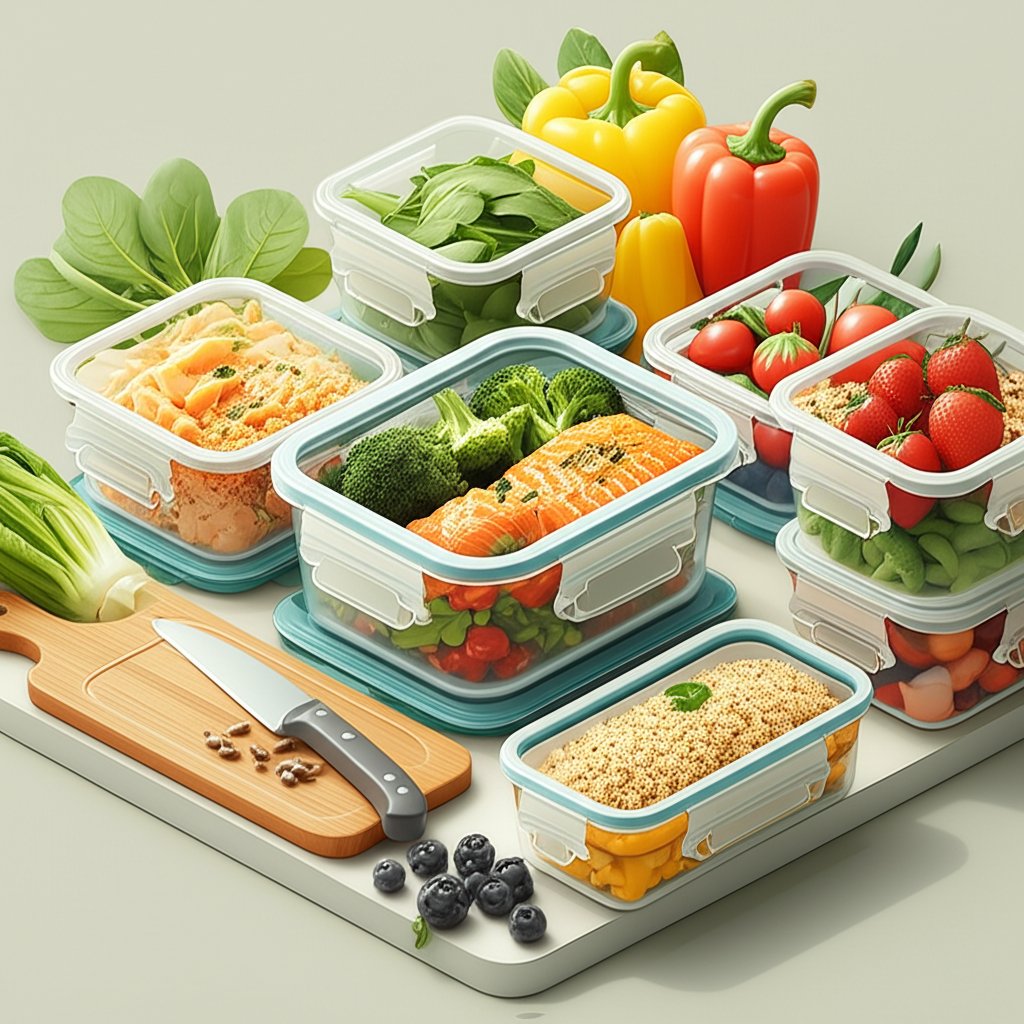
- Airtight Locking Lids: For meal prep, leftovers, and leak-proof transport, look for lids with four-way locking tabs and a silicone gasket. These create a truly airtight and watertight seal, keeping food fresh for longer and preventing messy spills in your lunch bag. You’ll find that the best snap-lid glass containers offer both security and ease of use. Many premium sets of glass containers with locking lids are designed this way.
- Glass Lids: For an entirely plastic-free experience, some brands offer glass lid food storage options. These are excellent for oven-to-table serving and refrigerator storage. While they may not be as leak-proof as locking lids, high-end glass containers with locking lids are becoming more common. For simple fridge storage, classic glass storage bowls with lids are a beautiful and functional choice.
- Vented Lids: Some plastic lids include a small steam vent. This is a fantastic feature for microwave reheating, as it allows steam to escape without you having to remove the lid or cover the dish with a paper towel.
Shape and Size: Maximize Your Space
The shape of your containers can dramatically impact storage efficiency.
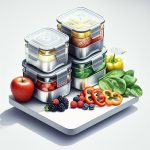
- Rectangular and Square: These shapes are the champions of organization. They stack neatly in the fridge, freezer, and cupboard, minimizing wasted space. If you’re serious about meal prep or have a small kitchen, a set of rectangular glass food containers is a game-changer. The uniform shape of glass rectangular food storage makes your fridge look like a perfectly organized Tetris board.
- Round and Oval: Round bowls are great for mixing, serving salads, and storing soups or stews. They often nest inside one another for more compact storage when empty.
- Variety Packs: The best approach for most people is a variety pack. A good starter set will include several small containers for snacks or sauces, a few medium ones for individual meal portions, and one or two large dishes for family-sized leftovers or casseroles.
Consider Your Primary Use Case
What will you use them for most often? Your answer will guide your purchase.
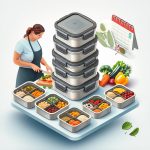
- Meal Prepping: If you prepare lunches for the week, look for a set of 5-7 identical, medium-sized containers. This makes portioning easy and stacking in the fridge a breeze. Purpose-built borosilicate meal prep containers often come in perfect single-serving sizes.
- Leftover Storage: A variety pack with multiple shapes and sizes is ideal. You need flexibility to store everything from a bit of leftover rice to half a roasted chicken. You can always explore borosilicate containers with different features to find the right fit.
- Baking and Serving: If you want dishes that can go from the oven directly to the dinner table, choose containers with a clean, elegant design. Some even come with matching glass lids for a more polished look.
Getting the Most from Your Borosilicate Glassware
To ensure your investment lasts for decades, follow a few simple best practices. These tips will preserve the integrity of your containers and keep them looking their best.
- Avoid Extreme Thermal Shocks: While incredibly resilient, don’t tempt fate. Never take a container from the freezer and plunge it into hot water or a fully preheated oven. Let it rest on the counter for 15-20 minutes to temper. Similarly, don’t place a hot dish directly on a cold, wet countertop or in the sink. Use a trivet or potholder.
- Never Use on a Direct Heat Source: Borosilicate glass is for ovens and microwaves, not for stovetops, broilers, or grills. The concentrated, direct heat can cause stress fractures and lead to breakage.
- Check the Lids: Most plastic lids are not oven-safe and may only be top-rack dishwasher-safe. Always check the manufacturer’s instructions. When microwaving, it’s best to rest the lid loosely on top or use a vented lid to prevent pressure buildup.
- Care for the Gaskets: The silicone rings in locking lids are key to their airtight seal. Remove them periodically and wash them by hand to prevent mold or mildew buildup. Make sure they are completely dry before reinserting them. This simple step keeps your locking glass food containers performing perfectly.
- Handle with Care: It’s still glass. Dropping it on a hard tile floor will likely cause it to break. Handle it with the same care you would any other glass bakeware.
Common Questions About Borosilicate Glass, Answered
Navigating the world of kitchenware can be confusing. Here are crisp answers to the most frequently asked questions about these versatile containers.
Q: How can I tell if my glass container is borosilicate or regular soda-lime glass?
A: It’s nearly impossible to tell just by looking. The most reliable way is to check the product’s packaging, the manufacturer’s website, or markings on the bottom of the dish itself. Reputable brands that use borosilicate glass, like Pyrex (in Europe), Glasslock, or OXO, will advertise it as a key feature. If a glass dish is marketed as “oven-safe” and “thermal shock resistant,” it is almost certainly borosilicate.
Q: Are borosilicate glass containers truly unbreakable?
A: No. They are highly shatter-resistant and durable, but not shatter-proof. A hard impact, especially on an edge or corner, can still cause it to chip or break. However, it’s significantly more resilient to both thermal shock and physical drops than standard glass.
Q: Why are they more expensive than other glass or plastic containers?
A: The manufacturing process for borosilicate glass is more complex and requires higher temperatures, making the raw material more costly. You are paying for superior durability, safety, and a much longer product lifespan. Given that you may never need to replace them, many find the total cost of ownership to be lower over time. You can begin to learn about borosilicate containers to understand their value proposition.
Q: Is older, vintage Pyrex borosilicate?
A: This is a common point of confusion. For many decades, PYREX (uppercase) sold in the United States was made of borosilicate glass. However, in the late 1990s, the U.S. brand switched its consumer products to tempered soda-lime glass. The pyrex (lowercase) brand sold in Europe, however, continues to be made from borosilicate. If you have vintage American PYREX, it is likely borosilicate, but newer U.S. products are not unless specified.
Make the Switch: An Investment in a Better Kitchen
Upgrading your food storage is more than just an organizational project; it’s a step toward a safer, more efficient, and more enjoyable kitchen. By choosing borosilicate glass containers, you are investing in a tool that respects your food, your time, and your health. You’re saying goodbye to stained plastic, warped lids, and the fear of shattered glass.
Start small. Buy a single container or a three-piece set and put it to the test. Use it for your weekly meal prep. Bake a small apple crisp in it. Store that vibrant, turmeric-rich curry in it. When you see it emerge from the dishwasher sparkling clean, completely free of stains and odors, you’ll understand why so many home cooks consider it an indispensable part of their daily routine. Your kitchen deserves tools that are as reliable and resilient as you are.

- Steel Containers for Food Offer Versatile and Fresh Everyday Storage - March 4, 2026
- Metal Meal Prep Containers Are a Lasting Investment for Everyday Use - March 3, 2026
- Healthy Meal Plans for Busy Professionals to Conquer Your Week - March 2, 2026