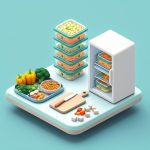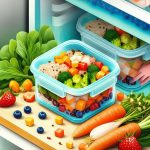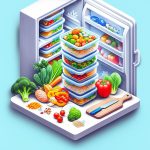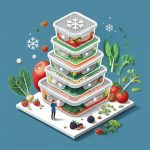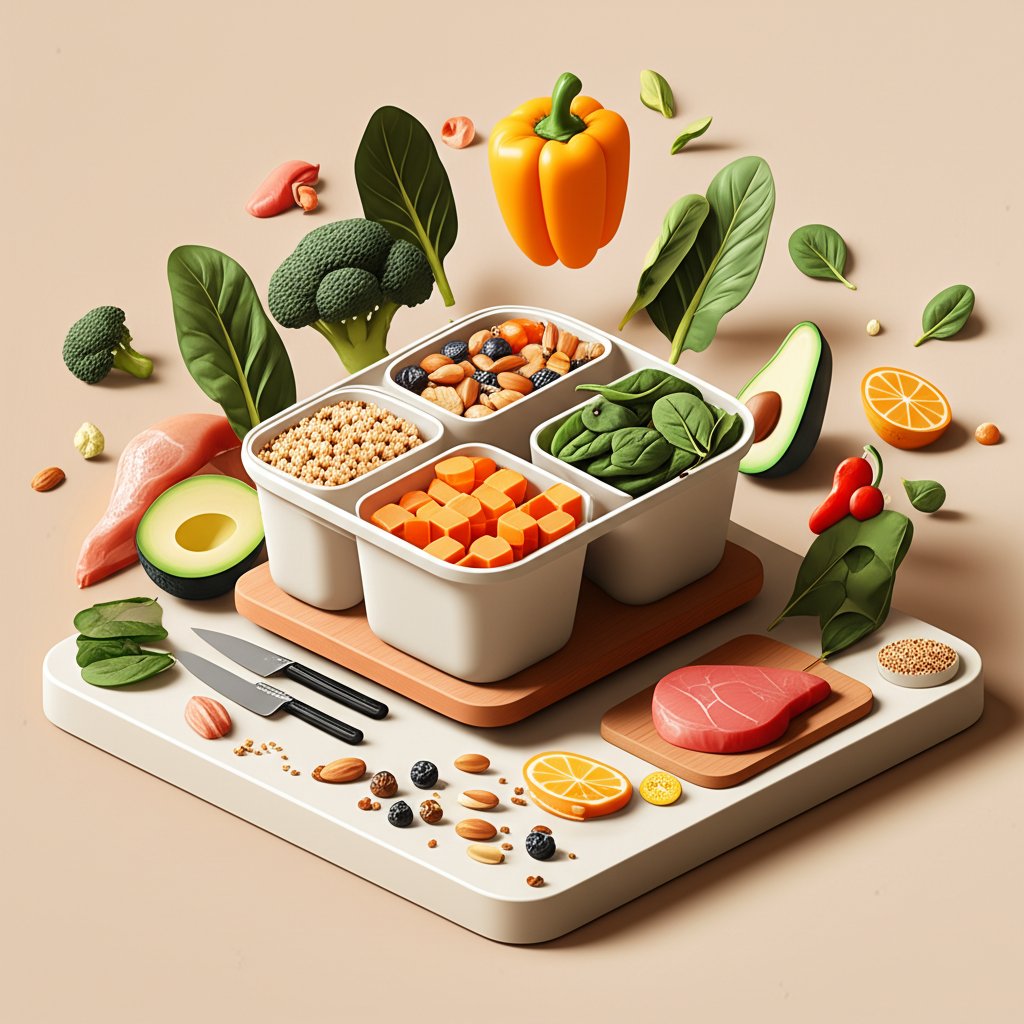
The Sunday scaries are real, and they often start in the kitchen. Staring into the fridge, wondering how you’ll possibly stick to your goals for the week ahead, is a familiar pressure point. This is precisely where having a roster of go-to macro meal prep ideas transforms your week from reactive to proactive, ensuring every meal is balanced, delicious, and ready when you are.
It’s not just about cooking in bulk; it’s about strategic preparation that aligns with your health goals, whether that’s building muscle, losing fat, or simply maintaining energy. By balancing protein, carbs, and fats ahead of time, you remove the guesswork and decision fatigue that so often lead to grabbing takeout.
At a Glance: Your Blueprint for Macro Prep Success
Here’s what you’ll walk away with—practical steps to master your weekly meal prep:
- The Core Formula: Learn the simple “Protein + Carb + Fat + Veggie” template to build endless macro-friendly meals.
- Time-Saving Recipe Ideas: Discover specific, high-protein meal ideas organized by protein source, from chicken and turkey to plant-based powerhouses.
- The Sunday Prep Playbook: A step-by-step guide to efficiently plan, shop, cook, and store your meals for the week.
- Pro Storage Tips: Understand how to keep your prepped food fresh, tasty, and safe for 3-5 days.
- Overcoming Meal Prep Pitfalls: Get quick answers to common problems like food boredom and soggy salads.
The Simple Philosophy Behind Macro-Friendly Meals
Before diving into recipes, let’s clarify what “macro-friendly” actually means. It’s about designing meals that balance the three main macronutrients: protein, carbohydrates, and fats. The goal is to hit your personal targets, which support everything from muscle repair to sustained energy.
A well-prepped macro meal typically features:
- High-Quality Protein: The foundation for satiety and muscle maintenance. Most effective recipes aim for over 25 grams per serving.
- Complex Carbohydrates: For slow-release energy that prevents blood sugar crashes. Think quinoa, sweet potatoes, and brown rice, not refined grains.
- Healthy Fats: Essential for hormone function and nutrient absorption, found in sources like avocado, olive oil, and nuts.
By prepping these balanced meals, you gain control over your portions and ingredients, making it significantly easier to stay consistent with your nutrition plan.
The Building Blocks: A Foolproof Formula for Any Meal
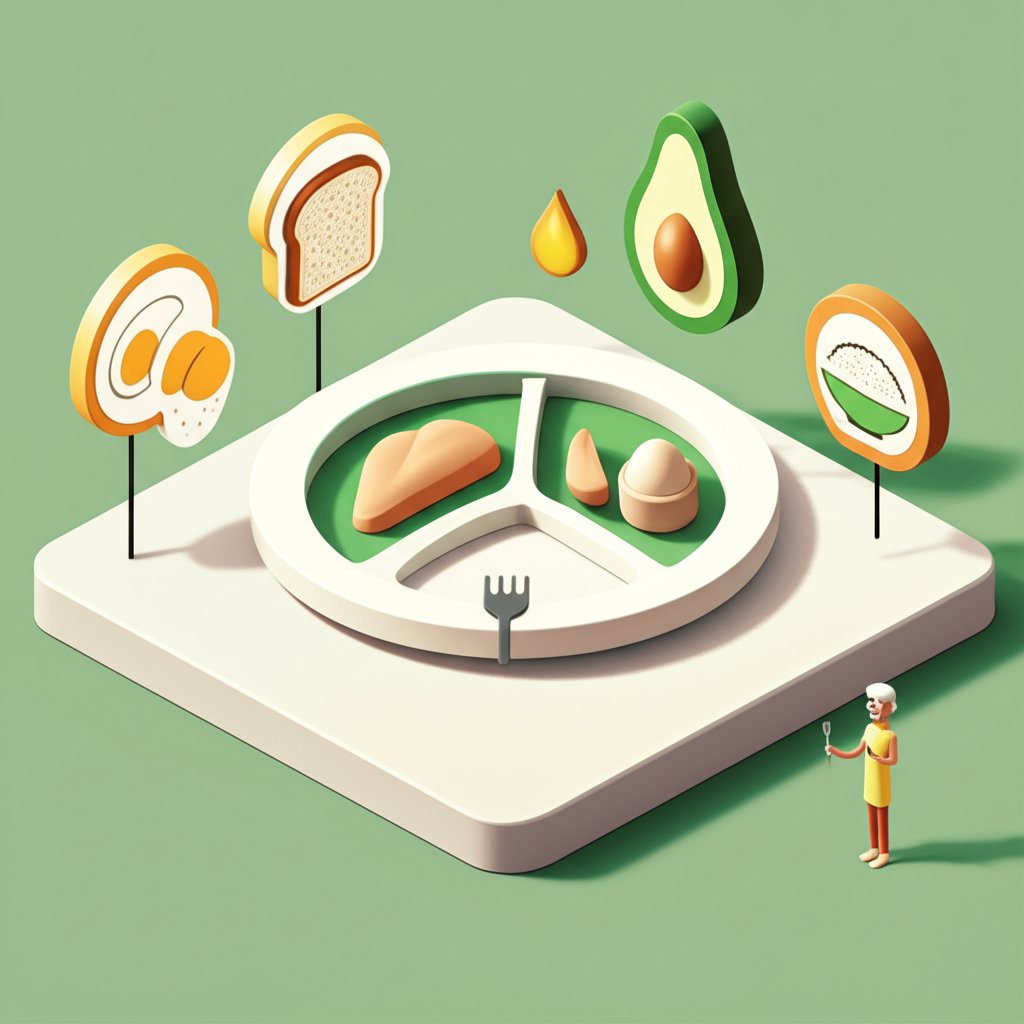
Forget complicated recipes for a moment. The most sustainable macro meal prep ideas stem from a simple, repeatable formula. Think of it as a template you can customize endlessly.
Your Meal Formula: [Protein Foundation] + [Smart Carb] + [Healthy Fat] + [Volume Veggies]
Nail Your Protein Foundation
Protein is the anchor of your meal. It keeps you full and is crucial for muscle recovery. Aim for 25-40 grams per serving.
- Lean Meats: Chicken breast, ground turkey (93/7), lean ground beef, pork tenderloin.
- Seafood: Salmon, shrimp, cod, tuna.
- Plant-Based: Tofu, tempeh, lentils, chickpeas, black beans.
- Other: Eggs, low-fat Greek yogurt, cottage cheese.
Choose Smart Carbs for Lasting Energy
These provide the fuel your body and brain need to function. The key is choosing complex carbs that digest slowly.
- Grains: Quinoa, brown rice, couscous, farro.
- Starchy Vegetables: Sweet potatoes, butternut squash, corn, peas.
- Legumes: Lentils and beans (which also double as a protein source).
- Low-Carb Swaps: Cauliflower rice or zucchini noodles are excellent for balancing out a heavier protein or sauce.
Add Healthy Fats for Satiety and Flavor
A little fat goes a long way in making a meal satisfying and flavorful.
- Oils & Dressings: Olive oil, avocado oil, vinaigrettes.
- Whole Foods: Sliced avocado, nuts (almonds, walnuts), seeds (chia, flax, sesame).
- Other: Olives, a sprinkle of feta or goat cheese.
Your Go-To Macro Meal Prep Ideas by Protein Source
Now, let’s put that formula into action with concrete examples you can make this week. These ideas are designed for efficiency and flavor, proving that healthy eating is anything but boring.
For the Chicken & Turkey Lovers
Poultry is a meal prep staple for a reason: it’s versatile, lean, and easy to cook in big batches.
- Slow Cooker Salsa Verde Chicken: This is the definition of “set it and forget it.” Place 2-3 lbs of chicken breasts in a slow cooker, pour a 16 oz jar of salsa verde over top, and cook on low for 4-6 hours. Shred the chicken directly in the pot.
- Meal Build: Portion with 1/2 cup brown rice and 1/2 cup black beans. A serving easily packs over 32g of protein for around 211 calories (before carbs/fats).
- Pro Tip: Double the batch. Use the shredded chicken for bowls one day and in a high-protein quesadilla the next.
- Ground Turkey Egg Roll in a Bowl: Get all the flavor of an egg roll without the deep-frying. Sauté ground turkey with shredded coleslaw mix, soy sauce, ginger, and garlic. It’s a one-pan meal that’s ready in under 20 minutes.
- Meal Build: Serve as is or over a bed of cauliflower rice. This dish offers a satisfying 30g of protein and is incredibly low-carb.
- Pro Tip: Drizzle with sriracha mayo (Greek yogurt + sriracha) and sesame seeds right before serving to keep it exciting.
Fresh and Fast Seafood Preps
Seafood cooks quickly, making it a fantastic option for a fast prep session.
- Miso-Glazed Salmon: Salmon is rich in omega-3s and protein. Whisk together miso paste, rice vinegar, and a touch of maple syrup. Brush it over salmon fillets and bake at 400°F (200°C) for 12-15 minutes.
- Meal Build: Pair with steamed broccoli and a scoop of quinoa. You’re looking at a powerhouse meal with 30g of protein for about 238 calories (salmon only).
- Pro Tip: To prevent the salmon from drying out when reheated, add a splash of water to the container and microwave with a loose lid.
- Shrimp Poke Bowls: This requires minimal cooking. The key is to prep the components and assemble them just before eating to maintain freshness.
- Prep Ahead: Cook a batch of short-grain brown rice. Chop cucumber, edamame, and carrots. Mix a sauce of soy sauce, rice vinegar, and sesame oil.
- Meal Build: When ready to eat, toss cooked shrimp with the sauce and assemble your bowl. It’s a refreshing lunch with around 23g of protein.
Plant-Powered & Vegetarian Options
You don’t need meat to hit your protein goals. Plant-based ingredients are budget-friendly and delicious.
- Crispy Air Fryer Teriyaki Tofu: The air fryer transforms tofu into a crispy, satisfying protein. Press a block of extra-firm tofu to remove water, cube it, and air fry until golden. Toss with your favorite teriyaki sauce.
- Meal Build: Serve with zucchini noodles or stir-fried bell peppers and onions. This combo delivers about 24g of protein.
- Pro Tip: Store the tofu and sauce separately and combine after reheating to preserve the crispy texture.
- Spicy Chickpea & Quinoa Bowls: A pantry-friendly powerhouse. Sauté a can of chickpeas with smoked paprika, cumin, and cayenne pepper until slightly crisped.
- Meal Build: Layer a base of cooked quinoa with the spicy chickpeas, chopped spinach, cherry tomatoes, and a dollop of Greek yogurt or a tahini dressing.
- Pro Tip: Roast a sheet pan of sweet potatoes at the same time to add a complex carb and even more nutrients to the bowl.
These ideas are just the beginning. If you’re ready for more comprehensive, step-by-step instructions, our main guide offers dozens of Explore macro meal prep recipes to keep your menu fresh and exciting.
The Sunday Prep Playbook: From Kitchen to Fridge
A successful meal prep session is all about workflow. Follow these steps to get in and out of the kitchen efficiently.
Step 1: Plan Your Menu (The 2+2+1 Method)
Don’t try to prep 21 different meals for the week. You’ll burn out. Instead, simplify:
- Choose TWO lunch recipes.
- Choose TWO dinner recipes.
- Choose ONE breakfast option (like egg muffins or overnight oats).
This gives you enough variety to avoid boredom but keeps the cooking manageable. You’ll alternate meals throughout the week.
Step 2: Create a Smart Shopping List
Organize your grocery list by store section (produce, protein, pantry, dairy). This prevents you from wandering the aisles and forgetting key ingredients. Check your pantry first to see what you already have.
Step 3: Batch Cook Your Core Components
This is the secret to an efficient prep session. Don’t cook one full recipe at a time. Instead, cook all your “like” items together.
| Task Category | Examples |
|---|---|
| Grains | Cook a big pot of quinoa or brown rice on the stovetop. |
| Proteins | Bake all your chicken breasts or salmon fillets on a sheet pan. |
| Vegetables | Roast a large pan of broccoli, bell peppers, and sweet potatoes. |
| Chopping | Chop all the raw veggies you’ll need for salads and bowls at once. |
Step 4: Assemble and Store Like a Pro
Once your components are cooked and cooled, it’s time to assemble.
- Use Airtight Containers: Glass or high-quality BPA-free plastic containers are essential.
- The 3-5 Day Rule: Most prepped meals stay fresh in the refrigerator for 3 to 5 days. Seafood is best eaten within 3 days.
- Freeze for the Future: Soups, chilis, shredded chicken, and casseroles freeze beautifully for up to 3 months. Let them thaw in the fridge overnight before reheating.
Quick Answers to Common Macro Prep Hurdles
Even seasoned preppers run into issues. Here’s how to solve the most common ones.
Q: How long does meal prep actually last in the fridge?
A: For most cooked dishes, the sweet spot is 3-5 days. The USDA recommends consuming cooked leftovers within four days for optimal safety and quality. If you prep for a full 7 days, plan to freeze the meals for the latter half of the week.
Q: My food gets soggy by day three. How do I stop this?
A: The key is strategic assembly. Store liquids and solids separately.
- For Salads: Keep the dressing on the side and add it just before serving.
- For Bowls: Layer your ingredients with the wettest on the bottom (like sauce or salsa) and the driest on top (like greens or crispy chickpeas).
- For Stir-Fries: Slightly undercook your vegetables so they don’t turn to mush when you reheat them.
Q: I get bored eating the same thing. How can I add variety without more cooking?
A: It’s all in the finishing touches. Prep a versatile base (like grilled chicken and quinoa) and customize it daily.
- Monday: Add black beans, salsa, and avocado for a Mexican bowl.
- Tuesday: Drizzle with tahini dressing and add chickpeas for a Mediterranean vibe.
- Wednesday: Toss with a light vinaigrette and feta for a Greek-style meal.
Q: Can you do macro meal prep on a budget?
A: Absolutely. Focus on cost-effective staples:
- Protein: Chicken thighs, ground turkey, eggs, lentils, and chickpeas are more affordable than steak or salmon.
- Carbs: Oats, brown rice, and potatoes are very inexpensive.
- Veggies: Buy seasonal produce or rely on frozen vegetables, which are just as nutritious and won’t spoil.
Your First-Week Action Plan
Feeling inspired but a little overwhelmed? Don’t try to do everything at once. Success comes from starting small and building a sustainable habit.
This week, commit to just one thing: prepping your lunches for Monday, Tuesday, and Wednesday.
- Choose One Recipe: Pick a single recipe from the ideas above. The Ground Turkey Egg Roll in a Bowl is a fantastic, fast option for beginners.
- Shop for It: Make a small, focused grocery list for just that recipe.
- Block Out 60 Minutes: Find one hour over the weekend to cook and portion your three meals.
That’s it. By taking this small step, you’ll immediately feel the relief of having healthy, delicious meals ready to go. You’ll save time, reduce stress, and build the momentum you need to make macro meal prep a seamless part of your life.

- Master Vegan Freezer Meal Prep to Simplify Your Busy Schedule - June 18, 2026
- Vegan Freezer Cooking Simplifies Healthy Meals on Busy Nights - June 17, 2026
- Vegetarian Freezer Recipes for Effortless Meal Prep and Delicious Dinners - June 16, 2026