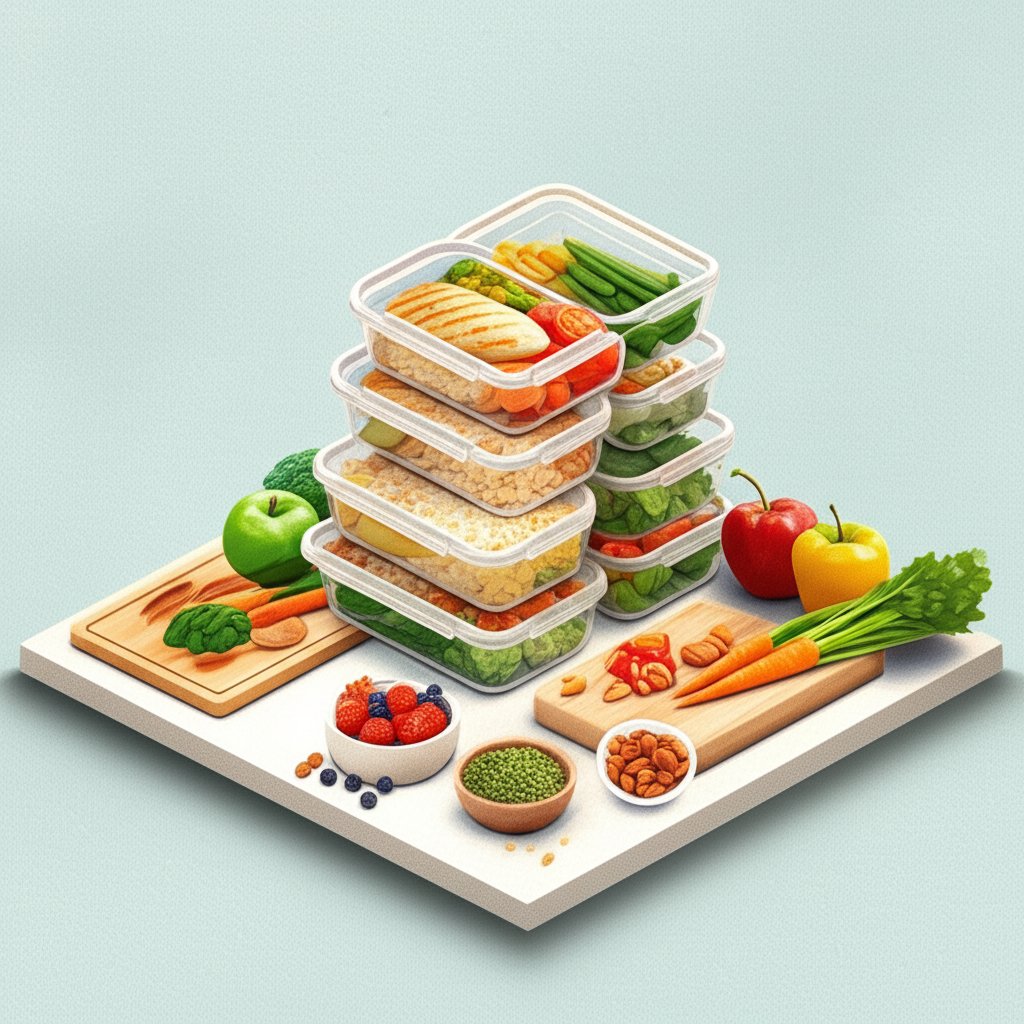
The biggest hurdle in hitting your nutrition goals isn’t a lack of motivation—it’s a lack of time. You know what you should be eating, but when life gets busy, convenience wins. Crafting delicious, balanced, macro friendly meal prep recipes can feel like a full-time job, leaving you to choose between a stressful Sunday in the kitchen or another week of expensive, unsatisfying takeout. But what if you could have it all: flavor, nutrition, and your time back?
The secret isn’t complicated recipes; it’s a smarter, simpler approach. By focusing on easy-to-assemble meals that balance protein, carbs, and fats, you can set your week up for success in under an hour. This isn’t about culinary perfection; it’s about practical, repeatable systems that work for real life.
At a Glance: Your Path to Effortless Meal Prep
This guide will give you the tools to stop stressing and start prepping. Here’s what you’ll walk away with:
- The “PFC” Blueprint: A simple framework for building a balanced macro meal without complicated calculators.
- 5 Go-To Recipes: Quick, delicious meals you can prep in 30 minutes or less.
- The Batch-Cooking Matrix: A mix-and-match system to create endless variety and avoid meal boredom.
- Smart Storage Tips: Practical advice to keep your food fresh and appealing for up to 5 days.
- Troubleshooting Guide: Quick answers to the most common meal prep pitfalls, from soggy salads to flavor fatigue.
Forget Complex Ratios: The Simple “PFC” Plate Method
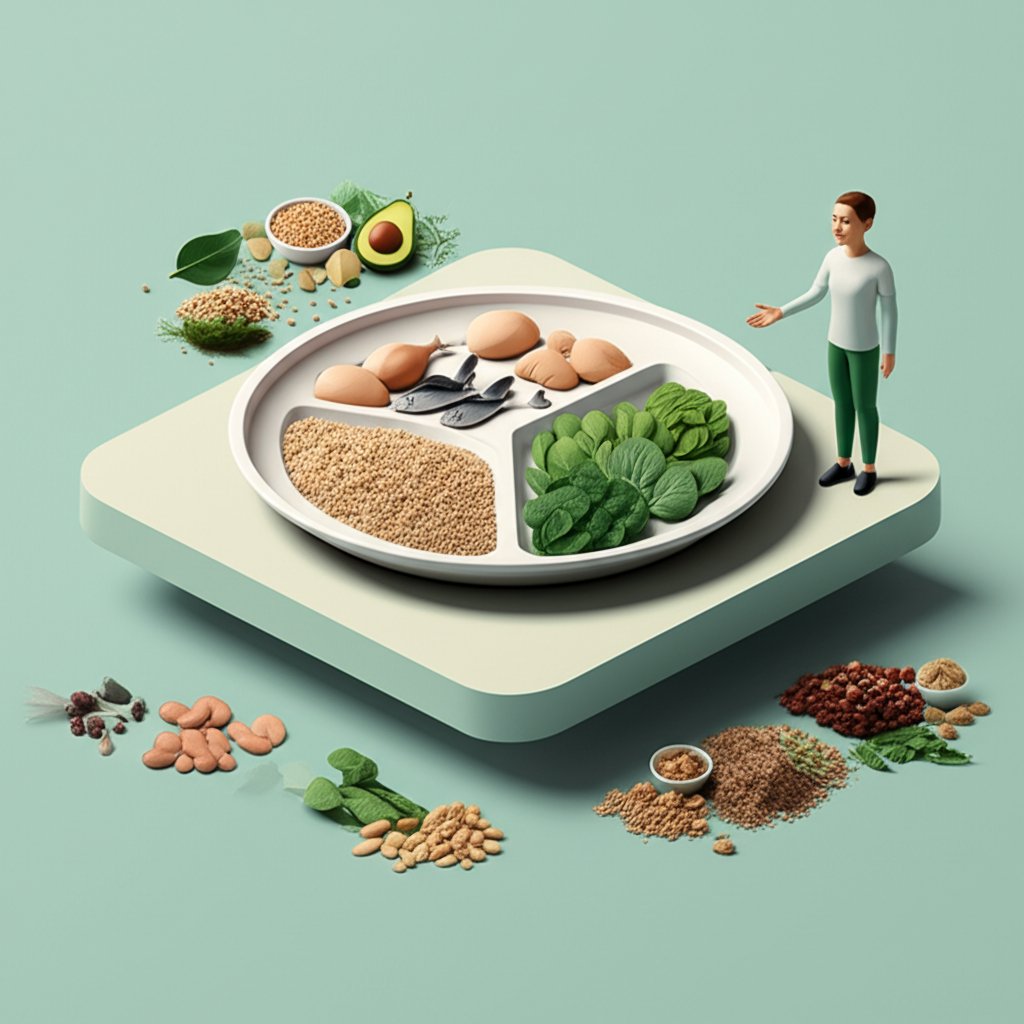
Before diving into recipes, let’s simplify the concept of “macros.” Instead of getting lost in grams and percentages, think of your plate in terms of three core components: Protein, Fat, and a Carb. This “PFC” method is the foundation of building satisfying, energy-sustaining meals.
Balancing these three macronutrients is what makes a meal “macro-friendly.” It ensures you’re not just getting calories, but the right kind of fuel to build muscle, maintain energy, and stay full. While this article focuses on easy recipes, you can explore more advanced concepts in our comprehensive guide to Macro Meal Prep Recipes.
Here’s a quick breakdown of your building blocks:
- Protein (P): The Anchor. Protein is crucial for muscle repair and is the most satiating macronutrient, meaning it keeps you feeling full longer. Aim to make this about 1/4 to 1/3 of your plate.
- Examples: Grilled chicken breast, ground turkey, salmon, hard-boiled eggs, tofu, lentils, chickpeas.
- Complex Carbs (C): The Energy. These are your primary fuel source. We’re focusing on complex carbs that are high in fiber, which digest slowly and provide sustained energy. This includes starchy carbs and fibrous veggies. Aim for these to fill about 1/2 of your plate.
- Examples: Quinoa, sweet potatoes, brown rice, oats, broccoli, spinach, bell peppers, zucchini.
- Healthy Fats (F): The Flavor & Function. Fats are essential for hormone function, vitamin absorption, and adding rich flavor to your meals. A little goes a long way.
- Examples: Avocado, olive oil, nuts, seeds, feta cheese.
Think of it like building with LEGOs. Once you have your P, F, and C blocks, you can assemble them in countless ways.
5 Go-To Recipes to Kickstart Your Week
Here are five incredibly simple macro friendly meal prep recipes that put the PFC method into action. Each one can be prepared in 30 minutes or less and requires minimal culinary skill.
1. The 20-Minute Mexican-Inspired Cauli-Rice Bowl
This one-pan wonder is perfect for a low-carb, high-protein lunch that’s packed with flavor.
- P: 1 lb ground turkey or lean ground beef (or 2 cans of black beans for a plant-based option).
- C: 1 bag (12 oz) frozen cauliflower rice, 1 sliced bell pepper, 1/2 sliced onion.
- F: 1 avocado, 1/4 cup shredded cheddar or cotija cheese.
- Flavor: 1 packet of taco seasoning, salsa.
Instructions:
- Brown the ground turkey in a large skillet over medium-high heat. Drain any excess fat.
- Add the sliced pepper, onion, and taco seasoning. Cook for 3-5 minutes until the veggies soften.
- Stir in the cauliflower rice and cook for another 5-7 minutes until heated through and tender.
- Portion into four containers. When ready to eat, top with sliced avocado, cheese, and a spoonful of salsa.
2. Sheet Pan Lemon Herb Chicken & Veggies
The ultimate hands-off meal prep. The oven does all the work, and you only have one pan to clean.
- P: 4 boneless, skinless chicken breasts or thighs.
- C: 1 large head of broccoli (cut into florets), 2 sweet potatoes (diced small).
- F: 2-3 tbsp olive oil.
- Flavor: 1 lemon (sliced), 2 tsp dried oregano, 1 tsp garlic powder, salt, and pepper.
Instructions:
- Preheat your oven to 400°F (200°C).
- On a large baking sheet, toss the diced sweet potatoes and broccoli florets with olive oil, oregano, garlic powder, salt, and pepper.
- Nestle the chicken among the vegetables and place lemon slices on top of the chicken.
- Bake for 20-25 minutes, or until the chicken is cooked through (165°F internal temperature) and the vegetables are tender.
- Divide evenly among four meal prep containers.
Pro Tip: Cut your sweet potatoes into small, 1/2-inch cubes. This ensures they cook at the same rate as the chicken and broccoli, preventing undercooked potatoes or overcooked chicken.
3. Speedy Greek Quinoa Salad Jars
This no-reheat recipe is a lifesaver for busy days. The key is layering the ingredients correctly to prevent a soggy mess.
- P: 2 cans (15 oz each) of chickpeas (rinsed), 1/2 cup crumbled feta cheese.
- C: 1 cup dry quinoa (cooked according to package directions), 1 cucumber (diced), 1 pint cherry tomatoes (halved).
- F: Feta cheese, plus dressing (1/4 cup olive oil, 2 tbsp red wine vinegar, 1 tsp dried oregano).
- Flavor: The dressing, plus chopped red onion and Kalamata olives (optional).
Instructions:
- Cook quinoa and let it cool completely.
- Prepare the dressing by whisking olive oil, vinegar, and oregano in a small bowl.
- Assemble your jars in this order from the bottom up:
- Layer 1 (Bottom): Dressing.
- Layer 2: “Hard” ingredients like chickpeas, cucumber, and red onion.
- Layer 3: Cherry tomatoes and quinoa.
- Layer 4 (Top): Feta cheese.
- Seal the jars and store them in the fridge. When ready to eat, shake vigorously and pour into a bowl.
4. Deconstructed Egg Roll in a Bowl
Get all the savory flavor of an egg roll without the hassle of frying. This recipe comes together in about 15 minutes.
- P: 1 lb ground pork or chicken.
- C: 1 bag (14 oz) coleslaw mix (shredded cabbage and carrots).
- F: 1 tbsp sesame oil.
- Flavor: 3 tbsp soy sauce (or coconut aminos), 1 tbsp minced ginger, 2 cloves minced garlic, 2 sliced green onions.
Instructions:
- Brown the ground pork in a large skillet or wok.
- Add the garlic and ginger and cook for 1 minute until fragrant.
- Stir in the coleslaw mix, soy sauce, and sesame oil. Cook, stirring frequently, for 5-7 minutes until the cabbage has wilted to your liking.
- Portion into containers and top with sliced green onions.
5. 15-Minute Spicy Tuna & White Bean Bowls
No cooking required! This is the ultimate emergency meal prep for when you have zero time or energy. It’s surprisingly high in protein and fiber.
- P: 4 cans (5 oz each) of tuna in water (drained), 2 cans (15 oz each) white beans (rinsed).
- C: The white beans, plus 4 large handfuls of spinach.
- F: 1 avocado, 2 tbsp olive oil.
- Flavor: Juice of 1 lemon, 1-2 tsp sriracha or red pepper flakes (to taste), salt, and pepper.
Instructions:
- In a large bowl, combine the drained tuna, white beans, olive oil, lemon juice, sriracha, salt, and pepper. Mix gently.
- Divide the spinach among four containers.
- Top the spinach with the tuna and bean mixture.
- When ready to eat, top with fresh slices of avocado.
Build Your Own Bowls: The Mix-and-Match Prep Method
Following specific recipes is great, but the real key to long-term success is creating a flexible system. The “Mix-and-Match” method involves batch-cooking individual components that you can assemble into different meals throughout the week. This is the ultimate weapon against flavor fatigue.
Simply pick one or two items from each column, prep them on Sunday, and store them in separate containers. Each day, build a new bowl based on what you’re craving.
| Protein (Pick 1-2) | Complex Carb (Pick 1-2) | Veggie (Pick 2-3) | Healthy Fat (Add daily) | Flavor (Sauces/Spices) |
|---|---|---|---|---|
| Shredded Chicken | Quinoa | Roasted Broccoli | Avocado | Greek Vinaigrette |
| Ground Turkey | Sweet Potato Cubes | Sautéed Bell Peppers | Olive Oil | Salsa / Pico de Gallo |
| Hard-Boiled Eggs | Brown Rice | Steamed Green Beans | Nuts/Seeds | Soy-Ginger Sauce |
| Baked Tofu | Chickpeas | Raw Spinach/Greens | Feta Cheese | Lemon-Tahini Dressing |
A Week in Action: A Quick Scenario
Here’s how you could use the components from the chart to create varied meals:
- Monday: A “Greek Bowl” with shredded chicken, quinoa, steamed green beans, and a sprinkle of feta, all drizzled with Greek vinaigrette.
- Tuesday: A “Taco Bowl” with ground turkey, sautéed peppers, and a base of spinach, topped with salsa and fresh avocado.
- Wednesday: A hearty “Power Salad” with hard-boiled eggs, chickpeas, roasted broccoli, and a handful of seeds with lemon-tahini dressing.
This approach keeps things interesting and allows you to adjust your meals on the fly.
Common Questions on Macro-Friendly Prepping
Even the simplest plans can have hiccups. Here are answers to a few common questions that might come up.
Q: How do I keep my prepped meals from getting soggy?
A: Condensation is the enemy. First, always let cooked food cool completely to room temperature before putting lids on and refrigerating. Second, store wet and dry ingredients separately. Keep sauces, dressings, and juicy toppings (like salsa) in small, separate containers until you’re ready to eat. For salads, use the jar-layering method mentioned above.
Q: How long do these meals really last in the fridge?
A: According to food safety guidelines, most cooked meals last for 3 to 5 days in an airtight container in the refrigerator. However, texture and quality can change. Cooked chicken, grains, and roasted vegetables hold up well for 4-5 days. Salads with delicate greens or dishes with fish are best eaten within 2-3 days.
Q: Isn’t meal prepping expensive?
A: It can actually save you a significant amount of money. Buying ingredients like chicken, rice, and oats in larger quantities is more cost-effective. More importantly, having a plan prevents last-minute, expensive takeout orders and reduces food waste from unused produce. A week of prepped lunches often costs less than two or three bought lunches.
Q: I get bored eating the same thing. How can I avoid this?
A: The mix-and-match batch-cooking method is your best friend. Instead of prepping five identical meals, prep the components. The easiest way to fight boredom is by changing up your sauces and seasonings. A simple bowl of chicken, rice, and broccoli can taste completely different with salsa versus a soy-ginger sauce or a lemon-herb vinaigrette.
Your First Step to a Simpler Week
You don’t need to transform your entire kitchen routine overnight. The goal of building sustainable habits is to start small and build momentum. Ditch the all-or-nothing mindset that leaves you feeling defeated before you even begin.
This week, your only mission is to pick one recipe from this list. Just one. Make four portions of it for your lunches, Monday through Thursday. That’s it. See how it feels to have a delicious, balanced meal ready to go. Notice the time you save, the energy you have, and the stress that melts away. That small win is the foundation for your new, effortless routine.

- Master Vegan Freezer Meal Prep to Simplify Your Busy Schedule - June 18, 2026
- Vegan Freezer Cooking Simplifies Healthy Meals on Busy Nights - June 17, 2026
- Vegetarian Freezer Recipes for Effortless Meal Prep and Delicious Dinners - June 16, 2026