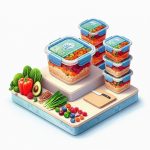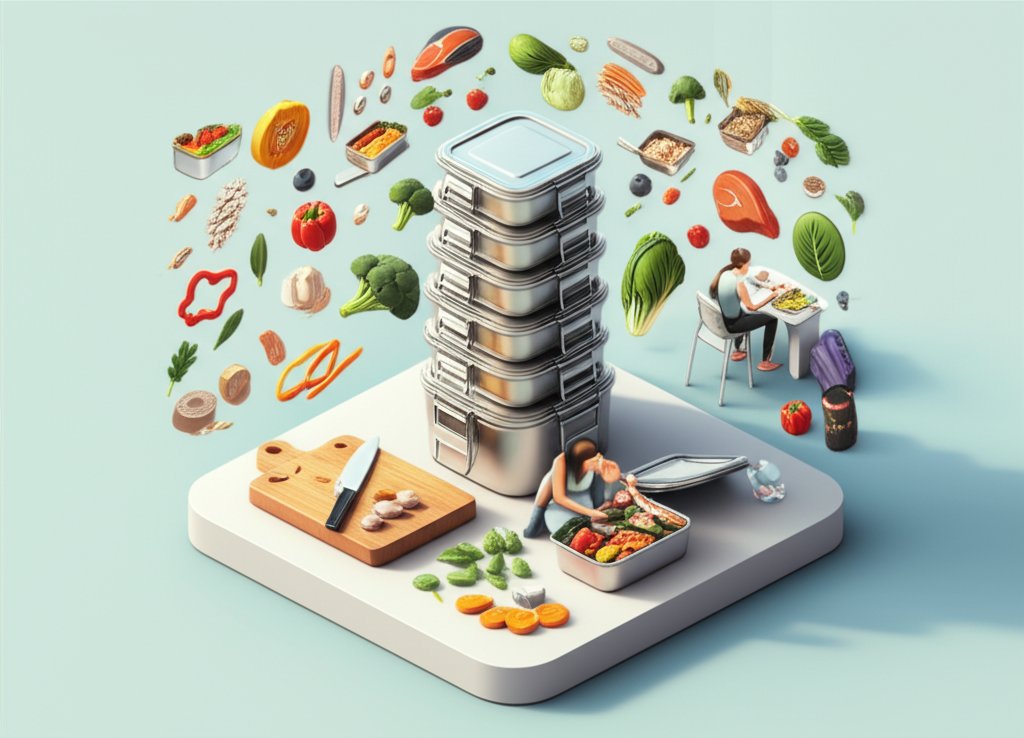
Tired of seeing your plastic food containers stained with tomato sauce, warped from the dishwasher, or smelling faintly of last week’s curry? You’re not alone. For years, we accepted these flaws as the norm. But a shift towards durability and health has brought a time-tested solution back into the spotlight: metal meal prep containers. Unlike their plastic counterparts, these stainless steel workhorses are built to withstand the rigors of daily use, offering a clean, safe, and sustainable way to store and transport your food.
This isn’t just about getting a new lunch box; it’s about upgrading your entire meal prep system to one that’s built to last.
At a Glance: Your Key Takeaways
- Why Steel Excels: Stainless steel is non-porous, meaning it won’t absorb stains, odors, or flavors. It’s also free of chemicals like BPA and phthalates found in some plastics.
- Choosing Your Kit: The right container depends on your meal. We’ll cover how to select the perfect sizes, shapes, and lid types for everything from soups to salads.
- Key Features to Demand: Look for leak-proof silicone seals, optional dividers for bento-style meals, and oven-safe ratings for ultimate versatility.
- The Real Cost-Benefit: While the initial price is higher, metal containers last for years, making them a more economical and eco-friendly choice in the long run.
- Daily Use and Care: Learn the simple dos and don’ts of packing, cleaning, and reheating to keep your containers in pristine condition.
Ditching Plastic for Good: The Core Benefits of Steel
The move to metal meal prep containers is more than a trend; it’s a practical decision rooted in performance, health, and sustainability. When you compare them head-to-head with plastic, the advantages become crystal clear.
Unmatched Durability and Longevity
Think of a stainless steel container as a one-time purchase. Made of durable, food-grade steel, these containers resist drops, dents, and corrosion. They won’t crack when dropped from the fridge or warp after a high-heat cycle in the dishwasher.
This “buy it for life” approach stands in stark contrast to plastic containers, which often need to be replaced annually due to cracking, staining, or clouding. As PlanetBox, a popular manufacturer, notes, a single set of quality containers can last for years, saving you from buying and discarding countless plastic alternatives. This durability makes them a true long-term investment in your kitchen.
A Cleaner, Healthier Way to Store Food
One of the biggest functional wins for stainless steel is its non-porous surface.
- No Stains, No Smells: That vibrant turmeric chicken or rich bolognese sauce won’t leave a permanent orange-red ghost behind. A simple wash returns the steel to its original, pristine state.
- No Flavor Transfer: Yesterday’s garlic-heavy pasta won’t make today’s fruit salad taste funky. The steel doesn’t hold onto residual flavors.
- Chemically Inert: High-quality metal meal prep containers are typically made from 18/8 (or 304) food-grade stainless steel. This material is non-reactive and won’t leach chemicals like BPA, BPS, or phthalates into your food, an assurance that provides peace of mind, especially when storing acidic or hot foods.
From Freezer to Oven: The Versatility Factor
This is where metal containers truly outshine the competition. Many stainless steel bases are safe to go directly from the refrigerator or freezer into a preheated oven or toaster oven (always without the lid). Imagine prepping a lasagna, freezing it, and then baking it in the very same container. It streamlines the entire cook-store-reheat process.
This incredible versatility is a key reason many people are switching to stainless steel for all their food storage needs. You can explore the broader applications in our complete Stainless food storage guide. This eliminates the need for extra baking dishes and simplifies cleanup dramatically.
A Practical Guide to Selecting the Right Metal Containers
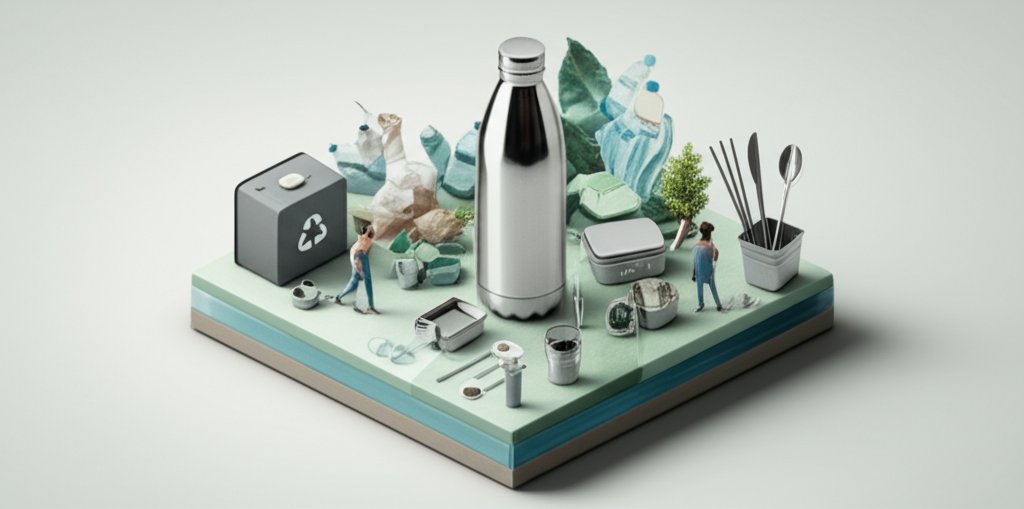
With a growing market, choosing the right metal meal prep containers can feel overwhelming. Focus on matching the container’s features to your specific eating and prepping habits.
Size and Shape: Matching the Container to the Meal
Not all meals are created equal, and your container collection should reflect that. A well-rounded set allows you to pack anything with ease.
| Container Type | Typical Capacity | Best For | Practical Example |
|---|---|---|---|
| Small Rounds | 8-12 oz | Dips, sauces, dressings, snacks | Packing hummus for veggies, a side of yogurt, or a serving of nuts. |
| Medium Rectangles | 24-35 oz | Standard lunch portions | A grilled chicken breast with roasted vegetables, a hearty grain bowl. |
| Large Rectangles | 40-50+ oz | Bulk prep, family leftovers | Storing a large batch of chili, marinating chicken thighs, packing a salad for two. |
| Shallow “Bento” | 30-40 oz | Separated meal components | A deconstructed taco bowl with compartments for meat, cheese, salsa, and lettuce. |
| Look for models that are designed to be stackable. This is a small but crucial feature for maintaining an organized fridge and pantry, preventing the dreaded container avalanche. |
The Lid Decision: Silicone, Steel, or a Hybrid?
The lid is just as important as the base. It dictates whether your container is leak-proof and how you can use it.
- Full Silicone Lids: These offer a fantastic, airtight, and leak-proof seal. They are flexible and easy to put on and take off. The main downside is that they can sometimes retain odors if not washed thoroughly and are not oven-safe.
- Stainless Steel Lids: This is the ultimate plastic-free option. These lids are incredibly durable and can often go in the oven along with the base. However, they typically don’t offer a leak-proof seal and are best suited for solid foods or storage at home.
- Hybrid Lids (Steel with a Silicone Seal): This design often provides the best of both worlds. A sturdy stainless steel lid is fitted with a removable silicone gasket around the edge, which creates a tight, leak-proof seal when secured by locking clips. This is the go-to choice for transporting soups, stews, and saucy dishes.
To Divide or Not to Divide?
Divided, bento-style containers are a meal prepper’s best friend for maintaining food quality.
- Single-Compartment Containers: These are your workhorses for “one-pot” style meals like soups, stews, large salads, pasta dishes, and casseroles where all the ingredients are meant to mix.
- Multi-Compartment Containers: These are game-changers for keeping components separate. They prevent crunchy things from getting soggy and strong flavors from mingling.
Case Snippet: For a packed lunch of grilled salmon, quinoa, and a side of steamed asparagus with a lemon wedge, a three-compartment container is ideal. It keeps the fish from making the quinoa greasy and the lemon from wilting the asparagus, ensuring each component tastes fresh and distinct at lunchtime.
Your Day-to-Day Playbook with Metal Meal Prep Containers
Owning the right containers is half the battle. Using them effectively is what transforms your routine.
Smart Packing Strategies for Optimal Freshness
- Cool Food First: Always let hot food cool to at least room temperature before sealing the lid. Trapping steam creates condensation, which can lead to soggy food and bacterial growth.
- Separate Wet from Dry: Use dividers or smaller internal containers to isolate wet ingredients. For salads, pack the dressing in a mini round container to add just before eating. This keeps your greens crisp.
- Fill Appropriately: While you want an airtight seal, overfilling a container can put stress on the lid and clips, potentially compromising the seal. Leave a little headspace.
Care and Cleaning: Keeping Your Containers Like New
Most stainless steel containers are designed for easy cleaning. The base is almost always dishwasher-safe. For lids, it’s best to place them on the top rack.
For hand-washing, use a soft sponge and dish soap. To tackle any stuck-on food, let the container soak in warm, soapy water or use a paste made from baking soda and water as a gentle abrasive. Crucially, if your lid has a removable silicone seal, pop it out once a week and wash it and the lid’s groove separately to prevent any mold or mildew buildup.
A Note on Microwaves: The One Big “Don’t”
This is the most important rule: Never put metal in the microwave. It is a fire hazard and will damage your appliance.
Fortunately, you have better reheating options that often result in better-tasting food:
- Toaster or Conventional Oven: The best method. Simply remove the lid and place the container directly in a preheated oven (around 350°F or 175°C) until warm. This reheats food evenly without creating rubbery textures.
- Stovetop: For soups, stews, and sauces, transfer the contents to a small pot and reheat over medium heat.
- Plate Transfer: If a microwave is your only option, transfer the food to a microwave-safe plate or bowl before heating.
Quick Answers to Common Questions
Let’s address some of the most frequent questions and concerns people have before making the switch.
Are metal meal prep containers truly leak-proof?
It entirely depends on the lid. Containers with simple, press-on steel lids are not leak-proof and are meant for solid foods. For 100% leak-proof confidence when carrying liquids like soup, you must choose a model with a silicone gasket and robust locking clips or a screw-on design. Always check the product description for a “leak-proof” guarantee.
Do they make my food taste metallic?
No. High-quality, food-grade stainless steel (look for 18/8 or 304 grades) is non-reactive. This means it doesn’t interact with food acids or bases and will not impart any metallic taste. If you’ve ever experienced this, it was likely from a low-quality metal product not intended for food storage.
Isn’t the initial cost really high?
The upfront cost is higher than a multi-pack of plastic containers, but the value is realized over time. A single $25 steel container that lasts a decade has a far lower cost-per-use than a $5 plastic container you replace every year. By investing in a durable set, you stop the cycle of repurchasing and throwing away. As some brands estimate, using one reusable container daily can prevent over 180 single-use containers from ending up in a landfill each year.
Are they heavy to carry around?
They are noticeably heavier than plastic but generally not cumbersome. For a single lunch container in a work bag or backpack, the weight difference is minimal and a small trade-off for the immense benefits in durability, health, and cleaning. If weight is a primary concern, look for brands that specialize in lighter-weight steel construction.
Making the Switch: Your First Step Towards a Better Meal Prep System
Transitioning to metal meal prep containers doesn’t have to be an expensive, all-or-nothing leap. The best approach is to start small and build your collection thoughtfully.
Begin by identifying your most common meal prep need. Is it packing a daily lunch salad? Storing leftovers from dinner? Choose one or two high-quality containers designed for that specific purpose. For example, if you pack a grain bowl every day, start with a 30-ounce rectangular container with a leak-proof hybrid lid.
Use them for a few weeks. Experience the ease of cleaning, the absence of stains, and the confidence of a secure seal. Once you see how they simplify your routine and elevate your food experience, you can gradually phase out your old plastic and build a lasting, versatile system that works for you.

- Master Vegan Freezer Meal Prep to Simplify Your Busy Schedule - June 18, 2026
- Vegan Freezer Cooking Simplifies Healthy Meals on Busy Nights - June 17, 2026
- Vegetarian Freezer Recipes for Effortless Meal Prep and Delicious Dinners - June 16, 2026