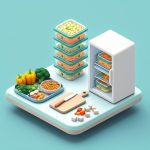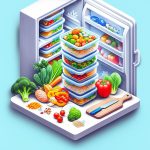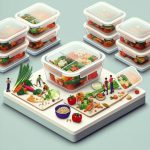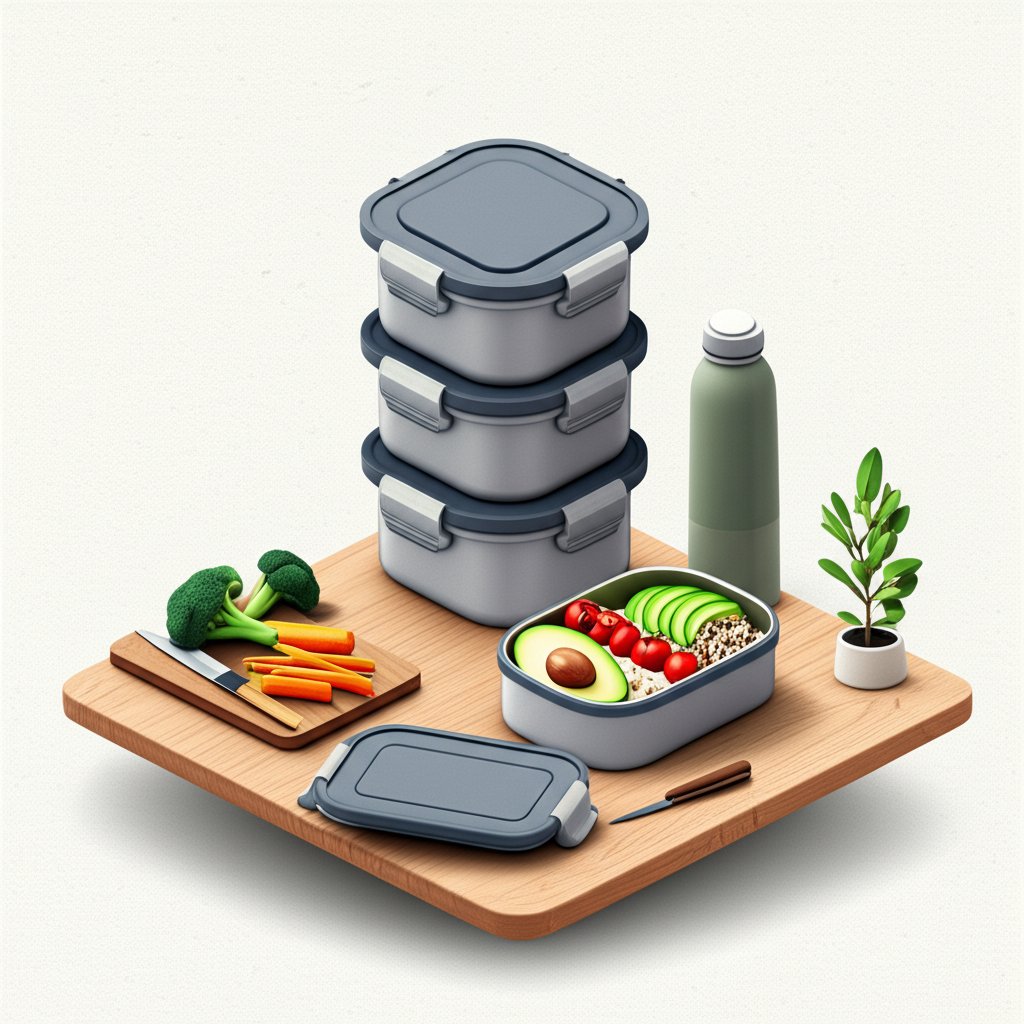
That moment your pristine plastic container emerges from the dishwasher with a permanent orange tint from last week’s pasta sauce is a familiar kitchen tragedy. Or perhaps it’s the faint, lingering smell of onions you just can’t scrub away. A high-quality stainless steel container doesn’t just solve these problems; it fundamentally changes how you store food, offering unmatched durability and purity that plastic and even glass can’t rival.
This isn’t just about finding a better box for leftovers. It’s about investing in a tool that keeps your food fresher, your kitchen more organized, and your habits healthier for years to come.
At a Glance: What You’ll Learn
- Why Grade Matters: Understand the difference between 304, 18/8, and 18/10 stainless steel and which is best for food.
- The Lid Decision: A breakdown of lid materials (silicone, plastic, steel) and which to choose for leak-proof performance versus easy stacking.
- Beyond Storage: How to safely use your containers for marinating, baking, and freezing without damaging them.
- Lifetime Maintenance: Simple, expert-backed tips to remove stains, prevent warping, and keep your steel looking brand new.
- Common Pitfalls: The critical mistakes to avoid, like using the wrong cleaning tools or putting them in the microwave.
- Smart Shopping: A quick guide to selecting your first set based on your primary needs—from daily lunches to bulk pantry storage.
The Unseen Advantages of a Stainless Steel Container
Before diving into the specifics of what to buy, it’s crucial to understand why stainless steel is the gold standard for food contact. It’s more than just a shiny, sturdy material; its properties directly contribute to better-tasting, safer food.
Unmatched Durability and Longevity
Plastic containers crack, warp in the dishwasher, and absorb stains and odors. Glass is heavy, shatters easily, and can chip along the rim, creating safety hazards. A stainless steel container, on the other hand, is virtually indestructible with normal kitchen use. It resists dents, corrosion, and extreme temperatures. Think of it as a one-time purchase that can replace a dozen cheap plastic containers over its lifespan.
Pure, Non-Reactive Surface
The key benefit of food-grade stainless steel is its non-porous and non-reactive nature. This means it won’t leach chemicals like BPA or phthalates into your food, a common concern with plastics. It also won’t react with acidic ingredients. You can store a batch of tomato sauce, a lemon-based vinaigrette, or a vinegar marinade for days without worrying about a metallic taste tainting your recipe or the container staining.
Superior Food Preservation
While not typically insulated unless they are double-walled, single-wall steel containers cool down much faster in the refrigerator or freezer than glass or plastic. This rapid temperature drop helps slow bacterial growth, keeping leftovers and prepped ingredients fresher for longer. The airtight seals on high-quality models also lock out oxygen, a primary culprit in food spoilage.
Choosing the Right Container: A Practical Framework
Not all steel is created equal. The details—from the metal grade to the lid design—determine a container’s performance and longevity. Making an informed choice upfront saves you from frustration later.
The Grade Game: Decoding 18/8 and 304 Steel
When you see numbers like “18/8” or “304,” they refer to the composition of the stainless steel. This isn’t just marketing jargon; it’s a direct indicator of quality and corrosion resistance.
- 18/8 or 304 Grade: This is the most common and trusted food-grade stainless steel. The “18” refers to 18% chromium content, which provides rust and tarnish resistance. The “8” refers to 8% nickel, which enhances durability and adds to the corrosion defense, especially against acids and salts. For almost all food storage needs, 18/8 (which is part of the 300 series, specifically Type 304) is the benchmark.
- 18/10 (or 316 Grade): Slightly more premium, this steel contains 10% nickel. The extra nickel offers a marginal increase in corrosion resistance, making it a favorite for high-end cookware and surgical instruments. While excellent, it’s often overkill for a simple food container.
- Avoid 200-Series or Unmarked Steel: Cheaper containers may use 200-series steel, which substitutes manganese for some of the nickel. This alloy is more prone to rust and corrosion over time, especially when exposed to salty or acidic foods. If a brand doesn’t specify its grade, be cautious.
Case Snippet: A meal prepper was frustrated when their generic metal containers started showing small rust spots after storing a batch of brined pickles. They switched to a set of certified 304-grade containers and the problem disappeared entirely, as the higher nickel content easily withstood the salty, acidic brine.
Lids Matter More Than You Think
The container body is only half the equation. The lid determines whether it’s leak-proof for soup, stackable in the fridge, or oven-safe for reheating.
| Lid Type | Pros | Cons | Best For |
|---|---|---|---|
| Silicone | Excellent leak-proof seal, flexible, oven-safe, plastic-free. | Can attract lint, may absorb strong odors over time. | Soups, stews, dressings, taking lunch to work. |
| LDPE Plastic | Easy to snap on/off, often transparent, stacks well. | Not oven/microwave safe, can crack over time, not 100% plastic-free. | Leftovers in the fridge, pantry storage, kid-friendly use. |
| Stainless Steel | Extremely durable, oven-safe, creates a fully plastic-free container. | Rarely 100% leak-proof (unless it has a silicone gasket). | Dry goods, pantry organization, baking small portions. |
| Choosing the right lid system is foundational to building a useful collection. Once you understand the options, it becomes easier to build a complete meal prep system. For a wider view on creating that system, our comprehensive Stainless food storage guide walks through integrating different container types for fresh, organized meals. |
Single-Wall vs. Double-Wall Construction
This choice comes down to one question: are you storing or transporting?
- Single-Wall: These are the standard for at-home food storage. They are lightweight, stackable, and perfect for refrigerating leftovers, marinating meats, or organizing pantry items. They are not designed to keep food hot or cold for extended periods.
- Double-Wall (Insulated): These function like a thermos. A vacuum between two layers of steel prevents heat transfer, keeping hot food hot and cold food cold for hours. They are heavier, bulkier, and ideal for packing a hot lunch, carrying soup, or keeping a fruit salad chilled for a picnic.
The Practical Playbook: Mastering Your Stainless Steel Set
Owning a great stainless steel container is one thing; using it to its full potential is another. Follow these best practices to ensure your investment pays off.
Best Uses for Prepping and Storing
- Marinating: The non-reactive surface is perfect for acidic marinades (like those with citrus, vinegar, or tomato). Unlike plastic, it won’t stain or hold onto the flavors of garlic and spices.
- Crisping Greens: Line the bottom of a container with a dry paper towel, add your washed and dried salad greens, and seal. The steel helps keep the leaves cold and crisp far longer than a plastic bag.
- Freezing Soups and Broths: Leave about an inch of headspace to allow for expansion as the liquid freezes. Steel freezes faster than glass, preserving freshness, and you don’t have to worry about the thermal shock that can shatter glass.
- Oven Reheating: Many all-steel or steel-with-silicone-lid containers are oven-safe up to around 400°F (200°C). This is perfect for reheating leftovers like lasagna or a casserole without dirtying another dish. Always check the manufacturer’s instructions first.
Cleaning and Maintenance for a Lifetime of Use
Stainless steel is low-maintenance, but a few tricks keep it pristine.
- For Daily Cleaning: A simple wash with warm, soapy water and a non-abrasive sponge is all you need. Most are also top-rack dishwasher safe.
- To Remove Water Spots: Hard water can leave mineral deposits. Simply wipe the container with a soft cloth dampened with white vinegar, then rinse and dry.
- To Tackle “Rainbow Stains” (Heat Tint): Sometimes you’ll see a harmless, iridescent rainbow sheen caused by heat. This is a natural oxidation of the chromium. To remove it, make a paste of baking soda and water, gently scrub the area, and rinse thoroughly.
- For Stuck-On Food: Avoid steel wool or harsh scouring pads, which will permanently scratch the surface. Instead, soak the container in hot, soapy water for an hour, or simmer a little water and baking soda in it on the stovetop for a few minutes before washing.
What Not to Do with Your Stainless Steel Container
- Never Put It in the Microwave: This is the number one rule. Metal reflects microwaves, which can cause arcing (sparks) and severely damage your appliance.
- Avoid Abrasive Cleaners and Tools: Bleach, chlorine-based cleaners, oven cleaners, and steel wool will damage the passive layer that protects the steel from rust.
- Don’t Use It for Long-Term Storage of Very Salty Foods: While a few days of brining is fine, storing extremely salty items for weeks or months on end can eventually pit the surface of lower-quality steel.
Quick Answers to Common Questions
Got a lingering question? Here are fast, clear answers to the most common queries.
Q: Can you put a stainless steel container in the freezer, oven, and dishwasher?
Yes, with caveats.
- Freezer: Absolutely. They are freezer-safe and a great alternative to plastic.
- Oven: Yes, most single-wall containers are oven-safe (usually up to 400-500°F). Always remove any plastic parts or lids first unless the lid is specified as oven-safe (like silicone).
- Dishwasher: Yes, most are dishwasher-safe. It’s best to place them on the top rack.
Q: Will a stainless steel container make my food taste like metal?
No. High-quality, food-grade stainless steel (like 18/8 or 304) is non-reactive and will not leach any flavors into your food. If you experience a metallic taste, it’s likely from a very low-quality, non-food-grade container.
Q: Are all stainless steel food containers the same?
Definitely not. The grade of the steel, the quality of the welds, and the design of the lid are huge differentiators. A well-known brand that specifies “18/8” or “304” steel with a leak-proof silicone seal is a world apart from a cheap, unmarked container.
Q: Why are they more expensive than plastic?
The initial cost is higher due to raw material prices and a more complex manufacturing process. However, the true value lies in longevity. One stainless steel container can easily outlast 10 or 20 plastic ones, making it far more economical and environmentally friendly in the long run.
Your First Step to a Better-Organized Kitchen
Switching to stainless steel food storage is a simple upgrade with a huge impact. It eliminates concerns about plastic safety, puts an end to stained and smelly containers, and provides a durable, buy-it-for-life solution.
Start by identifying your biggest food storage pain point.
- For Soggy Salads and Sad Desk Lunches: Invest in one or two medium-sized containers with leak-proof silicone lids.
- For Chaotic Leftover Management: A nested set of three to five round or rectangular containers will bring instant order to your fridge.
- For Bulk Pantry Goods: Large, stackable containers with secure (but not necessarily leak-proof) lids are perfect for flour, rice, or beans.
By choosing the right tool for the job, you’re not just buying a container; you’re adopting a smarter, safer, and more sustainable way to manage your food.

- Master Vegan Freezer Meal Prep to Simplify Your Busy Schedule - June 18, 2026
- Vegan Freezer Cooking Simplifies Healthy Meals on Busy Nights - June 17, 2026
- Vegetarian Freezer Recipes for Effortless Meal Prep and Delicious Dinners - June 16, 2026