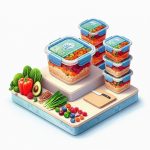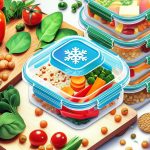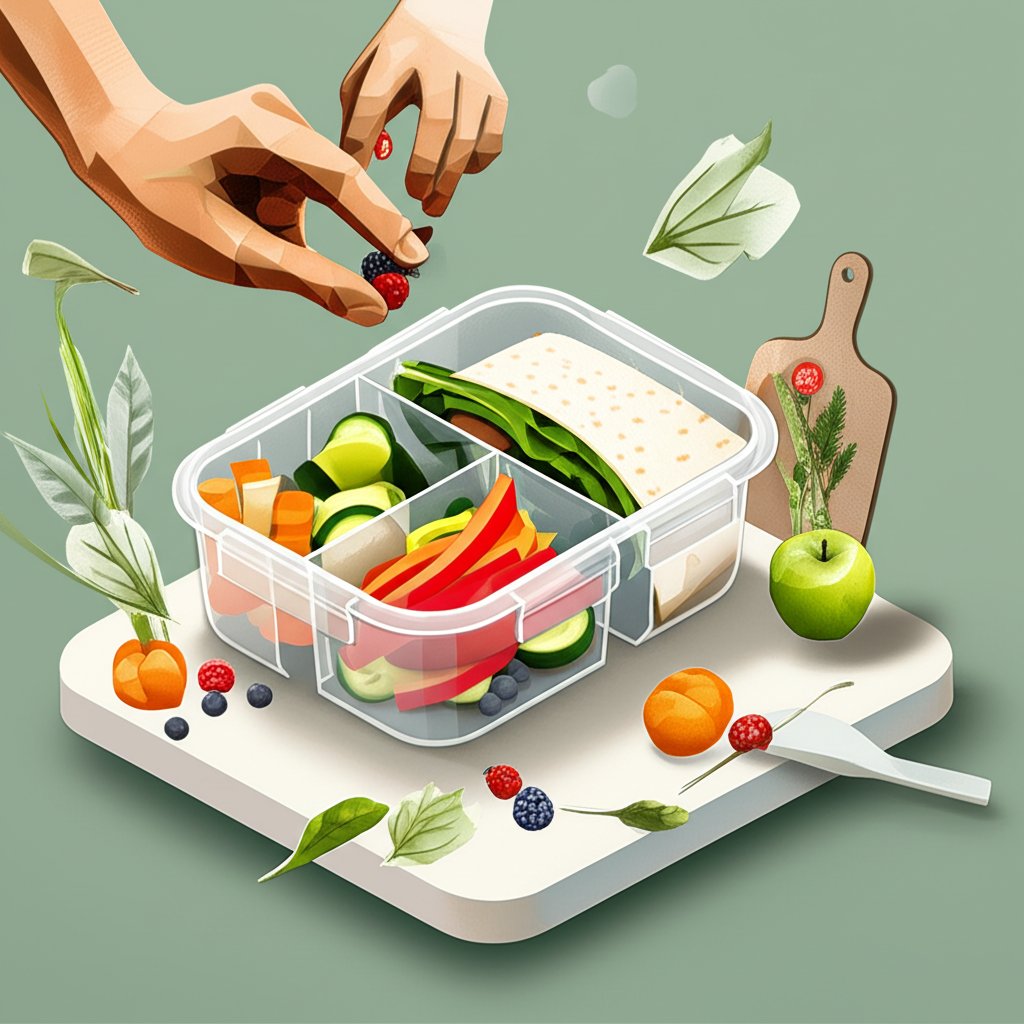
We’ve all been there. You pack what should be a perfect, healthy lunch—crisp salad greens, grilled chicken, a side of quinoa, and a light vinaigrette. But by noon, it’s a culinary tragedy. The dressing has turned your greens into a soggy swamp, and everything tastes vaguely… the same. This is precisely the problem that separated lunch containers were designed to solve, acting as the ultimate defense against unappetizing, one-note meals.
They are more than just boxes; they are a strategy for a better lunch. By creating distinct zones for each component of your meal, you preserve the individual texture, flavor, and integrity of your food until you’re ready to eat.
At a Glance: What You’ll Learn
- Why distinct compartments are the key to unlocking better flavor and texture in your packed lunches.
- How to choose the right material—glass, plastic, or stainless steel—for your specific needs and lifestyle.
- The critical differences in lid and seal technology that prevent leaks and lock in freshness.
- Practical frameworks for matching the number and size of compartments to your favorite types of meals.
- Actionable tips for packing everything from crunchy salads to hot, reheatable leftovers perfectly every time.
Why Compartments Are Non-Negotiable for Better Meals
A single-compartment container treats your entire meal as one entity. This is fine for stews, casseroles, or a simple pasta dish. But the moment you introduce multiple components with different moisture levels or textures, you’re setting yourself up for disappointment. Separated lunch containers create food-grade firewalls, and that’s a bigger deal than it sounds.
This principle of intentional separation is the core reason why so many meal prep pros swear by them. It’s how you truly Unlock meal prep’s secret weapon. The benefits go beyond simple neatness:
- Texture Preservation: This is the most immediate win. Keep croutons crunchy, nuts firm, and crackers snappy by giving them their own dry zone. Wet ingredients like dressings, sauces, or juicy fruits can’t invade and ruin them.
- Flavor Integrity: No one wants their apple slices tasting like last night’s garlic chicken. Separate compartments prevent flavor “bleeding,” ensuring each part of your meal tastes exactly as it should.
- Built-in Portion Control: The dividers aren’t just for separation; they’re for proportion. A well-designed container often has a larger section for a main (like greens or a protein) and smaller sections for sides (like grains, fruits, or nuts), nudging you toward balanced meals without needing a food scale.
Think of it like a deconstructed dish. You wouldn’t pour the dressing on a restaurant salad an hour before it’s served. A separated lunch container lets you apply that same logic to your own meals, giving you a fresh, vibrant experience every time.
Decoding the Materials: Glass vs. Plastic vs. Stainless Steel
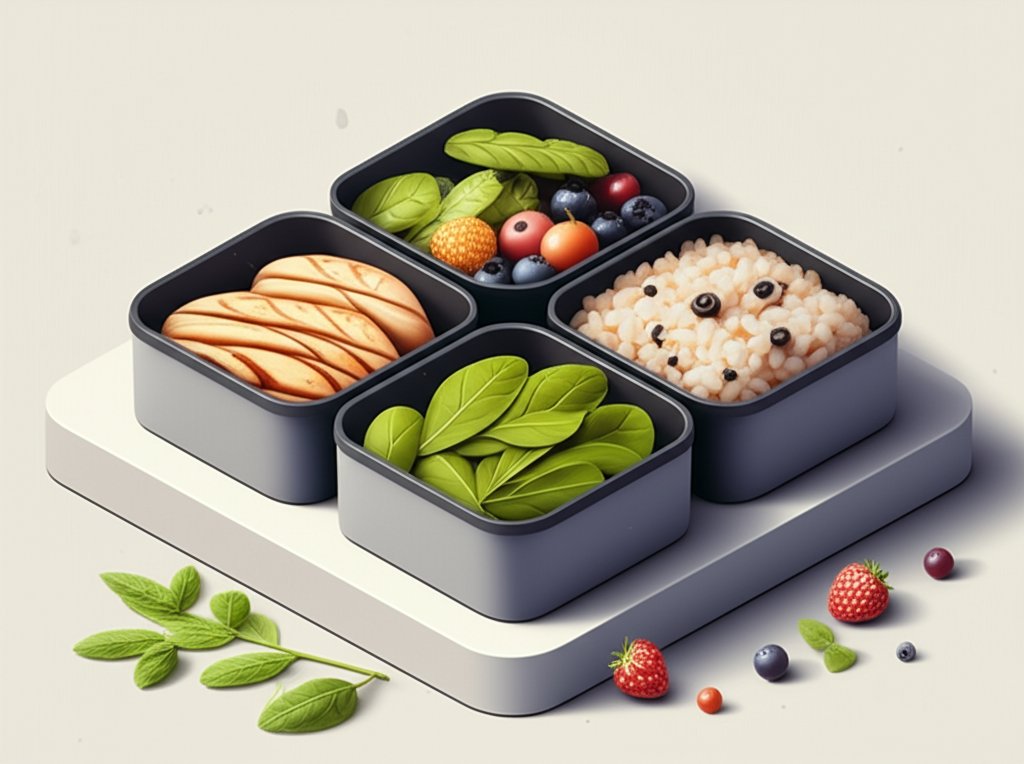
The material of your container dictates its weight, durability, and how you can use it. There’s no single “best” option—only what’s best for your routine.
| Feature | Glass | BPA-Free Plastic | Stainless Steel |
|---|---|---|---|
| Microwave Safe | Yes (without lid) | Yes (check label) | No |
| Dishwasher Safe | Yes | Yes (top-rack best) | Yes |
| Stain/Odor Resistance | Excellent | Fair to Good | Excellent |
| Durability | Good (but can break) | Excellent | Superior |
| Weight | Heaviest | Lightest | Light |
| Best For | Reheating leftovers, purity | Portability, kids, budget | Cold meals, durability |
The Case for Glass
Glass containers are the gold standard for purity. They won’t stain, even with tomato sauce, nor will they retain odors from potent foods like curry or fish. They are fantastic for those who primarily pack leftovers to reheat in the office microwave, as they heat evenly and don’t leach chemicals. The main drawback? They are heavy and can shatter if dropped.
The Power of Plastic
Modern BPA-free plastic is the undisputed champion of convenience. It’s lightweight, affordable, and highly durable, making it perfect for daily commutes, gym bags, and kids’ backpacks. Look for high-quality brands like Rubbermaid TakeAlongs, as cheaper plastics can stain and warp over time. They offer the widest variety of compartment configurations.
The Strength of Stainless Steel
Stainless steel is virtually indestructible, making it a great long-term investment. It’s a fantastic choice for bento-style lunches, salads, and sandwiches that will be eaten cold or at room temperature. While you can’t microwave it, it’s lightweight, easy to clean, and completely inert, meaning zero flavor or odor transfer.
The Anatomy of a Perfect Seal: Preventing the Dreaded ‘Lunchbox Leak’
A separated lunch container is only as good as its lid. A weak seal can lead to dressings seeping into your bag or a wet mess in your car. Understanding the technology helps you pick a winner.
Snap-Lock Lids with Silicone Gaskets
This is the most secure system on the market. These lids typically have four locking tabs that clamp down on the container base. A removable silicone ring (the gasket) sits in a channel on the lid, creating an airtight and often leak-proof seal when compressed.
- Pro-Tip: For a container to be truly leak-proof between compartments, the dividers must extend all the way up to the lid and press firmly against a corresponding groove or the flat silicone gasket. If the dividers stop short of the lid, it’s only leak-resistant—fine for keeping carrots from touching your sandwich, but not for stopping yogurt from seeping over.
Simple Press-On Lids
These are common on more basic plastic containers. They are lighter and simpler but offer less security. They are perfectly adequate for solid foods but are not a reliable choice for anything with sauces, dressings, or liquids.
- Case Snippet: Sarah, a daily commuter, packed a Greek yogurt parfait in a container with low dividers and a simple press-on lid. The container got tilted in her bag, and by the time she got to work, the yogurt had mixed with her granola, turning it into a sad, soggy mush. She switched to a glass container with high dividers and a snap-lock lid, solving the problem instantly.
A Practical Playbook: Matching the Container to Your Meal
Don’t just buy a container; choose a system that fits your eating style. Here’s how to match the layout to the lunch.
For the Salad Fanatic (2- or 3-Compartment)
Your goal is to isolate moisture and texture. A container with one large section and two smaller ones is ideal.
- Large Compartment: The greens (spinach, lettuce, kale).
- Small Compartment #1: Wet/soft toppings (tomatoes, cucumbers, bell peppers, cheese).
- Small Compartment #2: Dry/crunchy toppings (croutons, nuts, seeds) and a small, separate mini-container for dressing.
- Execution: Pack the night before, but keep the dressing separate until seconds before you eat. This guarantees a crisp, fresh salad.
For the “Bento Box” Enthusiast (4+ Compartments)
This style is all about variety and small, distinct portions. Think of it as an adult Lunchable.
- Compartment #1: Protein (hard-boiled egg, rolled-up turkey, cubed tofu).
- Compartment #2: Healthy Fat (avocado slices, a handful of almonds, olives).
- Compartment #3: Veggies (baby carrots, celery sticks, snap peas) with a small dollop of hummus.
- Compartment #4: Fruit (grapes, berries, orange segments).
- Bonus: Use silicone muffin cups inside a larger compartment to create even more separation for things like dips or small treats.
For the Hot Lunch Hero (2- or 3-Compartment, Glass)
You need a container that can go from the fridge to the microwave without issue. Glass is your best friend here.
- Large Compartment: The main dish that needs the most heat (chicken and broccoli, leftover curry, pasta).
- Small Compartment: A side that needs less heating or can be added after (a scoop of rice, quinoa, or a dinner roll).
- Pro-Tip: When reheating, vent the lid or remove it and cover with a paper towel. Stir halfway through for even heating. If you have a side like a fresh garnish or a cool sauce (e.g., sour cream for chili), pack it in a container that allows you to remove just that section before microwaving.
Your Top Questions About Separated Lunch Containers Answered
Q: Are glass separated containers too heavy and fragile for everyday use?
A: They are heavier than plastic, which is a consideration for a long walking commute or for kids. However, modern borosilicate glass is surprisingly durable and thermal-shock resistant. Many people find the superior cleaning and reheating performance to be worth the extra weight. If you drive to work, the weight is a non-issue.
Q: How do I stop my plastic containers from smelling like my food?
A: Three quick tips. First, rinse the container immediately after use. Second, wash it on the top rack of the dishwasher. Third, for stubborn odors (like curry or garlic), make a paste of baking soda and water, coat the inside, let it sit for a few hours, and then wash as usual.
Q: Are all separated lunch containers freezer-safe?
A: Most high-quality plastic and glass containers are freezer-safe, but always check the manufacturer’s label. When freezing liquids, leave a little headspace for expansion. Stainless steel is generally freezer-safe, but again, check the product details.
Q: Aren’t bento boxes and separated containers just for kids?
A: Absolutely not! While the colorful, character-themed bento boxes are popular for kids, the principle of separated compartments is a cornerstone of adult meal prep. The adult versions are typically more streamlined, use materials like glass and stainless steel, and feature compartment sizes geared toward adult portions.
Your Next Step: Choosing Your First Real Meal Prep Partner
Stop letting subpar containers sabotage your lunch. The right separated lunch container isn’t an expense; it’s an investment in better-tasting, healthier, and more enjoyable meals. Making the right choice is simple when you focus on your primary need.
Use this quick decision guide:
- If you reheat leftovers 90% of the time… Start with a 2- or 3-compartment glass container. The clean heating is a game-changer.
- If you need something lightweight for on-the-go salads and snacks… A high-quality, BPA-free plastic container with a snap-lock lid is your most versatile option.
- If you prioritize durability and pack cold lunches like sandwiches and bento boxes… A stainless steel container will last you for years and keep your food perfectly fresh.
Pick one that matches your lifestyle and pack just one meal in it this week. When you sit down to a lunch where every component is as fresh and delicious as when you packed it, you’ll wonder how you ever managed without it.

- Master Vegan Freezer Meal Prep to Simplify Your Busy Schedule - June 18, 2026
- Vegan Freezer Cooking Simplifies Healthy Meals on Busy Nights - June 17, 2026
- Vegetarian Freezer Recipes for Effortless Meal Prep and Delicious Dinners - June 16, 2026