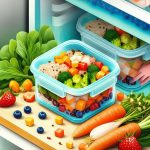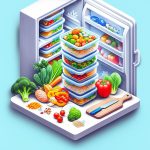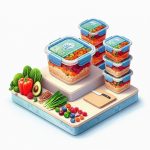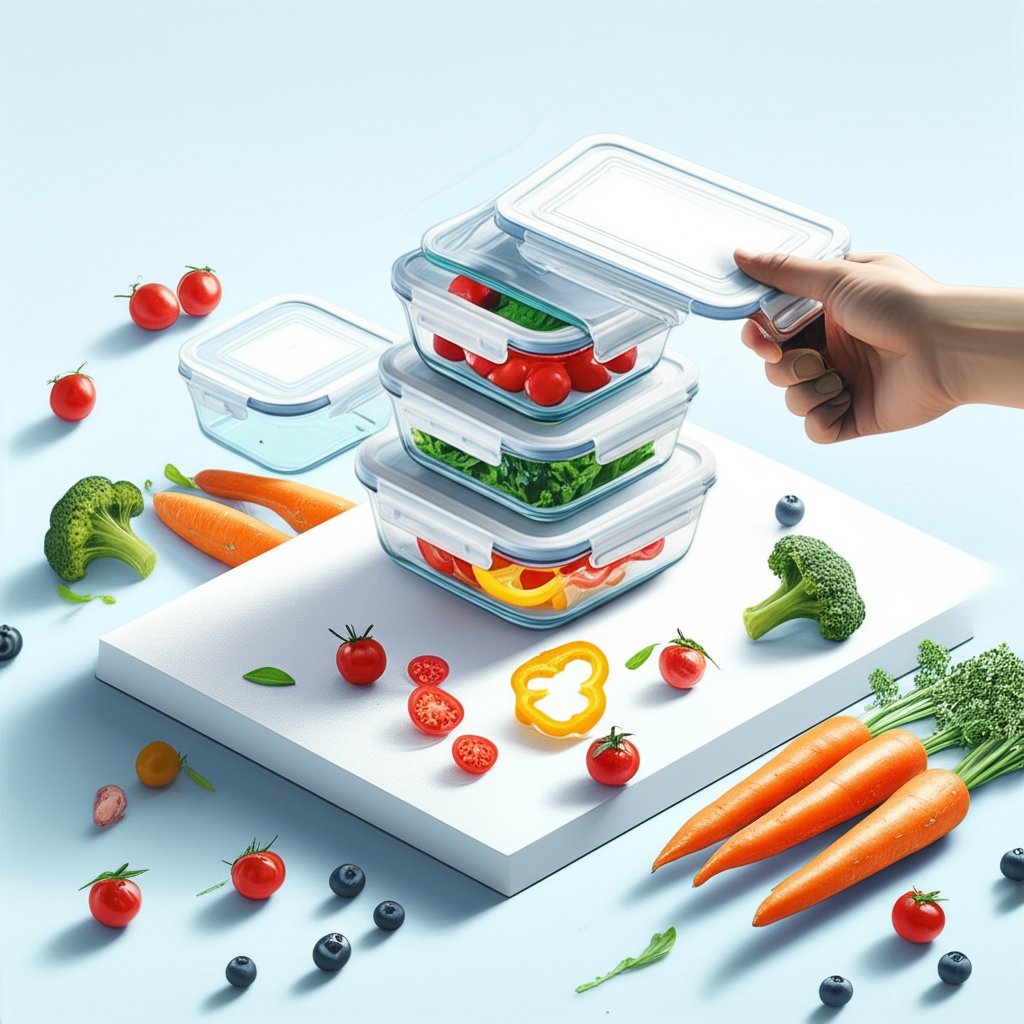
You’ve been there. You pull a plastic container from the microwave, and its edges are warped, the inside permanently stained by last week’s pasta sauce. Or worse, you hear a dreaded crack as a glass dish, fresh from the fridge, meets the heat of the oven. These moments are why a growing number of kitchens are standardizing on borosilicate food containers, a superior option engineered to handle the thermal stresses of everyday life without complaint. They represent a smart investment in safety, durability, and food purity.
But not all glass containers are created equal, and the details—from the lid’s locking mechanism to the thickness of the glass—make all the difference. This guide breaks down exactly what to look for, how to use these containers to their full potential, and how to avoid common pitfalls.
At a Glance: Your Takeaways
- Thermal Shock Resistance: Understand why borosilicate glass can go from cold to hot environments where regular soda-lime glass would shatter.
- The Lid is Half the Battle: Learn to evaluate lid materials (plastic, silicone), locking systems, and venting features for maximum performance.
- Safe Heating Practices: Follow a step-by-step process for safely moving containers from the freezer to the oven or microwave.
- Identifying True Quality: Discover how to spot genuine borosilicate containers and avoid lower-quality alternatives.
- Long-Term Care: Get simple tips for cleaning and maintenance to keep your containers pristine and functional for years.
The Borosilicate Difference: Engineered for the Modern Kitchen
At first glance, all glass looks the same. But the science behind borosilicate glass makes it uniquely suited for the temperature extremes of food storage and reheating. The secret ingredient is boron trioxide, which fundamentally changes the glass’s atomic structure.
This addition creates a material with a very low coefficient of thermal expansion. In simple terms, it doesn’t expand or contract much when its temperature changes rapidly. Regular soda-lime glass (the kind used for most drinking glasses and many cheaper food containers) expands and contracts significantly. When one part of the glass heats up faster than another—like when you pour hot soup into a cold bowl—the resulting stress can cause it to crack or even shatter.
Borosilicate glass, however, remains stable. This is the same material trusted for high-end laboratory equipment and quality cookware for a reason: it’s reliable under pressure. This inherent thermal stability is the core benefit that makes borosilicate food containers a worthwhile upgrade. For a deeper dive into the material science and its broader applications, our comprehensive Borosilicate glass storage guide provides a complete overview.
Decoding the Lids: The Unsung Hero of Food Storage
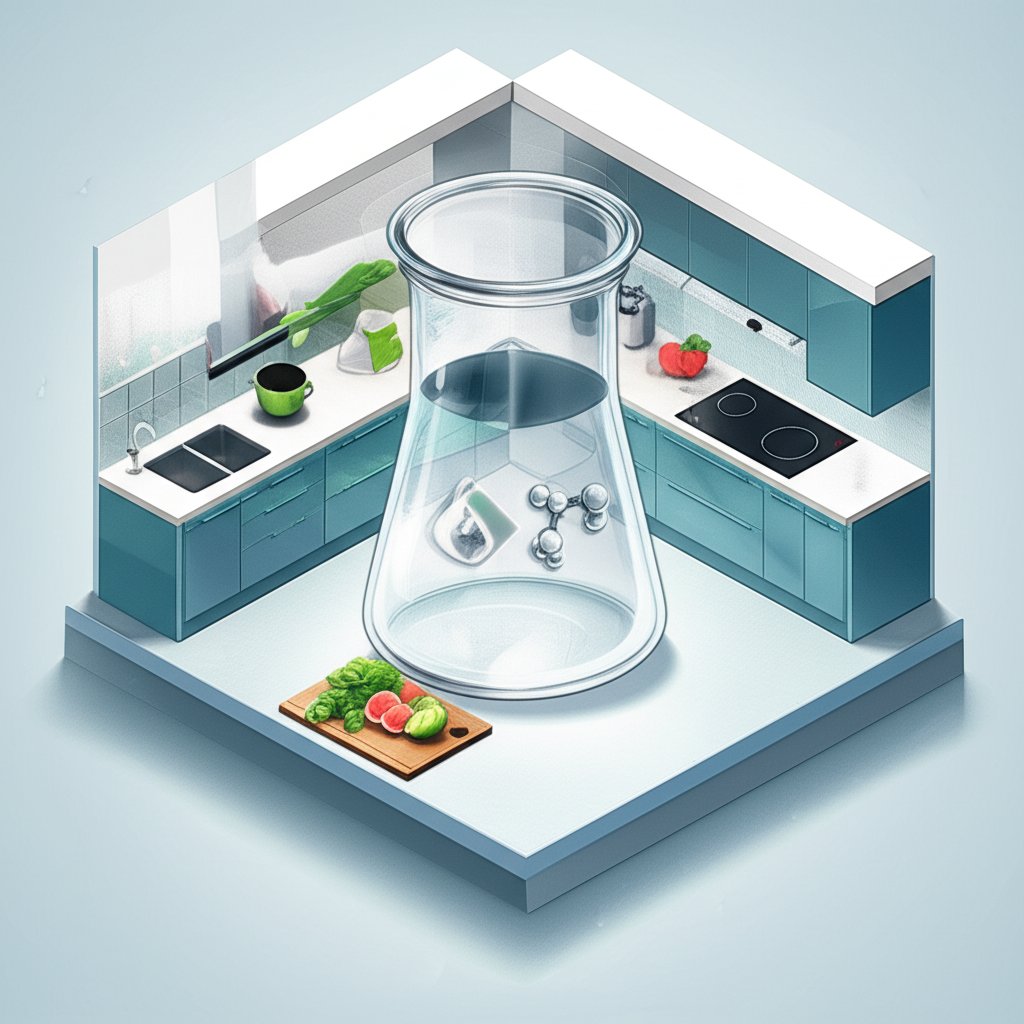
The best glass container in the world is let down by a flimsy, ill-fitting lid. The lid is responsible for keeping food fresh, preventing leaks, and even helping with safe reheating. When choosing borosilicate food containers, pay as much attention to the lid as you do to the glass.
Lid Materials Matter: Plastic vs. Silicone vs. Bamboo
Each lid material comes with a distinct set of trade-offs.
- BPA-Free Plastic: This is the most common and often most practical option. Look for sturdy, BPA-free polypropylene (PP, #5 plastic).
- Pros: Rigid structure makes them easy to snap on and off. Four-way locking tabs create a highly secure, often airtight and leak-proof seal. They are stackable and dishwasher-safe.
- Cons: Can become brittle over time and may crack if dropped. While far more stain-resistant than old plastics, they can still absorb odors or faint colors from potent foods like curry. They are not oven-safe.
- Silicone: A flexible and highly durable alternative.
- Pros: Extremely durable and long-lasting. They are often oven-safe (check manufacturer specs, but up to 400°F is common), microwave-safe, and freezer-safe. They won’t crack or warp.
- Cons: Their flexibility can make them harder to seal. They may not feel as securely “locked” as a snap-on lid. The material can also attract dust and lint.
- Bamboo: An eco-friendly and stylish choice, best for specific uses.
- Pros: Aesthetically pleasing, sustainable material. Great for pantry storage of dry goods like grains, nuts, or pasta.
- Cons: Not airtight or leak-proof. Not safe for the dishwasher, microwave, or oven. Requires hand-washing and periodic oiling to prevent cracking.
The Anatomy of a Leak-Proof Seal
For meal prep and storing leftovers, a perfect seal is non-negotiable. Look for two key features:
- Four-Way Locking Tabs: These hinged tabs on each side of the lid clamp down, providing even pressure and a reassuring “click” that confirms the container is sealed. This design is far superior to simple press-on lids for preventing leaks.
- Removable Silicone Gasket: Inside the lid’s groove, there should be a flexible silicone ring. This is the gasket that creates the airtight and watertight seal against the glass rim. Critically, this gasket should be easily removable. This allows for thorough cleaning to prevent mold and bacteria from building up in the channel—a common problem with non-removable gaskets.
A final feature to look for is a small air vent on the lid. This small silicone plug can be opened to allow steam to escape during microwaving, preventing pressure buildup and messy splatters while still keeping your food moist.
A Practical Playbook for Everyday Use
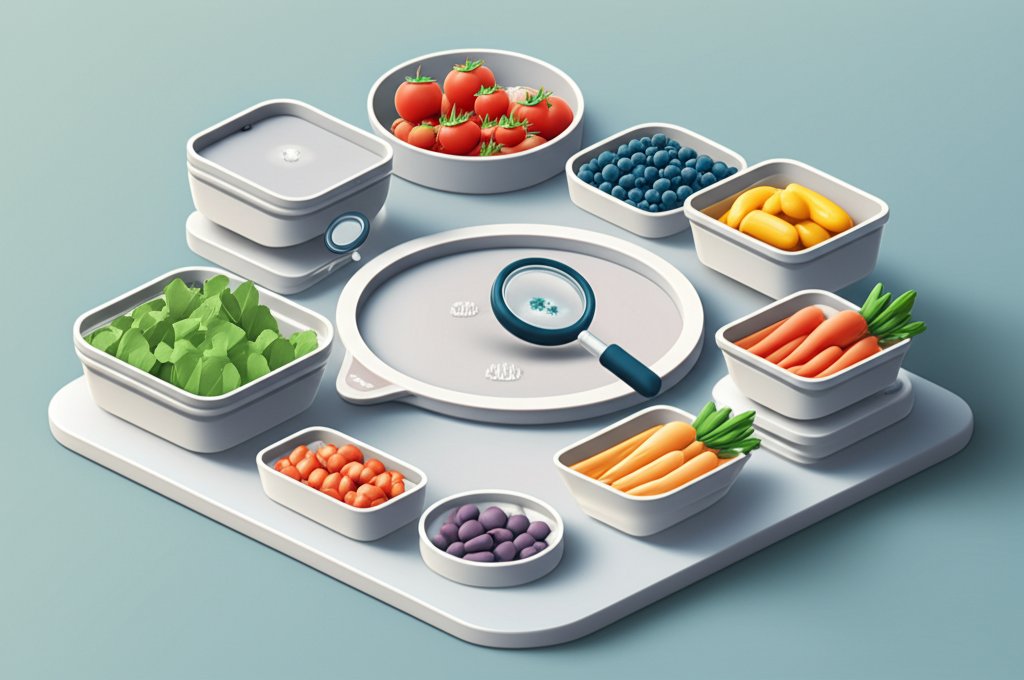
Owning borosilicate food containers unlocks new levels of convenience, but using them correctly ensures both safety and longevity.
From Freezer to Oven: The Safe Transition
One of the biggest advantages of borosilicate glass is its ability to go from the freezer to the oven to the table. However, a little care is needed to avoid stressing the material, however resilient it may be.
- Temper First: Remove the container from the freezer and let it rest on the counter for 15-20 minutes. This allows the glass to warm up slightly, reducing the severity of the temperature shock.
- Lid Off: Never put a plastic or bamboo lid in the oven. Remove the lid completely. Silicone lids are sometimes oven-safe, but always check the manufacturer’s instructions.
- Enter a Preheated Oven: Place the glass dish into an already preheated oven. Placing it in a cold oven that heats up can sometimes create uneven temperature zones that stress the glass.
- Avoid Adding Cold Liquids: Never pour cold water or broth into a hot borosilicate dish that’s just come out of the oven. This localized temperature shock is one of the few things that can cause a fracture.
The Right Container for the Right Job
Matching the container shape and features to the task at hand makes your kitchen system more efficient.
| Task | Recommended Shape | Lid Feature to Prioritize | Why It Works |
|---|---|---|---|
| Meal Prep Lunches | Rectangular/Square | Vented, 4-way locking | Maximizes fridge space, stacks neatly, and the vent is perfect for office microwaving. |
| Leftover Soups & Stews | Round | Leak-proof gasket | Round shapes heat more evenly in the microwave, and a top-tier gasket is crucial to prevent spills. |
| Baking & Roasting | Large Rectangular | Lid-optional (or silicone lid) | Doubles as a baking dish. You often don’t need a lid for cooking, but a silicone one is useful for storage. |
| Pantry Dry Goods | Any Shape | Bamboo or press-on glass | Aesthetics and easy access are more important than an airtight seal for items like flour or pasta. |
Cleaning and Maintenance for a Lifetime of Use
With proper care, your borosilicate food containers can last decades.
- Dishwasher: The glass bases are completely dishwasher-safe. Place plastic lids on the top rack to prevent warping from the heating element.
- Gasket Deep Clean: At least once a month, use a butter knife or small tool to gently pry out the silicone gaskets from the lids. Wash the gaskets and the lid channels with warm, soapy water to remove any trapped food particles and prevent mold growth. Let them dry completely before reinserting.
- Tackling Odors: If a lid’s gasket absorbs a strong smell like garlic or curry, soak it in a 50/50 solution of white vinegar and water for a few hours.
- Stubborn Stains: The glass itself will not stain. If you find baked-on food, a paste of baking soda and water is a gentle but effective abrasive that will restore its sparkle without scratching.
Identifying Quality: How to Spot True Borosilicate
As these containers grow in popularity, some brands use confusing marketing terms. “Tempered glass” is not the same as borosilicate glass. While tempering adds strength against physical impact, it does not provide the same level of thermal shock resistance.
Here’s how to increase your chances of getting the real deal:
- Check the Markings: Look for stamps or engravings on the bottom of the glass. Reputable brands often mark their products as “borosilicate glass.”
- Reputable Brands: Brands with a long history in cookware and bakeware (like Pyrex in Europe or OXO) are generally reliable sources. Be wary of no-name brands with suspiciously low prices.
- Price Point: Borosilicate glass is more complex and expensive to manufacture than soda-lime glass. If a large set seems incredibly cheap, it’s likely made from a lower-grade material. It’s an investment, and the price should reflect that.
Quick Answers: Common Questions and Misconceptions
Here are some rapid-fire answers to the most frequently asked questions about borosilicate food containers.
Q: Are borosilicate food containers completely unbreakable?
A: No. While highly durable and resistant to thermal shock, they are still glass. A significant drop onto a hard surface like a tile floor can cause them to chip or break. However, they are far more resilient to everyday bumps and temperature changes than standard glass.
Q: Can I put the plastic lids in the microwave?
A: Generally, yes, if they are marked as microwave-safe and are BPA-free. For safety, always open the air vent or place the lid loosely on top without locking it down. This allows steam to escape. If a lid is cracked, warped, or stained, it’s best to cover the container with a paper towel instead.
Q: Why did my borosilicate container crack in the oven?
A: This is extremely rare but can happen. The most likely causes are a pre-existing, invisible micro-fracture from a previous drop, or an extreme and sudden temperature change—like taking it directly from the freezer and placing it into a 450°F oven, or pouring cold liquid onto the hot glass surface.
Q: Are these containers truly non-porous and stain-proof?
A: Yes, the glass itself is non-porous. It will not absorb odors, flavors, or stains from acidic or colorful foods like tomato sauce, turmeric, or beets. The silicone gasket in the lid can sometimes discolor over time, but the glass will remain crystal clear with basic cleaning.
Making the switch to borosilicate food containers is a decisive step toward a safer, more organized, and waste-free kitchen. By focusing on high-quality glass and versatile, easy-to-clean lids, you’re not just buying storage—you’re investing in a reliable system that simplifies everything from meal prep to preserving leftovers. Your future self will thank you every time you pull a pristine, crystal-clear container from the fridge, ready for whatever comes next.

- Master Vegan Freezer Meal Prep to Simplify Your Busy Schedule - June 18, 2026
- Vegan Freezer Cooking Simplifies Healthy Meals on Busy Nights - June 17, 2026
- Vegetarian Freezer Recipes for Effortless Meal Prep and Delicious Dinners - June 16, 2026