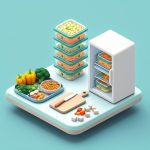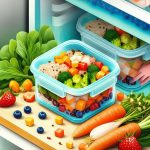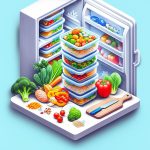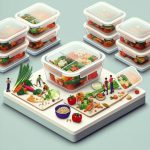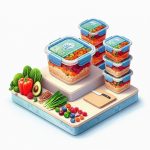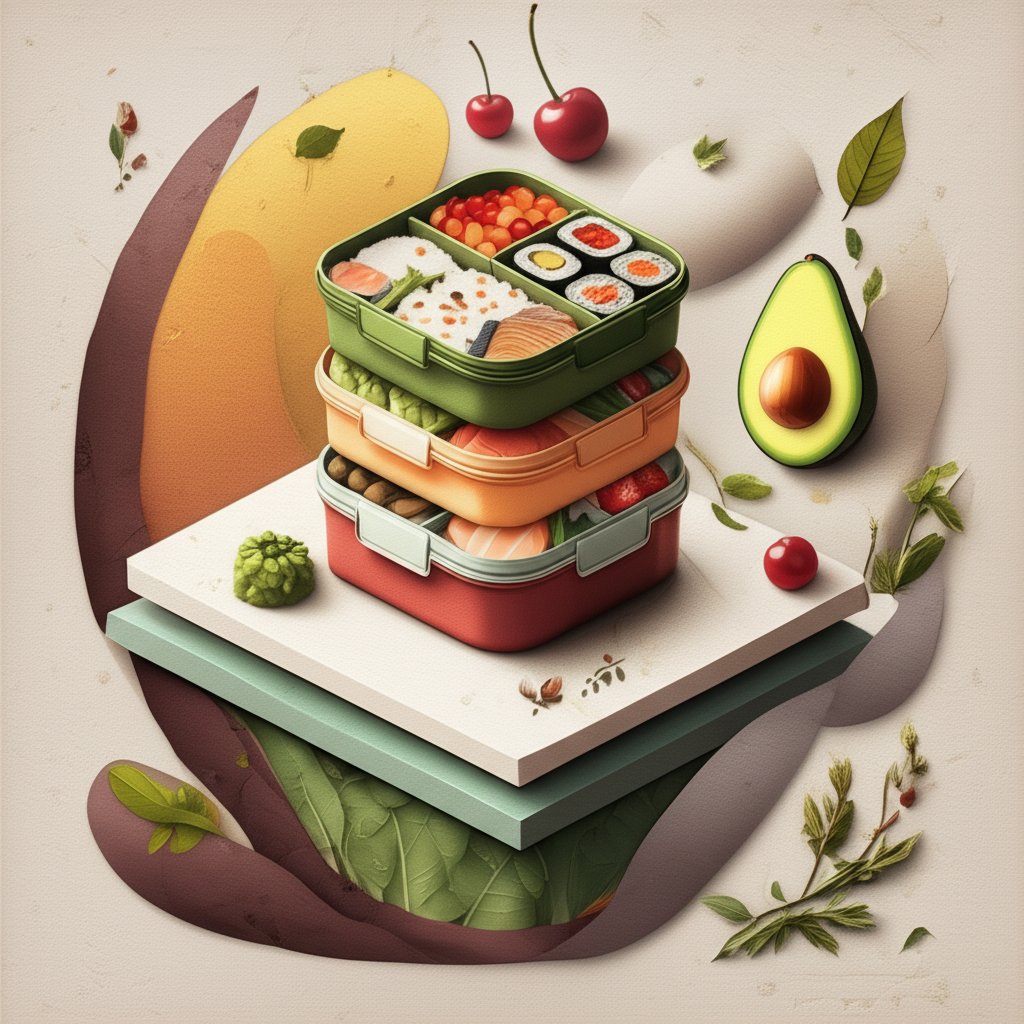
There’s nothing more deflating than opening your lunch to find a sad, jumbled mess. Your crisp salad is wilted from the steam of your rice, and your sandwich is soggy from contact with sliced fruit. The brilliant design of a stacked bento box solves this by using vertical space to create distinct, self-contained environments for each part of your meal.
This isn’t just about a fancier lunch box; it’s a strategic approach to meal prep that protects the texture, temperature, and taste of your food until you’re ready to eat. By understanding the design principles behind these tiered containers, you can turn a good meal into a great one, every single time.
At a Glance: What You’ll Learn
- The Core Principle: How vertical stacking fundamentally protects food integrity.
- Material Matchmaking: Deciding between plastic, stainless steel, and wood for your needs.
- The Leakproof Litmus Test: When a silicone seal is non-negotiable.
- The “Bottom-Up” Packing Method: A foolproof technique for loading your bento.
- Tier Triage: How to choose the right number of layers for your appetite and meal type.
- Common Pitfalls: How to avoid the simple mistakes that lead to leaks and spills.
Beyond the Box: How Vertical Tiers Transform Your Lunch
At its core, a stacked bento box is a system of individual containers held together securely, usually by clips or a durable strap. Each tier acts as a separate “room” for your food. This separation is the key to maintaining freshness. Think of it as a multi-story building for your meal, where the ground floor can be warm and savory while the top floor remains cool and crisp.
This vertical approach is the heart of the stacked bento box and a key principle to successfully Organize your on-the-go meals. Unlike a single-layer container where foods inevitably mingle, stacking creates deliberate barriers against three common meal-prep enemies:
- Temperature Contamination: A warm main course won’t heat your cold side salad.
- Moisture Migration: Dressings, sauces, and juices from fruit stay confined to their own tier.
- Texture Degradation: Crunchy items like crackers, nuts, or croutons are kept separate from soft, moist foods, preventing them from becoming soggy.
This intentional separation means the meal you pack at 7 AM is the exact same quality meal you enjoy at 1 PM.
Choosing Your Tiers: A Breakdown of Material, Size, and Seal
Not all stacked bento boxes are created equal. The right choice depends entirely on the types of meals you pack, your reheating needs, and your lifestyle. Let’s break down the three most critical design decisions.
The Material Matters: Plastic, Stainless Steel, or Wood?
The material of your bento box affects its weight, durability, price, and how you can use it (e.g., microwaving). Each has distinct advantages.
| Material | Pros | Cons | Best For |
|---|---|---|---|
| BPA-Free Plastic | Lightweight, microwave-safe, dishwasher-safe, often more affordable, wide variety of colors and shapes. | Can stain with certain foods (e.g., tomato sauce), may absorb odors over time, less durable than steel. | Everyday use, reheating leftovers, packing for kids, those who prioritize convenience and color options. |
| Stainless Steel | Extremely durable, won’t stain or retain odors, excellent for keeping food cold (or hot, if insulated), plastic-free. | Not microwaveable, often heavier, can be more expensive, may dent if dropped hard. | Cold meals like salads and sandwiches, rugged environments (hiking, construction sites), anyone avoiding plastic. |
| Wood / Bamboo | Aesthetically pleasing, naturally anti-bacterial (bamboo), lightweight, provides a traditional feel. | Not leakproof, not microwave or dishwasher safe, requires hand-washing and occasional oiling to prevent cracking. | Dry foods only (sandwiches, rice, nuts, dry snacks), office lunches where style is a factor, creating an authentic bento experience. |
| Expert Tip: Many modern designs offer a hybrid solution. For instance, you might find a stacked bento box with a stainless steel interior for food contact and a durable plastic exterior for insulation and style. These often provide the best of both worlds. |
Sealing the Deal: Understanding Leakproof vs. Air-Tight Lids
This is arguably the most important feature for anyone packing sauces, soups, yogurt, or juicy fruits.
- Leakproof Lids: These almost always feature a silicone or rubber gasket that creates a tight seal between the lid and the tier. When you press the lid on, it forms a barrier that prevents liquids from escaping, even if the box is tipped on its side. This is a must-have for peace of mind.
- Standard Lids (or “Air-Tight”): These lids fit snugly but lack that silicone gasket. They are perfectly fine for keeping dry foods fresh and preventing dust or air from getting in. However, they will not reliably contain liquids. A bento with standard lids is best for sandwiches, rice bowls, trail mix, and whole fruits.
Practical Scenario: Imagine you’re packing a lunch of chili and cornbread. The chili must go in a tier with a leakproof, gasket-sealed lid. The cornbread can go in a separate tier with a standard lid, as it will stay fresh and protected from the chili’s moisture.
How Many Tiers? Matching Your Box to Your Appetite
The number of tiers directly correlates with meal size and complexity.
- Two Tiers: The most common configuration. It’s perfect for a standard lunch, like a main course in the bottom tier and a side or snack in the top. (Example: Chicken and rice below, steamed broccoli and a fruit cup above).
- Three Tiers: Ideal for larger appetites or a full day’s worth of food. You can pack a main, a substantial side, and a separate snack or dessert. (Example: Pasta in tier one, a large salad in tier two, and yogurt with granola in tier three).
- Four+ Tiers: These are less common but excellent for family picnics or for individuals who need to pack multiple small meals and snacks for a very long day (e.g., a 12-hour shift).
The Art of Stacking: A Practical Packing Playbook
How you load your stacked bento box is just as important as the box itself. Following a simple, logical method ensures stability, preserves food quality, and prevents unfortunate accidents.
The “Bottom-Up” Packing Method
Always start with the bottom tier and work your way up. This method leverages gravity and thermodynamics to your advantage.
- Bottom Tier: The Foundation. This layer should hold your heaviest, densest, and/or hottest food. Think rice, pasta, chili, stew, or dense grain salads. Placing heavy items at the bottom creates a stable base for the entire stack. If you’re packing a hot food, its heat will rise, but it won’t directly “cook” the delicate items you place in the tiers above.
- Middle Tier(s): The Supporting Act. This is for your main sides. Items that are less dense but can handle a little ambient warmth from the bottom layer are perfect here. Think steamed or roasted vegetables, proteins like grilled chicken strips, or heartier salads.
- Top Tier: The Delicate Finish. This layer is reserved for the most fragile, lightweight, and cool items. This is where you put your green salads, fresh fruit, crackers, bread, or delicate desserts. They are farthest from the heat and weight of the main course, ensuring they arrive crisp and un-crushed.
Case Snippet: Packing a Deconstructed Burrito Bowl
Let’s apply the method to a popular lunch.
- Bottom Tier (Heavy/Hot): Your warm seasoned rice and black beans. This is the dense, warm base of your meal.
- Middle Tier (Sides): Your protein (grilled chicken or fajita veggies). Beside it, using a silicone cup, you place your salsa and sour cream to prevent them from making everything else soggy.
- Top Tier (Cool/Crisp): Your shredded lettuce, chopped tomatoes, and a handful of tortilla chips. They stay far from the warmth and moisture, guaranteeing a fresh, crunchy topping when you assemble your bowl at lunchtime.
Clearing Up Common Questions About Stacked Bentos
Even with the best design, user error can lead to frustration. Here are answers to the most frequent questions I hear.
Q: Are all stacked bento boxes microwave safe?
A: No, and this is critical. Only boxes explicitly marked “microwave-safe” should be used for reheating. This typically applies only to BPA-free plastic models. Never place stainless steel or wood/bamboo boxes in the microwave. Even with plastic, always remove the lid before heating, as the pressure can cause it to warp or crack.
Q: My “leakproof” bento still leaked. What did I do wrong?
A: This usually comes down to three culprits. First, ensure the silicone gasket is properly seated in the lid’s groove and is clean. A stray grain of rice can break the seal. Second, don’t overfill the container; liquid can get pushed up and over the rim when you press the lid on. Finally, make sure the lid is pressed down evenly on all sides to engage the seal completely.
Q: Can I really put hot and cold food in the same stacked bento?
A: Yes, that’s the primary benefit! The separation between tiers acts as an insulator. While it won’t keep food piping hot or ice-cold for hours like a dedicated thermos, it’s highly effective at preventing temperature transfer for a typical 3-5 hour period between packing and eating. For best results, pair your bento with an insulated lunch bag.
Q: Are stacked bento boxes hard to clean?
A: Not usually. Most plastic and stainless steel versions are dishwasher-safe (top rack recommended). The main challenge can be the lids, with their silicone gaskets. It’s good practice to occasionally remove the gasket and wash it and the lid’s groove separately to prevent any buildup. Wooden boxes are the most demanding, as they require careful hand-washing and drying.
Your First Stacked Bento Box: A Quick-Start Decision Guide
Ready to upgrade your lunch game? Use this simple checklist to choose the right stacked bento box for your first purchase.
- Analyze Your Meals:
- Mostly dry (sandwiches, salads)? Any material will work; leakproofing is a bonus, not a necessity.
- Often wet (soups, stews, curries)? Prioritize a model with guaranteed leakproof, gasket-sealed lids. Stainless steel or plastic are your best bets.
- Need to reheat? Your only option is a microwave-safe plastic model.
- Consider Your Appetite:
- Standard lunch? A two-tier box is the perfect starting point.
- Big eater or packing multiple meals? Go for three or more tiers.
- Factor in Your Lifestyle:
- Gentle commute to an office? A stylish wooden bento or any standard plastic model will be fine.
- Rough-and-tumble environment (field work, kids’ backpack)? Invest in the durability of stainless steel or a high-quality, thick-walled plastic box.
By focusing on how the design elements—material, seal, and tier count—align with your actual needs, you’re not just buying a container. You’re investing in a system that delivers consistently fresh, organized, and enjoyable meals, no matter where your day takes you.

- Master Vegan Freezer Meal Prep to Simplify Your Busy Schedule - June 18, 2026
- Vegan Freezer Cooking Simplifies Healthy Meals on Busy Nights - June 17, 2026
- Vegetarian Freezer Recipes for Effortless Meal Prep and Delicious Dinners - June 16, 2026