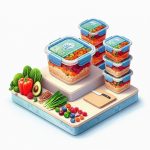
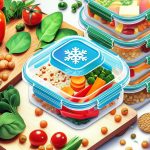
There’s a quiet satisfaction in clicking the lid shut on a perfectly packed lunch. When that container is a vibrant green bento box, the feeling is even better—it’s a small, daily promise of a fresh, organized, and intentional meal. It’s more than just a color; it’s a mindset that blends visual appeal with the practical brilliance of compartmentalized eating, turning a mundane task into a moment of calm creativity.
This isn’t just about carrying food. It’s about upgrading your entire lunchtime experience, from prep to the final bite. A well-chosen bento box makes portion control intuitive and keeps your crunchy granola from getting friendly with your yogurt.
At a Glance: Your Green Bento Box Guide
- Beyond the Hue: Understand if “green” means the color, an eco-friendly material, or both, and decide what matters most to you.
- Match Form to Function: Discover how to select the right size and compartment layout for your specific lifestyle—whether you’re a professional, a student, or a weekend adventurer.
- Master the Art of Packing: Learn practical strategies for layering foods, preventing sogginess, and using compartments to build balanced, visually appealing meals.
- Material Matters: Compare popular materials like BPA-free plastic, bamboo fiber, and stainless steel to find the safest and most durable option for your needs.
- Smart Features to Look For: Identify key features like integrated handles, leak-proof seals, and included containers (like yogurt cups) that elevate a good bento box to a great one.
What Does a “Green” Bento Box Really Mean?
The term “green bento box” pulls double duty. For many, it’s about the aesthetic—a calming sage, a vibrant lime, or a sophisticated mint. But for others, “green” signifies an eco-conscious choice. The best part? You don’t have to choose. You can have both.
The Aesthetics: Color Psychology on Your Plate
Color impacts mood, and green is overwhelmingly associated with nature, health, and tranquility. Opening a green-toned lunch box can be a small moment of zen in a hectic day. It frames your food beautifully, making vibrant berries, crisp lettuce, and golden-brown chicken look even more appetizing.
Consider the Finorder Bento Box, available in a cheerful mint green. Its design isn’t just functional; it’s lively and cute. This visual appeal is a key part of what makes packing lunch feel less like a chore and more like an act of self-care. Choosing a color you love is the first step to making your bento a daily companion you enjoy using.
The Eco-Conscious Choice: Materials That Matter
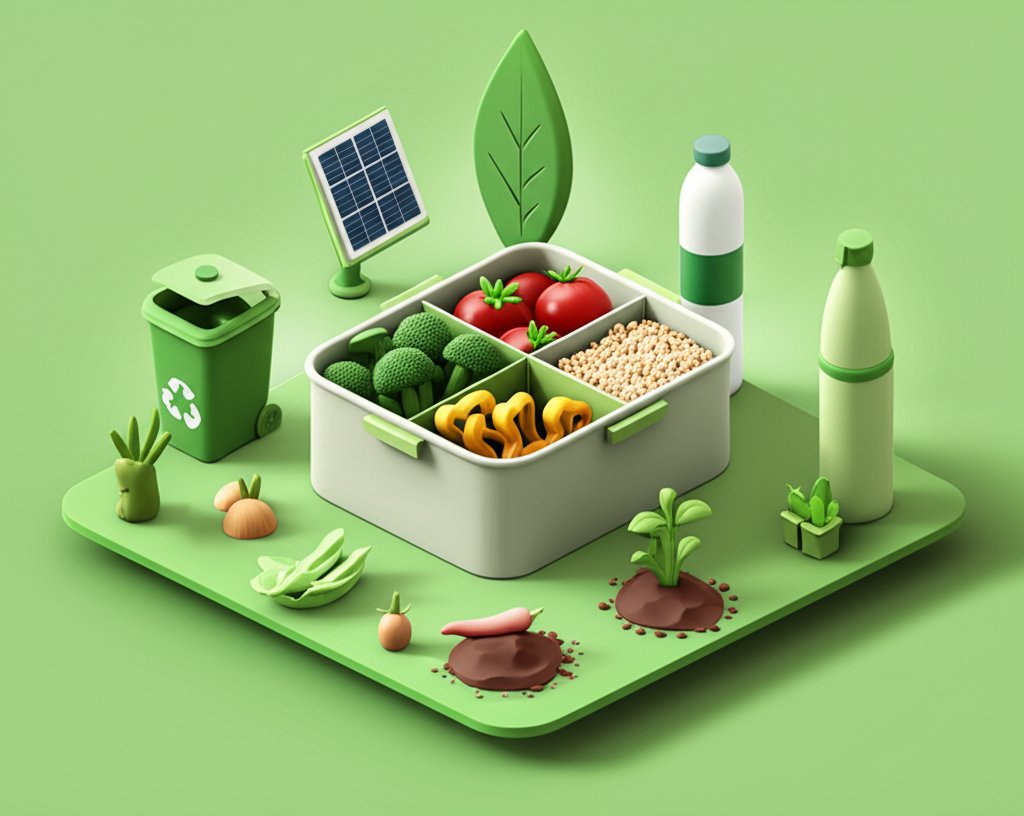
Beyond color, a “green” bento is one that’s kind to the planet and your health. This is where materials become crucial. The goal is to move away from single-use plastics and embrace durable, reusable, and safe options.
- BPA-Free Plastic: This is the most common and accessible option. “BPA-free” means the plastic is made without bisphenol-A, an industrial chemical that has raised health concerns. Look for high-quality, food-grade polypropylene (PP #5), which is durable, lightweight, and often microwave- and dishwasher-safe.
- Bamboo Fiber: A more sustainable choice, these boxes are made from a composite of bamboo powder, cornstarch, and resin. They are biodegradable, lightweight, and have a unique, earthy texture. However, they can be more brittle than plastic and are not always suitable for microwaves.
- Stainless Steel: The durability champion. Stainless steel boxes are unbreakable, non-toxic, and won’t stain or retain odors. They are a fantastic long-term investment. The main drawbacks are that they are heavier and cannot be used in a microwave.
- Glass: Excellent for reheating and completely non-porous, glass won’t hold onto flavors or stains. It’s a healthy and safe option, but its weight and fragility make it less ideal for those on the move, like students or commuters.
Making a thoughtful choice about materials is a foundational step. It’s an integral part of how a small, well-designed container can help you Make lunch easy and fun for years to come.
Matching Your Green Bento Box to Your Lifestyle
The perfect bento box isn’t one-size-fits-all. It’s the one that seamlessly integrates into your daily routine. Think about how, when, and where you’ll be eating, and choose features that support that.
For the Busy Professional: Organization is Key
Your lunch break is a precious window of time. You need a bento that is efficient, leak-proof, and professional-looking.
- Scenario: You prep your lunches on Sunday for the whole week. You need to pack a salad with dressing, grilled chicken, and a side of fruit without everything becoming a soggy mess.
- Look For: A bento with 3-5 distinct compartments. As noted in product descriptions for multi-compartment boxes, this design “tidily separates different foods and prevents flavor mingling.” A dedicated spot for dressing or a small, sealed yogurt cup is a huge plus. A slim, rectangular profile (like a 56oz option) slides easily into a briefcase or work tote. An integrated handle offers a “grab-and-go” solution for getting out the door quickly.
For the Active Student: Durability and Portability
Students need a bento that can withstand being tossed in a backpack and carried across campus. It has to be lightweight, durable, and easy to clean.
- Scenario: You’re running from class to the library to sports practice. Lunch might be eaten on a bench between activities.
- Look For: A compact, square-shaped green bento box (like a 43oz model) that doesn’t take up too much space. Look for secure, easy-to-use latches that won’t pop open in a bag. A design with a built-in handle makes it easy to carry without needing a separate lunch bag. BPA-free plastic is often the best choice here for its balance of durability and low weight.
For the Weekend Adventurer: Secure and Versatile
Whether you’re hiking, having a picnic, or taking a road trip, your bento needs to be rugged and absolutely leak-proof.
- Scenario: You’ve packed hummus, pita chips, crunchy veggie sticks, and a handful of nuts for a day on the trail.
- Look For: Strong, locking seals and a silicone gasket around the lid are non-negotiable. Stainless steel is an excellent choice for its ruggedness. Alternatively, a high-quality plastic bento with a “three layers on the top and separate layers on the bottom” design can effectively separate wet and dry items, ensuring your pita chips are still crisp when you reach the summit.
A Practical Playbook: Packing Your Green Bento Box for Success
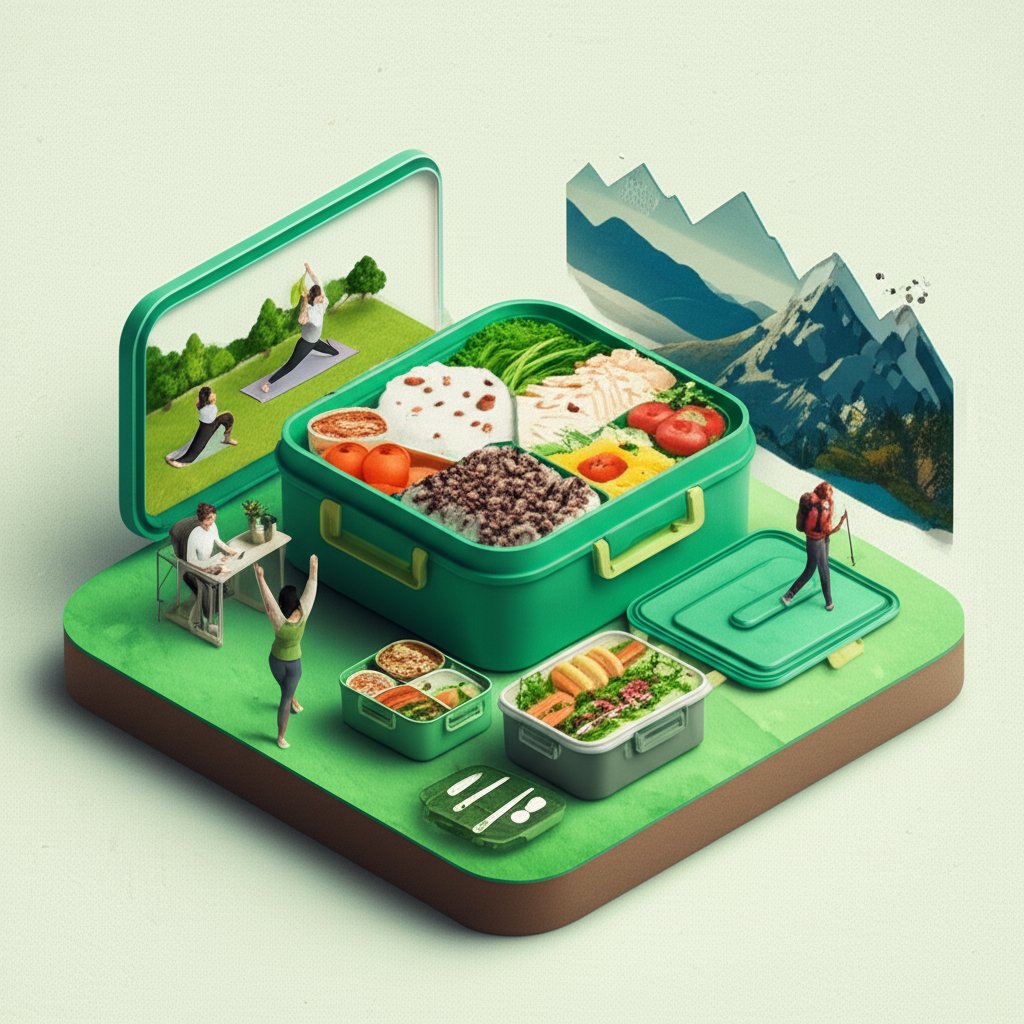
A bento box is a canvas. How you fill it determines whether you end up with a masterpiece or a muddle.
The Art of Compartmentalization
Think of each compartment as a zone with a specific job. This is the core principle of bento.
- Start with the Main: Place your protein or largest component (e.g., grilled salmon, a bed of quinoa, a wrap) in the biggest compartment.
- Add Your Veggies & Fruits: Fill one or two smaller compartments with colorful vegetables (cherry tomatoes, cucumber slices) and fruits (grapes, berries). These add nutrients and visual appeal.
- Include a Healthy Carb: A small section can hold whole-grain crackers, a scoop of brown rice, or a mini sweet potato.
- Dedicate a Spot for Dips & Snacks: Use the smallest compartment for hummus, guacamole, nuts, or a piece of dark chocolate. Some bentos come with a dedicated 5-oz cup perfect for yogurt or sauces.
- Pack in Order: Place wet ingredients at the bottom and dry, delicate ones on top to prevent sogginess. For example, in a stacked bento, put the salad in the bottom layer and the croutons and seeds in a top-layer compartment.
Quick Packing Combinations
| Compartment 1 (Main) | Compartment 2 (Veggies) | Compartment 3 (Fruit/Snack) | Compartment 4 (Dip/Extra) |
|---|---|---|---|
| Shredded Chicken w/ BBQ Sauce | Celery & Carrot Sticks | Apple Slices | Ranch Dip or Almonds |
| Hard-Boiled Eggs (2) | Steamed Broccoli Florets | Grapes & Strawberries | Whole-Grain Crackers |
| Mini Turkey & Cheese Wraps | Cherry Tomatoes & Snap Peas | Orange Wedges | Hummus or a Small Brownie |
Keeping It Fresh and Safe
- Cool It Down: Always let hot food cool completely before closing the bento lid. Trapped steam creates condensation, leading to soggy food and bacterial growth.
- Use Silicone Liners: Reusable silicone cupcake liners are perfect for creating extra divisions within a larger compartment. They’re great for holding berries, nuts, or sauces.
- Mind the Gaps: Pack compartments snugly to prevent food from shifting and mixing during transport. Use small items like cherry tomatoes, nuts, or a folded piece of lettuce to fill empty spaces.
Quick Answers to Common Questions
Q: What makes a bento box “green” besides the color?
A: A “green” bento box refers to one that is environmentally friendly and health-conscious. This means it’s reusable, durable, and made from safe, non-toxic materials like BPA-free plastic, food-grade stainless steel, glass, or sustainable bamboo fiber. It’s a direct alternative to single-use plastic bags and disposable containers.
Q: Are green bento boxes dishwasher and microwave safe?
A: It depends entirely on the material. Most high-quality BPA-free plastic bento boxes are safe for both the top rack of the dishwasher and the microwave (usually with the lid removed). Stainless steel and bamboo fiber boxes are generally not microwave-safe. Always check the manufacturer’s instructions printed on the bottom of the container.
Q: How do I choose the right size of green bento box?
A: Consider your appetite and what you typically eat for lunch. A smaller, 43-ounce box might be perfect for a light lunch or a child’s meal. A larger, 56-ounce box is better for adults with heartier appetites or for packing more complex meals with multiple components. Think about your average portion sizes to make the best choice.
Q: What are the best foods to pack to avoid sogginess?
A: Pack wet and dry ingredients separately. Use compartments or silicone liners to isolate sauces, dressings, and juicy fruits. Pack salads “deconstructed”—greens in the large compartment, dressing in a small sealed pot, and crunchy toppings like croutons or seeds in another dry section. Assemble just before eating.
Your Next Step to a Better Lunch
Choosing a green bento box is a small change that delivers a big impact. It’s an investment in your health, your wallet, and the planet. But more than that, it’s a tool that brings a little bit of order and joy back to your midday meal.
Stop settling for sad desk lunches or expensive takeout. Start by thinking about your daily routine. Do you need something sleek and professional or rugged and portable? Do you prefer the convenience of plastic or the longevity of steel?
Once you identify the features that fit your life, you can find the perfect green bento box to transform your meal prep from a repetitive chore into a simple, satisfying ritual.

- Master Vegan Freezer Meal Prep to Simplify Your Busy Schedule - June 18, 2026
- Vegan Freezer Cooking Simplifies Healthy Meals on Busy Nights - June 17, 2026
- Vegetarian Freezer Recipes for Effortless Meal Prep and Delicious Dinners - June 16, 2026